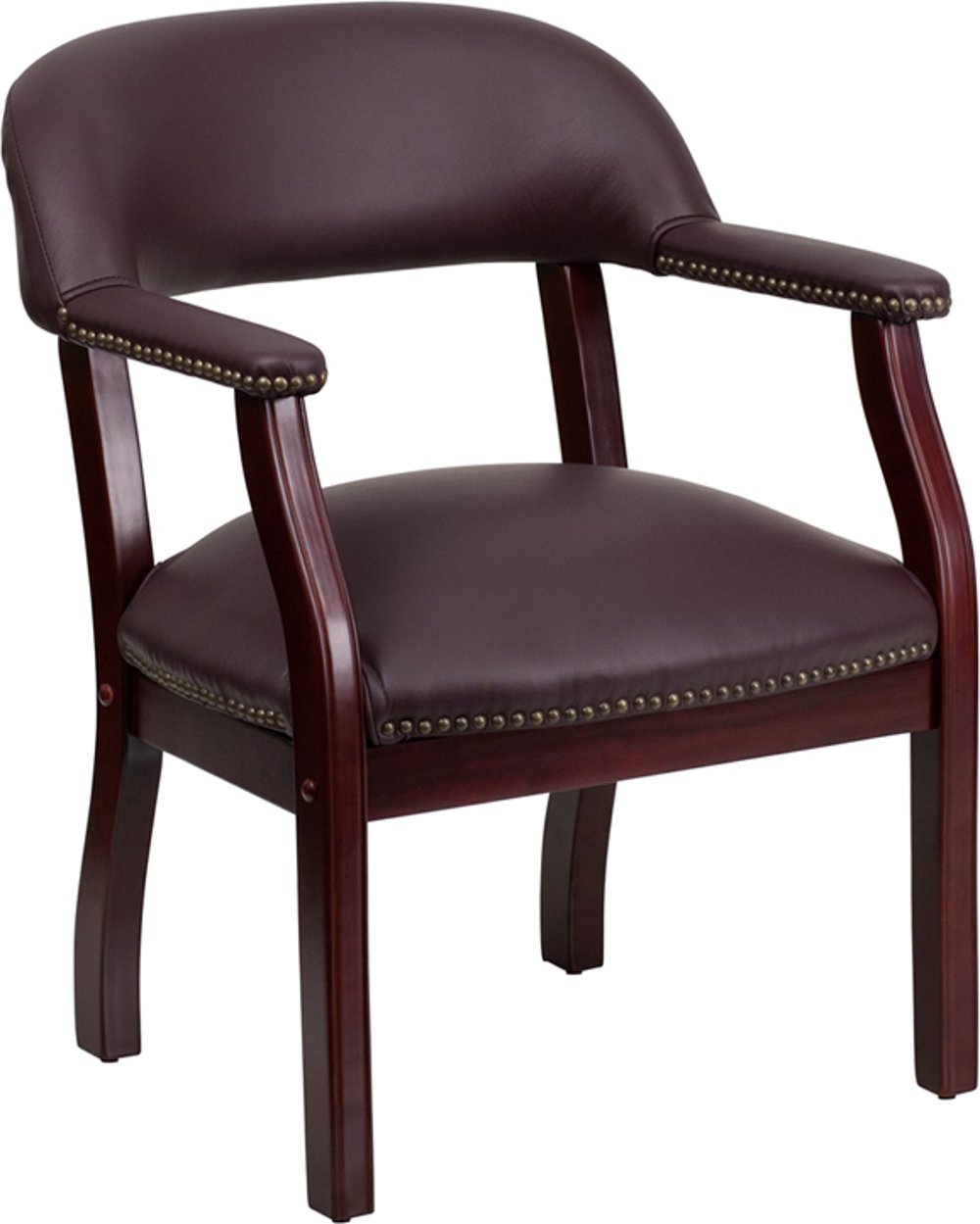
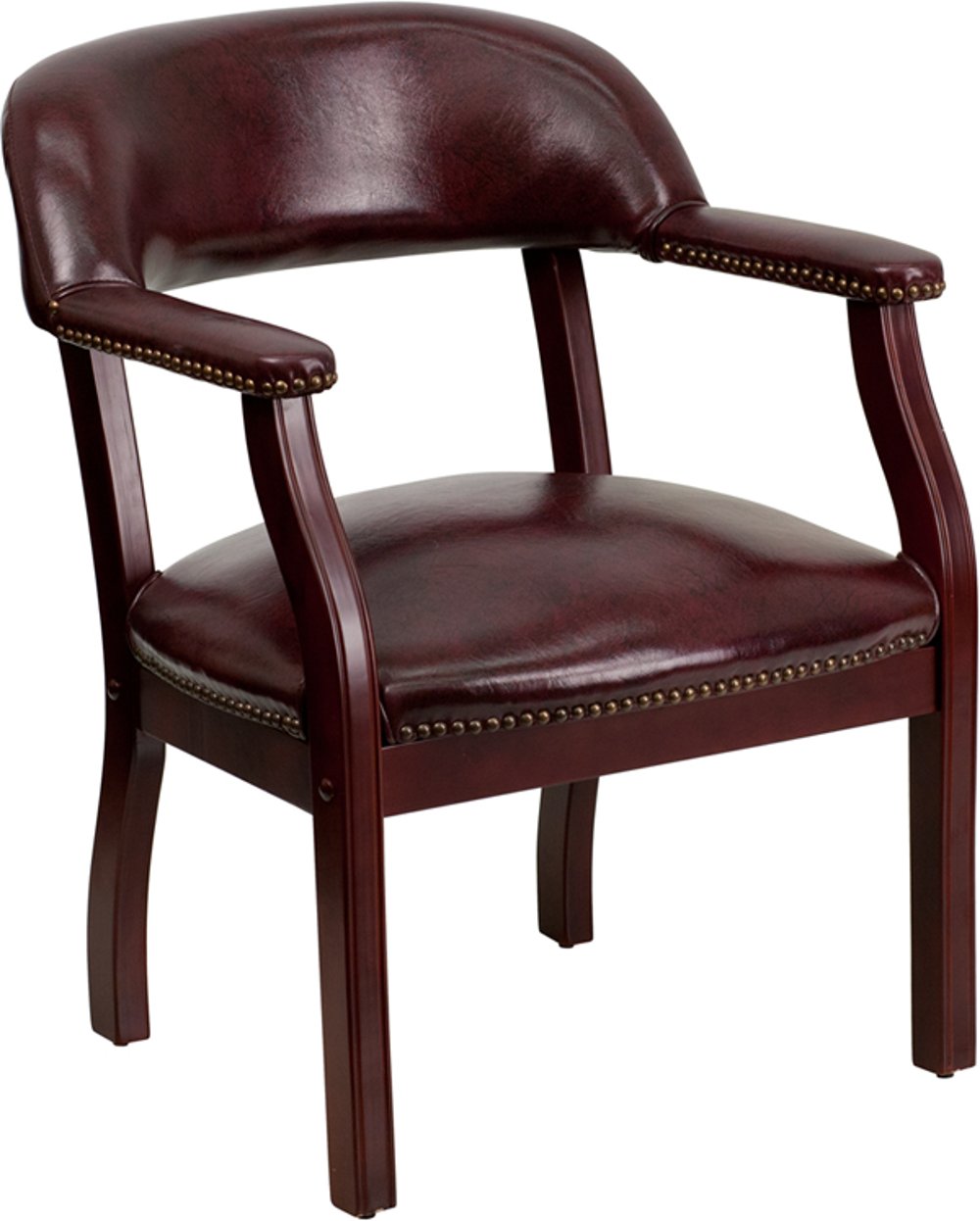
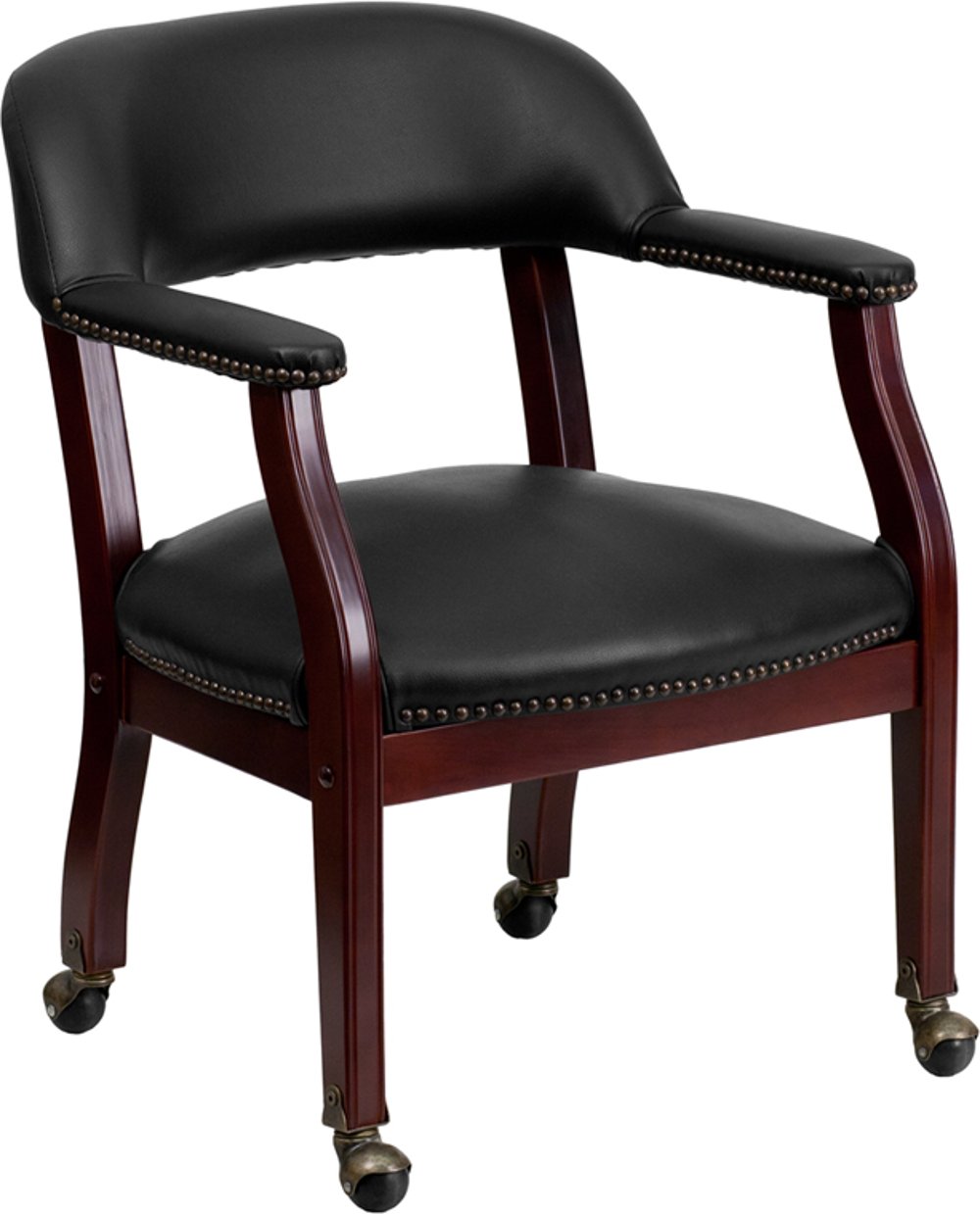
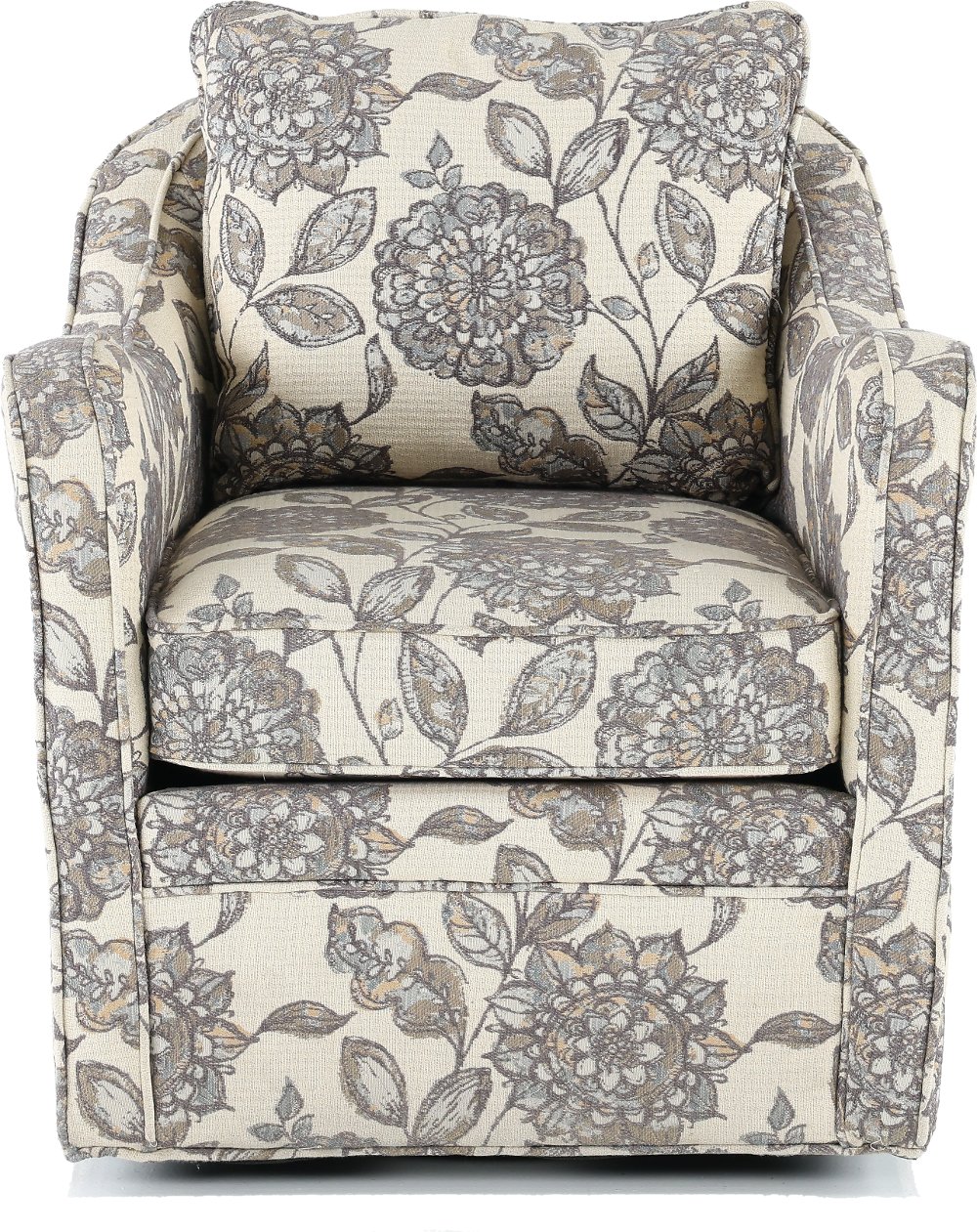
Gray chairs offer a versatile seating option for living rooms, dining rooms, bedrooms, and home offices, with shades ranging from pale dove gray to deep charcoal. Their neutral color works with many decorating styles, but the undertone makes a meaningful difference. A warm gray with hints of brown can sit comfortably beside an oatmeal sofa, cream curtains, and a natural oak coffee table. A cooler gray with blue undertones often pairs well with crisp white walls, black metal accents, and navy textiles. For a room that already has patterned rugs or colorful artwork, a solid gray accent chair gives the eye a place to rest without making the space feel empty. Texture adds another layer: a softly woven fabric feels relaxed, velvet brings a subtle sheen, and smooth leather creates a more tailored look. Shape matters just as much as color. Rounded barrel chairs can soften a room with angular tables and straight-lined sofas, while exposed wood frames and tapered legs suit mid-century modern spaces. Rolled arms and fuller cushions feel at home in traditional rooms, and slim arms with clean seams complement contemporary furniture. Matching every gray surface exactly isn’t necessary; a light gray chair beside a charcoal sofa can look more intentional than two nearly identical shades that compete. Repeating one detail, such as a wood finish or a small amount of gray in a rug, helps connect the pieces. In a bedroom, an upholstered armchair can create a comfortable spot for putting on shoes or reading before bed. In a living room, a pair of gray chairs angled toward a sofa encourages conversation while keeping the arrangement flexible. A single chair near a bookcase can make an overlooked corner useful, especially when there’s room for a reading light and a small table within easy reach. The best choice feels connected to the room while giving someone a genuinely comfortable place to settle in.
Comfort depends on how a chair fits both the person and the space, so overall dimensions tell only part of the story. Seat height, usable seat depth, arm height, and back support all affect everyday use. A deep gray lounge chair may be ideal for someone who likes to curl up with a book, but a shallower seat can make it easier for a shorter person to sit with feet resting on the floor. A supportive, more upright chair may suit conversation or getting dressed better than a low, reclined silhouette. For someone who finds standing from low seats difficult, a firmer cushion, manageable seat height, and stable armrests deserve particular attention. Before choosing a chair, mark its footprint on the floor and account for nearby doors, drawers, and walking paths. Reclining chairs need their specified operating clearance, and swivel chairs need space to turn without brushing a wall or table. Gray dining chairs call for a different set of measurements. Check the distance between the seat and the underside of the table, including any apron, and make sure chair arms can slide underneath if tucking them in matters. About 10 to 12 inches between the seat and tabletop is a common starting point, though the table structure and cushion compression can change the fit. Allow roughly 24 inches of table width per diner as an initial planning measure, with more space for wider chairs. For raised dining areas, gray pub chairs can carry the same neutral palette to a gathering table or breakfast bar; compare the actual seat height with the eating surface rather than relying on the style name alone. Counter-height seats are commonly about 24 to 26 inches high, while bar-height seats are typically about 28 to 30 inches high. In a home office, gray desk seating can blend with surrounding furniture, but extended computer work calls for appropriate adjustability and support rather than appearance alone. Let the chair’s daily job lead the decision.
Materials and construction help determine how gray chairs feel, wear, and fit into a household’s routine. Tightly woven upholstery can offer a smooth, tailored surface, while textured fabrics add depth and may make minor variations in the surface less noticeable. Larger loops and loose weaves can catch on pet claws, so homes with cats or dogs benefit from a close look at the fabric structure. Performance upholstery may offer added stain resistance or easier cleaning, but those benefits vary by fabric and don’t make a chair stainproof. Velvet has a distinctive softness and reflects light differently as its pile changes direction; visible shading or pressure marks may be part of its character rather than a defect. Leather can develop creases and a patina with use, depending on its type and finish, while faux leather has different care needs and wear characteristics. For dining chairs used at every meal, accessible seams and surfaces that are straightforward to maintain can matter more than decorative details. For a reading chair, the feel of the arms and the balance between softness and support may carry more weight. Look beyond cushion thickness to the frame, joinery, suspension, and cushion construction, since these work together to support regular use. Check any stated weight capacity, and remember that removable cushions don’t necessarily have washable covers. Follow the manufacturer’s cleaning instructions and upholstery care code before applying water, solvents, or cleaning products. Regular vacuuming with a suitable upholstery attachment helps remove dust and crumbs; blot spills promptly rather than rubbing them into the fabric. Position upholstered chairs away from prolonged direct sunlight when possible to help limit fading, and use floor protectors suited to the flooring beneath the legs. If a gray chair is intended as a housewarming gift or a contribution to a first apartment, confirming the recipient’s room measurements, seating preferences, and care expectations makes the gesture more useful. A thoughtfully chosen chair brings together a pleasing color, a comfortable fit, and materials that make sense for the people who’ll use it every day.
Read More