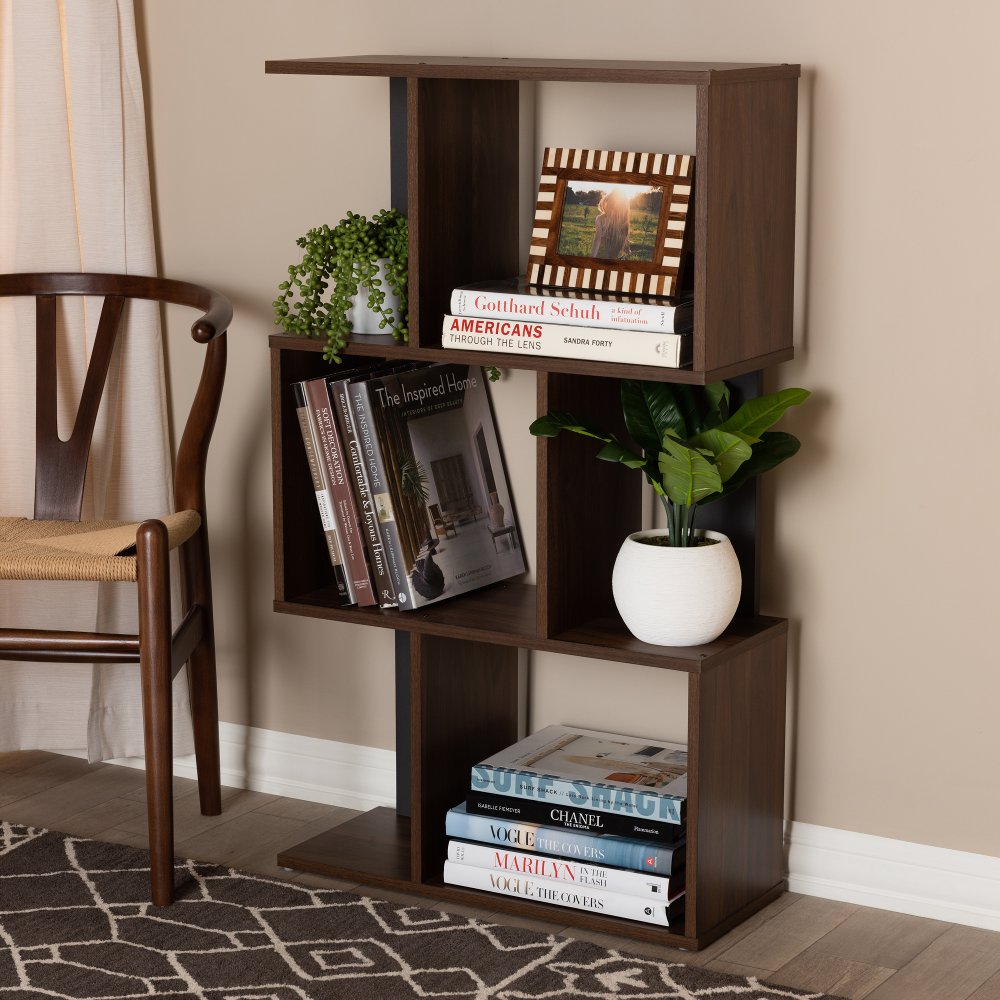
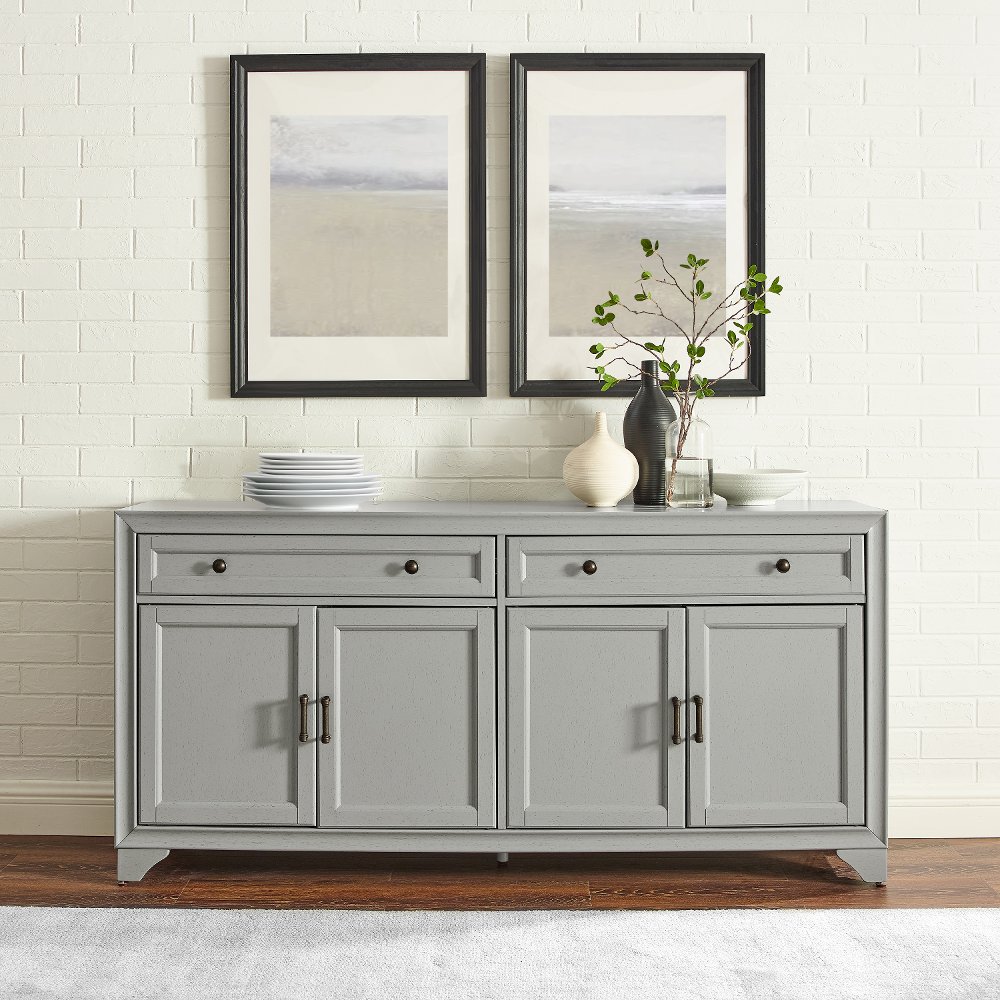
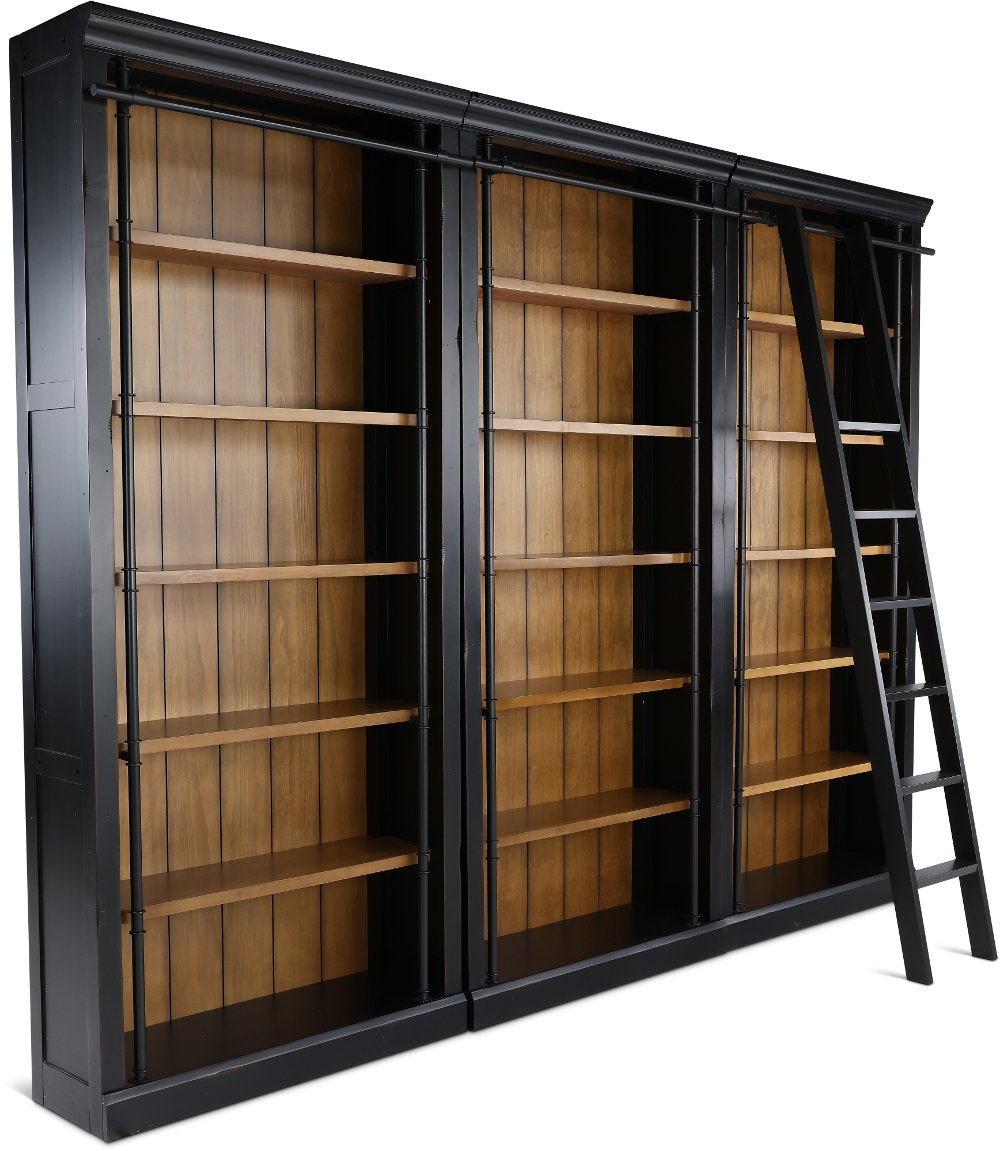
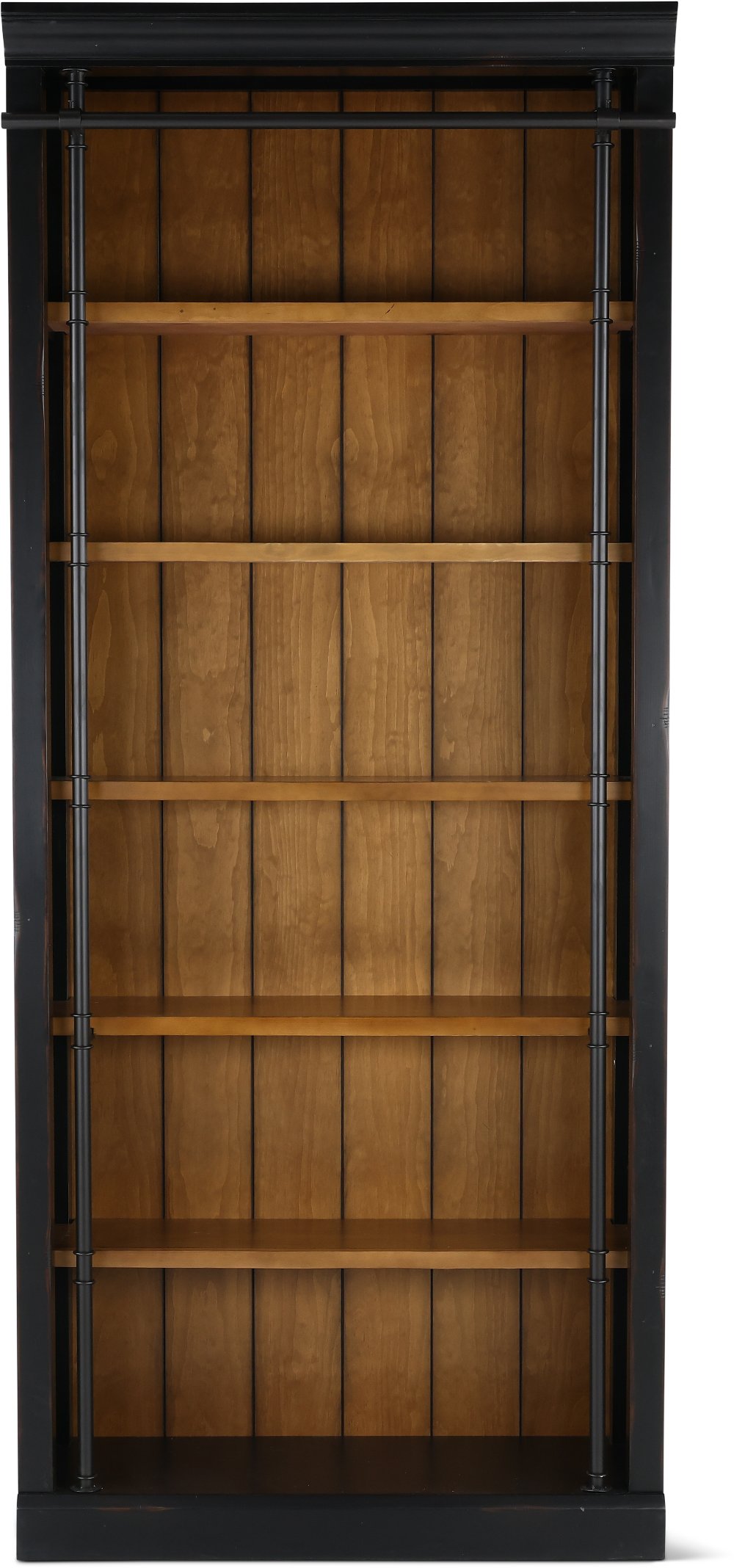
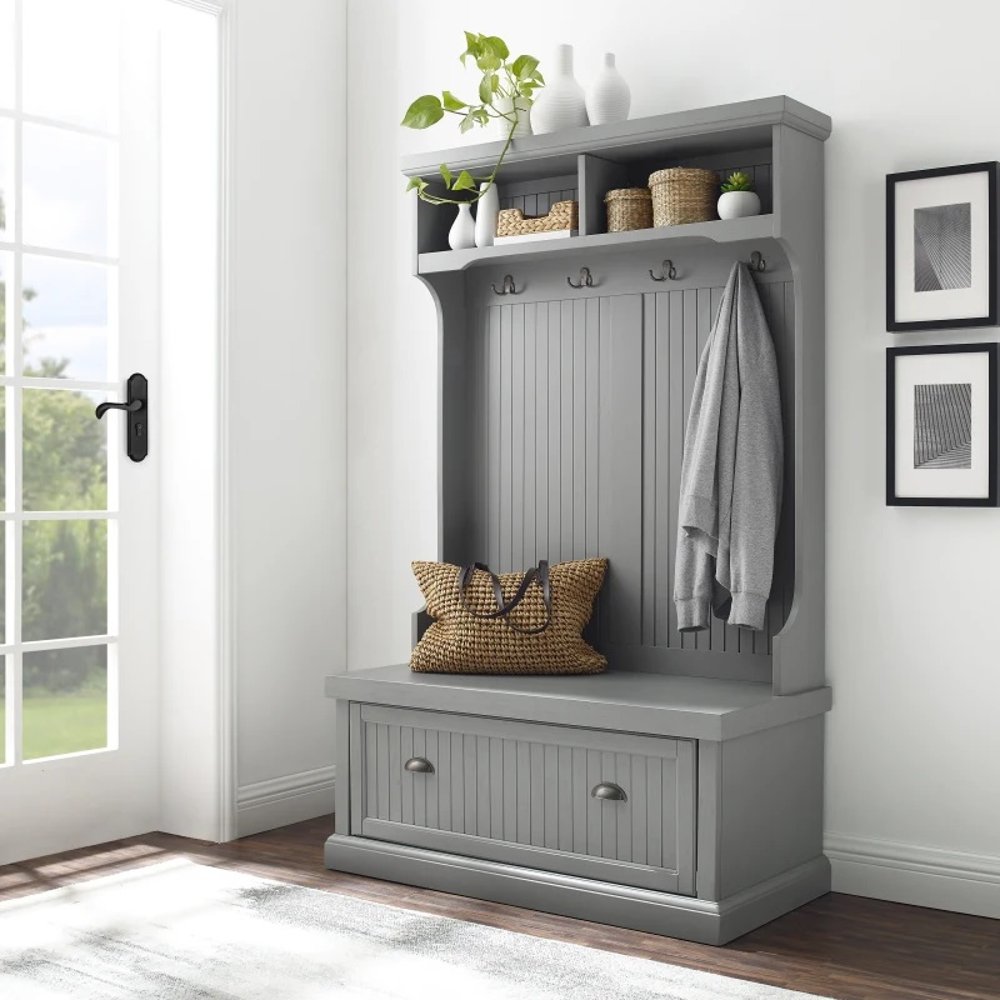
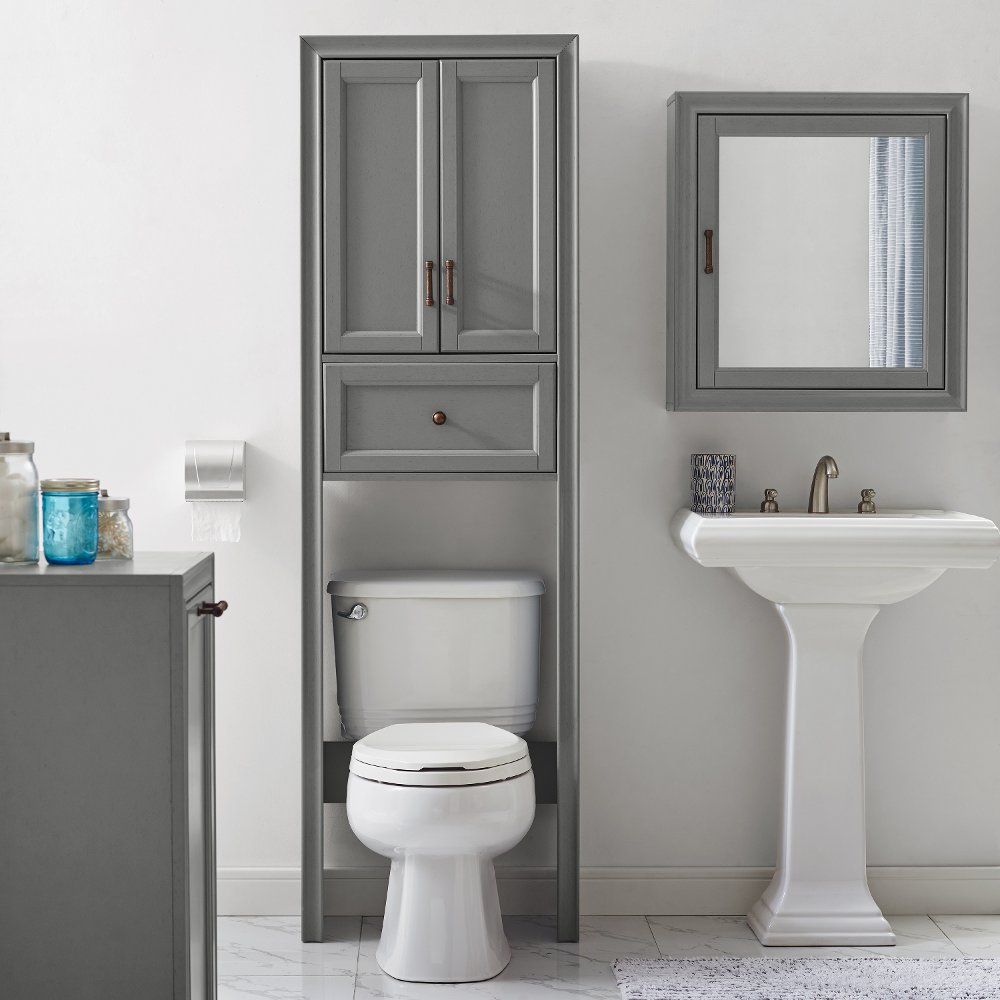
Gray office cabinets bring a sense of order to a workspace without making it feel strictly business. Their neutral color works comfortably alongside a wood desk, a black task chair, or light-colored walls, giving paperwork and supplies a home while leaving room for personal style. Pale gray can keep a compact office feeling open, while charcoal creates a more defined presence against white trim or natural oak. Undertones make a difference, too: a warm gray tends to blend with beige upholstery and honey-colored wood, while a cooler gray pairs naturally with crisp whites and brushed metal. Daylight and desk lamps can change how a finish looks, so consider the lighting where the cabinet will sit rather than color alone. In a dedicated home office, a gray storage cabinet can serve as a backdrop for books, reference materials, and everyday equipment. In a living room workspace, paneled doors or a subtle wood-grain finish can help office storage feel like part of the surrounding furniture. Closed doors are especially useful when the workday ends and the same room becomes a place to relax. Printer paper, charging cables, and notebooks stay accessible without remaining in view. Open compartments offer a different kind of convenience, keeping frequently used folders within reach or making space for a small framed photo. A combination of enclosed storage and open shelving can suit someone who wants easy access without displaying every supply. These cabinets can support remote workers, students, small-business owners, and households that need a central spot for bills, school forms, and important records. The most useful arrangement follows the way you actually spend your day. If you reach for a client folder several times an hour, accessible filing matters more than a display shelf. If your desk doubles as a homework station, separate compartments can give each person a place to put things away.
The right fit depends on both the cabinet’s footprint and the space it needs to function. Measure the intended location, then account for baseboards, nearby outlets, windowsills, and the swing of neighboring doors. Leave enough clearance to open cabinet doors and extend drawers while still moving your chair comfortably. A slim, tall office cabinet can make good use of vertical space in a narrow room, while a lower cabinet may fit beneath a window or alongside a desk. Check actual dimensions rather than assuming a cabinet will align with an existing work surface. A lateral file cabinet generally provides a wider format for organizing documents, while a vertical file cabinet offers a narrower footprint; either style still needs room in front for drawer access. Interior measurements matter just as much as exterior ones. Binders require adequate shelf height, file drawers need to accommodate the paper size you use, and bulk supplies can take up more depth than expected. Adjustable shelves offer flexibility when storage needs shift from textbooks to project boxes or from stationery to equipment. For a printer cabinet, compare the equipment’s dimensions and weight with the usable surface area and stated load capacity. Allow space for paper trays, cable connections, and any ventilation the equipment manufacturer requires. A nearby outlet and a suitable cable route can keep cords from crossing a walkway. Materials also influence how a cabinet looks and holds up to everyday use. Solid wood and wood veneer bring natural grain and variation to a gray finish, while engineered wood with a laminate or melamine surface can offer a consistent appearance that’s straightforward to maintain. Painted finishes provide another look, ranging from smooth and understated to gently distressed. Metal cabinets tend to have a more utilitarian character that suits work-focused spaces. No material tells the whole durability story, though. Shelf thickness, secure joints, drawer construction, hinges, and the quality of the finish all deserve attention. Smooth drawer movement and doors that sit evenly can make a noticeable difference in a cabinet you use throughout the day.
Living comfortably with gray office storage cabinets also comes down to the smaller details. Handles should feel easy to grasp, especially on a loaded filing drawer, and shelf placement should let you retrieve supplies without awkward reaching. Keep frequently used materials between waist and shoulder height when practical, and place heavier contents lower while following the cabinet’s loading instructions. A locking compartment can help limit casual access to personal paperwork or shared supplies, but a furniture lock doesn’t make a cabinet a fire-rated safe or a substitute for secure document storage. In homes with children or pets, follow the manufacturer’s anchoring and installation directions, including anti-tip precautions. Mobile cabinets can be helpful when a work surface changes throughout the day, provided the casters suit the flooring and locking wheels are engaged when needed. Care is usually manageable, but it should match the finish. Remove dust with a soft cloth, wipe up spills promptly, and use only cleaning methods recommended by the manufacturer. Excess moisture can damage some wood-based materials, particularly around seams and edges, while abrasive pads can scratch painted, laminated, or metal surfaces. A protective mat beneath frequently moved equipment can help reduce surface wear, as long as it’s compatible with the finish. Avoid overloading shelves or packing drawers so tightly that files catch when you close them. For a household with both an indoor workspace and a separate project area, Gray Garage Storage Cabinets can carry a similar neutral palette into the garage, though each cabinet should be selected for its intended setting, load requirements, and exposure to changing temperatures or moisture. Inside the home, coordinating gray cabinets with a few repeated details, such as matching hardware or similarly toned desk legs, can create a cohesive workspace without requiring every piece to match exactly. Leave a little room for the materials that accumulate during a busy stretch: a new course binder, an extra stack of envelopes, or a project waiting for its next step. That breathing room helps a well-chosen cabinet remain useful as routines change, keeping the desk ready for the work in front of you.
Read More