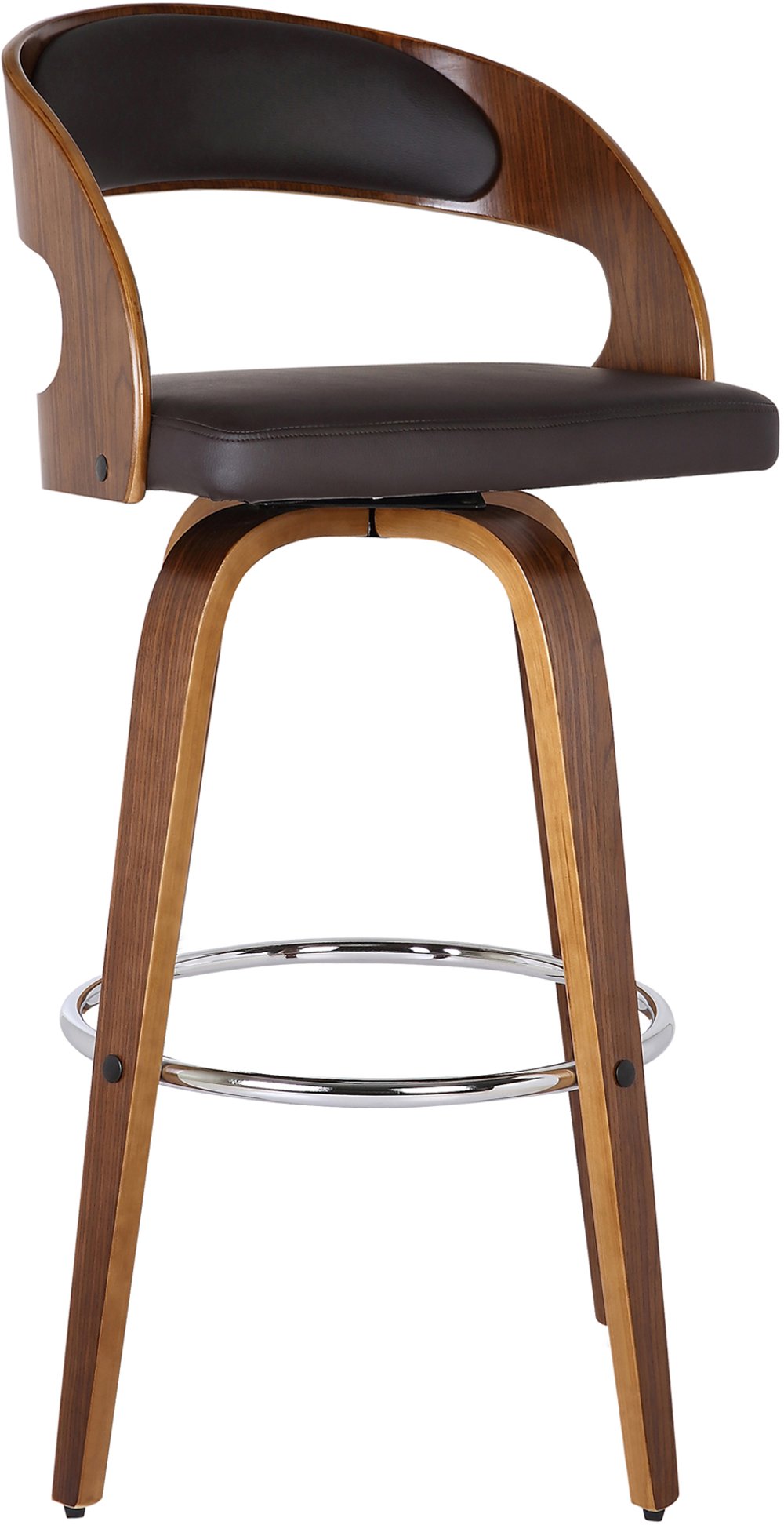
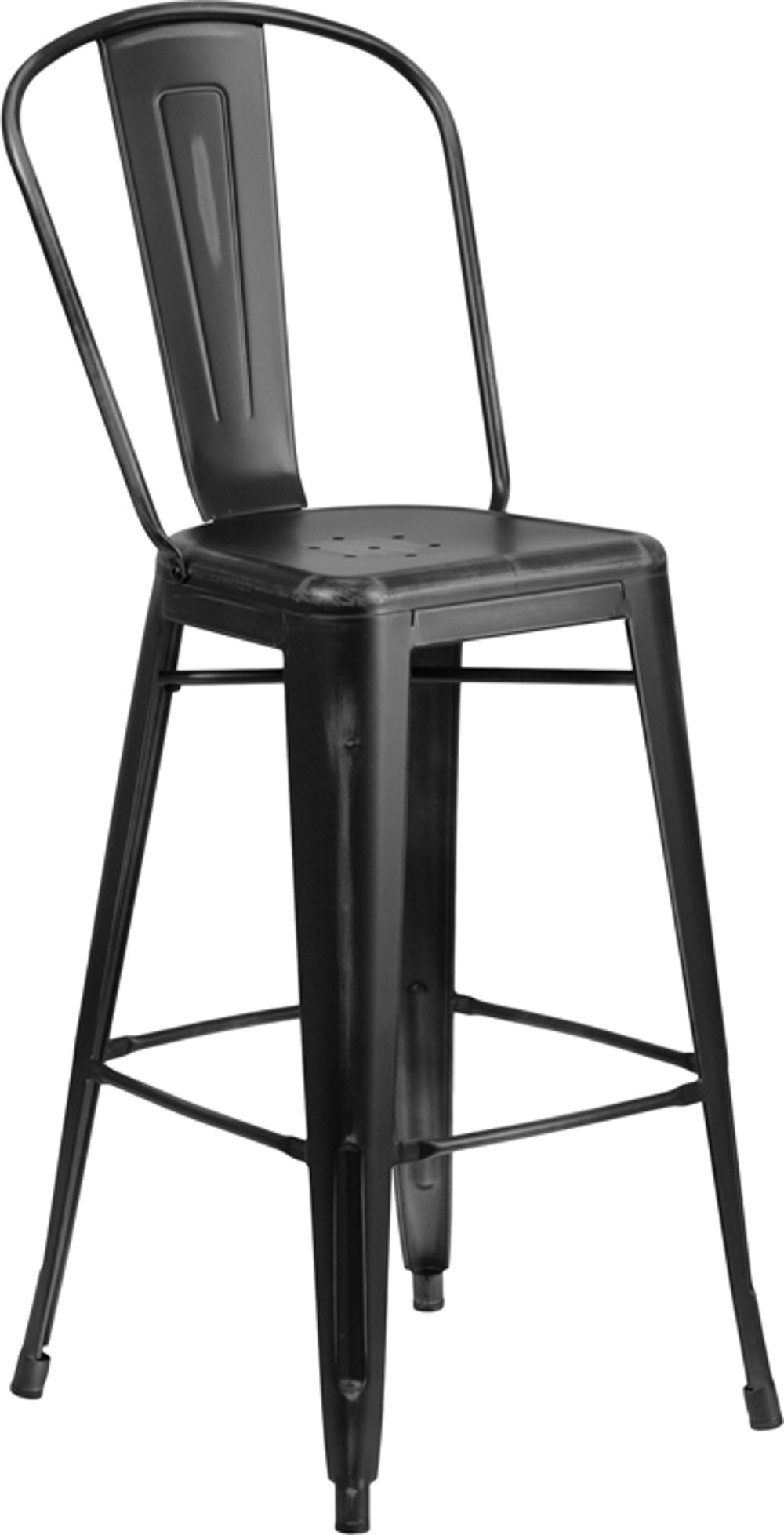
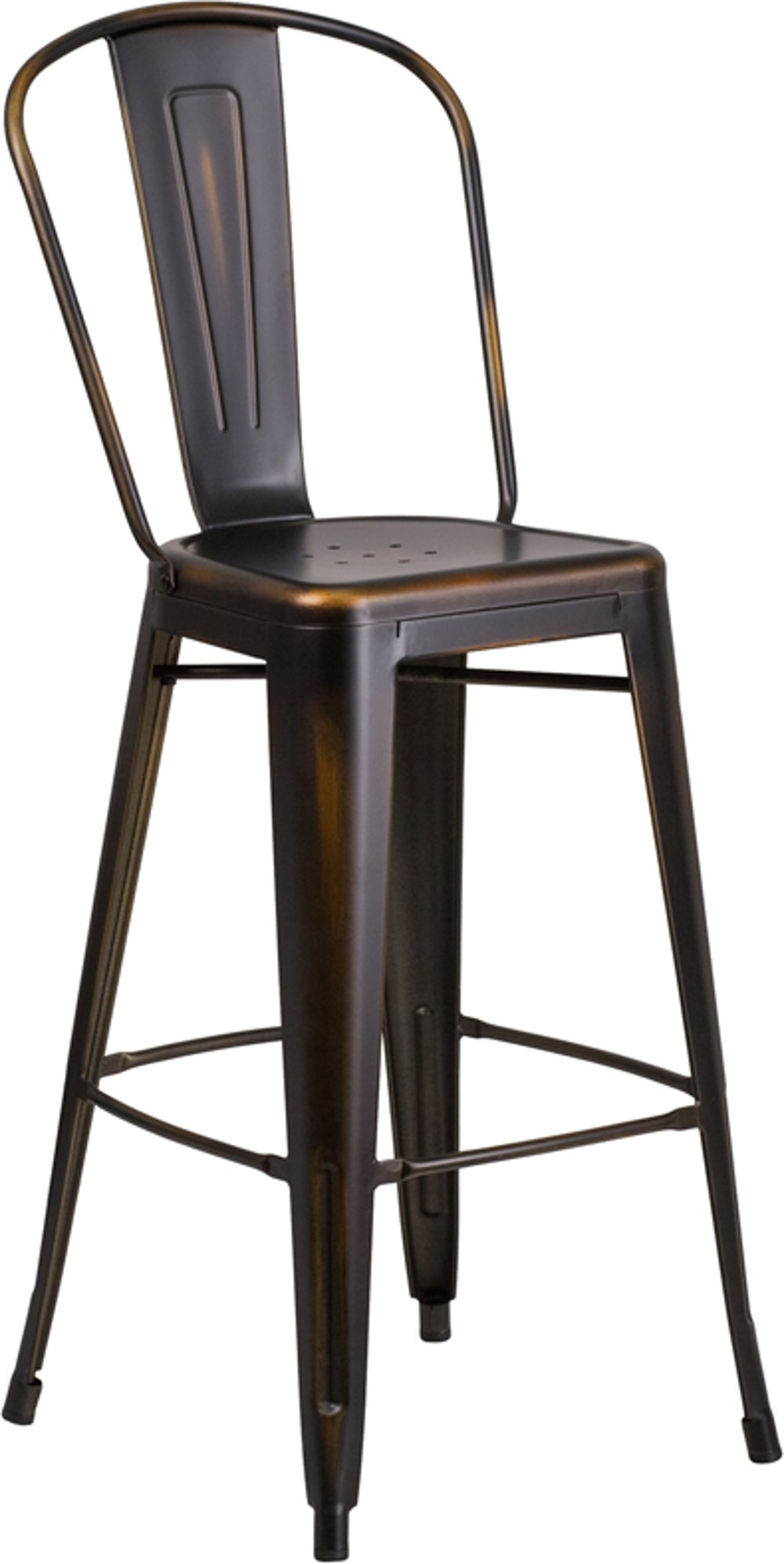
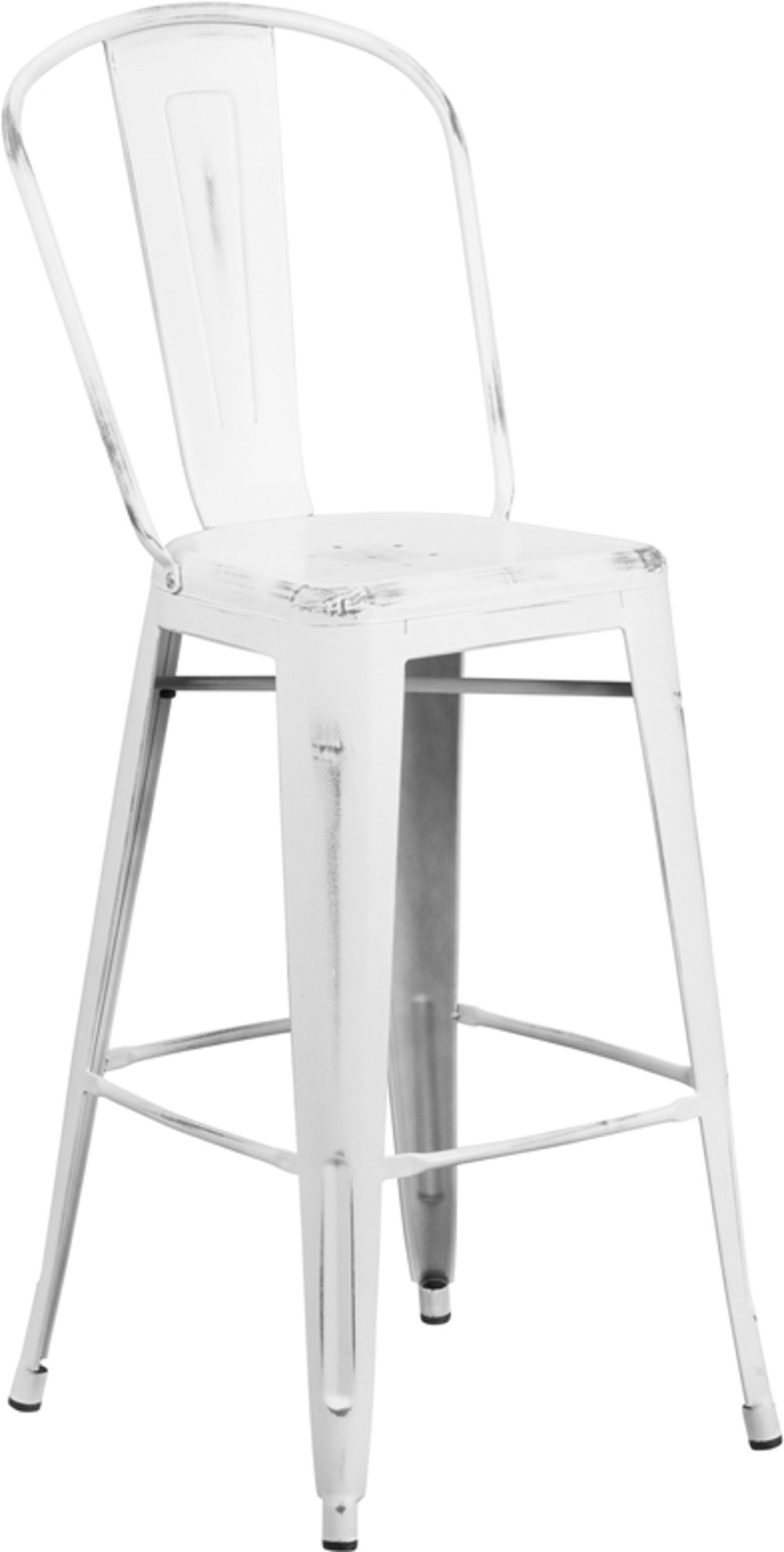
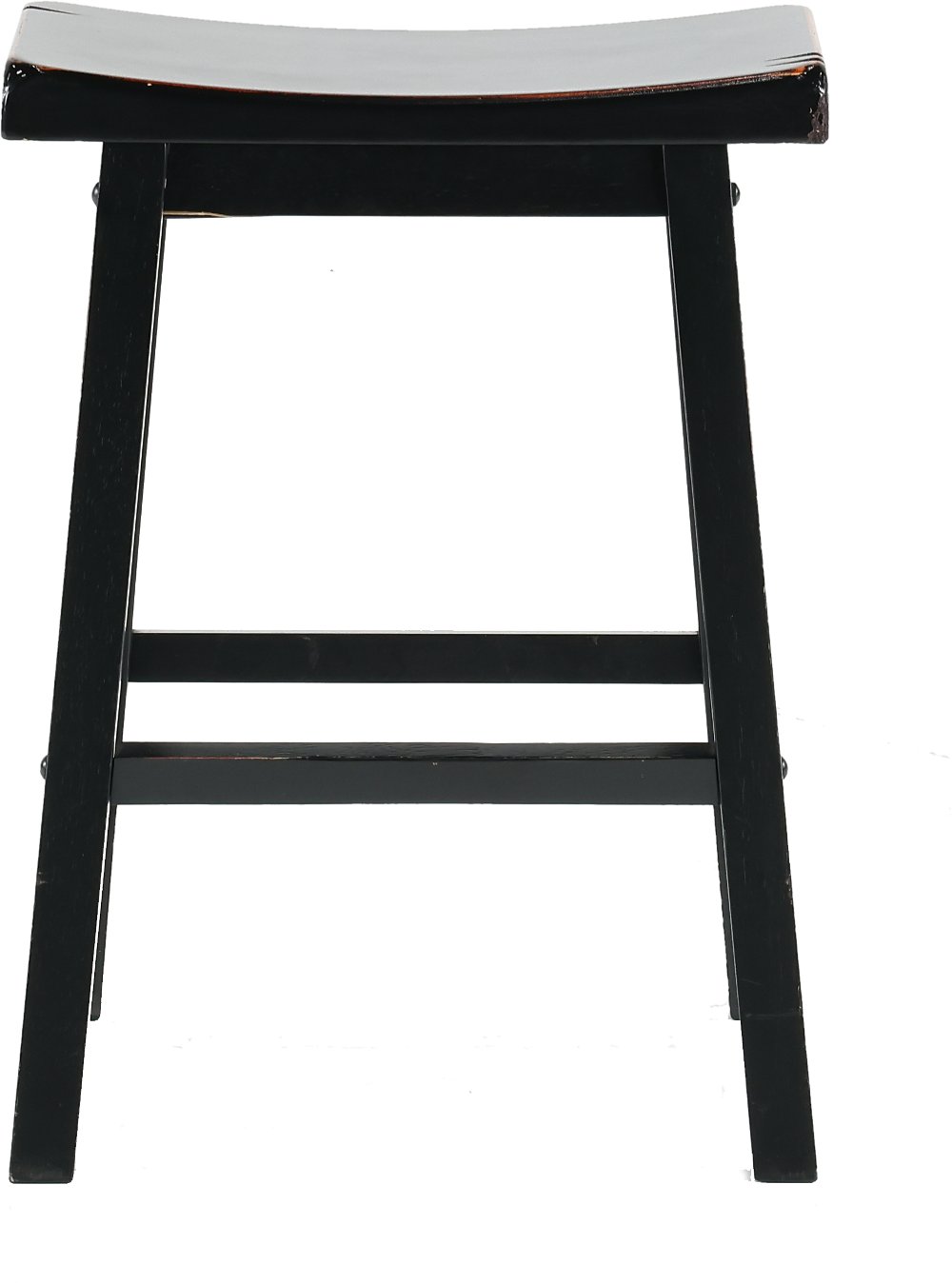
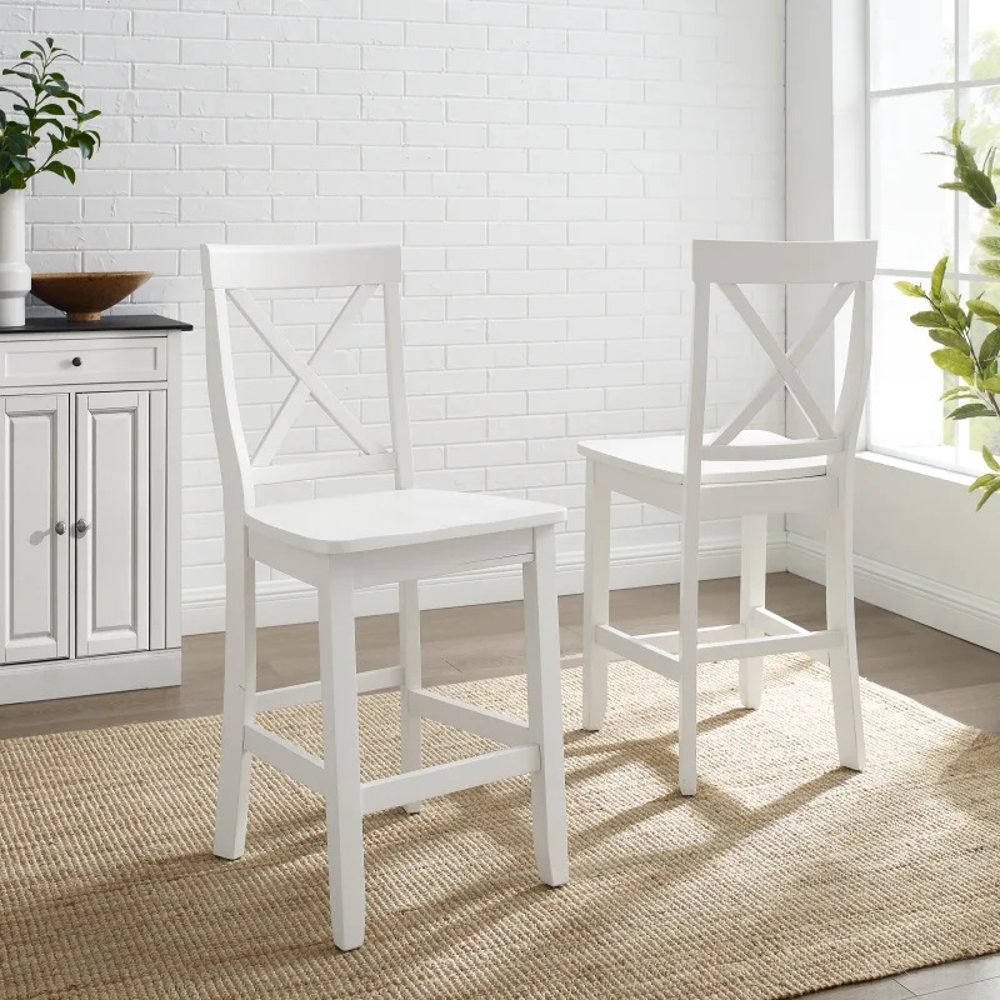
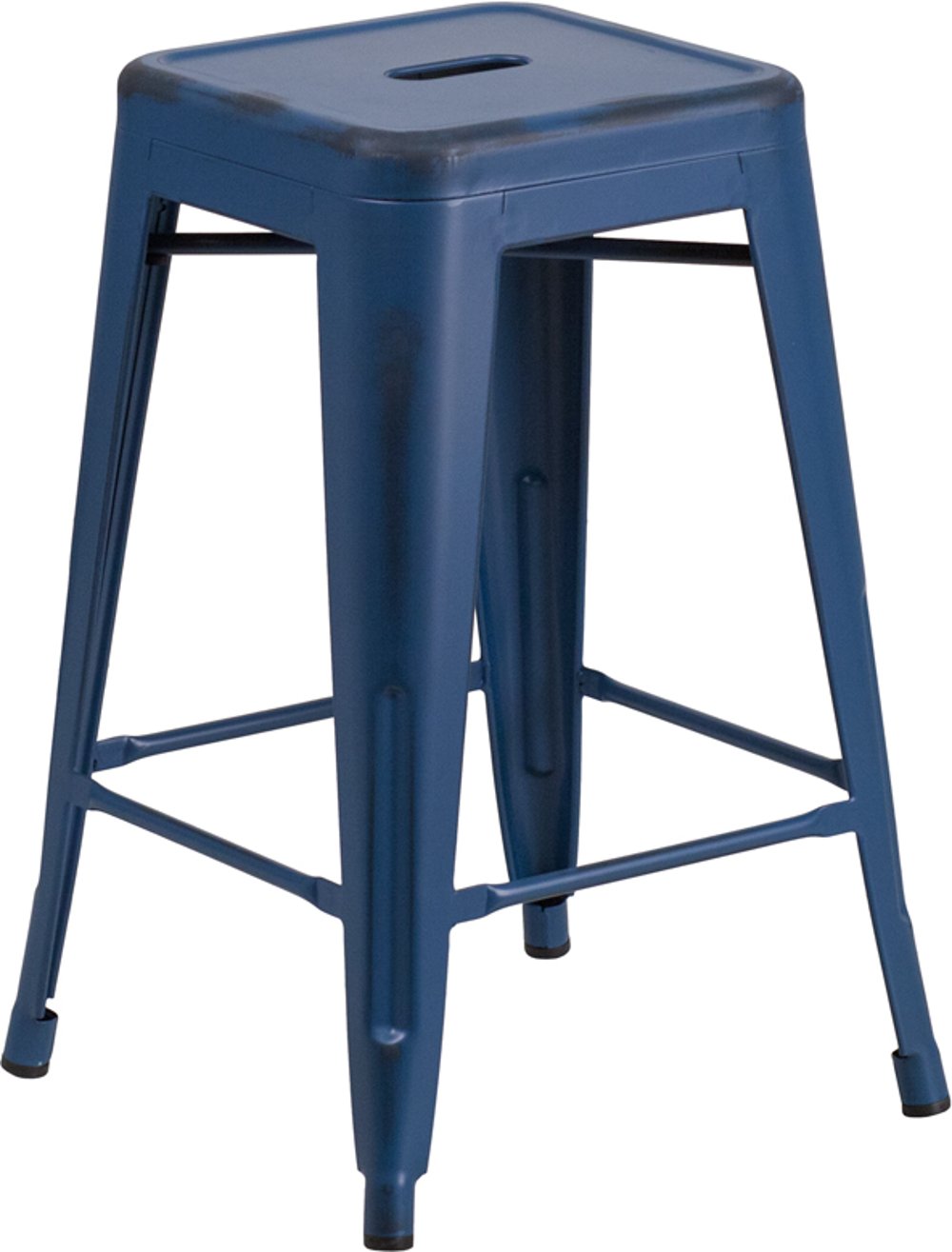
Green counter stools bring color and comfortable seating to kitchen islands, breakfast counters, and other counter-height gathering spots. Their appeal goes beyond a decorative accent: the right shade can connect painted cabinetry, wood floors, tile, and nearby living room furniture without making everything match. Sage green offers a softer look with white cabinets, pale oak, and warm neutral walls, while olive green feels grounded beside walnut, cream upholstery, and aged brass details. Emerald and forest green create a stronger focal point, especially against a light countertop or simple backsplash. The finish matters as much as the color. Green velvet catches the light differently across its surface, giving a seat depth and texture, while smooth upholstery or painted wood creates a more even appearance. In an open kitchen, stools are visible from several angles, so the shape of the back and the frame finish become part of the room’s overall design. Slim black metal legs can keep a richly colored seat feeling clean and modern; wood legs add warmth; brass-toned details provide contrast without requiring other gold-colored accents throughout the room. Mid-century shapes often combine tapered legs with curved seats, while simpler wood frames work comfortably in farmhouse or casual interiors. A green seat can also pick up a smaller accent elsewhere, such as a patterned rug, framed artwork, or a ceramic bowl on the counter. That connection helps the color feel intentional rather than isolated. For a lighter seating palette, White Counter Stools provide another direction, particularly when green already appears prominently in the cabinetry or walls. When comparing shades, consider the room’s lighting and surrounding finishes. A muted green may read gray beside cool stone but look warmer against natural wood. Upholstery swatches, when provided, can help clarify those differences before committing to a color. The goal is a seating area that feels connected to the home and welcoming enough for everyday use, from a quick breakfast to a relaxed conversation while dinner comes together.
Fit makes the difference between a stool that looks good at the island and one that feels comfortable through an entire meal. Green counter stools typically have seats about 24 to 26 inches high and suit counters around 35 to 36 inches tall. Bar-height stools are taller and generally belong at higher surfaces, so the two categories aren’t interchangeable. A gap of roughly 10 to 12 inches between the seat and the countertop usually provides comfortable legroom, though a thick apron or support beneath the counter can reduce usable space. Seat width matters, too. Allowing about 24 to 30 inches of counter frontage per person gives diners room for elbows, plates, and everyday movement; wider seats or armrests may need more. Picture someone pulling out a stool with a breakfast plate in hand, or turning to talk with someone at the stove. The stool needs enough room to move without bumping its neighbor or blocking a walkway. Backless designs tuck neatly beneath an overhang and preserve an open view across the kitchen, making them useful where floor space is tight or the counter doubles as a work surface. Stools with backs offer support for longer meals, homework, or a laptop session, and upholstered seats can make those extended stretches more comfortable. A low back keeps the silhouette lighter, while a taller back makes the seating more prominent. Arms add another point of support but should clear the underside of the counter if the stool needs to slide in. Swivel seats make it easier to turn toward a conversation without dragging the frame across the floor, although they need clearance around the seat’s turning path. A footrest is especially helpful because feet often won’t reach the floor at counter height. Its placement, along with seat depth and back shape, affects how naturally someone can sit. For a busy household, the best fit balances support, easy access, and enough open space for people to pass behind occupied seats.
Materials and construction help determine how green counter stools handle the rhythm of daily life. Upholstered fabric adds softness and a comfortable, finished look, but its weave and care requirements deserve attention in a kitchen where coffee, crumbs, and sauce are part of the routine. Velvet gives green shades a rich appearance, with a nap that can show changes in direction or pressure; gentle upkeep according to the upholstery instructions helps preserve its texture. Performance fabrics may offer added stain resistance, though that designation doesn’t make every spill harmless or every cleaning method appropriate. Faux leather often allows straightforward wiping and has a smooth surface that suits casual meals, but abrasive cleaners and harsh chemicals can damage its finish. Genuine leather has its own care needs and may develop visible character with use. Painted wood seats provide color without upholstery, making loose crumbs easy to remove, while woven seats introduce texture and may require more attention around the weave. Frame construction matters just as much as the seat covering. Solid wood can bring warmth and substantial support, while metal frames can achieve a slimmer profile; secure joints, a stable base, and an appropriate manufacturer-stated weight capacity are more useful indicators of suitability than appearance alone. Footrests receive repeated contact from shoes, so their finish and attachment deserve a close look. Protective glides suited to the flooring can help limit scratches when stools move across wood, tile, or other hard surfaces. For routine care, remove loose debris gently, blot spills promptly, and follow the manufacturer’s directions before applying any cleaner. Avoid soaking upholstery or leaving moisture on wood and metal components, and check fasteners periodically if the care instructions call for it. These practical details are particularly valuable for seats used several times a day. A compact kitchen may benefit from lightweight stools that tuck away easily, while an island used for meals and homework may call for supportive backs and easy-care upholstery. Green counter stools can make either setting feel more personal, bringing a considered touch of color to the place where snacks, conversations, and everyday routines naturally gather.
Read More