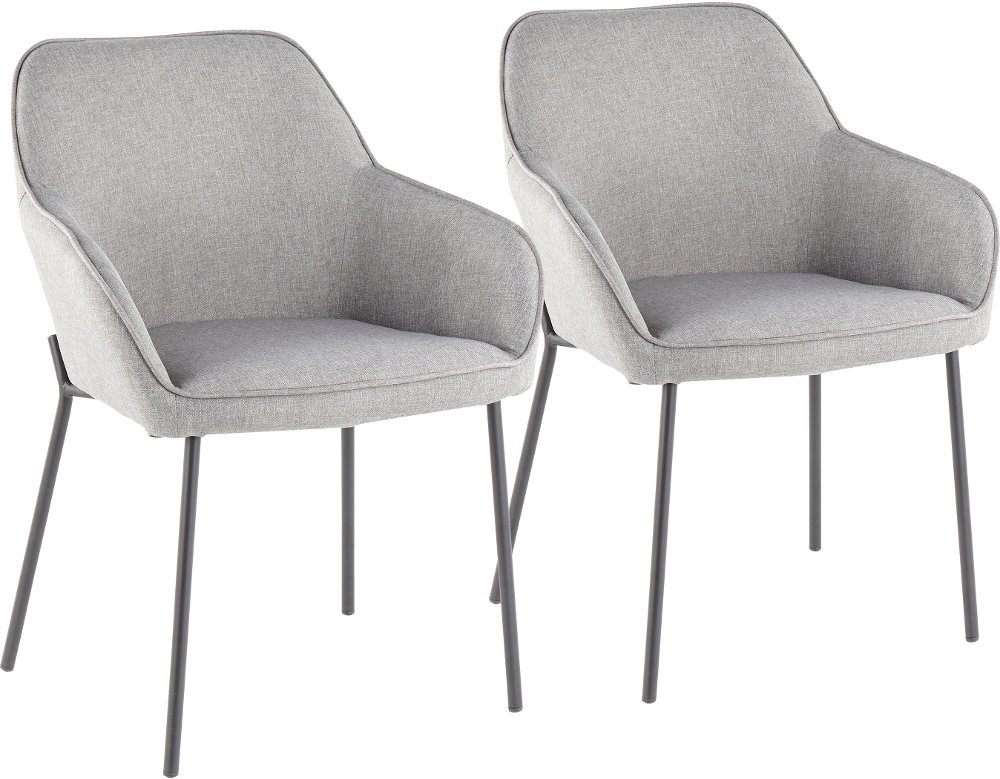
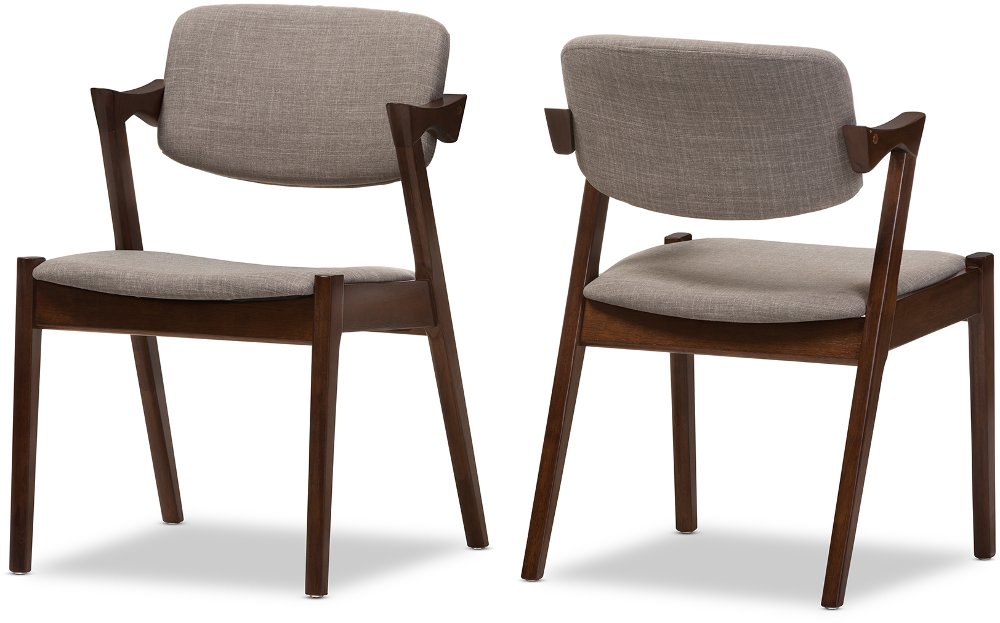
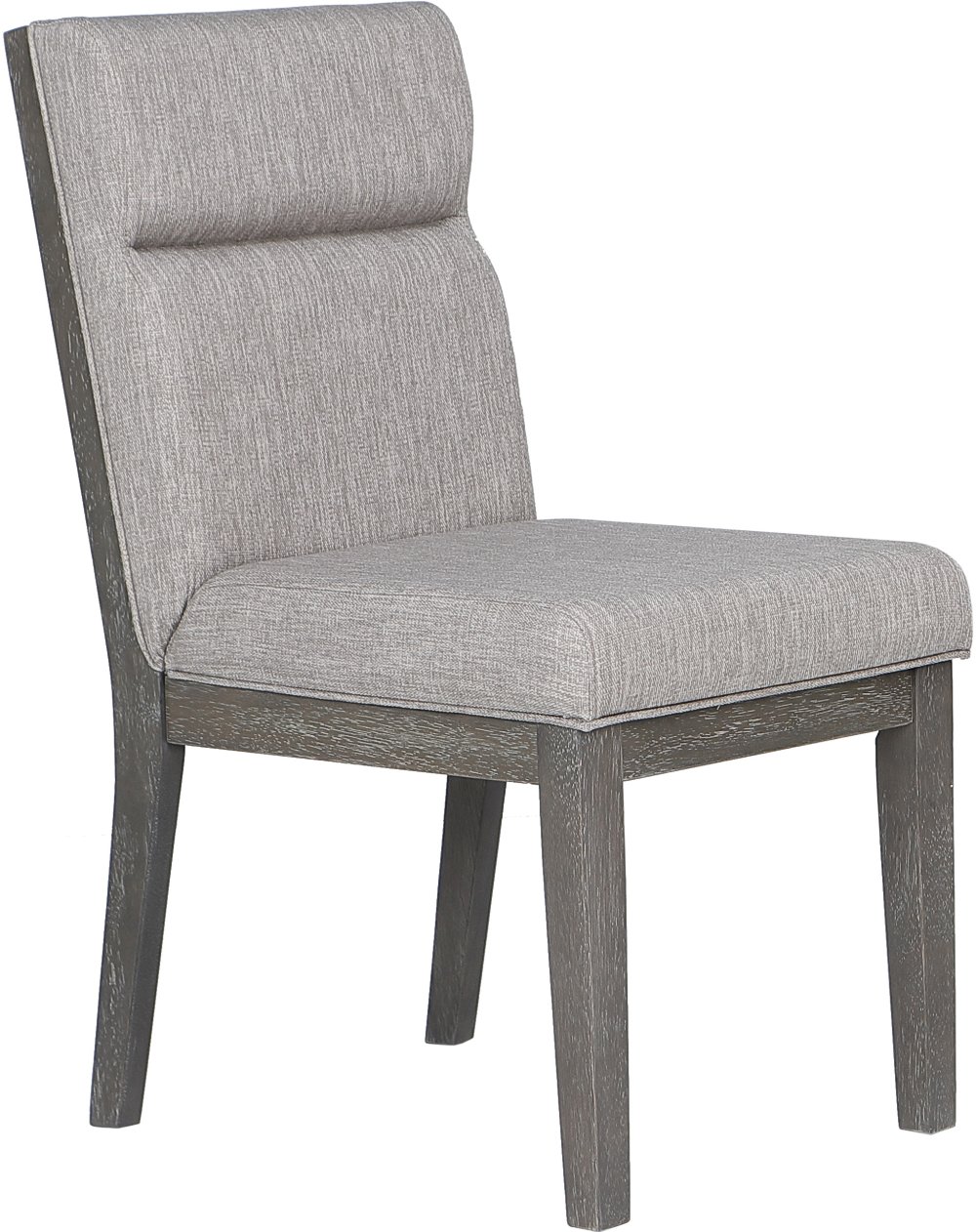
Gray dining chairs bring a versatile, easy-to-coordinate color to the place where meals, conversations, and everyday routines come together. A pale dove gray can soften the look of a dark wood table, while charcoal seating adds definition beside light oak, white finishes, or a glass tabletop. Between those ends of the spectrum, medium grays offer a balanced look that works with both colorful rooms and quieter neutral spaces. Undertones make a difference: gray with a hint of beige tends to feel comfortable alongside warm woods and cream walls, while cooler gray often complements black metal, crisp white, and blue accents. The material changes how the color reads, too. Woven upholstery introduces subtle variation and texture, velvet can appear lighter or darker as its pile catches the light, and a painted wood finish gives the shade a more uniform appearance. For a dining area connected to the living room, gray chairs can echo a sofa, rug, or accent chair without requiring an exact match. Repeating one detail, such as black legs or a warm wood finish, helps the spaces feel connected. Chair shape gives this adaptable color its personality. A slim frame with a gently curved back feels different from a tall, fully upholstered chair with tailored seams. Open-back designs leave more of the table and surrounding room visible, which can be especially welcome in a breakfast nook or compact apartment. Upholstered backs create a fuller silhouette and a softer-looking setting for longer meals. Matching chairs offer a consistent appearance, but a pair of armchairs at the ends of a rectangular table can add variety without making the arrangement feel busy. When mixing styles, similar seat heights and a shared finish or fabric tone help keep the combination intentional. The goal is seating that fits the way the room already works, whether that means casual dinners at a kitchen table, a separate dining room for gathering with friends, or a hardworking corner where meals share space with puzzles and paperwork.
Comfort starts with the relationship between the chair, the table, and the person sitting there. Before choosing gray dining room chairs, compare seat height with the underside of the table, including any apron or support rail that hangs below the top. For many standard-height dining tables, about 10 to 12 inches between the seat and tabletop provides a useful starting point, but the apron, cushion thickness, and individual needs can affect legroom. Counter-height tables need appropriately sized seating rather than standard dining chairs. Chair width matters just as much as height, especially when table legs limit where seats can go. Allow enough space for diners to move their elbows without bumping a neighboring chair, and check that end chairs fit comfortably between the table’s supports. Armrests deserve an extra measurement so they can slide under the table when not in use. Beyond the table itself, roughly 36 inches from its edge to a wall or nearby furniture is a common starting point for pulling chairs out; a walkway behind seated diners may need more. In a smaller room, armless chairs can make it easier to move in and out, while chairs with arms may suit someone who likes additional support during a leisurely meal. A supportive back, a seat with comfortable depth, and a front edge that doesn’t press sharply behind the knees all contribute to a better sitting experience. Cushioning varies from firm and structured to softer and more relaxed, so appearance alone won’t tell the full story. For a closer look at fabric-covered seating, gray upholstered dining chairs offer a focused starting point for comparing upholstered styles. Consider how often the chairs will move, too. Lightweight designs may be easier to pull out for a quick breakfast, while heavier frames can feel more substantial but take more effort to reposition. Families, frequent hosts, and people using the dining table for occasional laptop work may each prioritize a different balance of cushioning, support, and maneuverability.
Materials and construction help determine how well gray dining chairs handle daily use. Wood frames can bring warmth and visible grain to the room, while metal frames often create a slimmer outline with a more contemporary feel. Neither material alone guarantees durability; secure joints, a stable base, suitable weight capacity, and care appropriate to the finish all matter. Upholstery deserves the same attention. A tightly woven fabric may be practical for regular meals, though resistance to stains, abrasion, and snagging depends on the particular textile. Performance fabrics can offer helpful protection against everyday messes, but they still require the cleaning methods specified by the manufacturer. Textured gray fabric may make small crumbs or minor marks less noticeable, yet its color doesn’t make it stainproof. In a home with young children, look closely at seams, tufting, and other places where food can collect. Around pets, consider whether an open weave could catch claws and how easily hair can be removed. Leather and faux leather can provide a smoother surface, although their care requirements differ, and neither should be cleaned with a household product unless the care instructions allow it. For fabric seating, regular vacuuming with an upholstery attachment helps remove crumbs and dust before they settle into the weave. Blot spills promptly rather than rubbing them, and follow the cleaning code before applying water or a solvent-based cleaner. Wood and metal components also benefit from gentle cleaning suited to their finish, along with occasional checks for loose hardware where applicable. Floor protection is another small detail worth planning: appropriate chair pads or glides can reduce scraping, and keeping them clean helps prevent trapped grit from marking the floor. With attention to fit, finish, and maintenance, gray dining chairs can serve everything from a two-person breakfast spot to a table filled with guests. Their neutral color leaves room for patterned dishes, a favorite table runner, or a simple vase, while the right shape and construction keep the focus on sitting comfortably and enjoying the company.
Read More