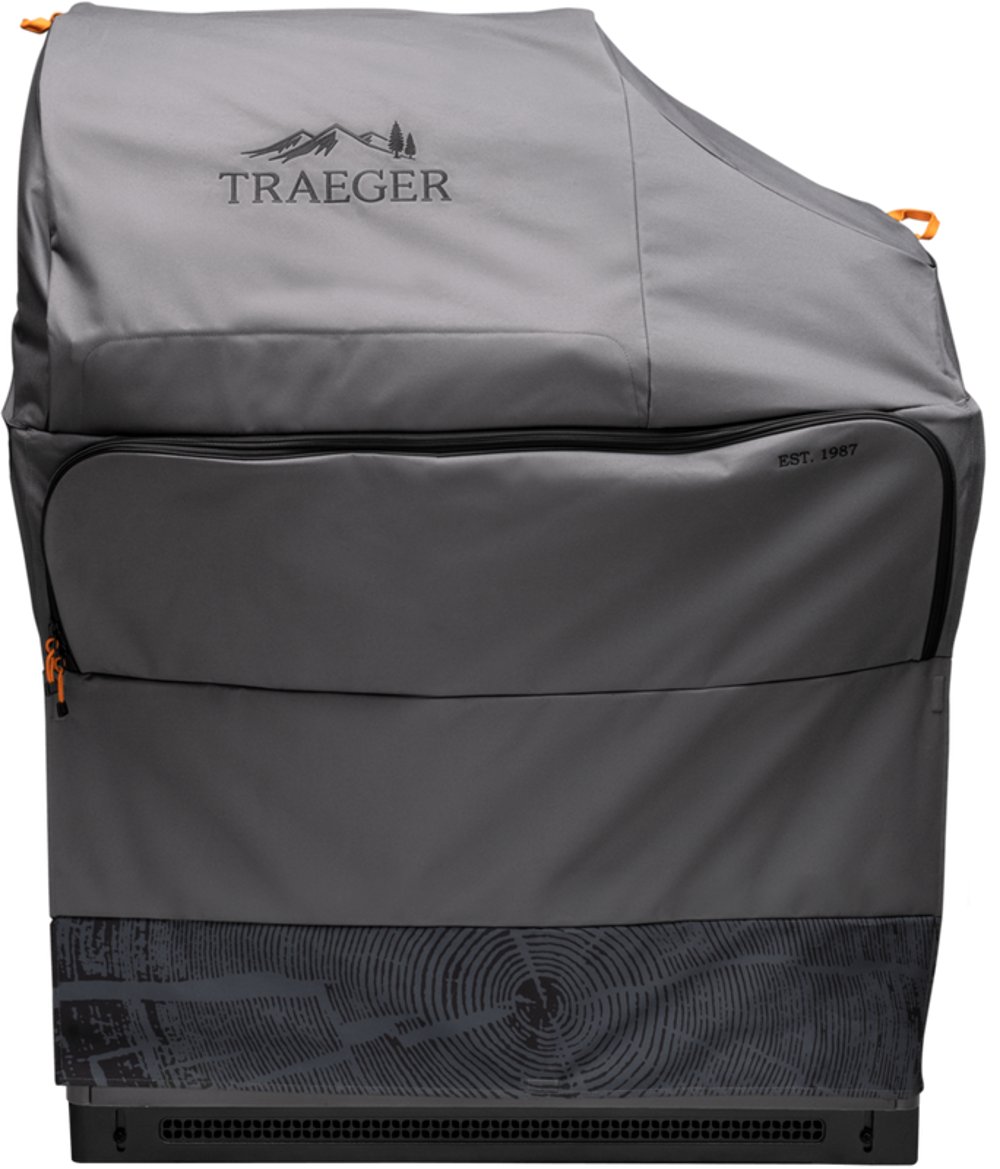
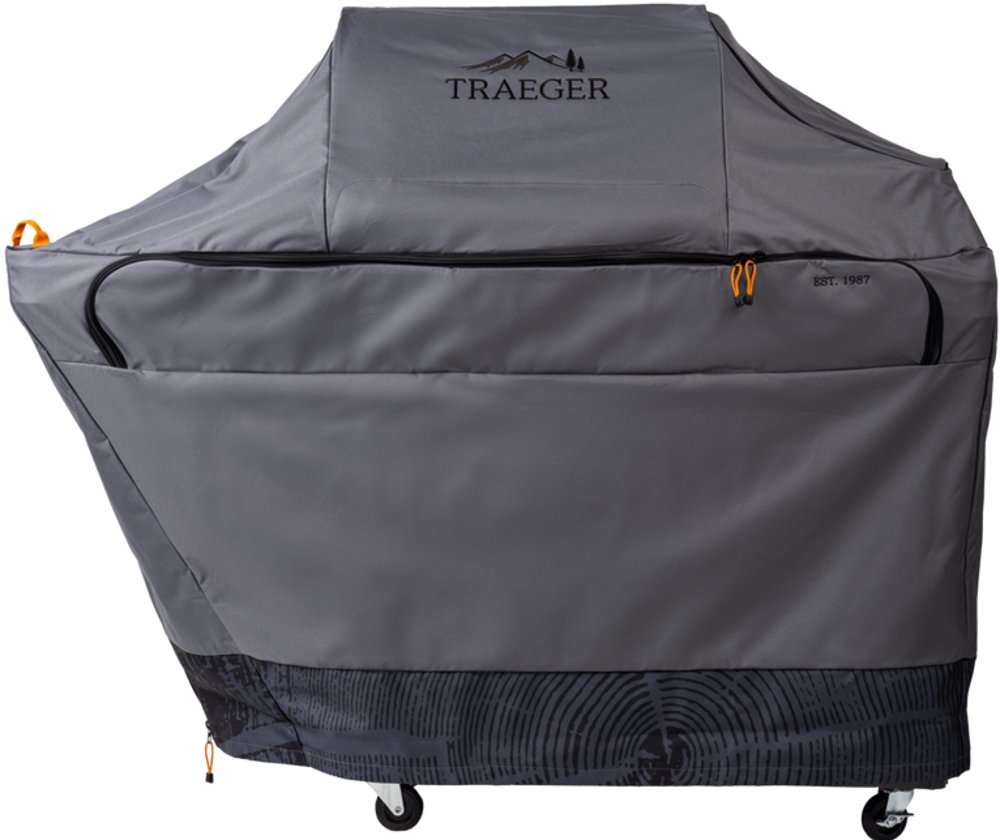
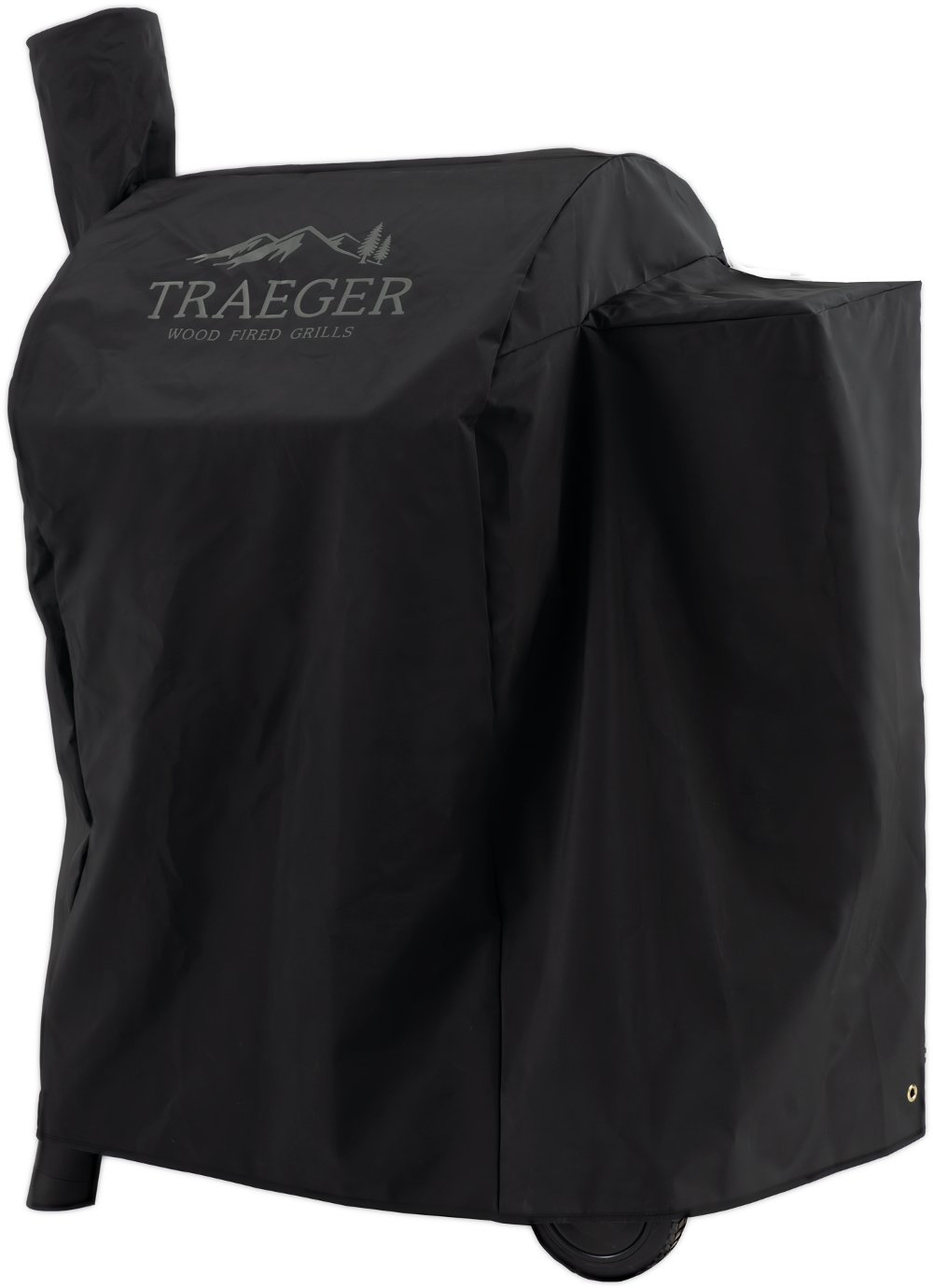
Grill protection products help shield outdoor cooking equipment and the area around it from rain, sunlight, dust, grease, and everyday wear. Grill covers protect the exterior of a grill between uses, while grill mats help catch drips and residue beneath the cooking area. Together with routine cleaning and proper storage, these accessories can make an outdoor cooking space easier to maintain. The right choice depends on the grill’s size, where it sits, and how often it gets used. A grill on an uncovered patio faces different conditions than one beneath a sheltered overhang, though both can collect windblown dirt and moisture. Covers made from woven polyester often combine a flexible fabric exterior with a backing or coating that helps resist water. Vinyl covers offer another option for shedding moisture, with flexibility and resistance to cracking depending on their construction and care. Fabric weight matters, but seams, reinforced corners, and attachment points also influence how well a cover holds up. Water-resistant and waterproof aren’t interchangeable descriptions; the fabric, seams, and closures all affect how much moisture can get through. UV-resistant materials can help limit deterioration from sun exposure, while vents can encourage airflow and reduce trapped condensation. Fit is just as important as fabric. A cover should accommodate the grill’s full width, depth, and height, including handles and side shelves in their normal storage position. An overly tight cover can strain at corners and catch on protruding parts, while excess fabric can flap in the wind or drag across a dirty patio. Adjustable straps, buckles, or drawcords help keep a properly sized cover in place without relying on a snug fit alone. For a freestanding gas grill, a compact charcoal cooker, or a larger pellet grill, a shape that follows the equipment’s outline generally makes covering and uncovering less awkward. Room for the lid handle, hopper, chimney, or attached work surfaces helps prevent pressure points that can wear through fabric over time.
Grill mats focus protection on the surface below the grill, where grease, sauce, and food scraps can leave stubborn marks. A splash of marinade or a drip from a grease tray is much easier to manage when it lands on a suitable, cleanable barrier rather than settling into a porous patio surface. These mats are intended for placement beneath outdoor cooking equipment, not on the cooking grate, and their materials and performance ratings deserve attention. Depending on their construction, grill mats may use rubber, flexible polymers, or layered materials designed to resist grease and tolerate specified levels of heat. Heat resistance doesn’t make a mat fireproof, and a mat shouldn’t be treated as a substitute for the grill manufacturer’s required clearance from combustible materials. Compatibility with the surface underneath matters, too. Wood decking, composite boards, painted concrete, and natural stone can react differently to prolonged contact with rubber or plastic, especially when moisture becomes trapped underneath. A mat labeled for the intended surface helps narrow the choice, while the flooring manufacturer’s care instructions provide another important check. Size affects everyday usefulness: a mat that covers only the grill’s footprint may leave the area beneath shelves or the grease collection point exposed. Extra coverage around likely drip areas can be helpful, provided the mat lies flat and stays clear of walking paths. A low-profile edge is less likely to catch a shoe when someone steps over to turn a burger or reach for a serving platter. For layouts that include grill carts, the protective area should account for where food prep, utensil storage, and cleanup actually happen. A mat also needs to work with the grill’s wheels and placement requirements rather than interfere with stable positioning. Protection is most useful when it suits the whole cooking setup, keeping the grill secure and the surrounding space comfortable to move through.
Durability also depends on how protective accessories fit into the routine after cooking. A cover belongs on a grill only after the equipment has fully cooled and any required shutdown steps are complete. Trapped heat can damage cover materials, and covering damp or dirty equipment can hold moisture and residue against the finish. A clean, dry exterior gives the cover a better starting point, especially around handles, seams, and ledges where debris tends to collect. Cover care varies by material, but many fabrics benefit from gentle cleaning with mild soap and water rather than harsh chemicals or abrasive scrubbing; the manufacturer’s instructions should determine the method. Letting a cleaned cover dry completely before folding it helps avoid storing moisture in its creases. A dedicated place to set it while cooking also keeps the inside from picking up grit that could rub against the grill later. Mats need similar attention underneath as well as on top. Removing grease promptly and periodically lifting the mat allows the underlying surface to be checked and cleaned as its manufacturer recommends. Covers and mats help reduce exposure and mess, but they don’t replace grill maintenance, safe operating clearances, or attention to worn parts. For someone who grills several nights a week, easy handling and straightforward cleanup may matter more than extra bulk. For a grill that sits unused for longer stretches, secure fasteners, dependable coverage, and good moisture management become especially valuable. These accessories can also make thoughtful gifts for a new homeowner, a frequent backyard host, or someone who has recently upgraded an outdoor cooking space. Knowing the grill’s dimensions and the patio material makes that gift more useful than choosing by appearance alone. With a suitable fit and materials matched to the setting, grill protection supports a simple goal: less time dealing with preventable dirt and stains, and an outdoor cooking area that’s easier to enjoy.
Read More