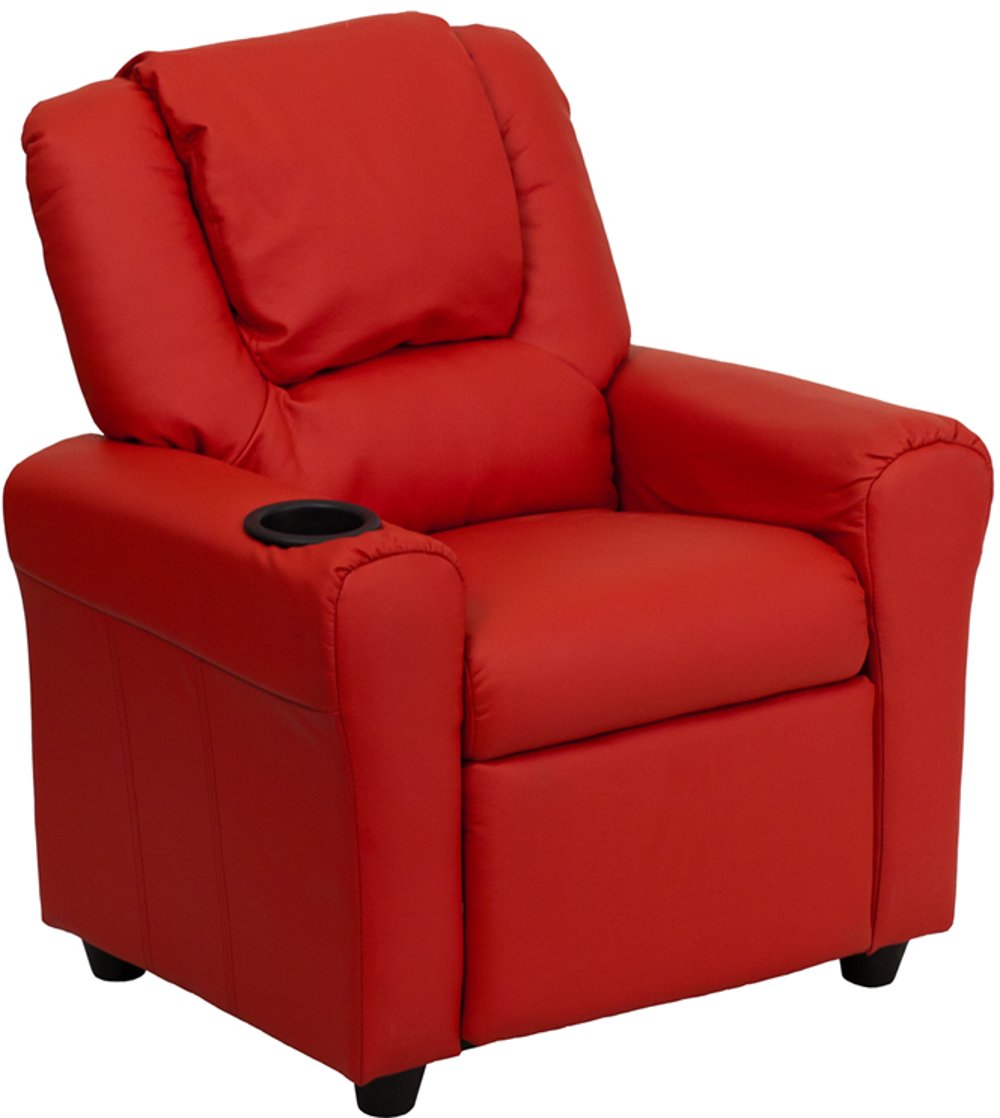
Headrest chairs add a place to rest your head and neck, whether you’re settling into a recliner, reading in a high-back accent chair, or taking a brief pause at your desk. The headrest may be built into the chair’s back, shaped as a separate padded cushion, or attached to an adjustable support. Those differences matter because a tall chair back doesn’t automatically provide the same fit as a headrest you can raise, lower, or tilt. A well-positioned headrest should meet the curve of your neck or support the back of your head without pushing your chin toward your chest. For everyday lounging, a gently cushioned design can make a favorite seat feel more inviting. For desk use, an adjustable headrest may be helpful during reclined breaks, while seat height, back support, and desk position remain important during focused work. Headrest chairs are complete seats designed with this support in mind; replacement headrests and add-on cushions are separate accessories with their own compatibility requirements. Model-specific attachments typically depend on designated mounting points, while clamp-on headrests need a chair frame with the right shape, thickness, and strength. Strap-on pillows attach differently and may shift depending on the chair’s upholstery and back profile. A product described as universal still needs to match the chair’s dimensions and construction, so check the manufacturer’s guidance before adding an accessory. For a new chair, consider how the headrest works with the entire seat rather than treating it as an isolated feature. A generous head cushion won’t make up for a seat that’s too deep or armrests that lift your shoulders. The most useful combination gives your body room to settle naturally, supports the activities you enjoy, and fits the space where you’ll actually use it. That might mean a supportive office chair for shared workdays, an upholstered lounge chair beside a reading lamp, or a reclining chair positioned for a clear view of the television.
Fit becomes especially important when more than one person uses the same chair. A fixed headrest that feels comfortable for a taller adult may sit too high for someone with a shorter torso, while adjustable height and tilt can accommodate a wider range of seated positions. Some designs also allow the headrest to move forward or backward, helping it meet your head without requiring you to lean away from the back cushion. When comparing dimensions, look beyond overall chair height to seat depth, seat height, back height, and the headrest’s adjustment range when provided. With your back comfortably supported, your feet should rest on the floor during upright sitting, or on the footrest when the chair is designed for reclining. Your shoulders should feel relaxed, and the front edge of the seat shouldn’t press firmly behind your knees. Try the positions you expect to use: sitting upright with a book, leaning back to watch a movie, and reaching for the controls without twisting. In reclining designs, an independently adjustable headrest can change your viewing angle without requiring the entire backrest to return upright. Power Headrest Recliners use powered adjustment to reposition the headrest; check individual specifications to understand how that movement works alongside the chair’s other reclining functions. Manual designs may use a ratcheting mechanism or a cushion that adjusts by hand, so the ease of making small changes deserves attention too. Room fit matters just as much as body fit. Measure the chair’s footprint and its fully reclined dimensions, then account for the manufacturer’s required clearance behind and in front of it. Leave a comfortable path around nearby tables, and keep frequently used items within easy reach. A swivel base needs room to turn without bumping surrounding furniture. Powered chairs also need access to an appropriate outlet, with cords routed away from walking paths and moving components. These practical details help a headrest chair become a comfortable part of the room rather than a seat that’s awkward to use.
Materials influence how a headrest chair feels, how it looks alongside other furniture, and how much attention it needs over time. Upholstered fabric offers a broad range of textures, from smooth, tightly woven surfaces to softer, more textured finishes. A close weave may be easier to maintain in a busy family room than a fabric with loops that can catch on pet claws, though actual performance depends on the textile. Performance upholstery can offer useful stain resistance, but the term doesn’t mean every spill will wipe away or that every cleaner is safe. Leather develops character with use and needs care appropriate to its finish; avoid assuming that genuine leather, bonded leather, and synthetic leather have the same composition or maintenance requirements. Mesh headrests are common on office-style seating and provide an open surface with less cushioning, while padded headrests offer a softer point of contact. Cushion firmness is personal: plush padding can feel welcoming at first touch, while firmer foam may provide a steadier resting surface. Pay attention to how the cushion holds your head after several minutes, not just how it feels when pressed by hand. For durability, consider the chair’s stated weight capacity, frame construction, upholstery specifications, and adjustment mechanisms together. A headrest should remain in its selected position during normal use, and moving parts should operate as intended without forcing them. Follow the manufacturer’s cleaning instructions, vacuum fabric seams with an appropriate attachment, and address spills promptly using the recommended method. Headrests have frequent contact with hair and skin, making routine care especially worthwhile. Removable covers can simplify upkeep when the care label allows washing, but a removable cushion isn’t necessarily washable. Keep hands, cords, and loose blankets clear of reclining mechanisms, and never use the headrest as a handle for moving the chair. Whether the seat is for a dedicated reading corner, a home office, or someone who loves a long movie night, choosing around the user’s proportions and daily habits gives comfort a better foundation than appearance alone.
Read More