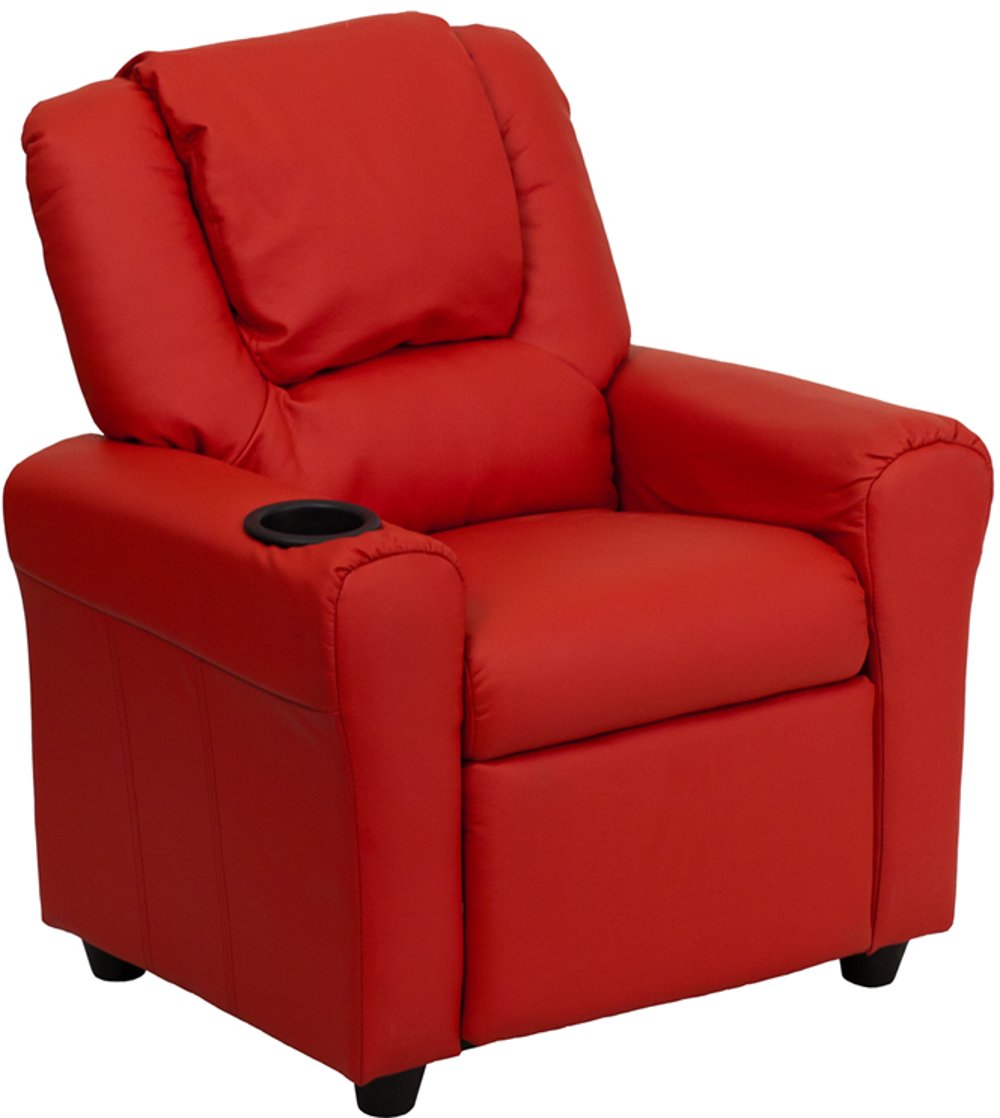
Power headrest recliners combine powered reclining with motorized head-and-neck support, so you can adjust your upper-body position as you settle back. Rather than keeping the headrest at one fixed angle, these chairs let you tilt it to suit the way you’re sitting. Independent headrest adjustment is especially useful when your feet are up but you still want a clear view of the television or a comfortable angle for reading. You can lean back for a movie, bring your head slightly forward for the screen, then change the position when it’s time to close your eyes. The headrest and reclining functions often have separate controls, although the number of motors and adjustment options varies by design. A power headrest is also different from a power lumbar feature: the headrest adjusts support near your head and neck, while lumbar adjustment changes support around your lower back. Some recliners combine both, giving you more ways to fine-tune your seat. For people who share a favorite chair, that flexibility makes it easier to move between different preferences without stacking pillows behind the head. Comfort still depends on the whole chair, not just the headrest. Seat depth, cushion firmness, back height, and arm placement all affect how naturally you settle in. Your shoulders should feel supported, and the headrest should meet your head at a useful height rather than pressing against the wrong part of your neck. A taller sitter may appreciate a higher back and longer footrest, while someone with a smaller frame may feel more at ease in a shallower seat. When the proportions fit, a power reclining chair can become a welcoming spot for an evening show, a chapter of a book, or a quiet conversation with your feet elevated. Smooth adjustments make small position changes possible without giving up the relaxed posture you’ve already found.
Upholstery shapes both the look of a power headrest recliner and the way it feels during everyday use. Leather brings natural character, with grain patterns and surface variations that can make a chair feel distinct. Different leather finishes have different care needs and levels of resistance to marks, so the upholstery description matters as much as the color. Some leather-upholstered furniture uses leather on the main seating surfaces and a matching material elsewhere; checking that construction detail helps set clear expectations. Faux leather offers a leather-like appearance with its own texture and care requirements, but it shouldn’t be treated as interchangeable with genuine leather. Soft woven fabrics create a different feel, from smooth, tightly woven surfaces to more textured upholstery that adds depth to a room. Performance fabrics may offer specific stain-resistance or cleaning benefits, depending on their construction and treatment. No upholstery is completely protected from spills, pet claws, or everyday friction. In a busy family room, a tighter weave and a forgiving color can be practical considerations; in a quieter reading corner, texture and softness may carry more weight. Tailored seams, slim arms, and a streamlined base can help powered seating blend with contemporary furniture, while fuller arms and generously padded backs create a more relaxed profile. The chair doesn’t need to match every piece in the room, but repeating a color, texture, or shape can help it feel connected to the sofa and accent tables. Regular care helps preserve that finished look. Dust and crumbs tend to collect along seams and around the seat, making gentle vacuuming with an appropriate attachment useful when the manufacturer permits it. Blot spills promptly, follow the upholstery’s cleaning instructions, and use only recommended cleaners or conditioners. Direct sunlight can fade some fabrics and affect leather finishes over time. Keeping sharp objects and rough hardware away from the upholstery also helps reduce avoidable scratches and snags.
The right fit includes the room around the recliner as well as the person sitting in it. A chair that looks compact while upright may need considerably more space once its back lowers and its footrest extends. Overall width, fully reclined length, rear clearance, and the path through a doorway all matter, especially in an established living room. Wall-hugger or wall-saver mechanisms can reduce the space needed behind the chair by moving the seat forward as it reclines, but required clearance varies by design. There’s no single wall-distance measurement that applies to every power headrest recliner. A nearby coffee table, side table, or walkway also needs enough breathing room for the chair to move freely. Power placement deserves the same attention: an accessible outlet and a cord routed away from foot traffic make daily use simpler. Charging ports, memory settings, home buttons, cup holders, and storage compartments are possible conveniences, not standard features across all powered recliners. A USB port can keep a compatible device close during a long film, while a return-to-home control can simplify resetting the chair after use. Controls should be easy to reach and understand from a seated position. Power reclining also doesn’t necessarily include a lift function, which is a separate feature designed to assist with moving toward a standing position. Power headrest recliners are part of the broader category of Headrest Chairs, with powered adjustment offering added flexibility for everyday lounging. For lasting use, frame construction, suspension, cushion resilience, and the reclining mechanism deserve attention alongside upholstery. Respecting the stated weight capacity and keeping children, pets, cords, and loose objects clear of moving parts supports safe operation. A well-chosen recliner balances those practical details with the reason for bringing it home: a supportive place to unwind that suits your body, your room, and the way you spend your downtime.
Read More