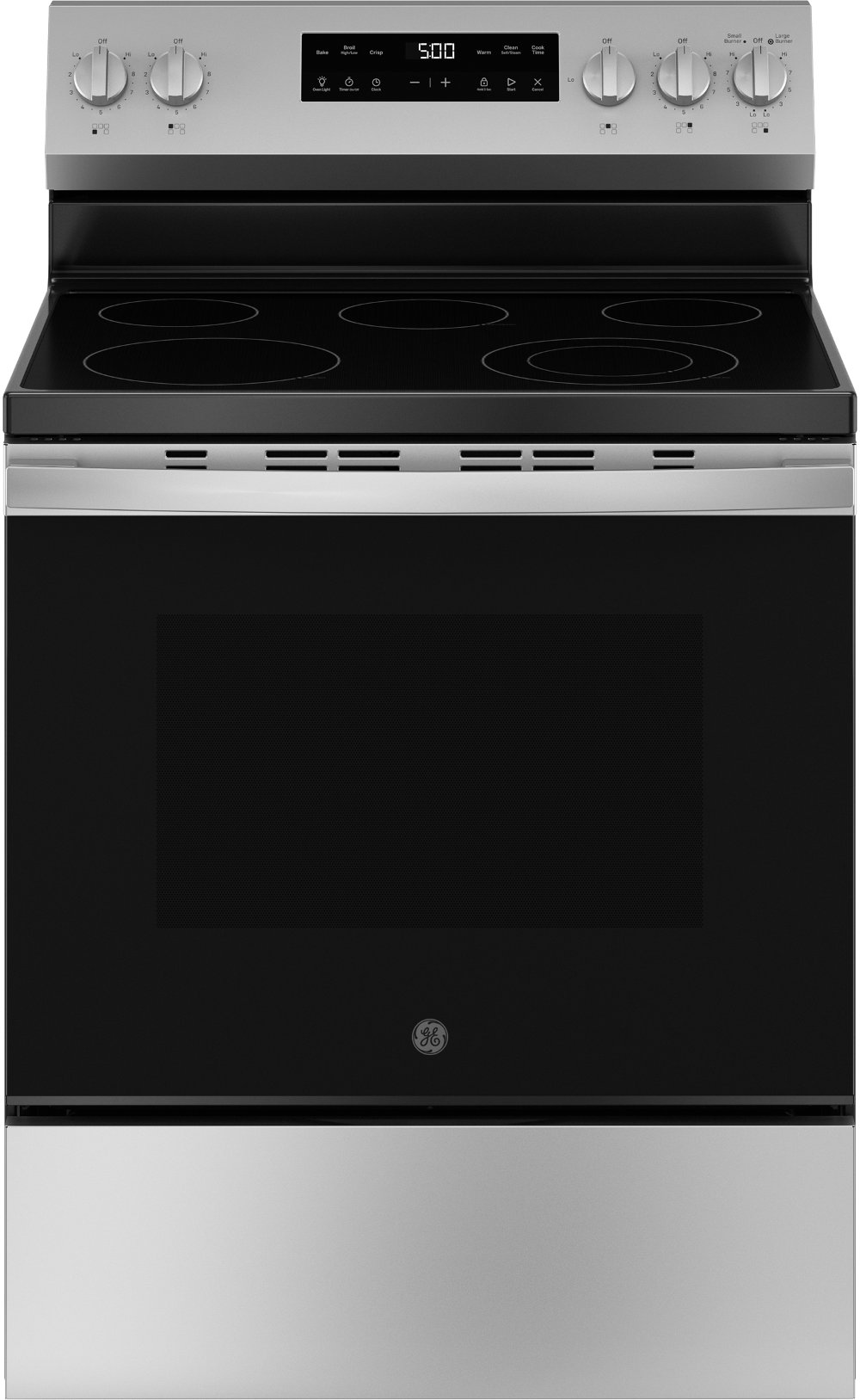
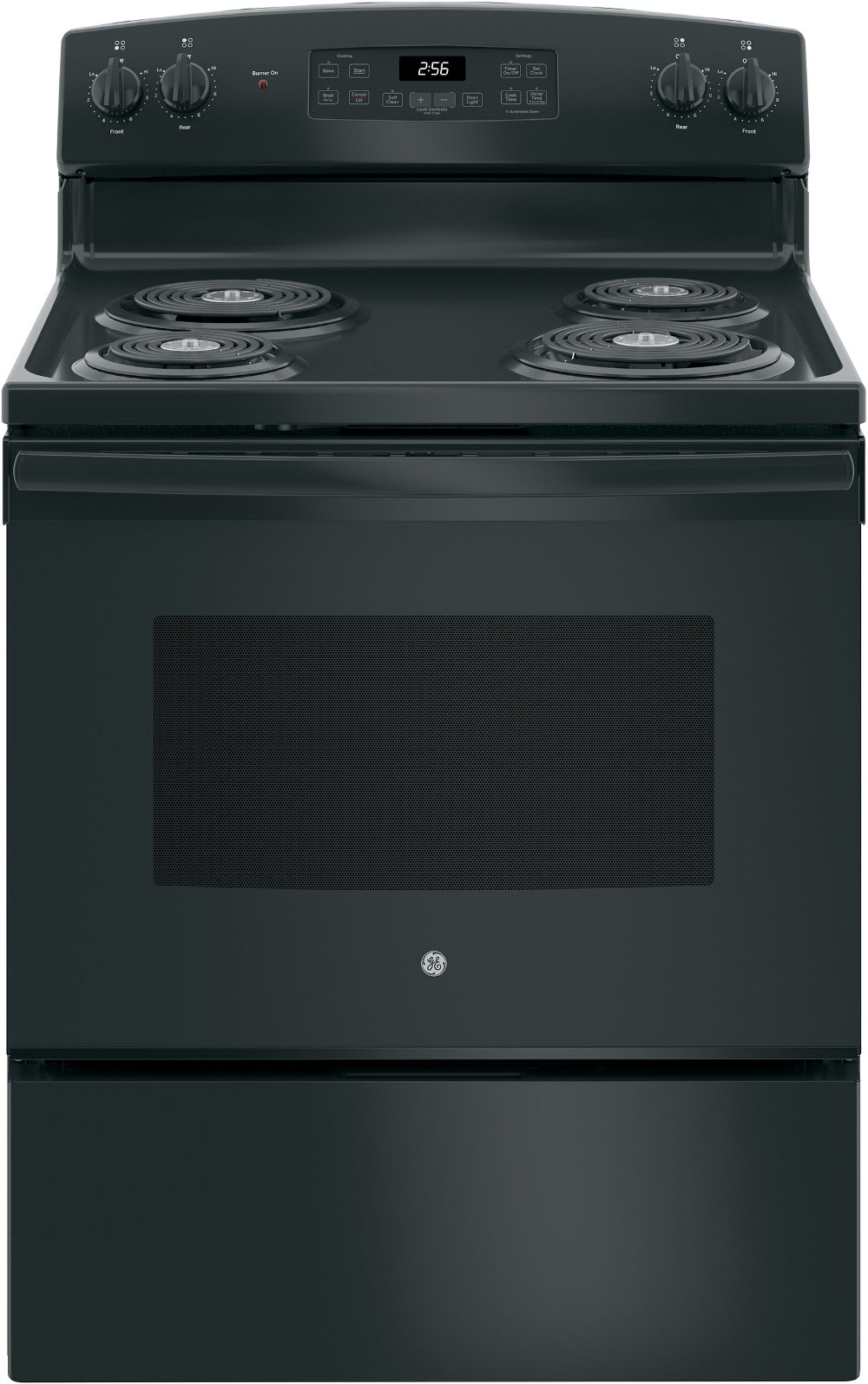
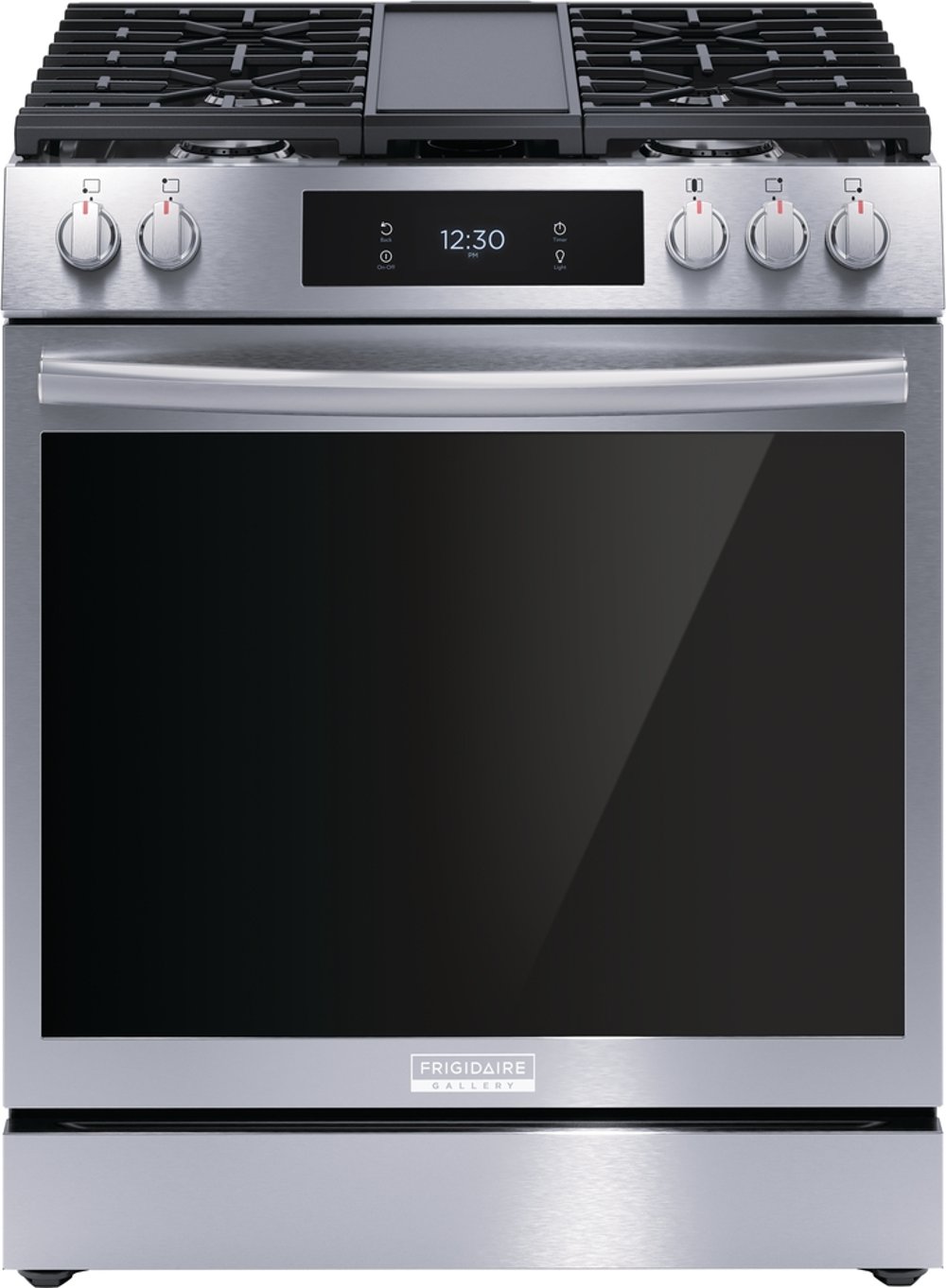
High-end kitchen ranges combine a cooktop and oven in one appliance, pairing responsive heat control, substantial construction, and refined finishes with features that support everyday cooking and more ambitious meals. Their appeal goes beyond a professional-looking kitchen: a steady simmer keeps a delicate sauce from scorching, a spacious cooking surface gives a stockpot room beside a skillet, and well-designed oven racks make a heavy roasting pan easier to handle. Luxury kitchen ranges typically fall into three main fuel categories: all-gas, electric, and dual-fuel. All-gas ranges use gas for both the burners and oven, giving cooks the familiar visual feedback of an open flame on the cooktop. Electric ranges may have a radiant cooking surface or an induction cooktop, which uses electromagnetic energy to heat compatible cookware directly. Dual-fuel ranges pair gas burners with an electric oven, an appealing combination for households that enjoy flame cooking on top and electric baking below. No single fuel type suits every kitchen; the right match depends on your cooking habits, cookware, and home’s utility connections. Someone who regularly sears steaks and finishes them in the oven may value strong surface heat and accessible oven controls, while a frequent baker may pay closer attention to convection settings, rack positions, and usable baking space. Induction can suit cooks who want quick temperature adjustments and a smooth surface that’s easy to wipe down once it has cooled. For a broader look at configurations and cooking styles, explore Kitchen Cooking Ranges alongside this high-end category. The most useful premium features are the ones that make your usual meals feel less demanding, whether that means oatmeal before school, several pans going at dinnertime, or a slow braise during the cooler months. A thoughtfully chosen range should feel comfortable on an ordinary evening, not just impressive when company arrives.
Cooking performance comes from the way a range manages heat, space, and control, rather than from a single power rating. On a gas cooktop, higher burner output can help with boiling large pots of water or heating substantial cookware, but gentle low-heat performance matters just as much for melting butter or keeping soup warm. Burner spacing also deserves attention: a cooktop with several burners may still feel crowded when a wide sauté pan sits next to a Dutch oven. Continuous grates, when included, provide a more consistent support surface for repositioning cookware, although heavy pots still need careful handling. Induction cooking offers a different experience, with responsive power changes and heat generated in the pan itself. It requires cookware with a magnetic base, and the cooking surface can remain hot from contact with the pan after use. For either fuel type, controls that are easy to read and adjust help keep attention on the food. Inside the oven, convection circulates heated air and can support more even browning, although results still depend on the recipe, pan placement, and the oven’s particular design. Some high-end ranges add dedicated convection elements, temperature probes, steam-assisted functions, or specialized baking modes. These features vary by configuration, so the details matter more than a broad “professional-style” description. A temperature probe can help track the internal temperature of a roast, while smooth-gliding racks can make checking a bubbling casserole more comfortable. Larger configurations may include two oven cavities, allowing different dishes to cook at separate temperatures. That flexibility is helpful when bread needs one setting and a main course needs another, though each cavity’s dimensions should accommodate the pans you actually use. Integrated griddles can create a convenient space for pancakes or sandwiches, but they also take up cooktop space and add another surface to maintain. Connected controls and assisted cooking settings may offer added convenience, but clear everyday operation remains important. A range earns its place in a busy kitchen through repeatable results and features that fit the way your household cooks.
Fit, materials, and care shape how well a high-end range works in your home over time. Common nominal widths include 30, 36, and 48 inches, with some larger designs extending to 60 inches; the required opening and installation clearances depend on the appliance. Width alone doesn’t tell the whole story. Overall depth, handle projection, oven-door swing, counter height, and the path through doorways all affect installation and daily use. A wider range can provide more cooking room, but it also needs an appropriately planned kitchen layout and ventilation system. Gas, electric, and dual-fuel designs have different connection requirements, and a change in fuel type may require qualified electrical or gas work. Ventilation should follow the range manufacturer’s requirements and local codes, including any applicable makeup-air provisions. Proper installation also includes the specified anti-tip protection, an important detail even with a heavy appliance. On the outside, stainless steel brings a clean, versatile look that complements many cabinet styles, while enamel finishes can add color and a more furniture-like presence. Substantial grates, sturdy knobs, well-supported racks, and smoothly operating hinges contribute to a solid feel, but durability also depends on correct use, regular cleaning, and access to appropriate service. Stainless steel generally benefits from a soft cloth and a compatible cleaner used with the grain; abrasive pads can damage the finish. Enamel, glass, burner components, and oven interiors each need care suited to their materials. Following the manufacturer’s cleaning instructions helps protect coatings, seals, and electronic controls, especially when using a self-cleaning cycle or cleaning around burner openings. Removable components and accessible surfaces can make routine upkeep easier after a splattered sauce or a busy weekend of cooking. For enthusiastic home cooks, frequent hosts, and households preparing several meals a day, premium kitchen ranges offer a combination of practical capacity and thoughtful design. Their lasting appeal lies in that balance: a kitchen centerpiece with the strength for a full dinner spread and the precision for the small tasks that make a meal come together.
Read More