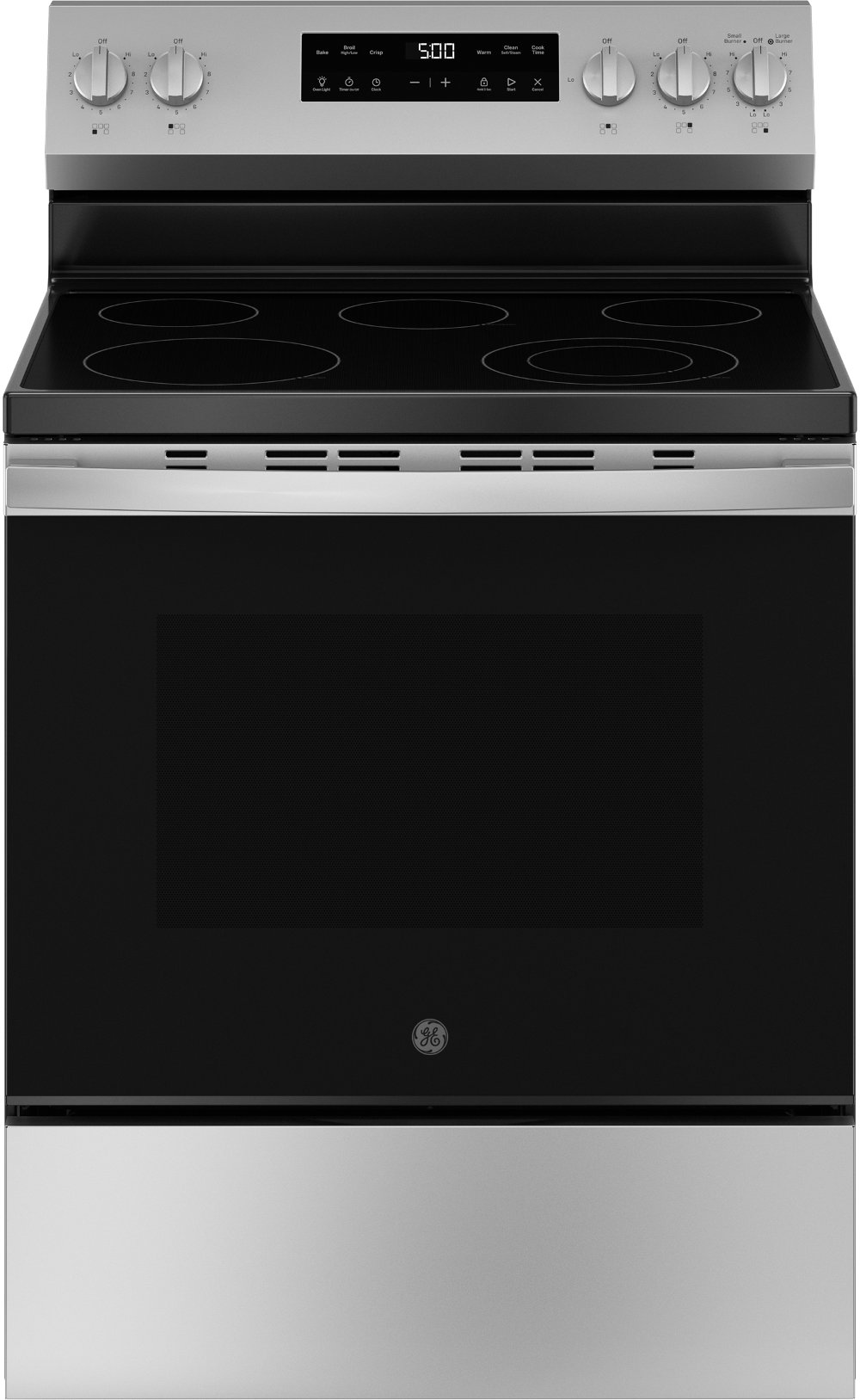
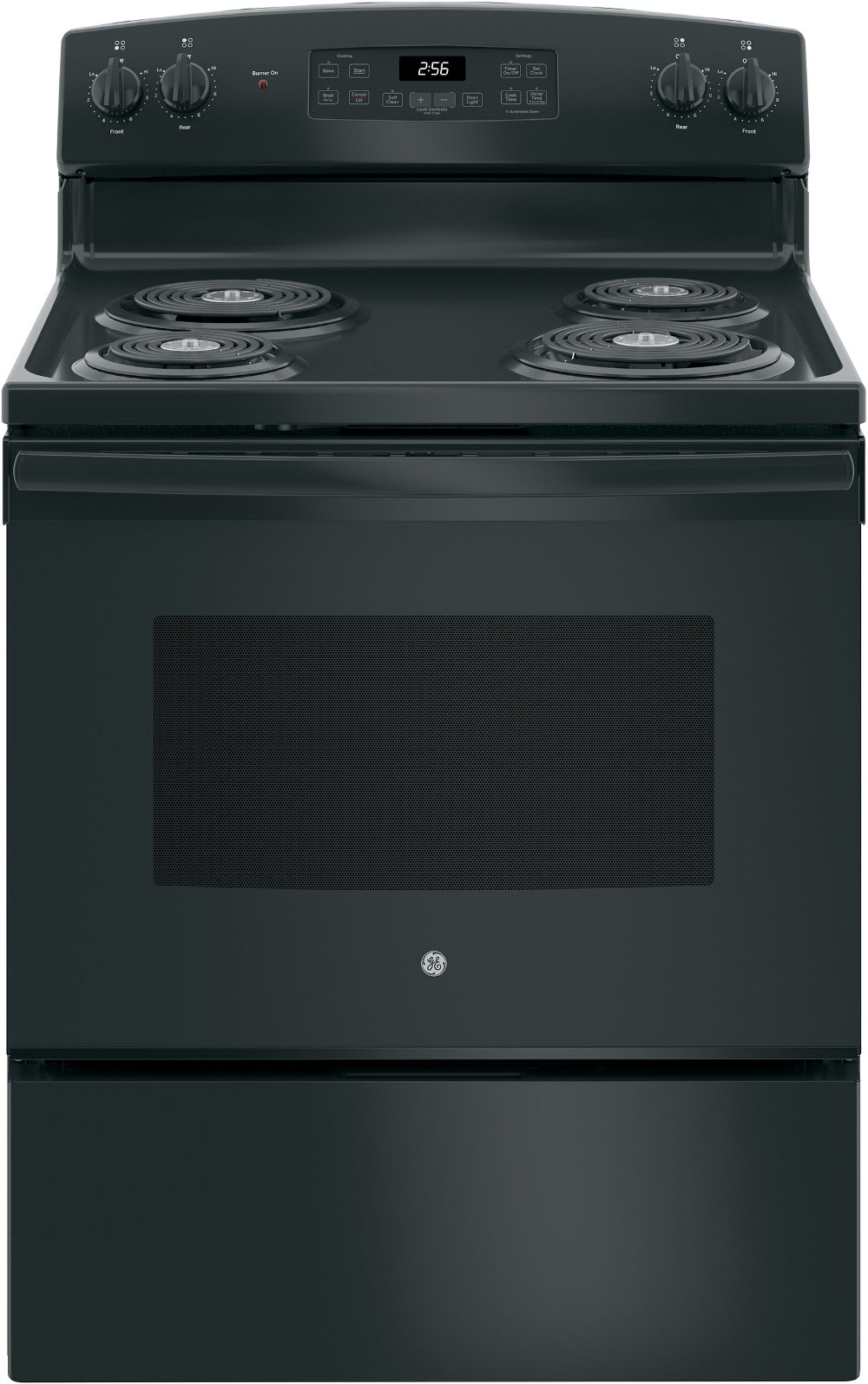
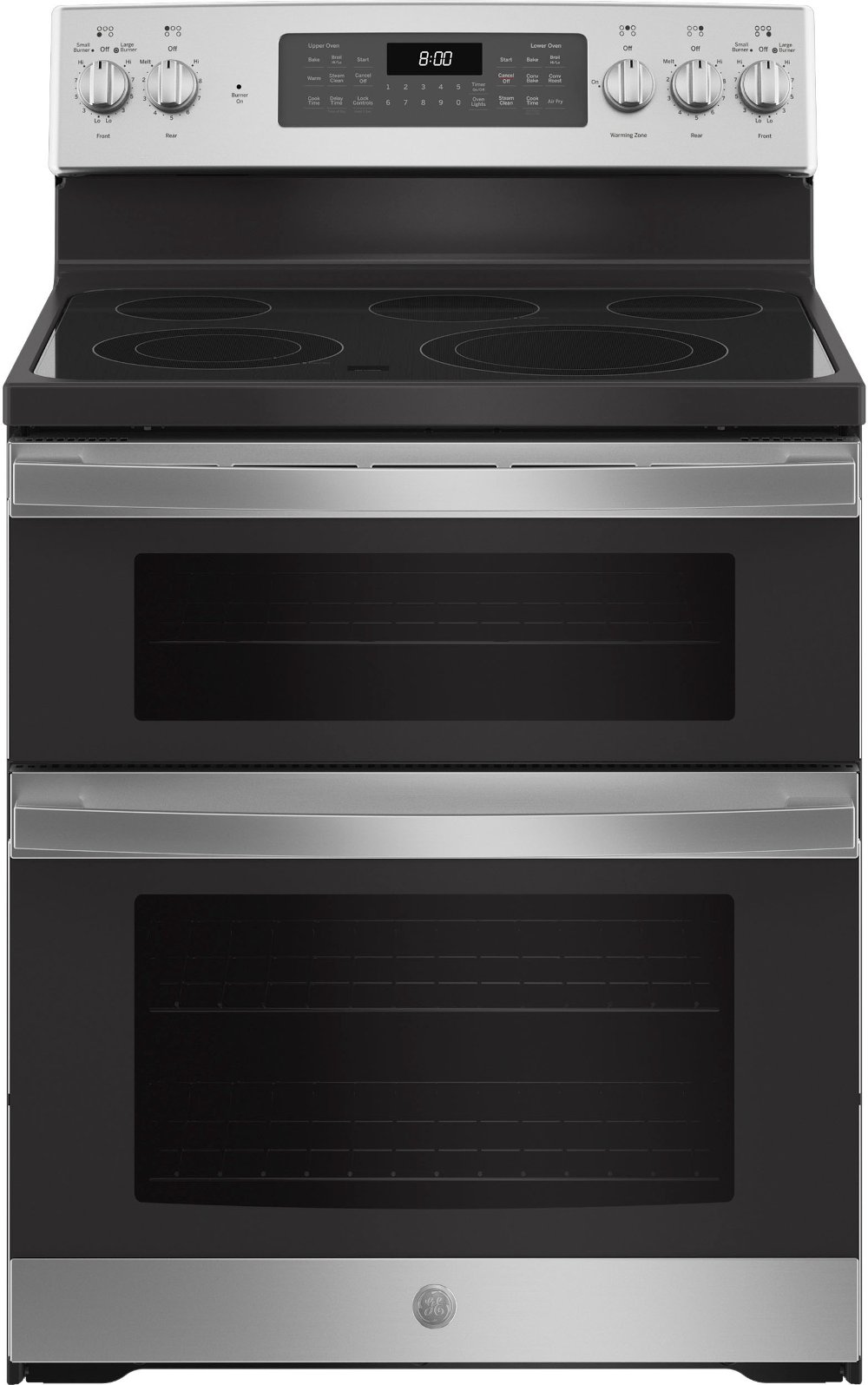
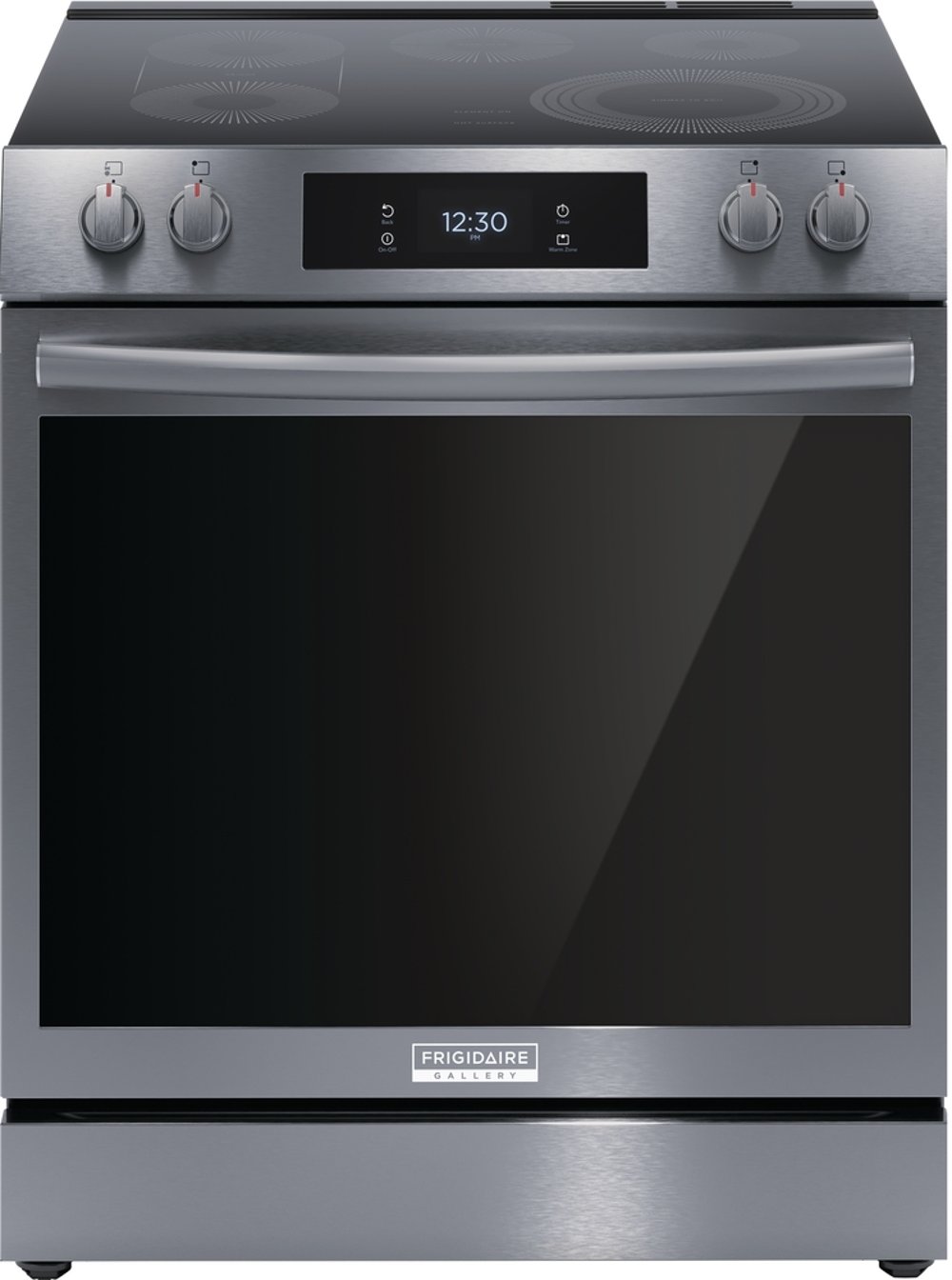
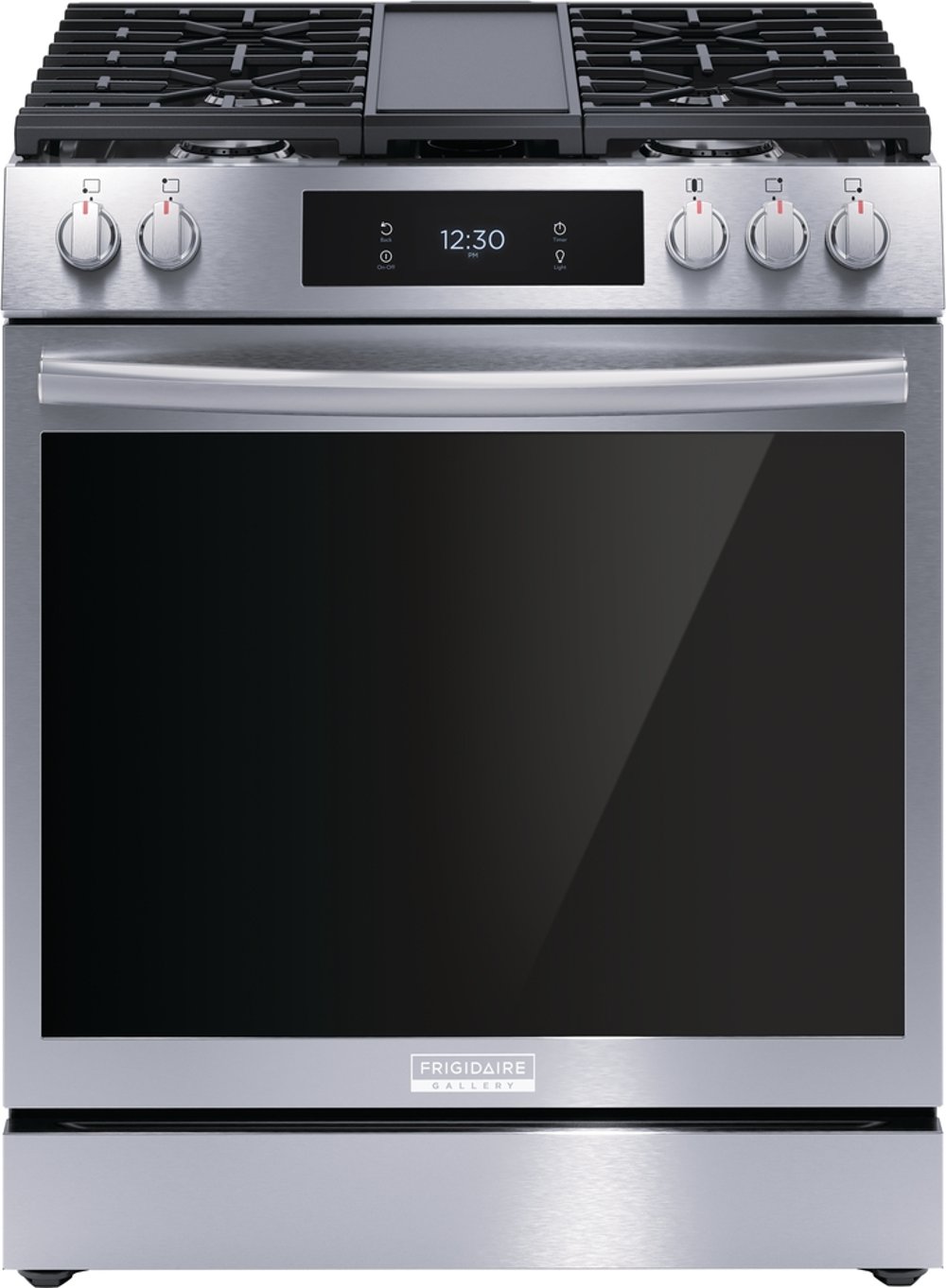
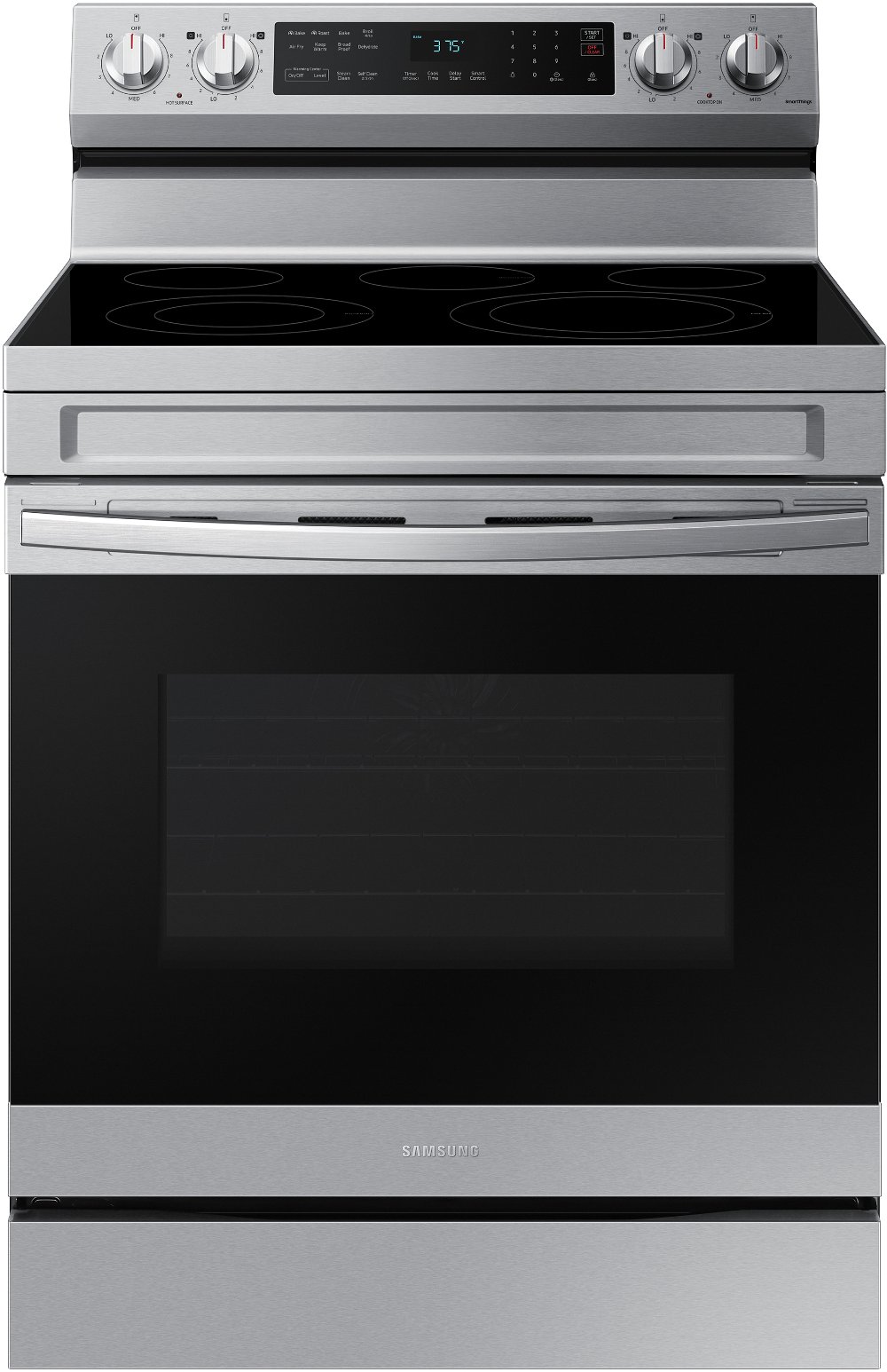
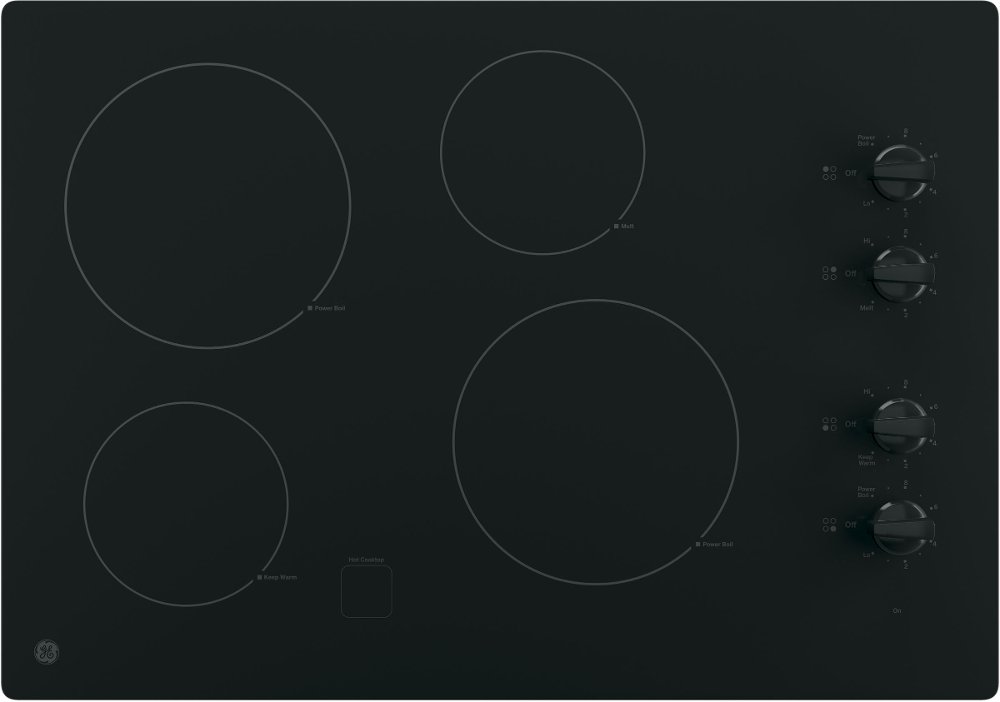
A kitchen range combines a cooktop and an oven in a single appliance, bringing everyday stovetop cooking and baking together in one convenient space. Whether dinner means a pot of pasta, a skillet of chicken, or vegetables roasting beneath a bubbling casserole, the right cooking range supports the way you prepare meals. Gas ranges use a flame to heat cookware and provide a visible response when you adjust the burner. They’re a familiar choice for cooks who like moving quickly from a lively boil to a gentle simmer, though low-heat performance varies by burner design. Electric ranges use heated coils or radiant elements beneath a smooth glass-ceramic cooktop. Their cooking surfaces retain heat after an adjustment, so matching the element to the pan and allowing time for temperature changes helps with delicate sauces and other heat-sensitive foods. Induction ranges use electromagnetic energy to heat compatible cookware directly, offering responsive adjustments without an open flame. The cooktop can still become hot from contact with the pan, so it shouldn’t be treated as cool to the touch after cooking. Cast iron and many stainless steel pans work with induction; aluminum and copper cookware need an induction-compatible base. Dual-fuel ranges pair a gas cooktop with an electric oven, appealing to households that want flame cooking above and electric baking below. Your existing utility connections matter as much as your cooking preferences. Gas, electric, induction, and dual-fuel ranges have different installation requirements, and changing fuel types may require electrical or gas-line work. Burner and element layouts also deserve attention. A powerful burner can help heat a large pot of water, while a smaller element or dedicated simmer burner suits oatmeal, melted chocolate, and slow-cooked sauces. Look beyond the number of cooking zones to see whether your everyday pans fit comfortably together. Space for a wide skillet beside a stockpot can make meal preparation feel much less crowded.
The best fit starts with the kitchen itself: the cabinet opening, countertop height, surrounding clearances, and space for the oven door to open fully. Many household ranges are approximately 30 inches wide, but compact and wider configurations serve different layouts. Exact appliance dimensions and the manufacturer’s installation instructions are more useful than a width label alone. Freestanding ranges generally have finished sides, making them suitable for placement between cabinets or at the end of a cabinet run. Many feature a rear control panel, although control placement varies. Slide-in ranges typically position controls at the front and create a more integrated appearance between surrounding cabinets. Their dimensions and side finishes vary, so replacing a freestanding range with a slide-in style isn’t always a simple swap. Front controls can reduce the need to reach over hot cookware, while control locks, where included, can help limit unintended operation. Inside the oven, usable space matters just as much as the stated capacity. A household that regularly cooks with a large roasting pan needs sufficient interior width and depth; someone who bakes several trays of cookies may care more about rack positions and multi-rack performance. Single-oven ranges offer one uninterrupted cavity, while double-oven ranges let you prepare dishes at different temperatures. That flexibility can help when one dish needs a gentle bake and another needs higher heat, although each cavity may have less room for oversized cookware. Convection ovens circulate heated air with a fan, supporting more even cooking and browning when recipes, rack placement, and cookware suit the setting. Air-fry modes also use circulating hot air, often with higher airflow or specialized temperature settings; results depend on the food, spacing, and recommended tray. For expanded cooking capabilities and refined design details, explore High End Kitchen Ranges with your space and daily routines in mind. Clear displays, readable markings, sturdy racks, and comfortable handles can matter as much as specialized modes when you’re cooking every day.
Materials and maintenance shape how a kitchen cooking range looks and performs over time. Stainless steel finishes coordinate easily with many kitchen styles, while fingerprint-resistant treatments can help reduce visible smudges; cleaning directions differ by finish. Painted and porcelain-enameled surfaces offer other looks, from bright and understated to darker finishes that anchor the room. Smooth glass-ceramic cooktops provide an uninterrupted surface for wiping up spills, but they need suitable cleaners and careful handling to protect against scratches. Lifting a heavy pan rather than sliding it across the surface helps preserve the finish, and flat-bottomed cookware supports good contact on radiant electric cooktops. Gas ranges often use durable cast-iron grates to support cookware. Their weight and shape influence how easily you can lift them for cleaning, and individual grates may be simpler to handle than larger sections. Removable burner caps and accessible areas beneath the grates can make routine care easier, provided everything is cleaned and reassembled according to the appliance instructions. Oven interiors commonly use an enamel finish designed to withstand cooking heat. Self-cleaning and steam-cleaning features offer different approaches to maintenance, but neither replaces checking the manual for approved methods, rack care, and preparation. Wiping manageable spills once surfaces have cooled helps keep grease and food residue from building up. Durability also comes from everyday details: oven doors that move smoothly, racks that support heavy dishes securely, and controls that feel comfortable to use. A properly installed anti-tip bracket is an important safety feature, and electrical and gas connections should meet the appliance requirements and applicable local codes. Effective kitchen ventilation helps remove cooking odors, grease, and moisture; gas cooking also produces combustion byproducts that appropriate ventilation helps manage. For a first apartment, a busy family kitchen, or a home where cooking is a favorite pastime, the most useful range balances comfortable fit, practical capacity, straightforward care, and the cooking features you’ll actually use. That balance makes room for both a quick breakfast and a carefully prepared dinner without adding unnecessary complexity.
Read More