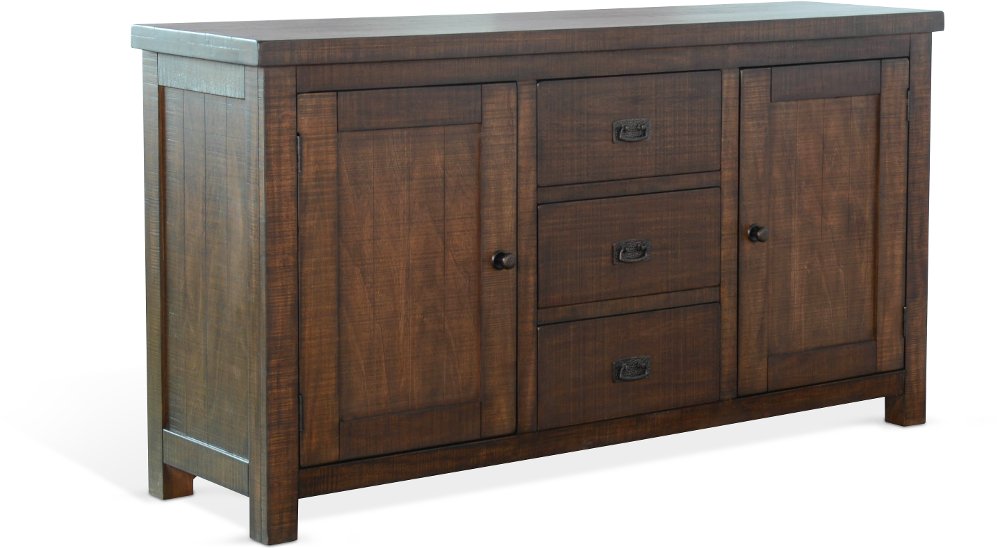
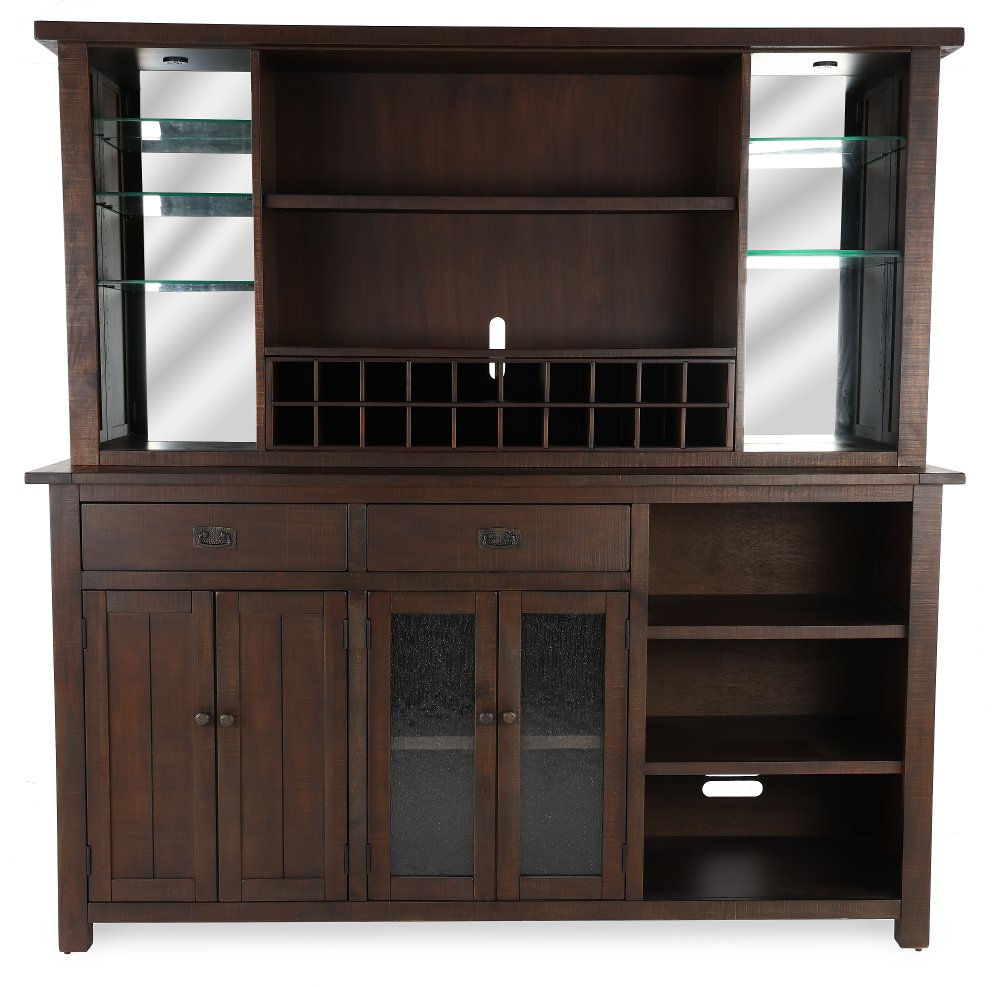
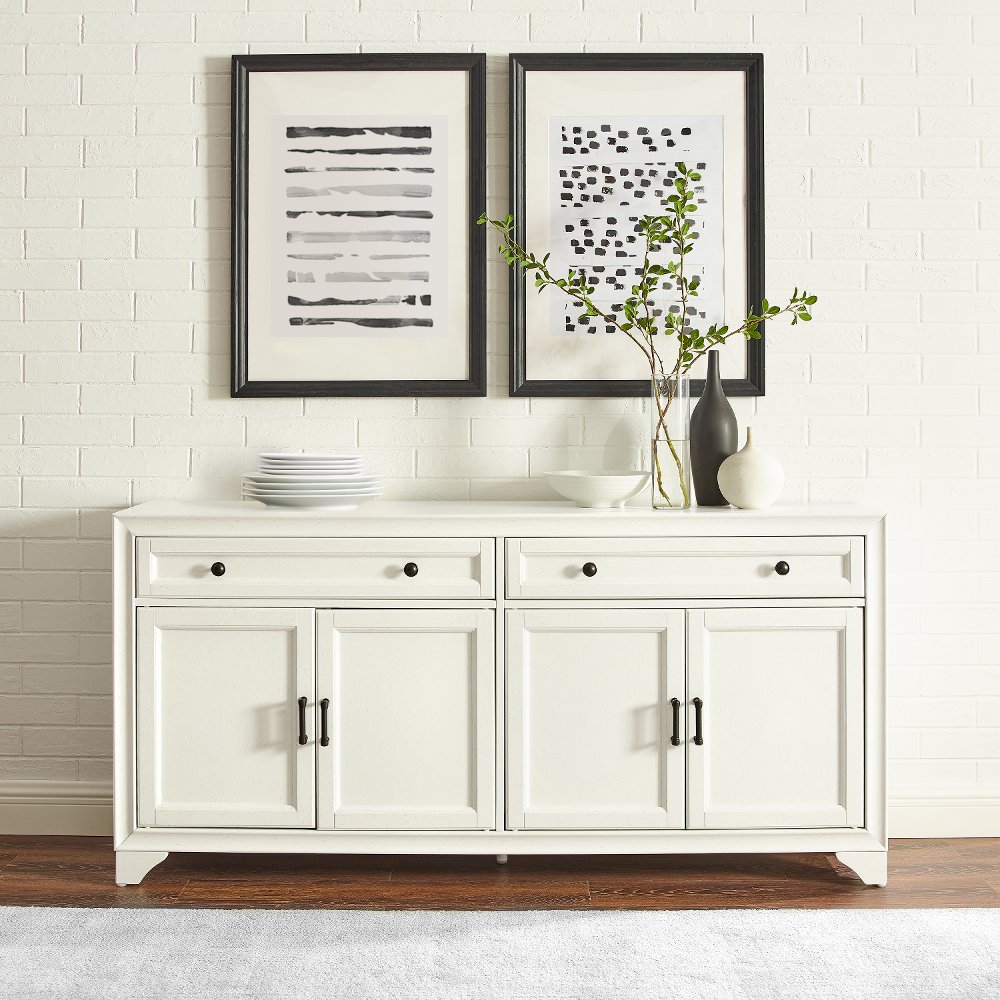
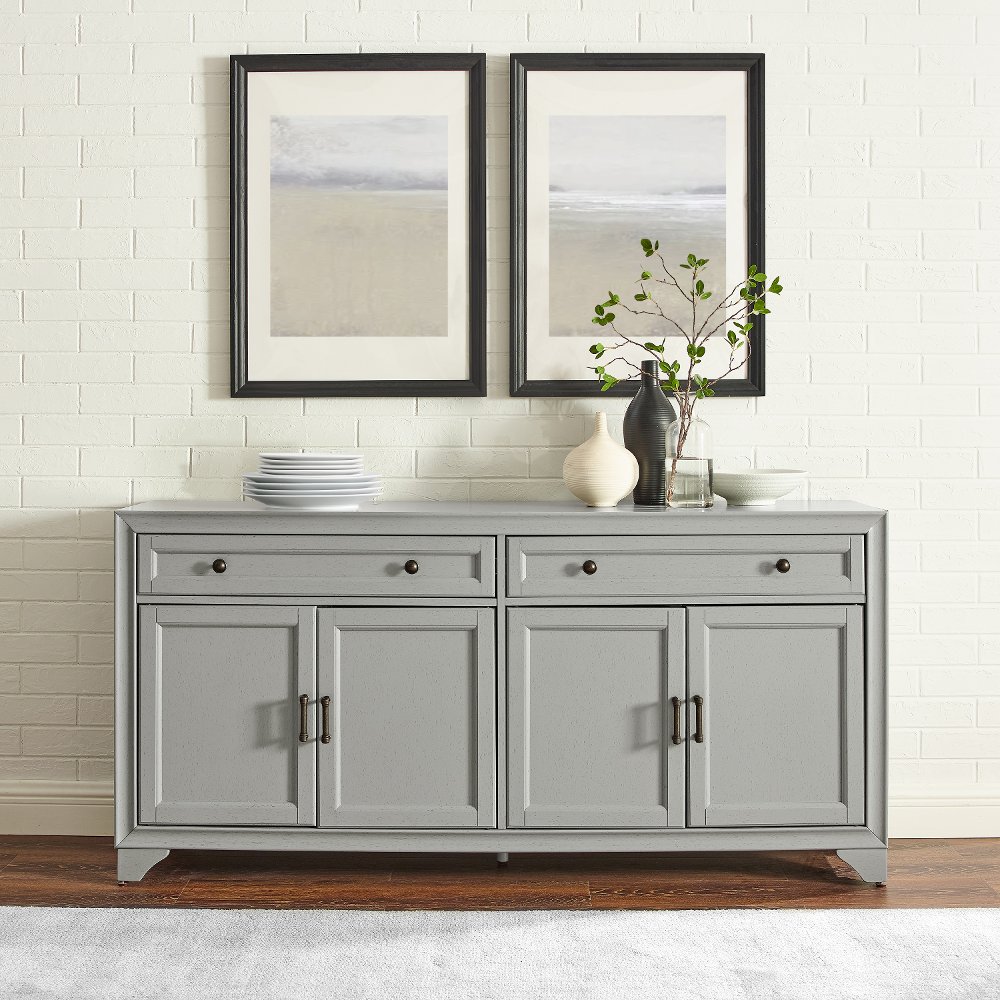
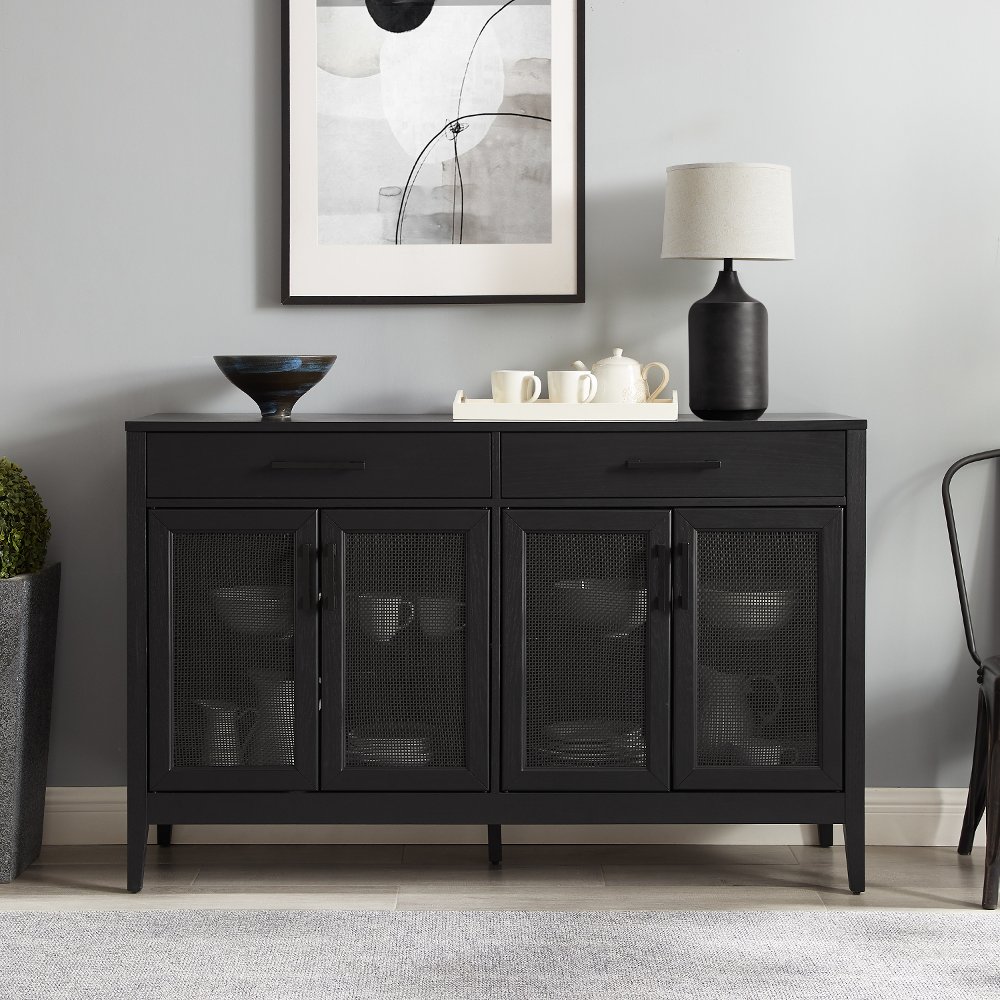
Home buffets are storage cabinets that add serving space and organization to dining rooms, kitchens, and living areas. Often called sideboards, they typically combine a broad top with drawers, enclosed cabinets, or open shelving below. That combination gives everyday essentials a place to land while keeping the room ready for company. Plates and serving bowls can stay close to the dining table, cloth napkins can tuck into a drawer, and a pitcher of water can sit within easy reach without crowding the meal. For households that entertain, a buffet creates a separate spot for appetizers, drinks, or dessert, leaving more room at the table for people and place settings. Between gatherings, the same surface might hold a lamp, a favorite piece of pottery, or a small collection of framed photos. The most useful storage layout depends on what needs a home: shallow drawers suit flatware and linens, while deeper cabinets accommodate platters, pitchers, and taller serving pieces. Adjustable shelves offer flexibility when those needs change, although shelf dimensions and weight limits still matter for stacks of heavy dishes. Glass-front doors put a coordinated collection on display; solid doors keep mismatched mugs and extra table linens out of sight. Open cubbies make frequently used pieces easy to reach, but leave their contents more visible. In an open-plan home, a buffet can also help define the dining area without adding a tall piece that interrupts sightlines. A compact household may use one to supplement limited kitchen cabinets, while a busy family might appreciate a central place for placemats, napkins, and the dishes used every evening. Beyond the dining room, a sideboard can organize board games in a living space or provide practical storage along a roomy entry wall. Comparing buffet tables by their cabinet layout, surface area, and proportions helps connect the look of a piece with the way it will function at home.
Materials and construction influence how a buffet looks, feels, and holds up to daily routines. Solid wood brings natural grain and variation, with characteristics that differ by wood species and finish. It also responds to changes in indoor humidity, so steady conditions and thoughtful placement help protect it over time. Wood veneers provide the appearance of real wood over a supporting core and can create consistent grain patterns across broad doors and drawer fronts. Engineered wood appears in many furniture constructions, and its performance depends on the panel quality, joinery, finish, and intended use rather than the material name alone. A durable finish is especially helpful on a surface used for setting down serving trays or sorting dishes before dinner. Metal bases and hardware can add a crisp contrast to wood, while glass doors give enclosed storage a lighter visual presence. Stone or stone-look tops bring another texture into the room, but care requirements vary; natural stone, in particular, may need protection from acids or staining depending on its type and treatment. Across materials, a stable base, properly aligned doors, and drawers that move smoothly contribute to comfortable everyday use. Hardware should feel easy to grasp, especially when a drawer holds heavier flatware or folded linens. Style matters most when it feels at home with the furniture around it. A buffet doesn’t need to match the dining table exactly. Repeating a wood tone, a curved detail, or a metal finish can create a connection without making every piece identical. Clean fronts and simple pulls tend to suit streamlined rooms, while framed doors, shaped legs, and textured finishes can bring a more traditional or relaxed character. In a smaller dining area, a raised base may make the cabinet feel less visually heavy. A fuller base can give a larger room a grounded look. Either approach works best when appearance and practical storage receive equal attention.
Fit involves more than finding an open stretch of wall. A buffet needs enough room for doors and drawers to open, people to pass, and nearby dining chairs to move comfortably. Depth is easy to overlook: a few extra inches can make a noticeable difference beside a busy walkway or behind an occupied chair. About 36 inches of clear passage is a useful starting point in many layouts, with more room often needed where people walk behind seated diners. Painter’s tape can outline the cabinet’s footprint on the floor, making it easier to picture the space it will take up before moving furniture. Measuring doorways, hallway turns, and stairs also helps account for the route into the room. Baseboards, floor vents, light switches, and electrical outlets deserve a check, particularly if the top will hold a lamp or serve as a coffee station. Surface height affects comfort, too; a buffet used regularly for serving should feel convenient for setting down a platter or reaching for a glass. Inside, compare usable shelf depth and door openings with the largest pieces intended for storage rather than relying only on exterior measurements. Heavy dishes belong on shelves rated for their weight, and wall anchoring should follow the manufacturer’s directions, especially in homes with children. Daily care can stay straightforward when it matches the materials. A soft cloth removes dust, prompt spill cleanup limits moisture exposure, and coasters, trivets, or protective mats help shield the top from condensation and heat. Hot cookware should never rest directly on a furniture finish unless the manufacturer specifically allows it. Cleaning products should follow the care instructions rather than a one-size-fits-all routine. With the right proportions and a little thoughtful organization, a home buffet can support everything from a quiet dinner for two to a full table of guests, keeping useful pieces nearby and the dining surface clear for the people gathered around it.
Read More