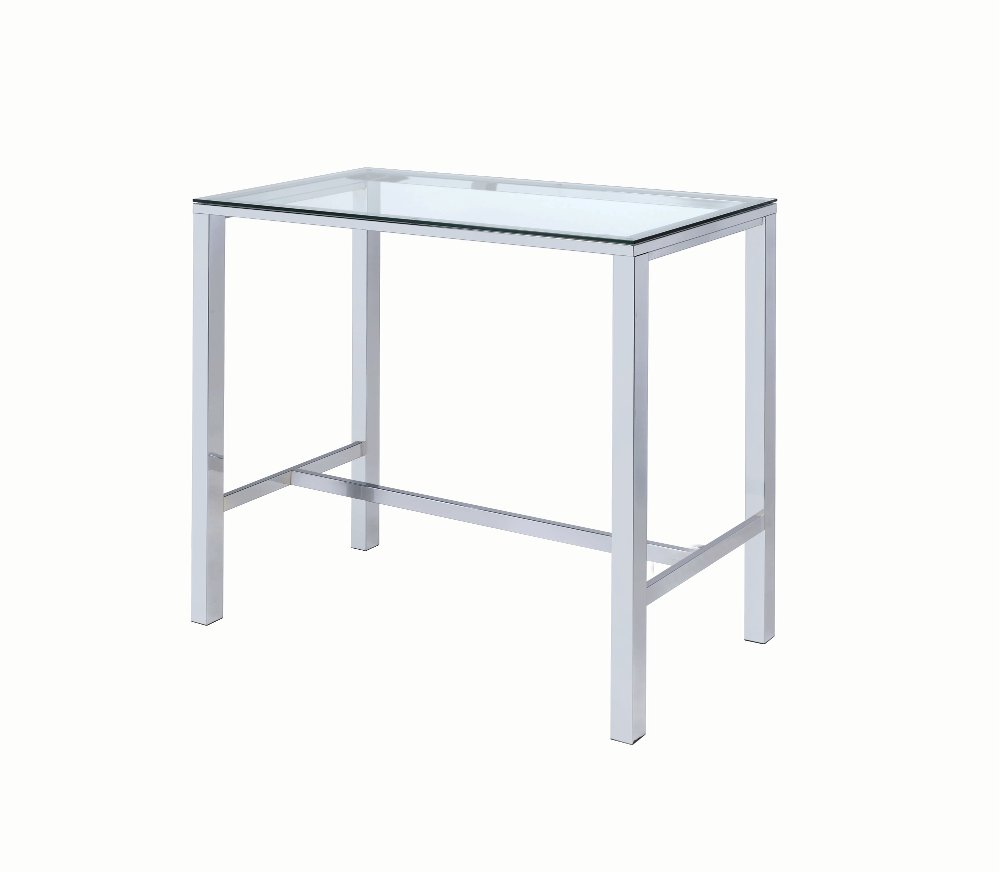
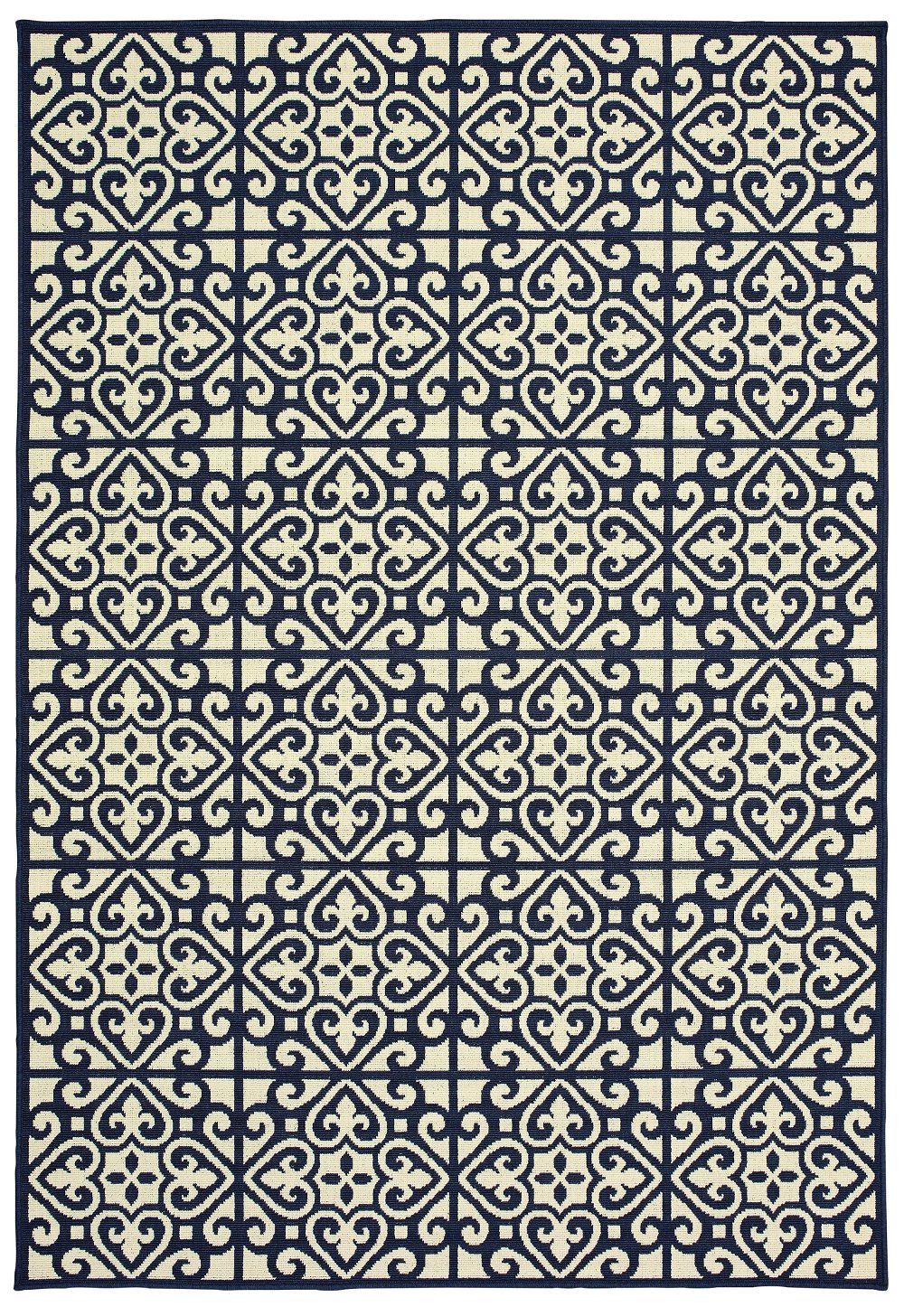
Indoor decorations give your home the details that make it feel like yours: a familiar color carried from room to room, an interesting texture beside a smooth surface, or artwork that brings a little personality to a quiet wall. These finishing touches can connect furniture you already love, soften a room that feels too formal, or give an everyday space a more settled, welcoming feel. The best fit depends as much on how you live as on the look you enjoy. A busy family room benefits from sturdy accents and arrangements that leave plenty of usable space, while a bedroom may feel more restful with fewer objects, gentle shapes, and a consistent palette. In an entryway, a thoughtfully sized wall accent can create a welcoming focal point without crowding the path inside. On open shelving, a mix of heights and textures adds depth, especially when some space stays empty so individual details have room to stand out. Indoor home decor spans a wide range of styles, from clean-lined and contemporary to rustic, traditional, and relaxed. You don’t have to commit every room to one style for your home to feel connected. Repeating a wood tone, a curved shape, or a small touch of color often creates enough continuity while leaving room for personal favorites. Neutral decorations can help balance patterned upholstery or colorful walls; stronger colors can give a quieter room a clear focal point. Texture matters just as much. A woven surface against a painted wall or a softly textured accent near polished furniture creates contrast without requiring more color. For shared spaces, decorations that reflect more than one person’s interests help the room feel comfortable and lived in rather than staged. Whether you’re furnishing a first apartment, refreshing a longtime home, or making a guest room feel more thoughtful, decorative accents let you shape the atmosphere without replacing the larger pieces that already work.
Materials influence both the character of indoor decorations and how well they suit everyday use. Wood brings natural grain and variation, with finishes ranging from smooth and refined to deliberately weathered. Because wood can respond to moisture and prolonged sunlight, placement away from damp areas and intense direct light helps protect its appearance. Metal accents can introduce crisp lines, sculptural shapes, or a subtle sheen; their care depends on the finish, so a gentle approach is usually better than abrasive cleaning. Glass adds visual lightness and reflects nearby light, though fingerprints may show more clearly and breakable pieces deserve a stable spot away from busy edges. Ceramic and stone offer appealing differences in texture and weight, from smooth glazed surfaces to more organic finishes. Heavier decorations need secure support, and protective pads can help keep rough bases from scratching furniture. Woven fibers and fabric accents bring softness, but their cleaning needs vary. Some allow spot cleaning or laundering, while others need careful dusting or professional care, making the care label an important part of the decision. In homes with children or pets, durability includes more than the material itself. A broad base, rounded profile, and secure placement can make an accent better suited to an active household than something narrow, delicate, or easy to tip. High shelves aren’t automatically a solution if they’re within climbing reach, and heavy wall decor needs hardware appropriate for both its weight and the wall construction. Bathrooms and other moisture-prone spaces also call for attention to intended use; not every indoor finish is designed to tolerate humidity or splashes. For decorations placed near food or drink, check whether the surface is intended for contact rather than assuming a decorative piece can serve a practical purpose. Following the maker’s care instructions, wiping up spills promptly, and using suitable cleaning tools help preserve finishes and textures. These details make it easier to choose decor you’ll enjoy living with, not just looking at.
Scale and placement help indoor decorations feel like a natural part of your home. A large wall can make a small accent seem lost, while an oversized arrangement on a narrow surface can leave too little room for daily essentials. Checking the available width, height, and depth before choosing decorative accents helps you picture how they’ll sit beside existing furniture. For wall decor, consider nearby doorways, switches, and the furniture below it, along with the view from a seated position. Reflective surfaces deserve an extra look at what they’ll show: a favorite part of the room can feel more prominent, but so can a cluttered corner or a bright light source. On a dining surface, lower arrangements help preserve conversation and sightlines. Beside a sofa, leaving space for a drink or book keeps the setting useful. A home office can benefit from a few meaningful details within view, with the main work area left clear enough to stay comfortable. Groupings tend to feel more intentional when they share something in common, such as color or material, without matching in every respect. Mixing heights can add interest, but there’s no need to fill every shelf or cover every tabletop. The pieces you notice and appreciate each day deserve a little breathing room. Decorations can also make thoughtful gifts for a housewarming, a wedding, or someone settling into a new space, particularly when the choice reflects the recipient’s taste and doesn’t demand much room or complicated upkeep. Compact proportions and versatile finishes are helpful when you don’t know the exact layout of their home. For celebrations that call for a more occasion-focused setting, Festive Decor offers a related decorating direction. Everyday indoor decorations, meanwhile, can provide the foundation: colors, textures, and personal details that remain comfortable and meaningful well beyond a single gathering. A home feels more personal when its finishing touches support your routines, complement your furniture, and make space for the things you enjoy.
Read More