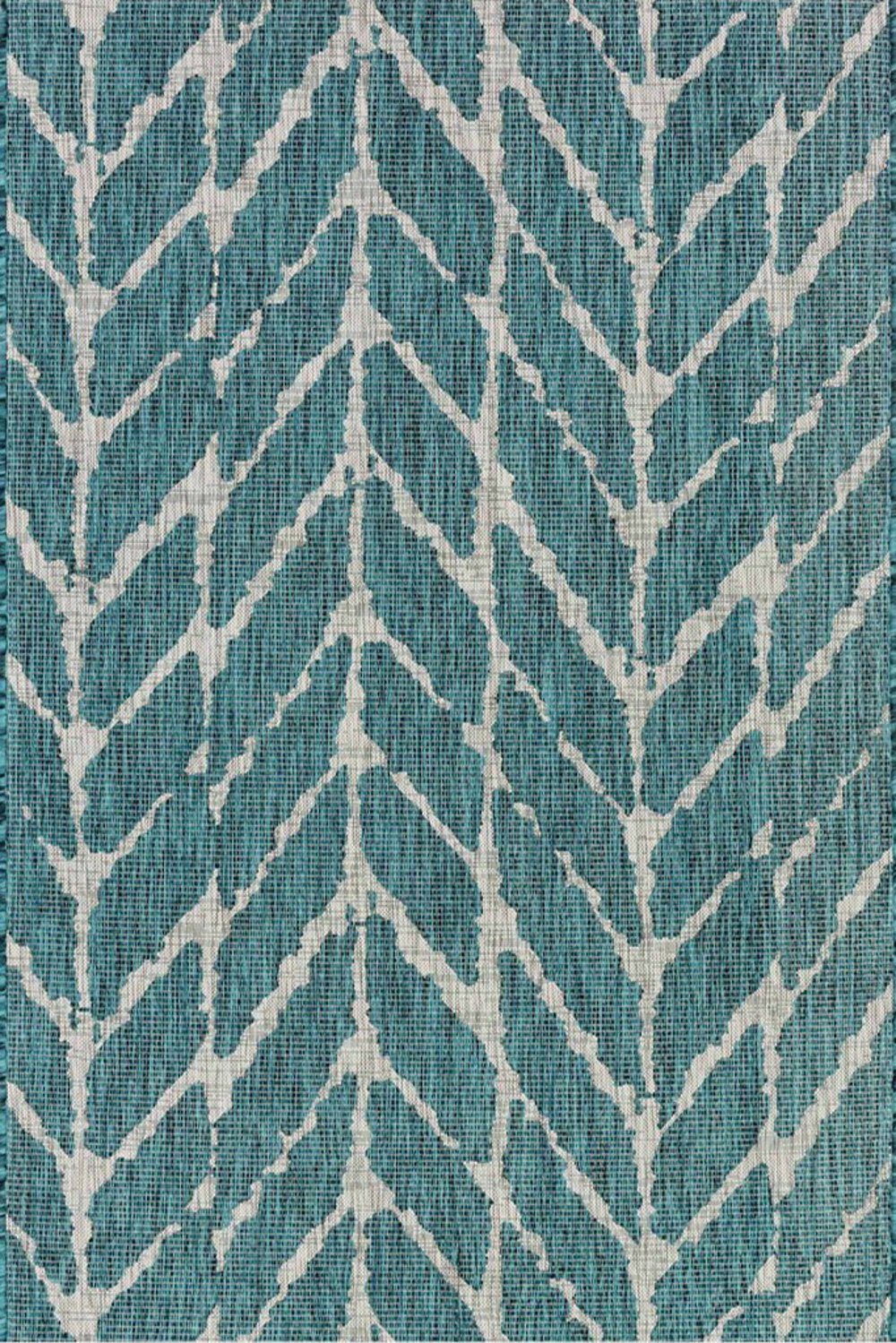
Outdoor decorations give the spaces around your home a sense of personality, from a front entry that welcomes visitors to a patio that feels like a natural extension of your living room. The right decorative touches can make a plain wall feel finished, draw attention to a favorite garden corner, or bring a little color to the spot where you enjoy your morning coffee. Your home’s architecture is a helpful starting point: clean lines and simple shapes complement a contemporary exterior, while softer silhouettes and textured finishes feel comfortable alongside traditional details. There’s room to mix those influences, too. Repeating a color from your front door or a finish from your outdoor furniture helps different elements look connected without making everything match. Scale matters just as much as style. An accent that looks substantial up close can disappear against a tall fence, while an oversized arrangement can crowd a compact balcony. Consider how the space looks from the sidewalk, through a window, and from your usual seat. A clear focal point often makes a stronger impression than several small details competing for attention. For a narrow porch, decorative interest along a wall can leave more room for people to pass. On a larger patio, accents placed near seating areas help define comfortable places to gather without interrupting the path between the house and yard. Keep door swings, handrails, steps, and frequently used walkways clear so your decorations support the way you use the space. Color can make that space feel lively or relaxed: a few saturated touches stand out against neutral siding, while earth tones and subtle textures create a quieter look. Whether you’re personalizing a first apartment’s balcony or bringing a long-loved backyard together, outdoor decor works best when it reflects your taste and leaves plenty of room for everyday life. Even a small, thoughtfully placed detail can make an entry feel more intentional without adding visual clutter.
Materials and construction help determine how outdoor decorations look, feel, and hold up in their intended setting. Metal can bring crisp outlines, substantial texture, or an aged appearance, but its finish matters as much as the material underneath. Protective coatings help limit corrosion, and scratches may need attention according to the manufacturer’s care directions. Wood offers natural grain and warmth, with some finishes designed to preserve its original appearance and others allowing it to develop a more weathered character. Resin can capture detailed shapes at a lighter weight, although lighter decorations may need a more sheltered placement or an approved securing method. Ceramic, stone, and concrete can give a setting visual weight and rich surface variation; their actual weight, porosity, and handling needs vary. Check whether a decoration is intended for fully exposed outdoor use, a covered area, or indoor use only rather than relying on appearance. Outdoor suitability doesn’t necessarily mean every material tolerates the same exposure to moisture, direct sunlight, or freezing conditions. Product care information is the best reference for placement and storage requirements. Fit deserves a similarly practical look. Measure the usable area, including depth, and account for a stable base rather than judging by height alone. A deep accent beside a door may interfere with the handle or threshold even when there appears to be enough floor space. For anything mounted or suspended, confirm the weight, use hardware suited to the supporting surface, and follow installation instructions. Renters may also need to check property rules before attaching decorations to siding or railings. If a decorative element includes lighting or electrical components, confirm its outdoor rating and plan a cord route that stays out of walking areas. These details help you choose pieces that suit the location, feel proportionate, and remain easier to live with long after the initial setup.
Everyday routines are a useful filter when choosing outdoor decor. A household that hosts casual dinners may appreciate a coordinated backdrop that leaves serving and conversation areas open, while someone who uses a patio as a quiet retreat may prefer fewer accents with interesting texture. In shared spaces, consider everyone who moves through them, including children, pets, and guests using mobility aids. Stable placement, clear routes, and accessible seating make a decorated space more welcoming. Keep fragile accents away from active play areas, and avoid arrangements that invite climbing or place loose components within easy reach of young children. Ease of care also shapes how enjoyable a display feels over time. Smooth, accessible surfaces are generally simpler to wipe down than intricate recesses, and decorations placed near soil or irrigation may need more frequent cleaning. Follow material-specific instructions, start with gentle cleaning methods when appropriate, and avoid abrasive tools or harsh chemicals unless the manufacturer recommends them. Check bases, fasteners, and hanging points periodically, especially before moving or reinstalling a display. When storage is recommended, clean and dry decorations first, protect delicate finishes from rubbing, and keep installation hardware together so setup is simpler later. A thoughtful layout can also leave room for occasional celebrations without requiring a complete redesign. If you enjoy dressing up your entry for festive gatherings, Holiday Outdoor Decor Ideas offers another direction to explore alongside your everyday style. Outdoor decorations can make thoughtful housewarming or host gifts, too, particularly when you know the recipient’s preferred colors, available space, and comfort with upkeep. A manageable size and straightforward care requirements are often more useful than a dramatic statement that needs special installation. Ultimately, a well-chosen outdoor accent should feel at home where it lives: balanced against its surroundings, suited to its purpose, and personal enough to make an ordinary arrival or a few minutes outside feel a little more special.
Read More