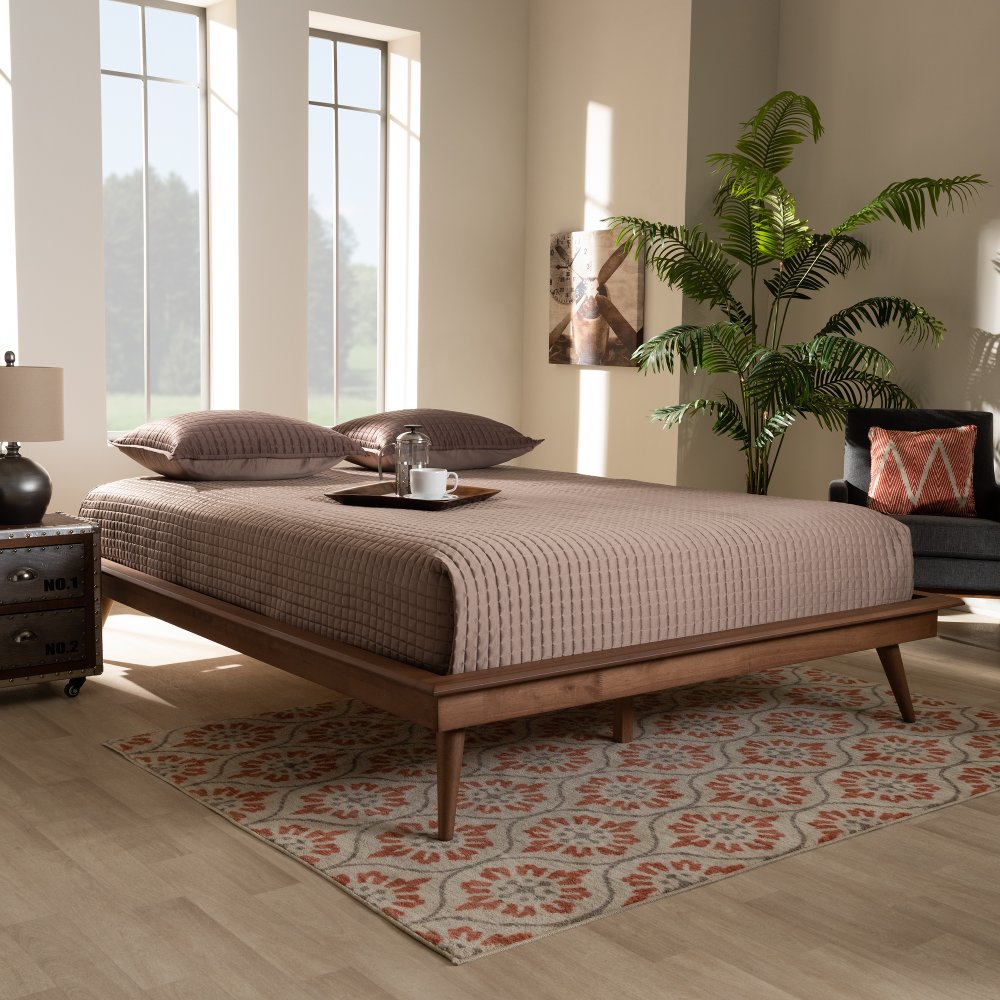
King beds without box springs offer a streamlined way to create a comfortable, supportive place to sleep without adding a separate foundation beneath the mattress. Most of these setups use a platform bed or sturdy frame with built-in wood or metal slats that support the mattress directly. That simpler design can help you save the cost of a box spring while giving your bedroom a clean, modern appearance. It can also create a lower profile, which makes getting in and out of bed easier for children, guests, and anyone who prefers a more grounded feel. A king-size bed gives two sleepers generous room to stretch out, making it a practical choice for couples, guest rooms, primary bedrooms, and households where pets or children occasionally join the morning routine. During the cooler months, a spacious king bed can make the bedroom feel especially inviting, with room for layered blankets, reading pillows, and a little extra personal space. If you’re comparing a platform design with a traditional foundation, you can also explore King Size Bed Box Springs to understand the alternatives before choosing the setup that fits your room and mattress best.
A king bed without a box spring works best when its support system matches the mattress you plan to use. Memory foam, latex, and hybrid mattresses generally need an evenly supported surface, so check the spacing between slats before making a decision. Slats spaced no more than about three inches apart are commonly recommended for foam-based mattresses, though the mattress manufacturer’s instructions should always guide your purchase. Wide gaps can allow a mattress to settle unevenly over time, while closely spaced slats help distribute weight across the surface and reduce the chance of sagging. Because a king mattress is broad and heavy, sturdy center support matters just as much as the outer rails. Look for a frame with a strong center beam and multiple legs that reach the floor, rather than relying on corner support alone. It’s also wise to review the mattress warranty requirements; some warranties specify the type of foundation needed or limit the acceptable distance between slats. Taking a few minutes to measure your mattress, read the care instructions, and confirm the frame’s weight capacity can help you avoid an uncomfortable surprise after delivery. Keep the room dimensions in mind, too. A king frame may fit comfortably in a large bedroom but leave little room for nightstands, dressers, or a clear walkway in a tighter space. Measuring the mattress area, doorways, stairwells, and hallways before ordering makes setup much smoother.
The frame’s height and construction can shape how the whole bedroom feels. A low platform keeps the look uncluttered and works well in rooms with a contemporary, minimalist, or relaxed style. A taller design may provide useful clearance for storage bins beneath the bed, giving extra space for spare linens, seasonal clothing, luggage, or children’s toys. If you plan to use under-bed storage, check the clearance from the floor to the underside of the frame and make sure drawers or bins can open without hitting a wall or nearby furniture. Wood frames can bring warmth and a natural texture to the room, while metal frames often create a lighter, more streamlined look. Upholstered frames add softness and visual comfort, especially in a bedroom where you like to sit up and read. Pay attention to the headboard, corner edges, hardware, and assembly requirements as well as the overall style. A king frame usually arrives in several pieces, so confirm that the package can reach the room where it will be assembled and consider having an extra set of hands available. These beds can also make thoughtful housewarming or wedding gifts when the recipient is furnishing a new primary bedroom, moving into a larger home, or replacing an aging bed frame. Whether you’re refreshing your own space or helping someone settle into a new one, choosing a supportive king bed without a box spring can make the room feel more open, organized, and ready for restful nights.
Read More