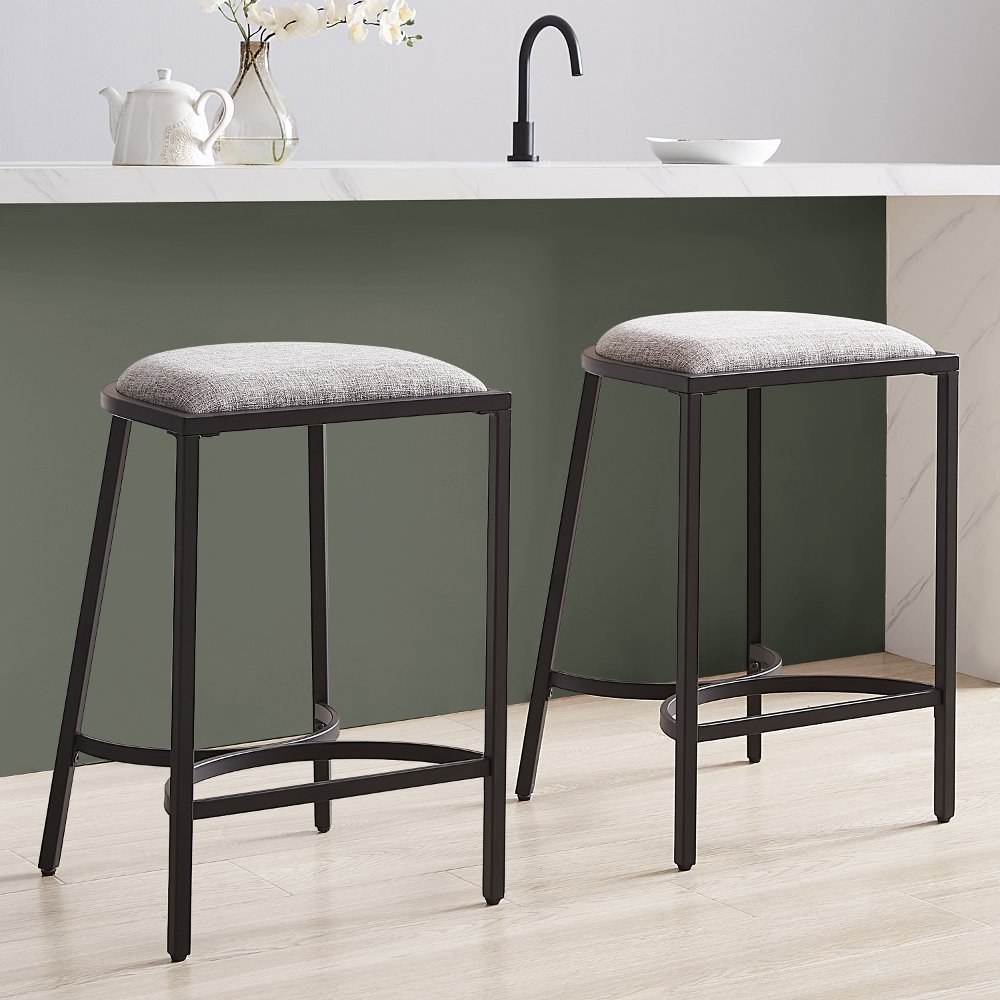
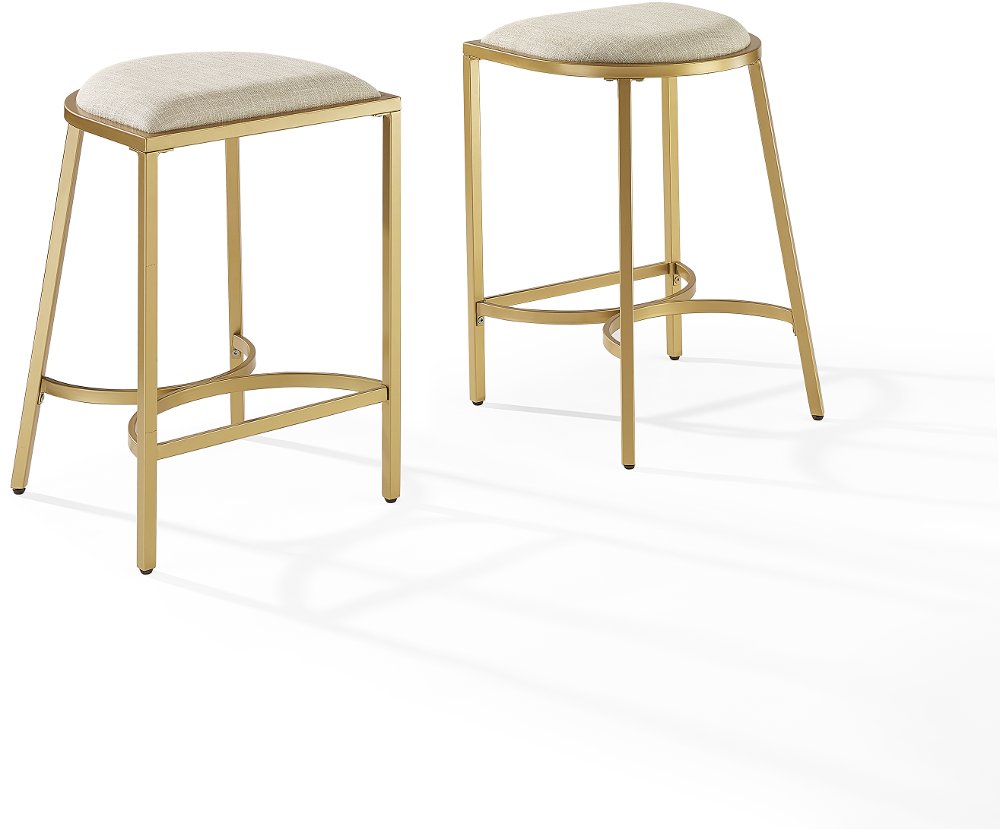
Kitchen island sets bring a work surface and seating together in one coordinated part of the room, giving everyday routines a little more breathing space. A place to chop vegetables can become a spot for a quick breakfast, an afternoon homework session, or a conversation while dinner comes together. Unlike an island chosen on its own, a set typically pairs the island with stools or chairs designed to complement its proportions and finish, though the number of seats and included pieces varies. That coordinated approach makes it easier to create a welcoming gathering place without matching every detail yourself. In a smaller kitchen, a compact island with tuckaway stools can provide a casual eating area where a separate table would feel crowded. In a larger room, a more substantial set can help define the kitchen within an open floor plan, keeping guests nearby while leaving the main cooking area clear. Think about the jobs the island will handle most often. For someone who cooks regularly, a generous, easy-to-clean surface and accessible storage may matter more than extra seats. For a household that gathers over breakfast or snacks, comfortable seating and enough elbow room deserve equal attention. Drawers can keep utensils and napkins close, cabinets can hold serving bowls, and open shelves can make frequently used cookware easier to reach. Those features depend on the design, so it helps to look beyond the overall silhouette and consider what each compartment would actually hold. A shelf that suits a stack of plates may not accommodate a tall stockpot. During the cooler months, an island can also serve as a landing place for mugs, bread baskets, and dishes headed to the table, with protective pads beneath anything hot. The most useful kitchen island furniture supports the way your household already moves through the day rather than asking everyone to work around it. A well-chosen set earns its place through those small, repeated moments: unpacking groceries, setting out lunch, or pulling up a stool to keep the cook company.
Getting the fit right involves more than finding an island that fits inside an empty patch of floor. Measure the full footprint, including handles, towel bars, overhangs, and any drop leaves when extended. Then account for the space people need to sit down, pull out a stool, and pass behind someone who’s seated. Painter’s tape on the floor can help you picture the layout before committing to a size; place an existing chair along the proposed seating edge to see how much room a person will occupy. In kitchen work areas, roughly 42 inches of clear aisle space is a common planning starting point for one cook, while about 48 inches can better accommodate multiple cooks. Your layout may need additional room, especially where seating backs onto a busy walkway or where mobility needs call for wider access. Check refrigerator, dishwasher, oven, and cabinet doors with the proposed island footprint in mind. An island shouldn’t turn loading the dishwasher into a sideways shuffle or block a clear route through the kitchen. Seating height matters, too. Counter-height and bar-height sets aren’t interchangeable, and approximately 10 to 12 inches between the seat and the underside of the top is a useful starting point for legroom, provided an apron or drawer doesn’t intrude. Backless stools often slide neatly beneath an overhang, while seats with backs offer support for longer breakfasts or laptop sessions. Footrests can make taller seating more comfortable, particularly when feet don’t reach the floor. If you prefer an island that stays in one position, stationary kitchen islands offer another way to focus your search, with seating compatibility and dimensions worth checking separately. A stationary furniture-style island isn’t necessarily built in or attached to the floor. Mobile designs offer a different kind of flexibility, but casters should be appropriate for the flooring and locked during use when the design includes locking wheels. Either way, follow assembly and placement instructions so the island feels steady during its intended tasks.
Materials and construction shape both the appearance of a kitchen island set and how comfortably it handles daily wear. Solid wood brings natural grain and variation, while wood veneer offers a real-wood surface over a supporting core; either can work well when its finish and construction suit the setting. Engineered wood is also common in furniture-style islands, and protected edges are especially important around spills. Painted bases can soften the look of a kitchen, stained finishes add warmth, and metal accents can tie into nearby lighting or cabinet hardware without needing an exact match. For tops, consider the difference between a surface that looks like butcher block and one specifically intended for direct food preparation. Unless the manufacturer states otherwise, use a cutting board rather than cutting directly on the island. Wood tops may need periodic oiling if they have an oil finish, while sealed or coated surfaces require care suited to that particular finish. Laminate can be practical for everyday cleanup, but seams and edges benefit from prompt attention to moisture. Natural stone may require sealing depending on the material, and even durable stone or manufactured surfaces deserve protection from hot cookware and harsh cleaners. A soft cloth, quick spill cleanup, and manufacturer-approved cleaning products help preserve the finish without adding unnecessary work. Seating deserves the same attention: wipeable surfaces can simplify cleanup after cereal and juice, while upholstered seats add softness but may need more careful spot treatment. For durability, look at the whole set rather than the tabletop alone. Sound joinery, secure stool stretchers, properly supported shelves, and smooth drawer operation all contribute to a dependable feel. Follow stated weight limits, distribute stored items sensibly, and check hardware periodically as directed. Children should use seating suited to their size and supervision needs, and stools shouldn’t double as step ladders. Whether the set serves a first apartment, a busy family kitchen, or a home where friends linger over coffee, thoughtful proportions and manageable care make it easier to enjoy for years.
Read More