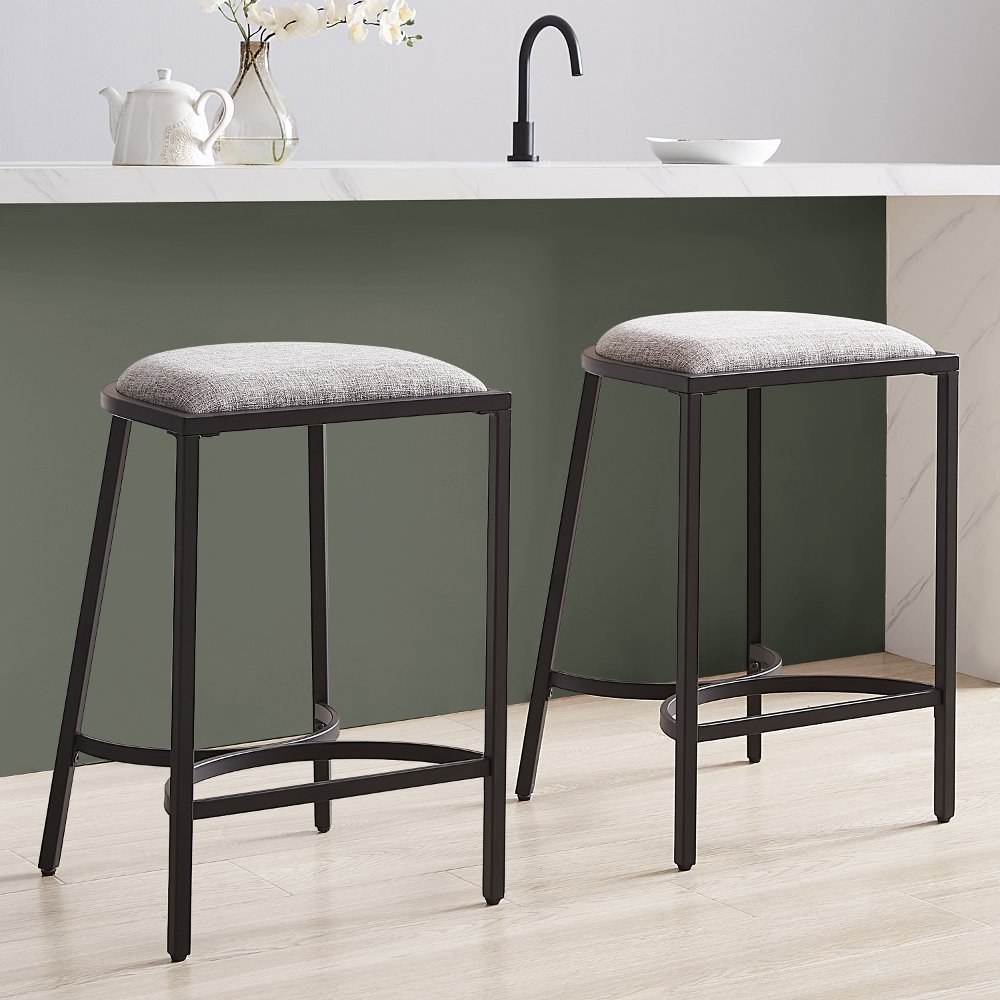
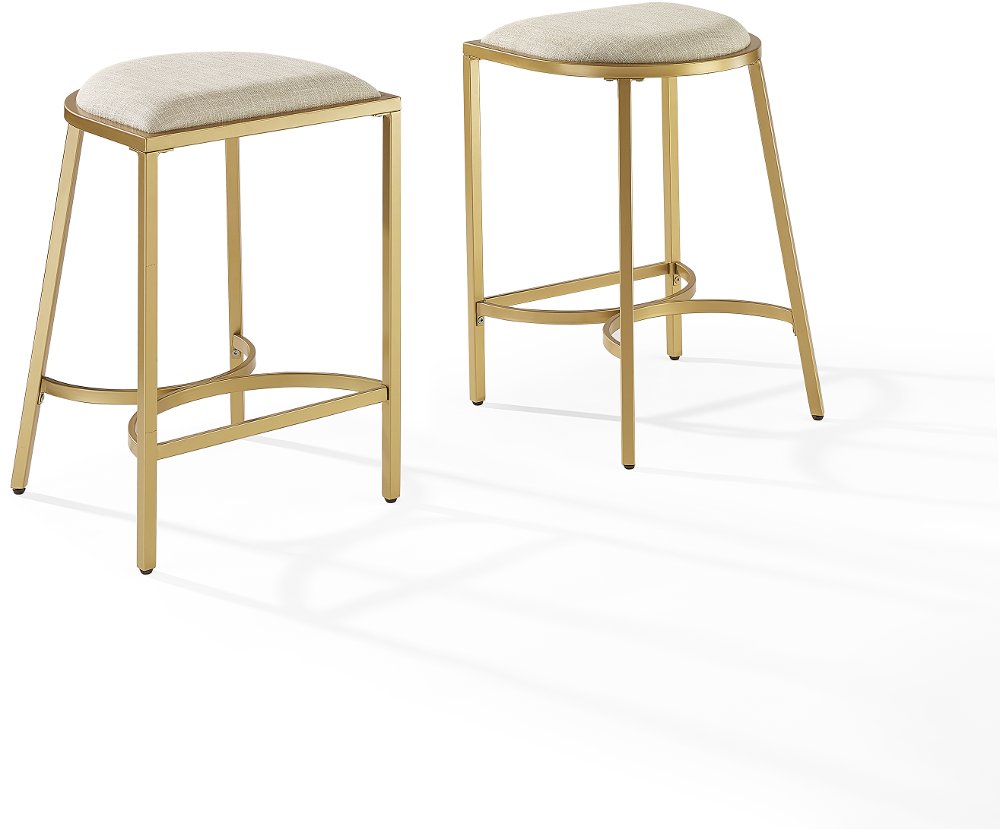
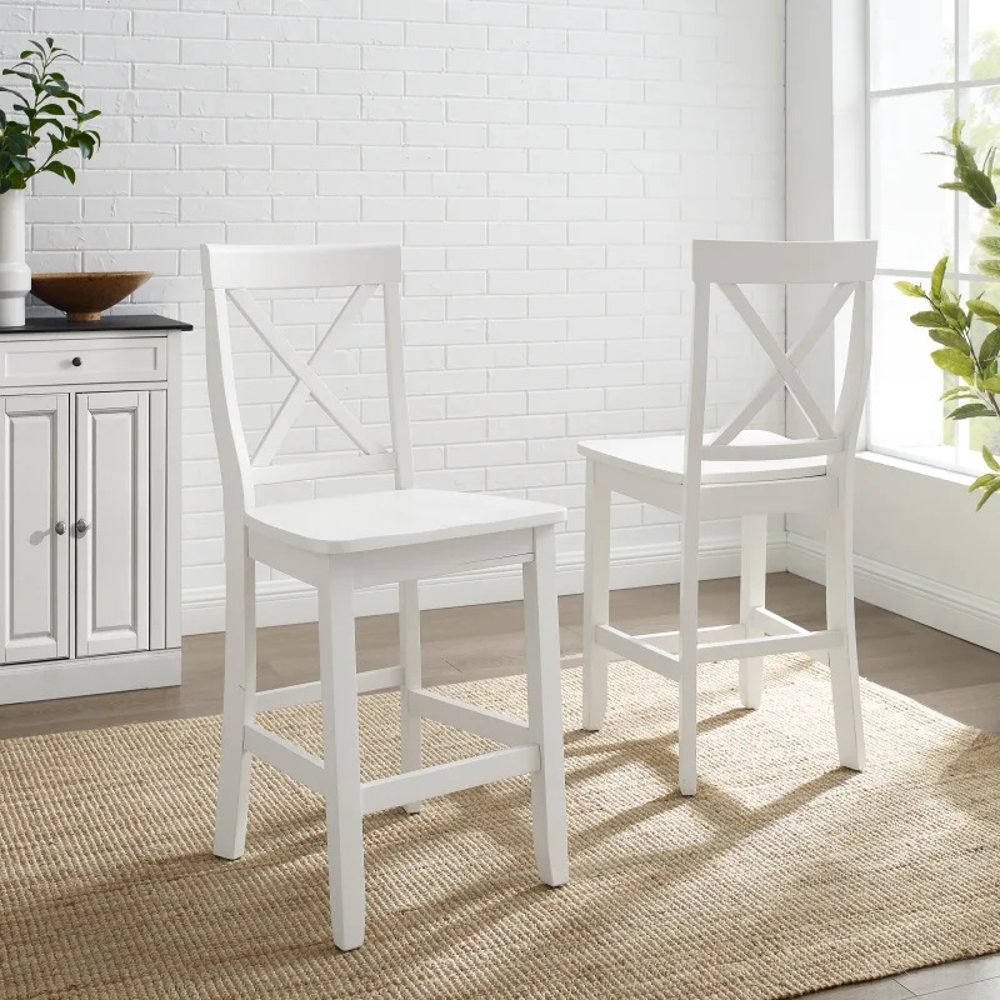
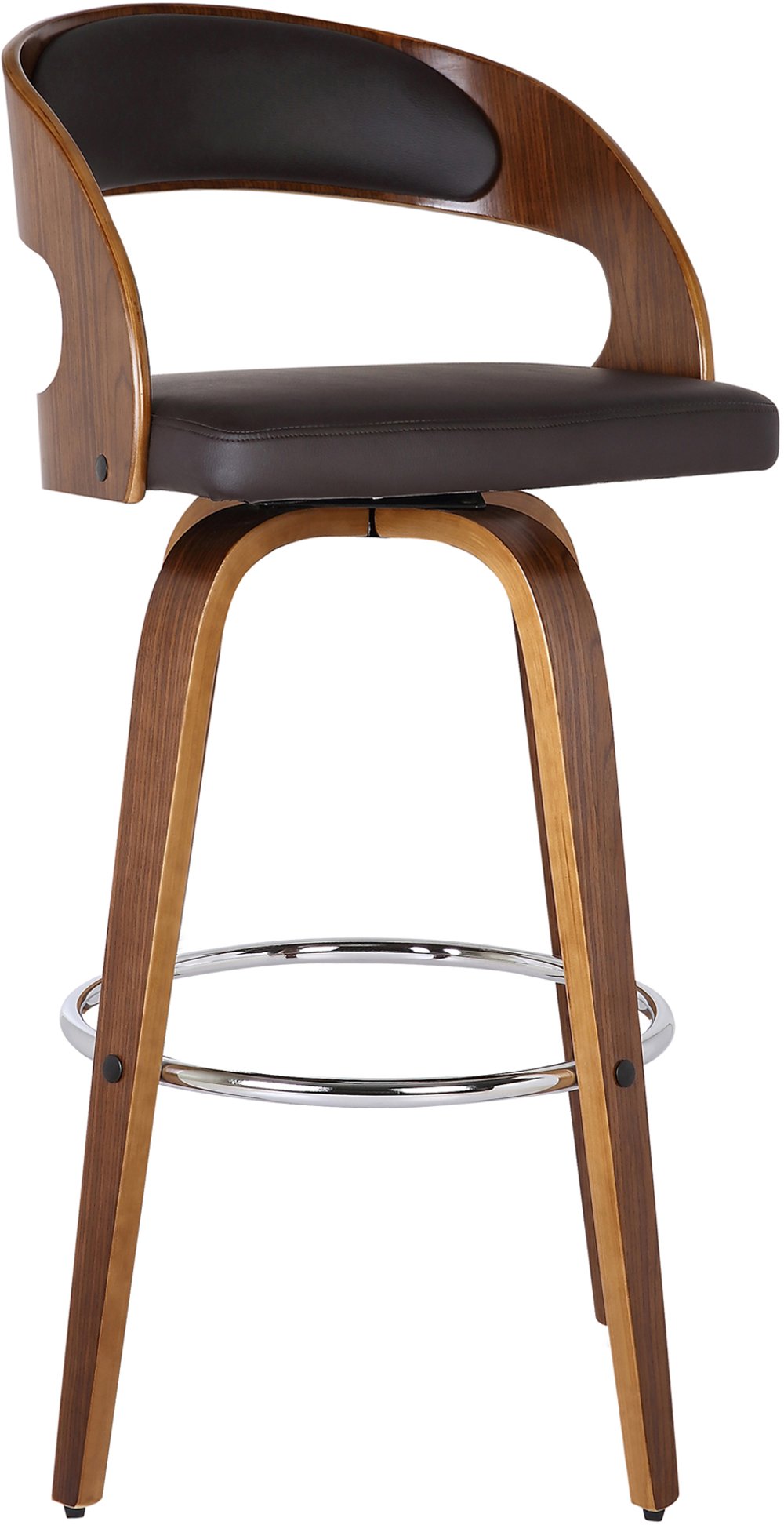
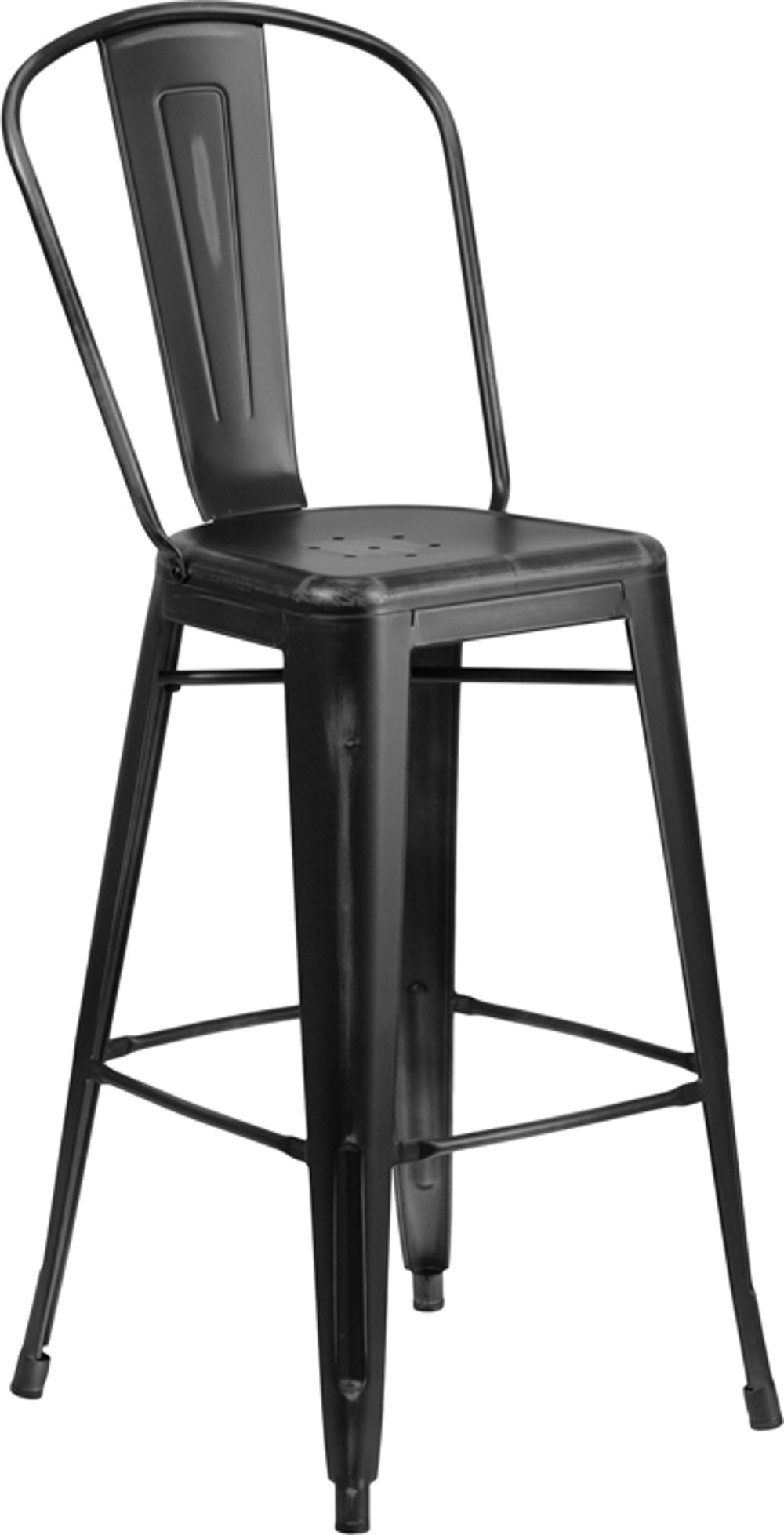
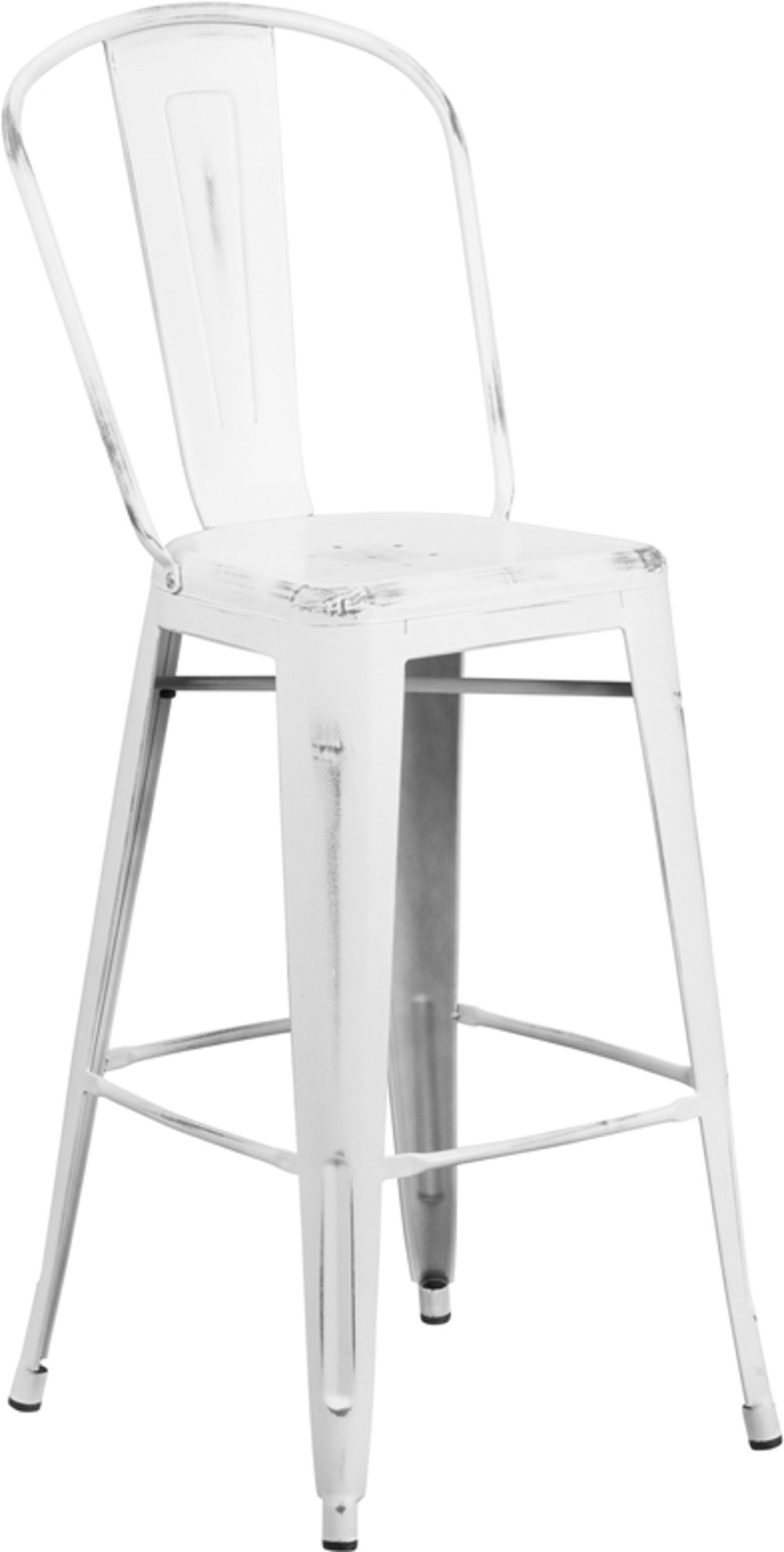
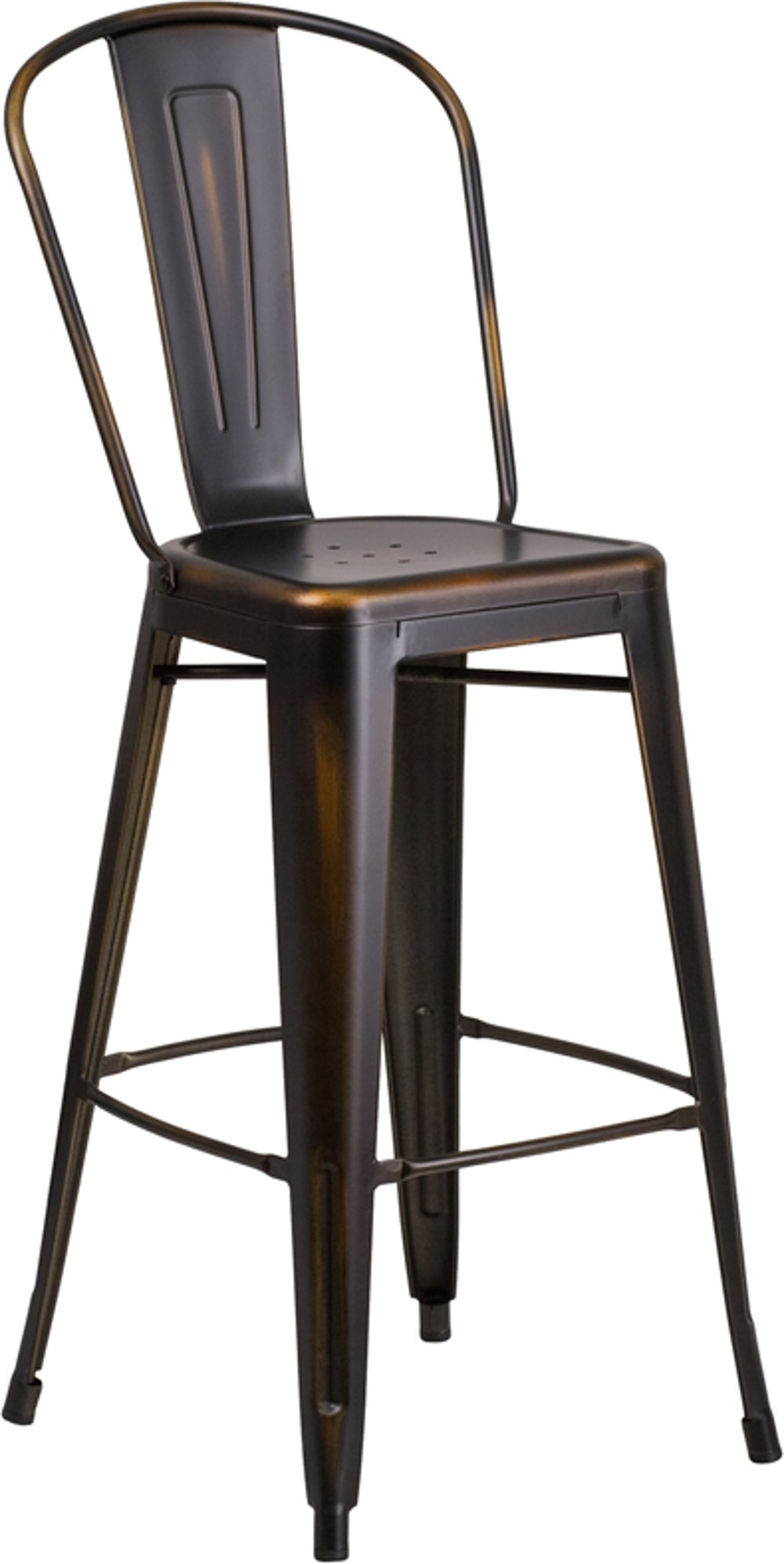
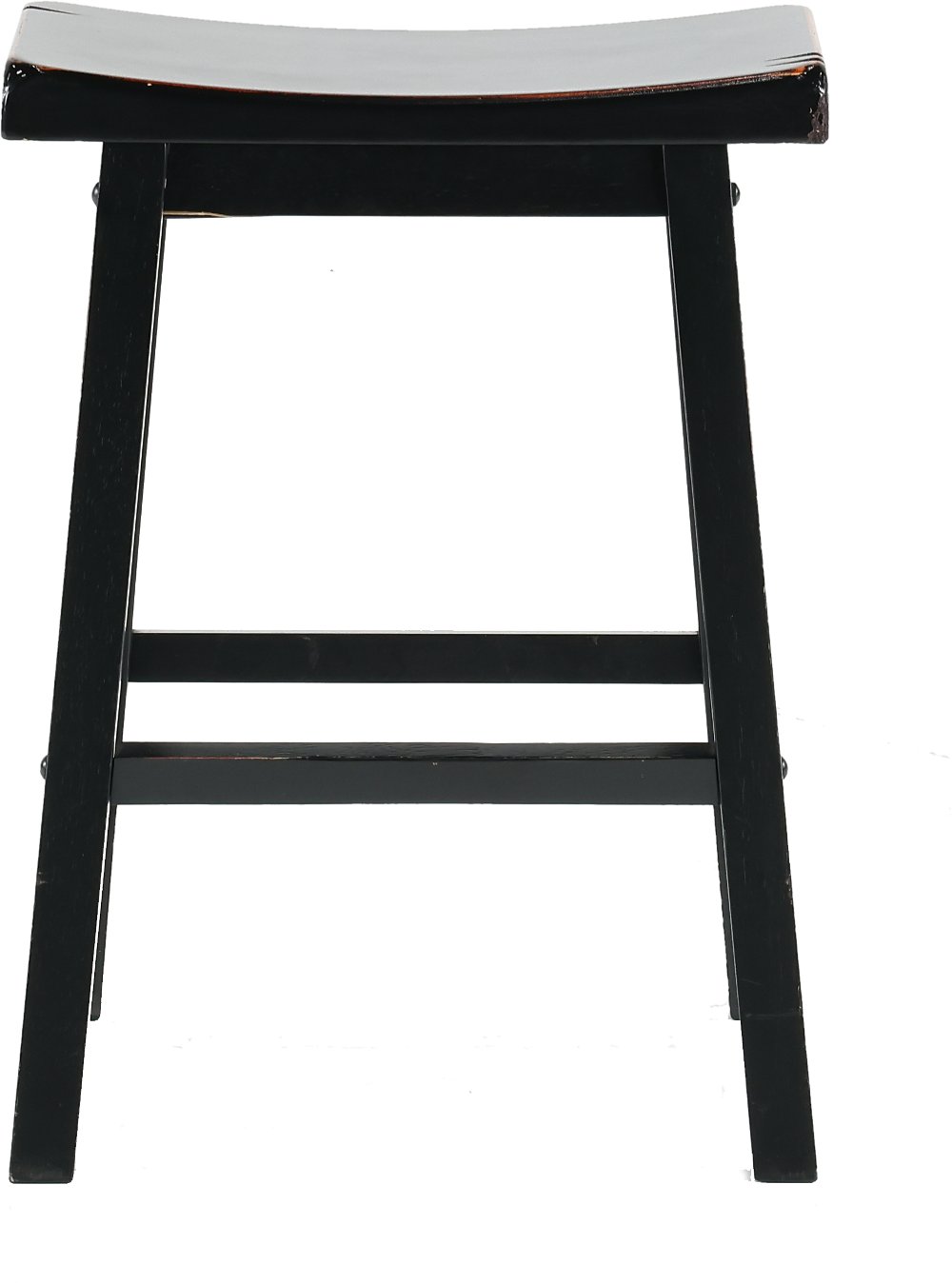
Kitchen seating includes dining chairs, counter stools, bar stools, benches, and banquette-style seating that make room for meals and everyday activities near the heart of your home. The right combination depends on where you sit, how much space surrounds the table or island, and what happens there throughout the day. A pair of stools can turn an island overhang into a breakfast spot, while supportive dining chairs suit a kitchen table that doubles as a place for homework or a long conversation. Benches offer flexible seating along one side of a table, and upholstered banquette seating can give an eat-in corner a more settled, comfortable feel. Each option brings something different to the layout: backless stools keep sightlines open, chairs with backs provide support, and seating with arms gives you a place to rest your elbows. Materials help set the tone, too. Wood kitchen chairs bring visible grain and natural variation to a room, whether the finish is light, dark, painted, or gently distressed. Metal frames offer a crisp profile that works with industrial details, simple cabinetry, or mixed-material furniture. Upholstered seats add softness and an opportunity to introduce color or texture without changing the cabinets or countertops. Woven seats and backs add another layer of texture, though their care requirements depend on the fiber and construction. Matching every finish isn’t necessary for a coordinated kitchen. A wood seat can echo the dining table, a metal frame can pick up the tone of cabinet hardware, and fabric can connect the eating area to an adjoining living room. Repeating one or two details helps different seating styles feel intentional. In an open floor plan, the backs of chairs and stools are often visible from several directions, so their shape matters as much as the view from the table. Slim frames keep a compact eating area visually open, while broader seats and upholstered backs give a larger space a more substantial presence.
Fit starts with the relationship between the seat and the surface above it. Standard dining tables are generally about 28 to 30 inches high and typically pair with chairs whose seats are approximately 18 inches from the floor. Counter-height surfaces are commonly 34 to 36 inches high and usually work with seats around 24 to 26 inches high. Bar-height surfaces, often 40 to 42 inches high, generally need stools with seats around 28 to 30 inches high. These ranges are starting points rather than substitutes for the actual measurements. Leaving roughly 10 to 12 inches between the seat and the underside of the tabletop or counter usually provides comfortable legroom, but a deep apron, support bracket, or thick cushion can change the fit. Arm height matters when a chair needs to tuck beneath a table, and footrests make taller seating more comfortable by giving your feet somewhere to land. Width deserves equal attention. Planning about 24 to 30 inches of counter space per person can help prevent crowded elbows, with wider stools, arms, and swivel seats often needing additional room. A stool that fits neatly beneath an island still needs space to pull out, and a swivel seat needs clearance to turn without striking a cabinet or neighboring seat. Around a kitchen table, approximately 36 inches from the table edge to a wall is a useful starting point for moving chairs; allow more room where people regularly walk behind seated diners. Compact layouts benefit from seating that tucks away without blocking drawers, appliance doors, or the route through the kitchen. For layouts that combine preparation space with a casual eating area, kitchen islands for small kitchens with seating bring the work surface and seating footprint into the same decision. A narrow island or modest overhang may suit a quick breakfast, while longer meals call for enough knee space and a seat that feels comfortable beyond the first few minutes. Benches also need careful measuring: the seat length should suit the table, and the legs must clear the table base if the bench will slide underneath.
Daily use helps determine which construction and upholstery details matter most. A busy kitchen where cereal bowls, craft supplies, and dinner plates share the same table benefits from surfaces that are straightforward to clean. Finished wood and metal seats can simplify crumb cleanup, while upholstered seating provides cushioning for people who spend more time at the table. Fabric labeled for stain resistance may make spills easier to manage, but it still needs prompt attention and care that follows the manufacturer’s instructions. Removable cushions can offer cleaning flexibility when their covers are designed to come off; a zipper alone doesn’t mean a cover is machine washable. Leather and leather-look upholstery each have their own cleaning requirements, so it’s worth checking the recommended method rather than treating them interchangeably. For routine care, removing crumbs, blotting spills promptly, and drying damp hard surfaces can help preserve the finish. Harsh cleaners, excess moisture, and abrasive pads can damage some materials. Durability also comes from the frame, joints, hardware, and suitability for the person using the seat. A stool that rocks on a level floor needs attention, and screws or bolts may require periodic tightening according to the assembly instructions. Manufacturer weight limits and intended-use guidance are more useful than appearance alone when assessing a seat. Felt pads or appropriate floor protectors can help reduce scuffs, provided they suit both the furniture feet and the flooring. For households with children, stable seating, supportive backs, and a height that allows comfortable access deserve particular consideration; tall swivel stools won’t suit every family member. Adults who prefer a firmer seat may favor shaped wood, while those settling in for conversation may appreciate cushioning and back support. Choosing kitchen seating around those everyday habits creates a place that feels natural to use, whether someone is eating toast before work, helping with homework, or staying at the table after dinner.
Read More