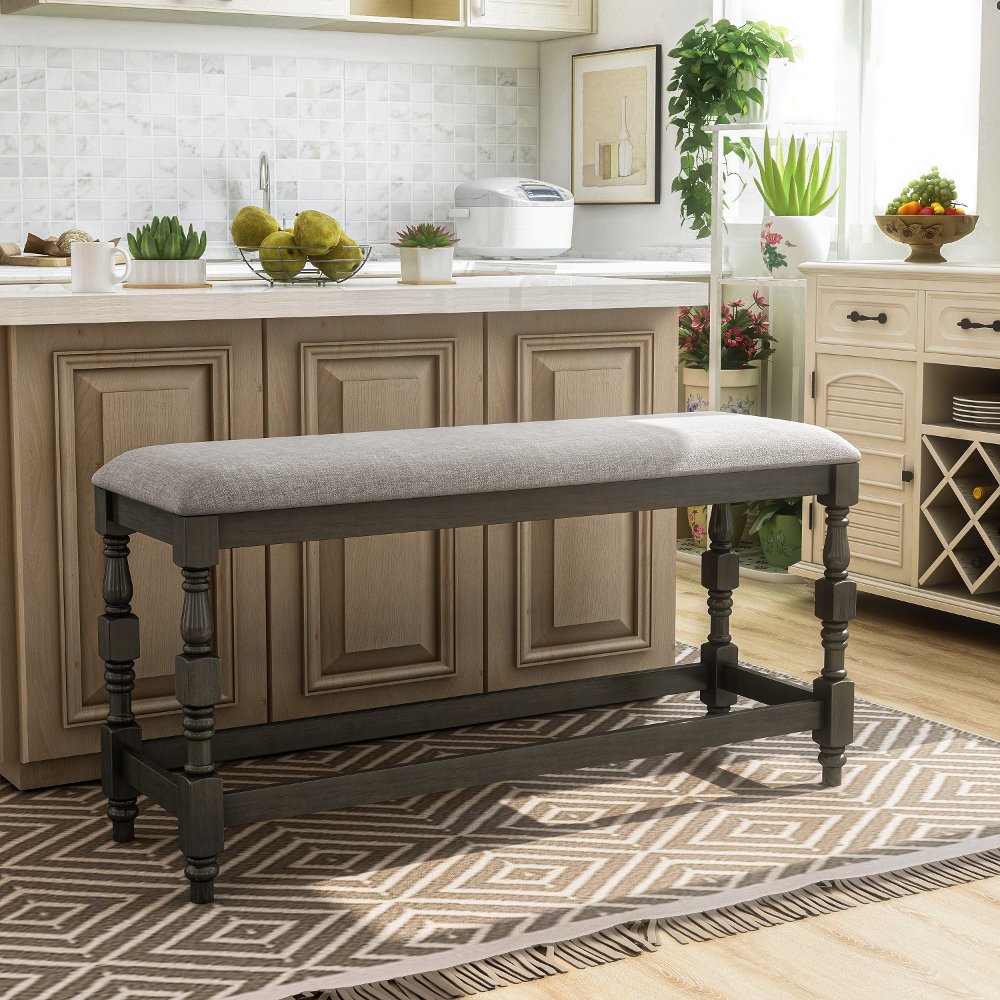
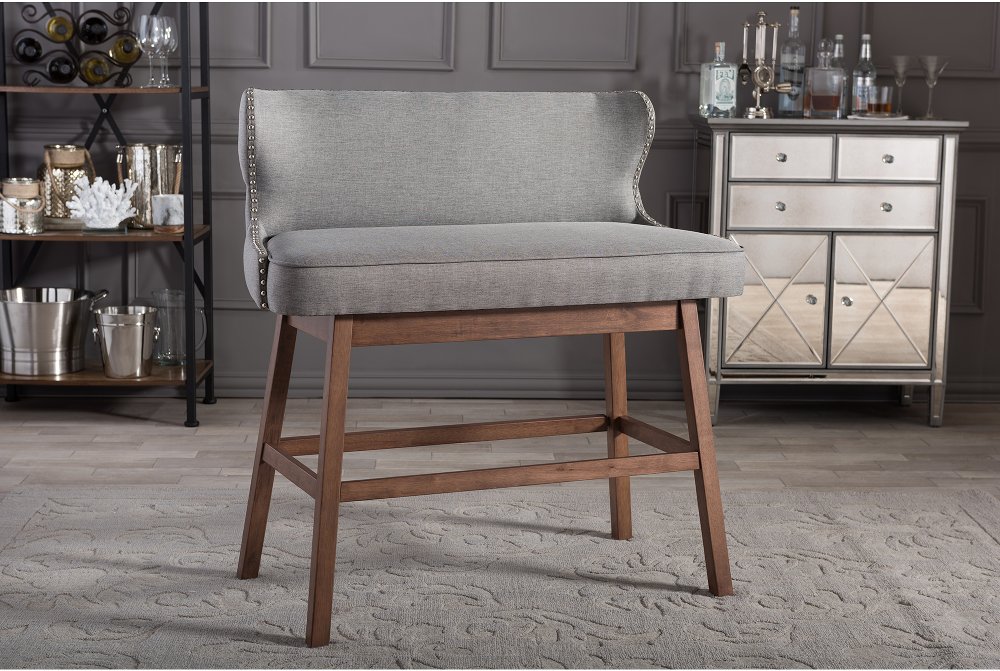
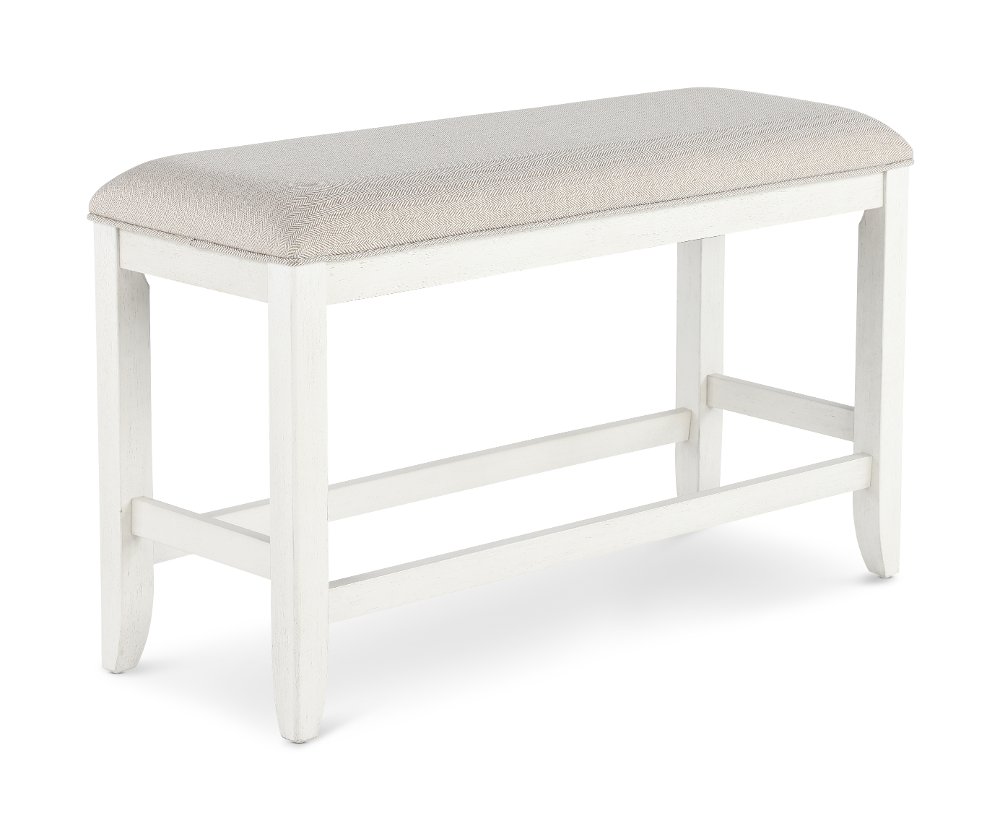
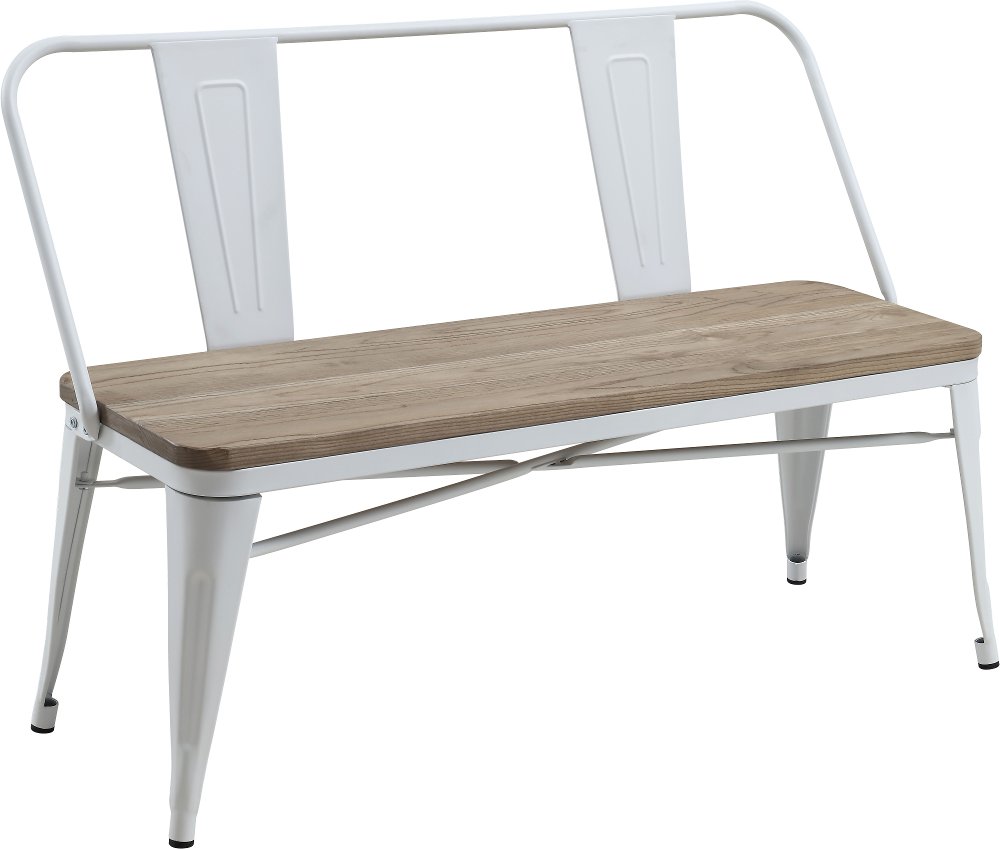
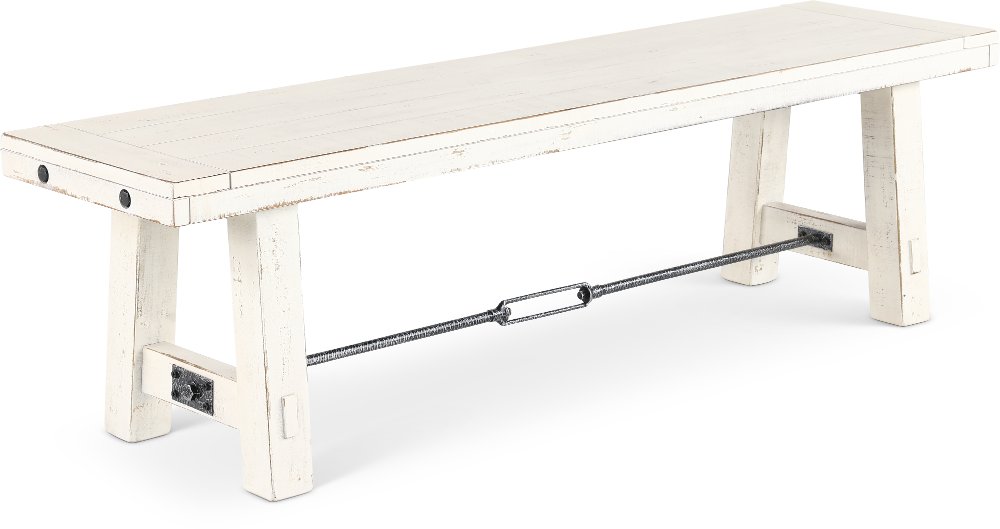
Kitchen seating benches bring a welcoming, practical feel to one of the most lived-in spaces in your home. Also called dining benches or banquettes, they give family and guests a comfortable place to gather around a kitchen table, breakfast nook, or dining area while making thoughtful use of available space. A backless bench can slide neatly beneath a table when you need more room to move through the kitchen, helping preserve open sightlines and a less crowded feel. A bench with a back can create a more traditional dining experience, with added support for lingering over dinner, helping with homework, or enjoying a second cup of coffee while the kitchen gets busy around you. Benches also make it easier to seat several people side by side without the visual weight of multiple chairs. They can work especially well in apartments, smaller dining areas, open-concept homes, and rooms with an awkward corner that could become a cozy breakfast spot. Before choosing one, measure the area where the bench will sit, including the distance needed to pull it away from the table and walk comfortably around it. Compare the bench’s length with your table so the proportions feel balanced, and consider leaving roughly 18 to 24 inches of seating space per person for a comfortable fit. A longer bench may be useful for family meals and entertaining, while a compact design can be a better match for a two-person table or a narrow nook. Height matters, too: the seat should pair naturally with your table, leaving enough legroom for adults and children to sit comfortably. If you’re furnishing a complete dining area, exploring Bench Dining Sets can help you coordinate the seating and table in one cohesive look.
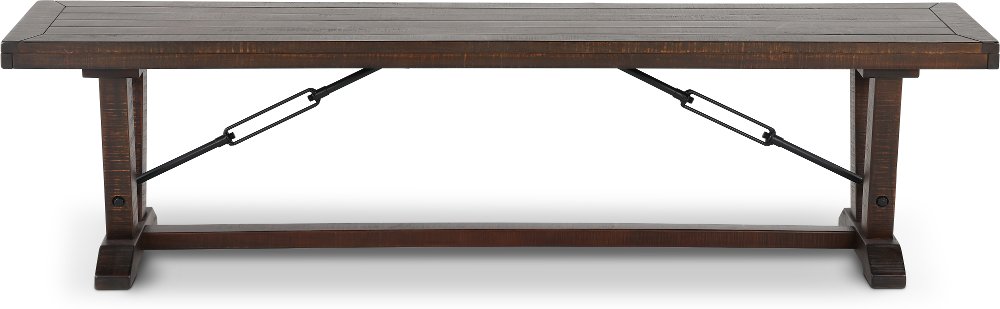
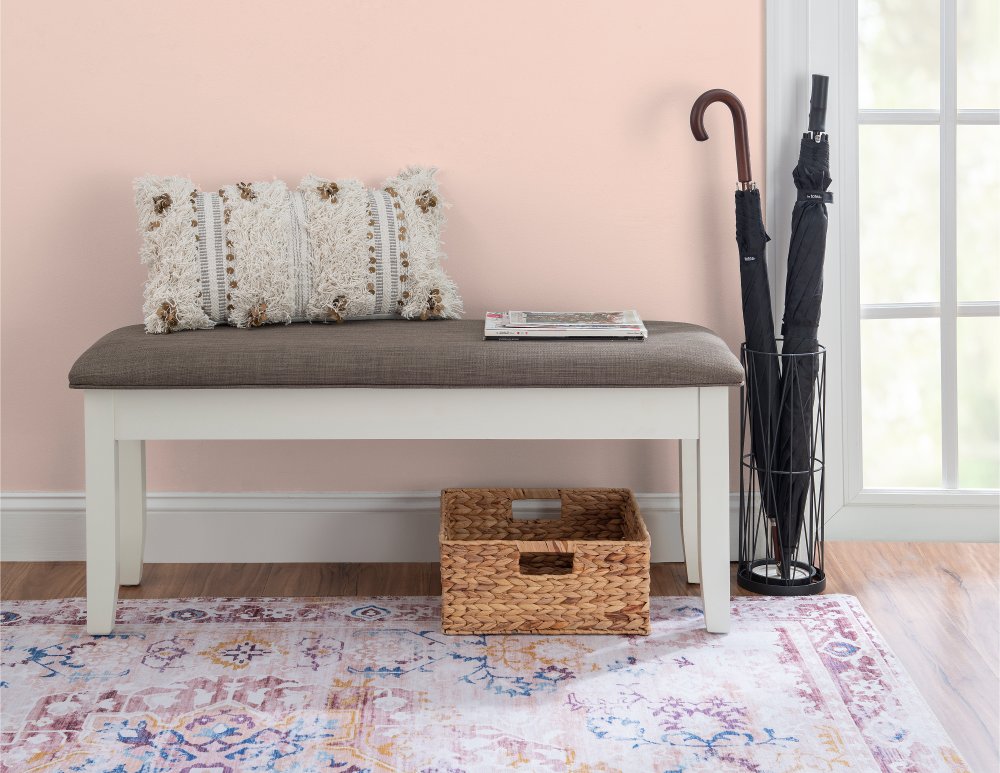
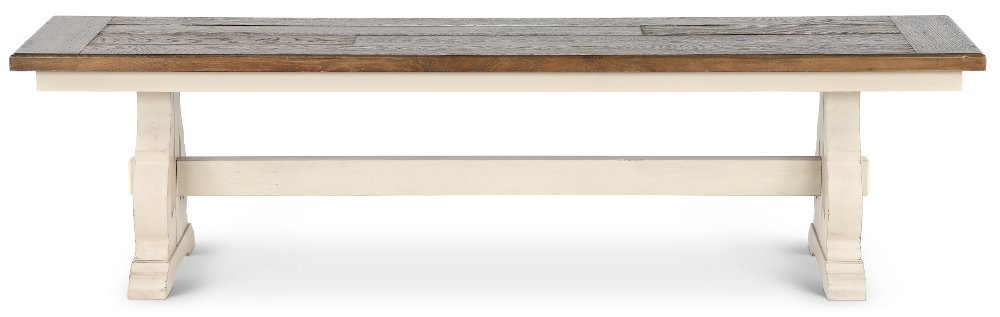
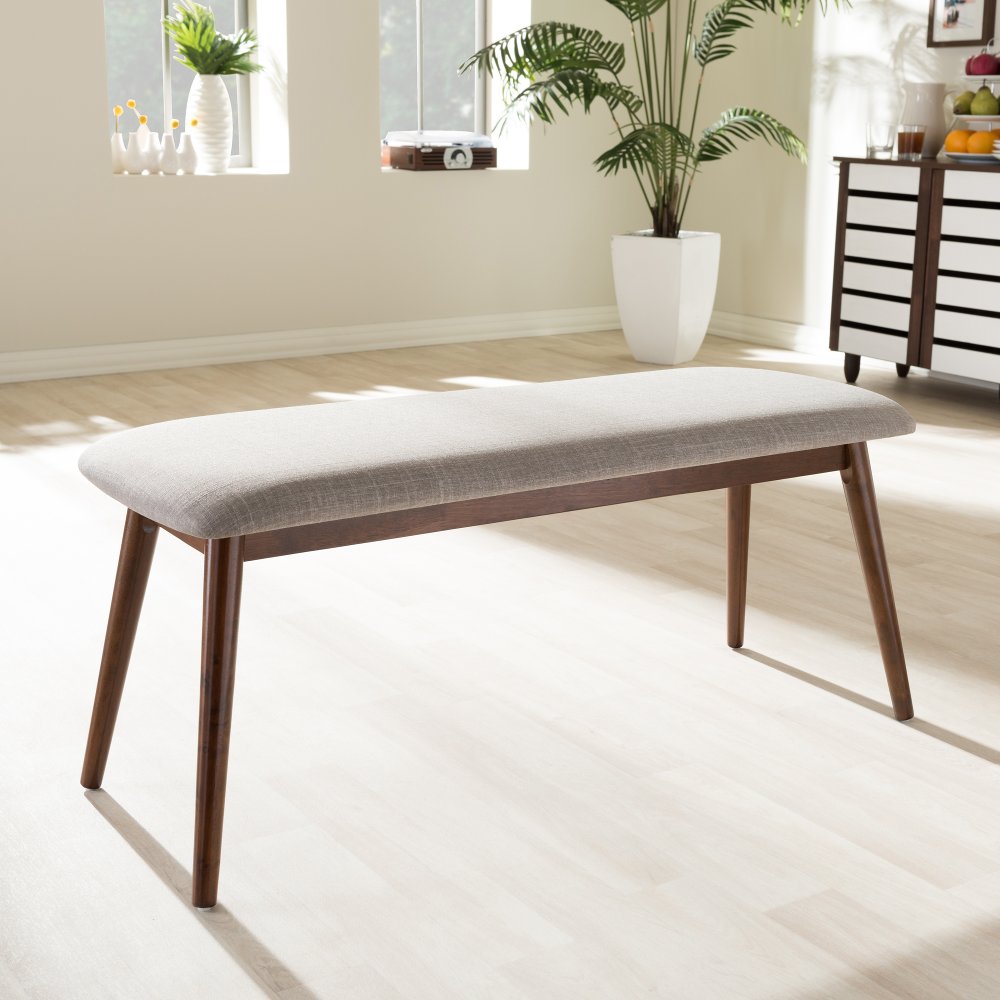
The right kitchen seating bench depends on how your household uses the room. A wood bench brings a sturdy, grounded character that suits farmhouse, traditional, rustic, and casual spaces, and it can be dressed up with a seat cushion or a few washable pillows. Upholstered seating creates a softer landing spot for longer meals and relaxed gatherings, with fabric or faux leather offering different looks and care routines. If young children regularly join you at the table, consider a material that’s easy to wipe clean and a shape without unnecessary crevices where crumbs can collect. If the bench will sit in a busy walkway, a backless style can make the room feel more open and allow people to slide in and out easily. If it will rest against a wall, a bench with a back or a more substantial banquette can add comfort while defining the dining nook as its own destination. Storage is another useful consideration. Some benches include space beneath the seat for placemats, table linens, serving pieces, board games, or the collection of reusable bags that seems to multiply near every kitchen door. Built-in drawers or lift-up seats can help you make the most of a compact home, while an open lower design keeps everyday items easy to reach. Look for construction and finishes that fit your routines, especially if the bench will handle daily breakfasts, after-school snacks, weekend baking projects, and holiday meals. Rounded edges can create a softer look in family spaces, while clean lines and a simple silhouette can complement a modern kitchen. Color also makes a difference: natural wood tones add warmth, neutral upholstery blends easily with changing décor, and a deeper shade can anchor a light, airy dining area. During the cooler months, a comfortable bench can make a kitchen feel even more inviting, giving everyone a place to gather close while soup simmers, bread warms, or a board game stays on the table a little longer.
Kitchen seating benches can serve many households, from first-time apartment dwellers creating a small dining corner to growing families that need flexible seating for everyday life. They can be especially helpful in homes where the kitchen table does more than host meals. A bench can give children a comfortable place to draw, provide a landing spot for sorting groceries, or offer a nearby seat while someone prepares dinner. In an open-plan home, it can help connect the kitchen and dining areas without visually dividing them. In a larger room, two benches placed on opposite sides of a table can create a relaxed, communal arrangement, while a bench paired with chairs gives each person a different kind of seating and keeps the look from feeling too formal. These pieces can also make thoughtful gifts for someone moving into a new home, furnishing a first apartment, renovating a kitchen, or building a dedicated breakfast nook. A bench is useful without being overly personal, and its everyday purpose becomes part of the home’s story: cousins squeezed together for pancakes, friends gathered around a shared meal, or grandparents taking a comfortable seat while everyone catches up. When selecting one, think about the people who will use it most, the amount of maintenance you’re comfortable with, and the feeling you want the space to create. A well-chosen kitchen bench should fit the room, support the way you live, and make it easier for people to stay at the table just a little longer.
Read More