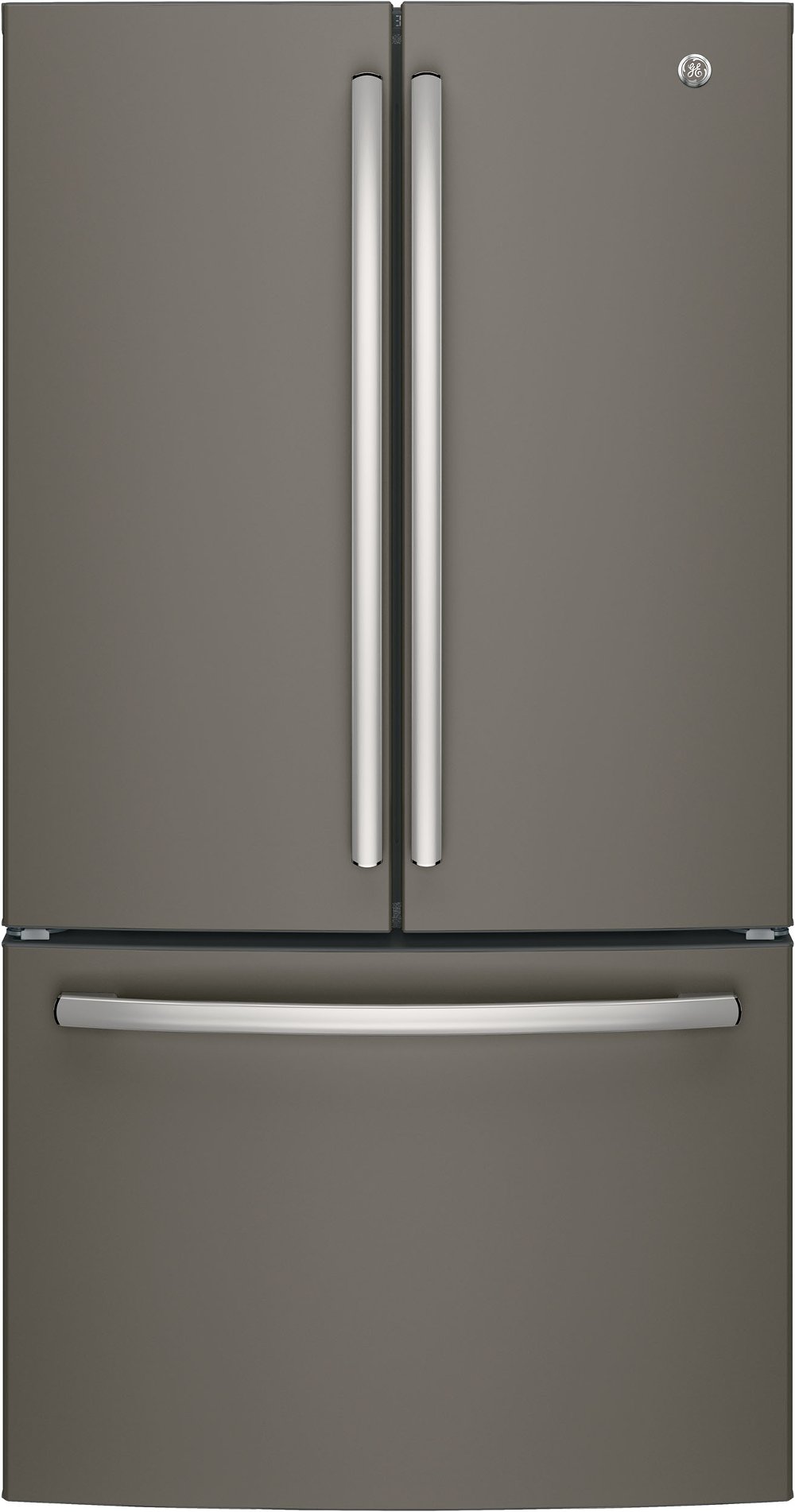
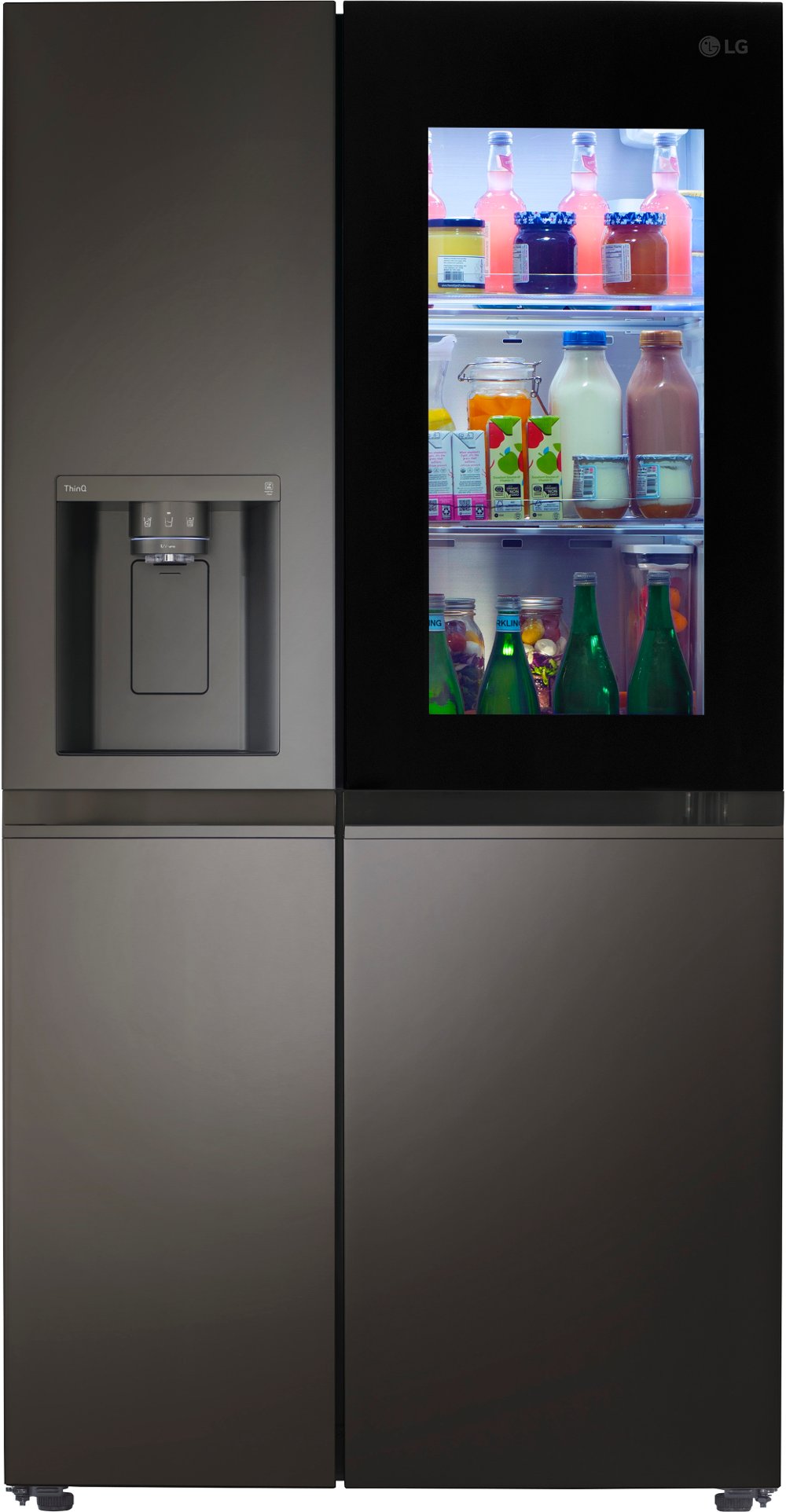
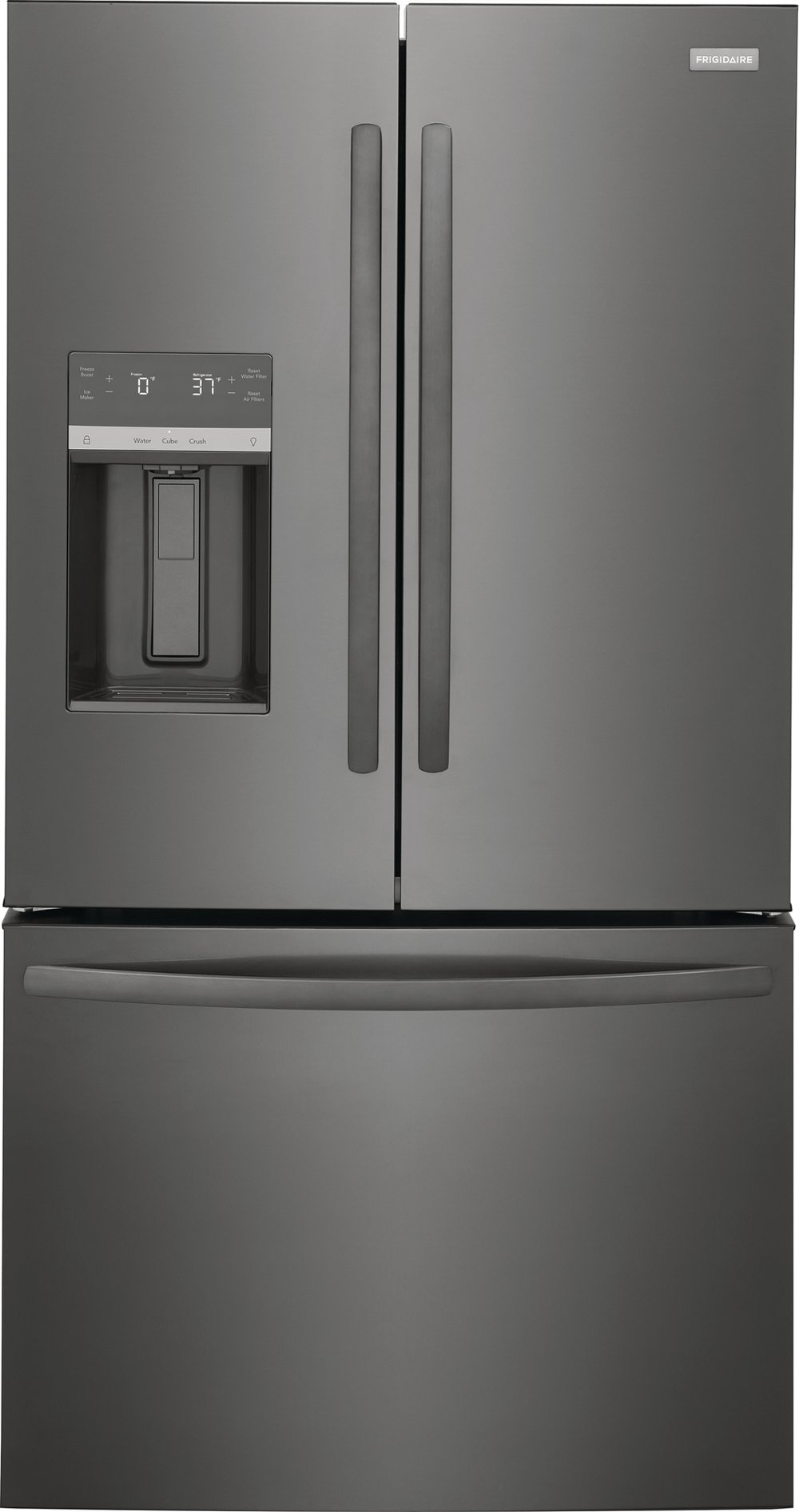
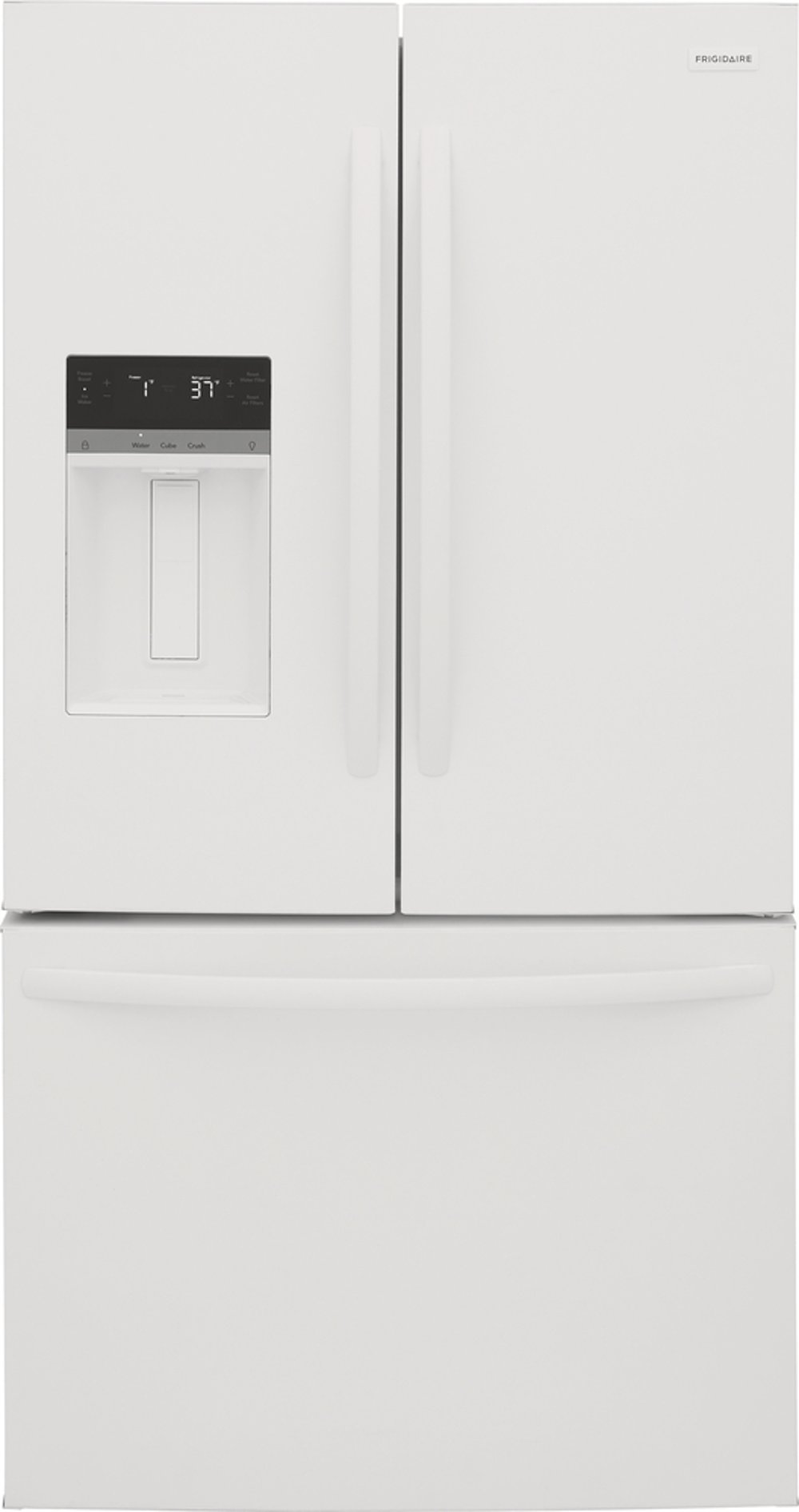
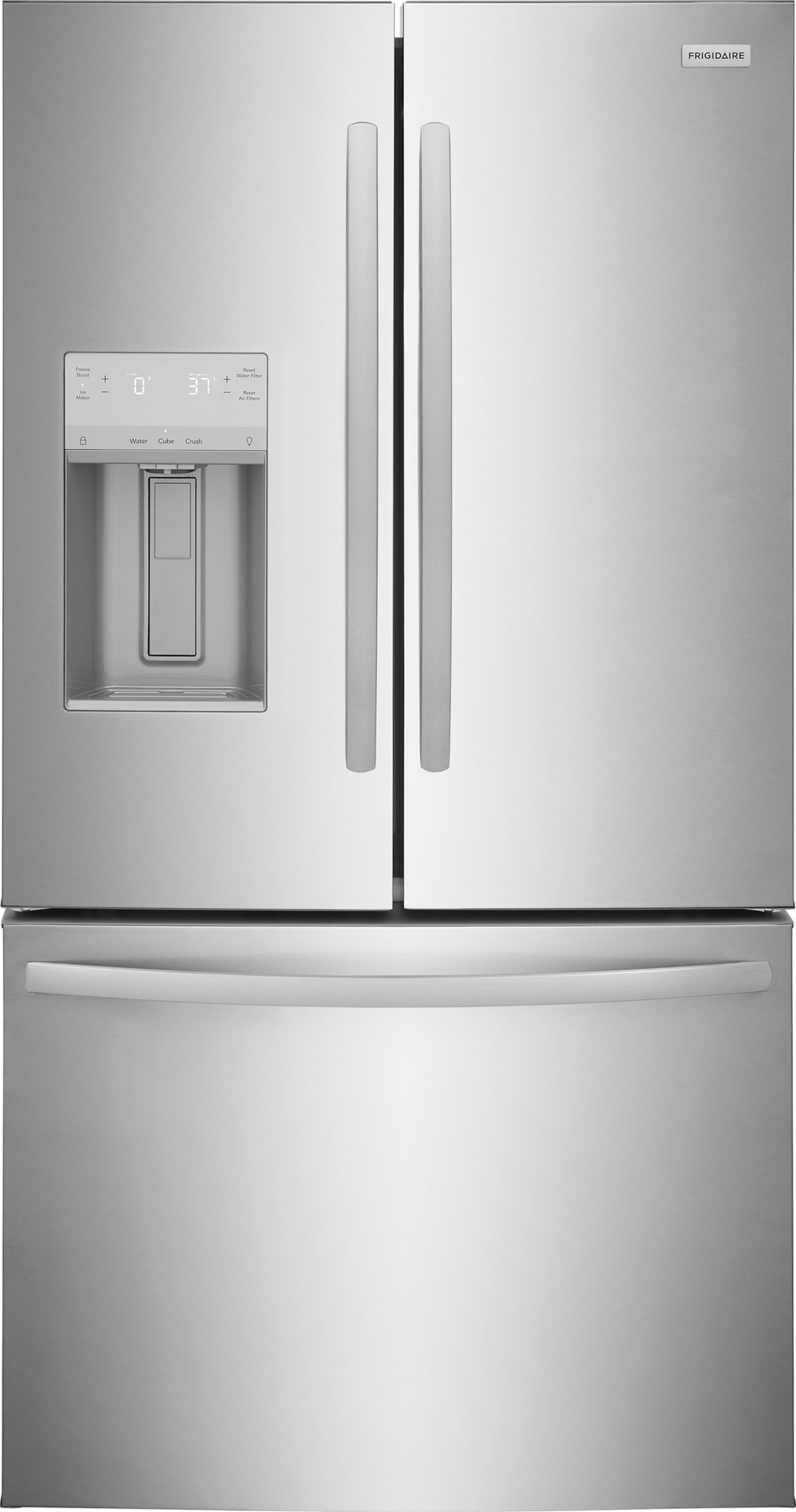
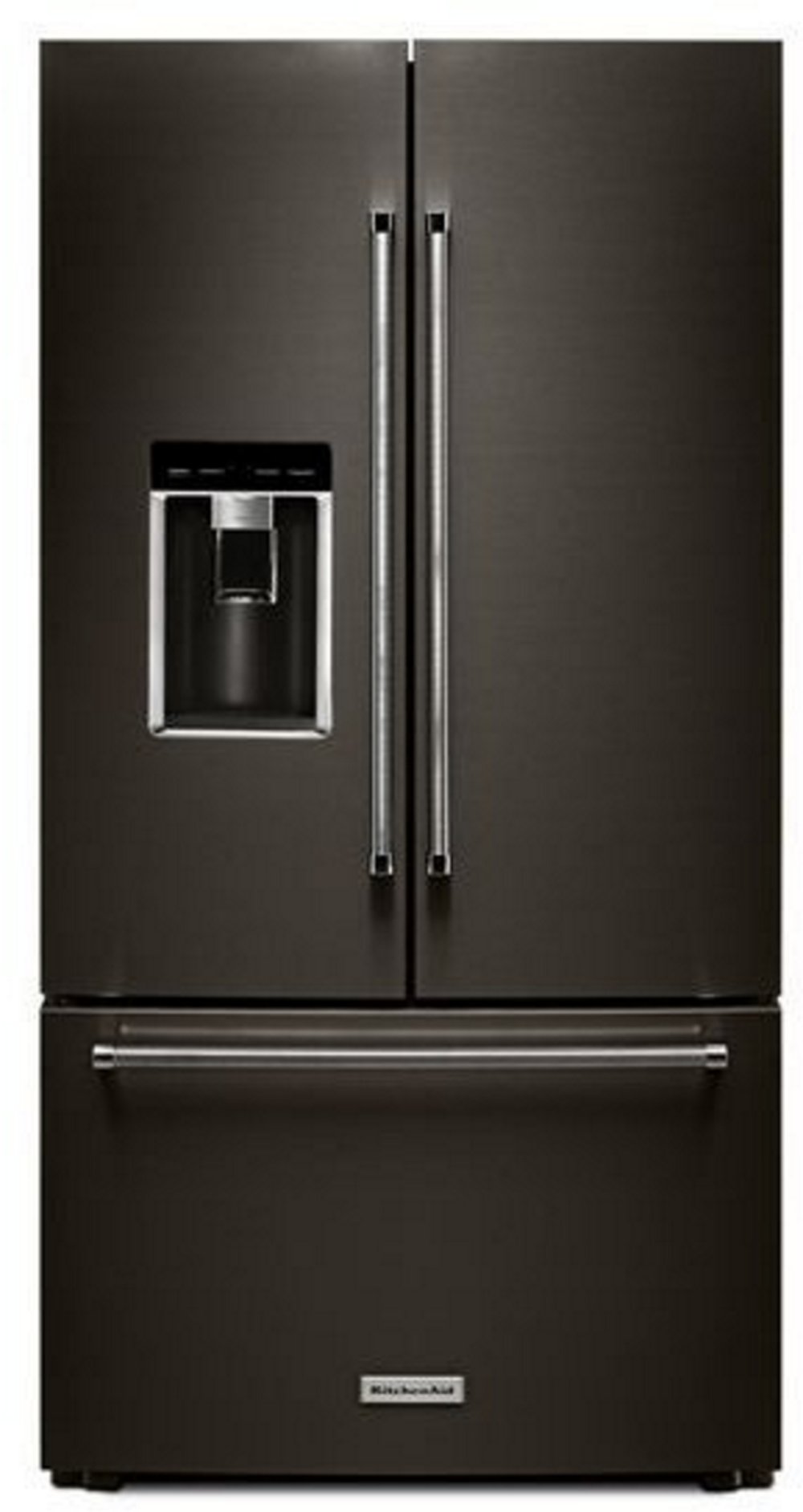
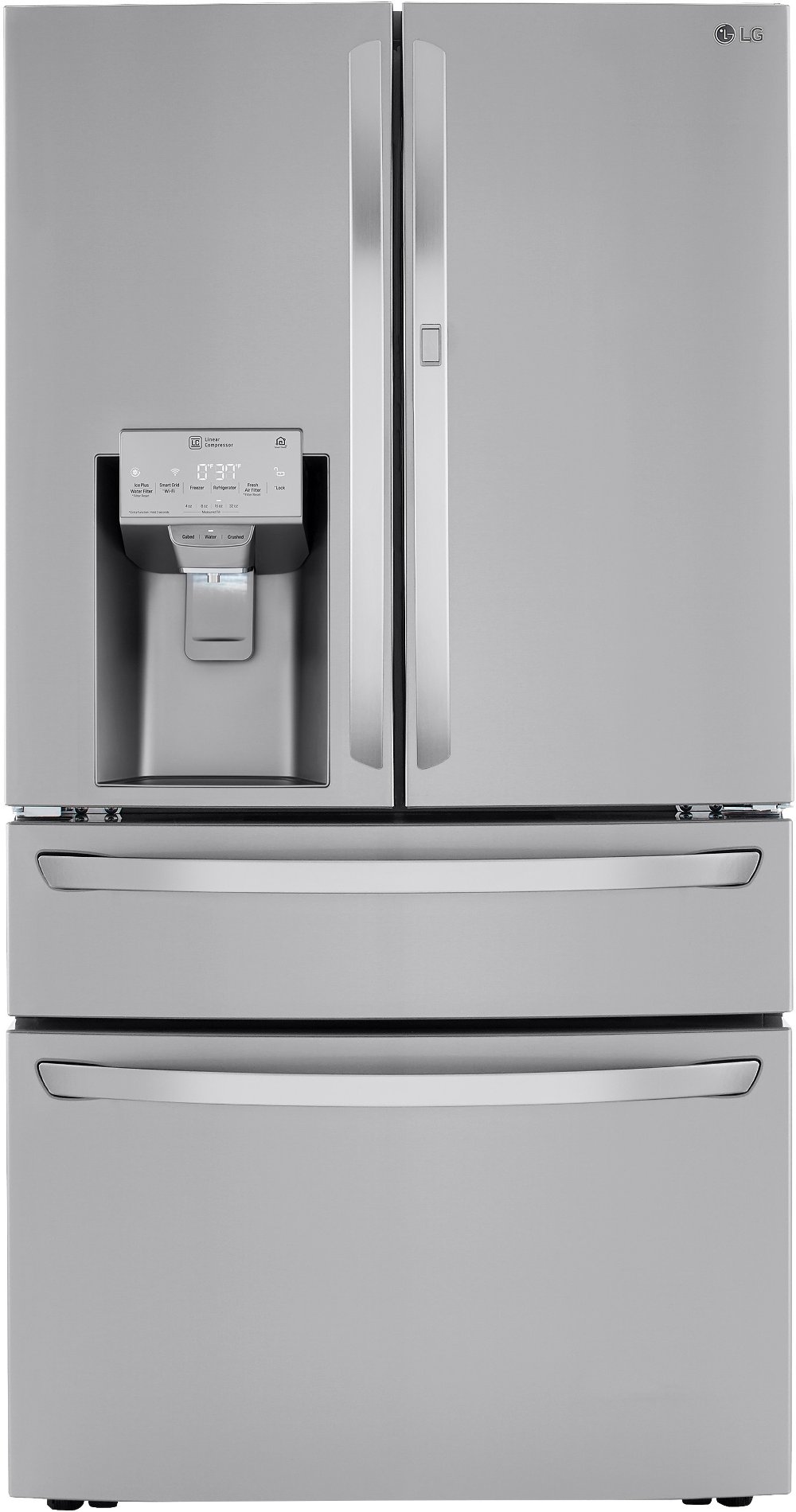
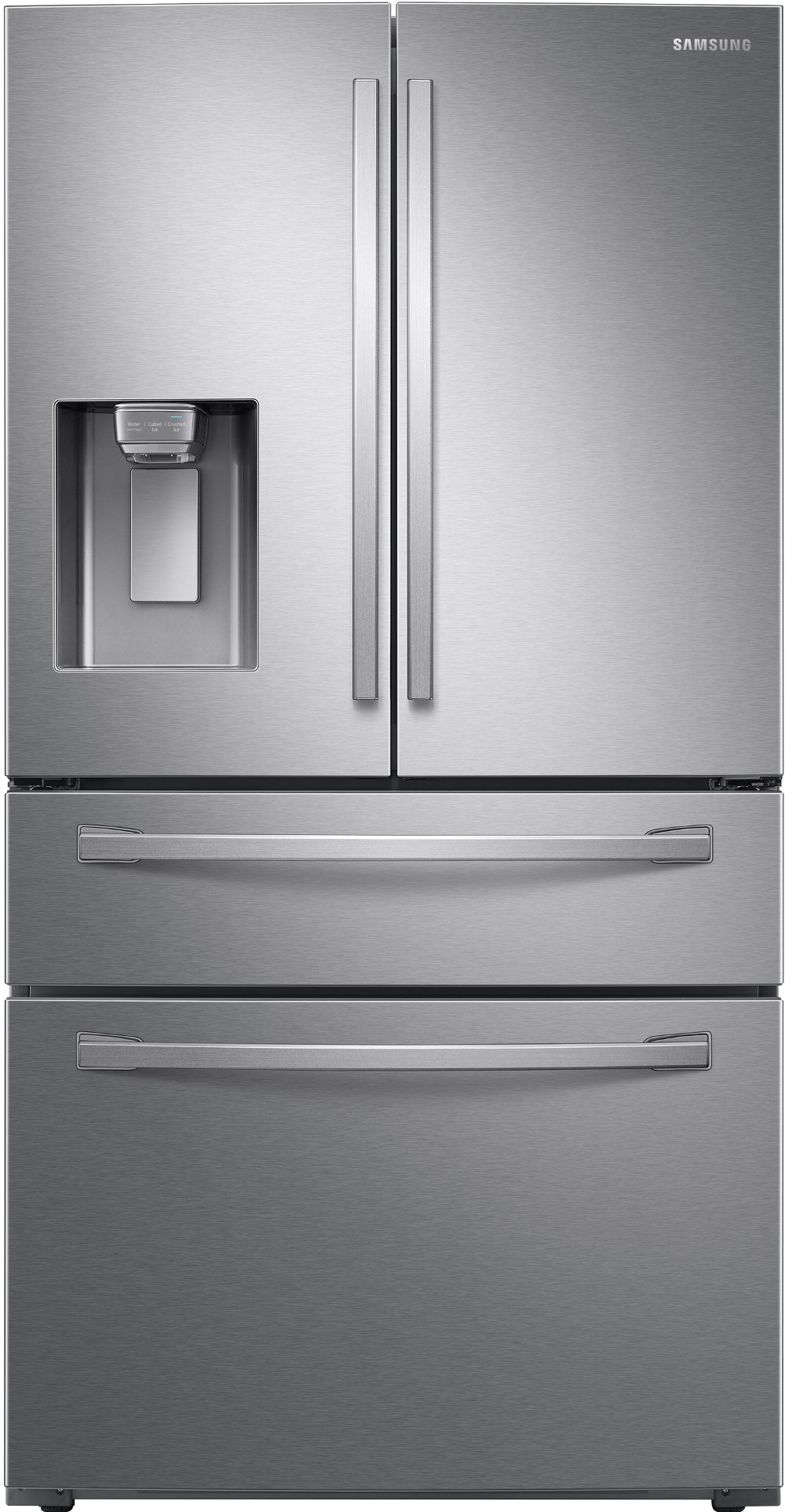
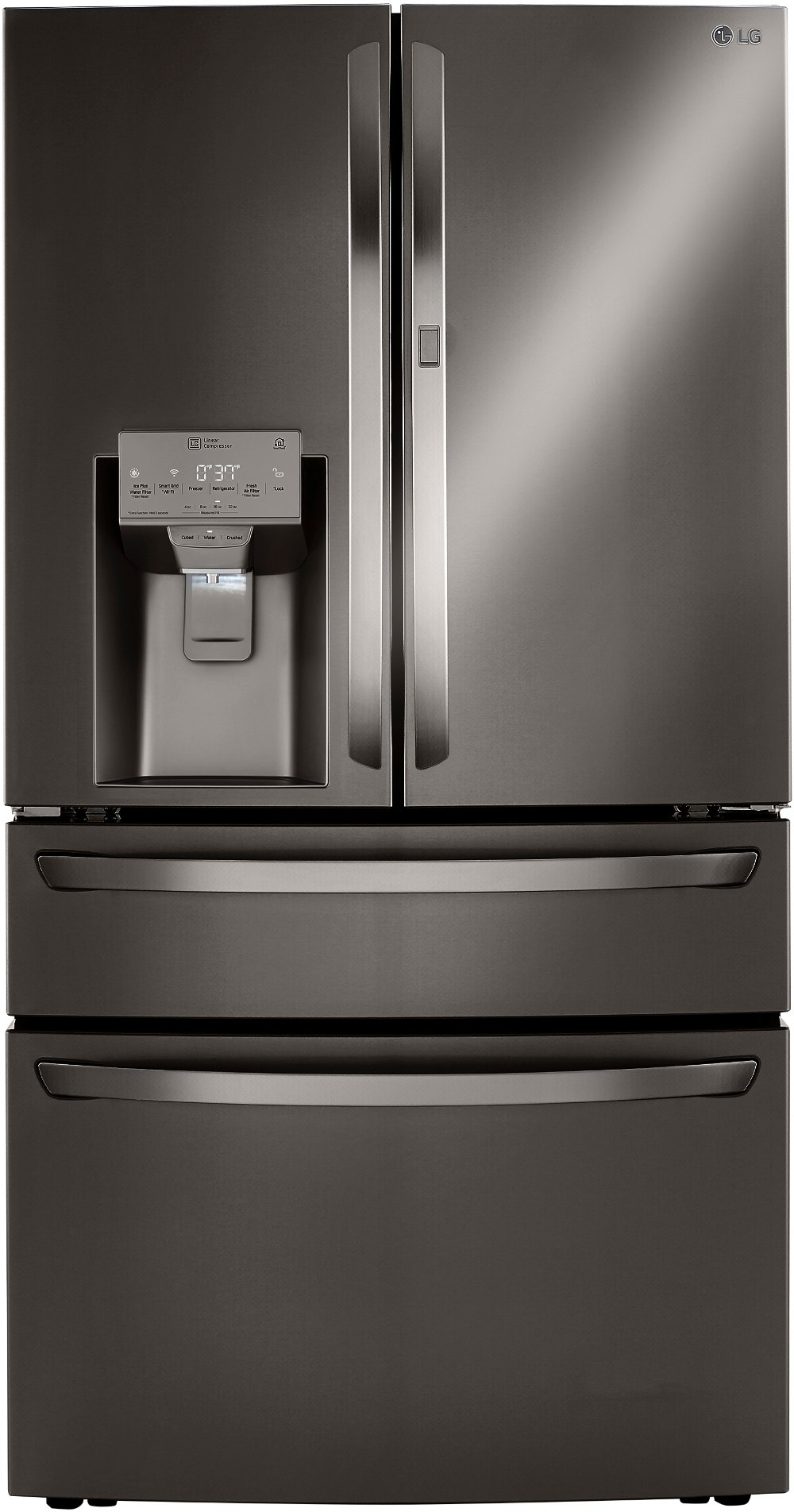
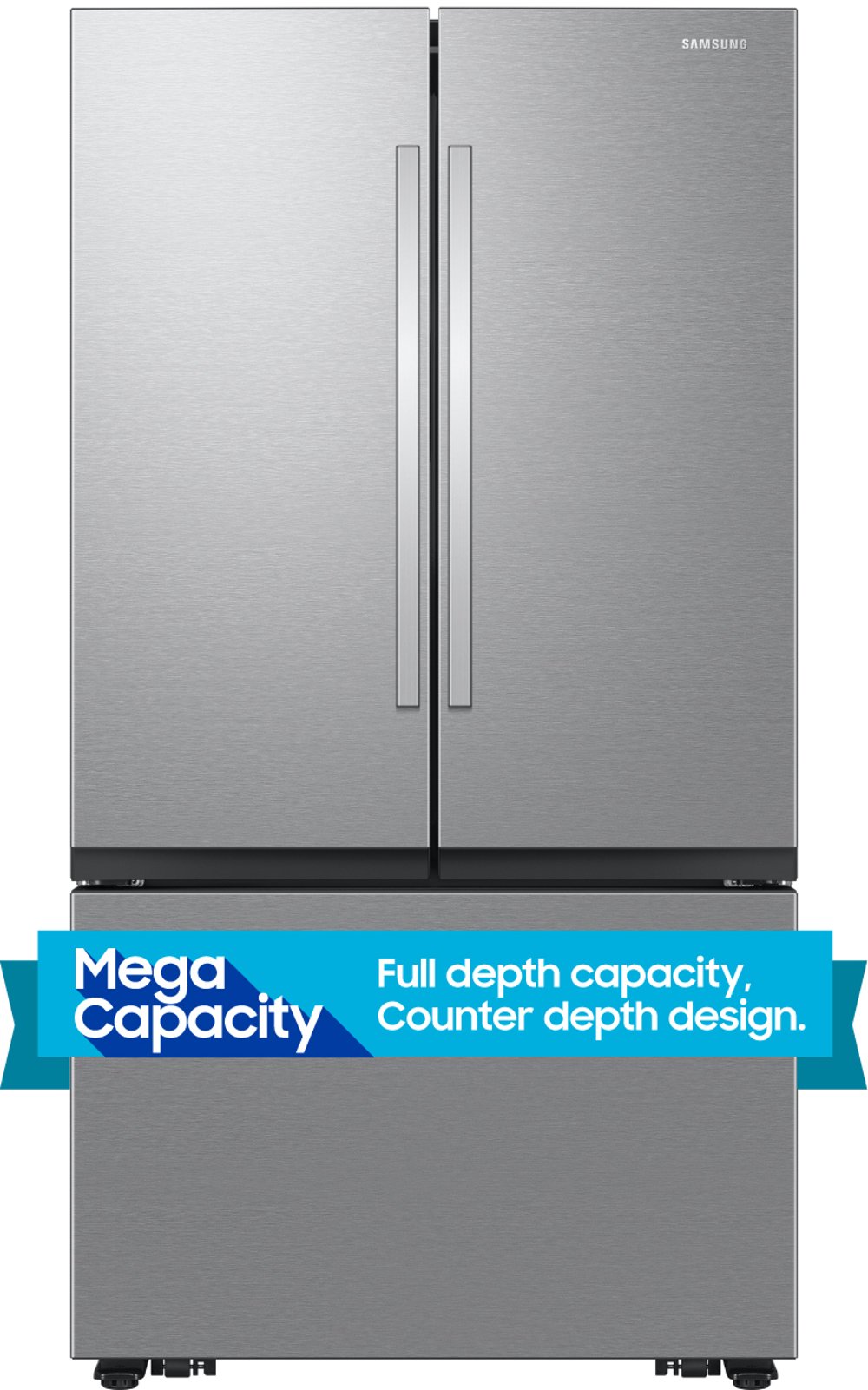
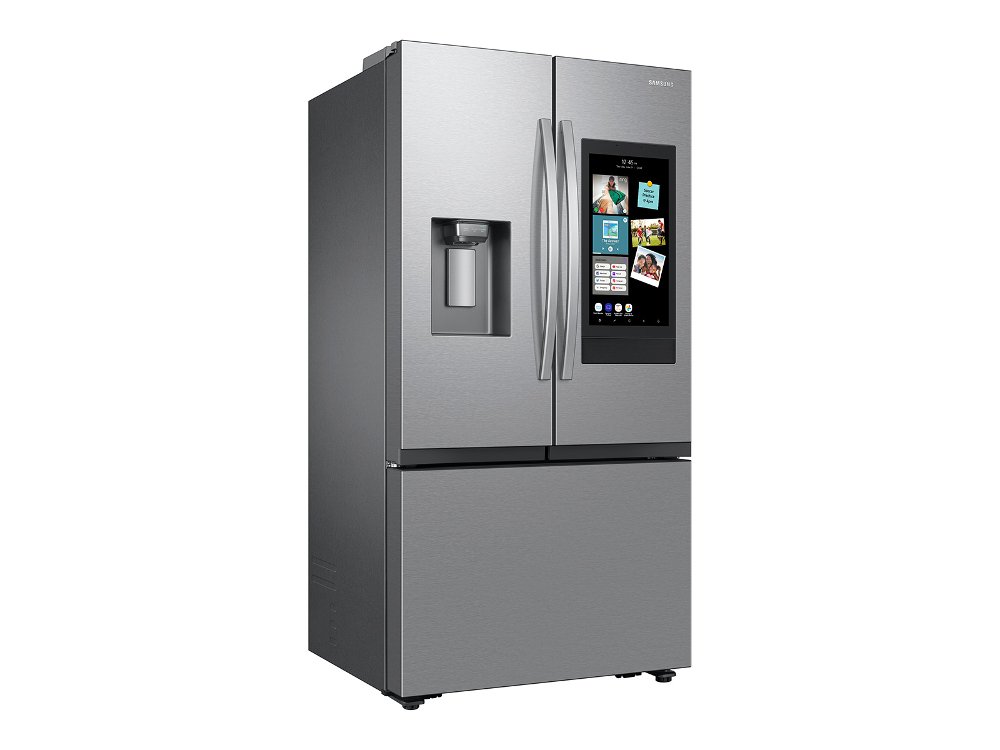
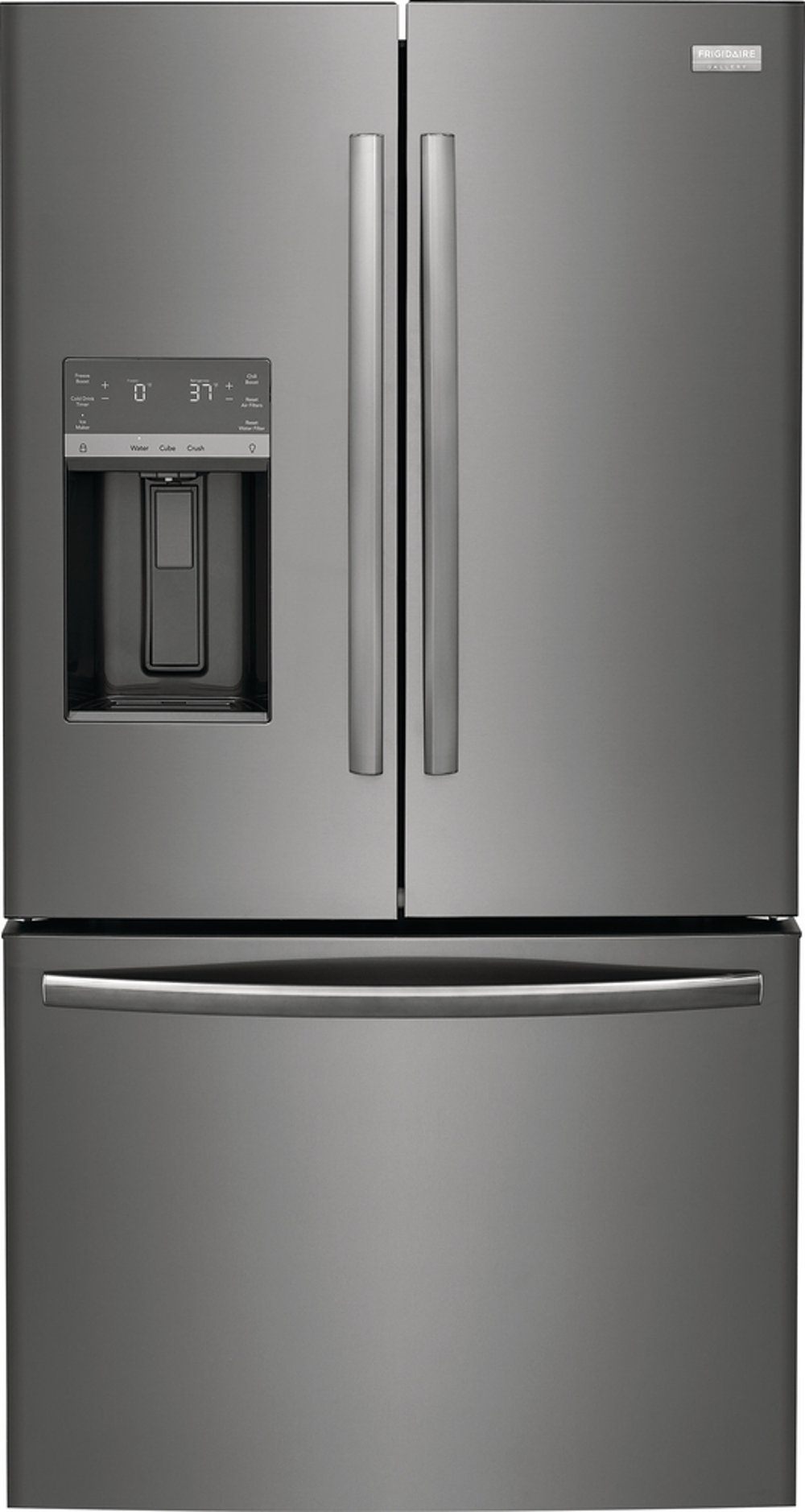
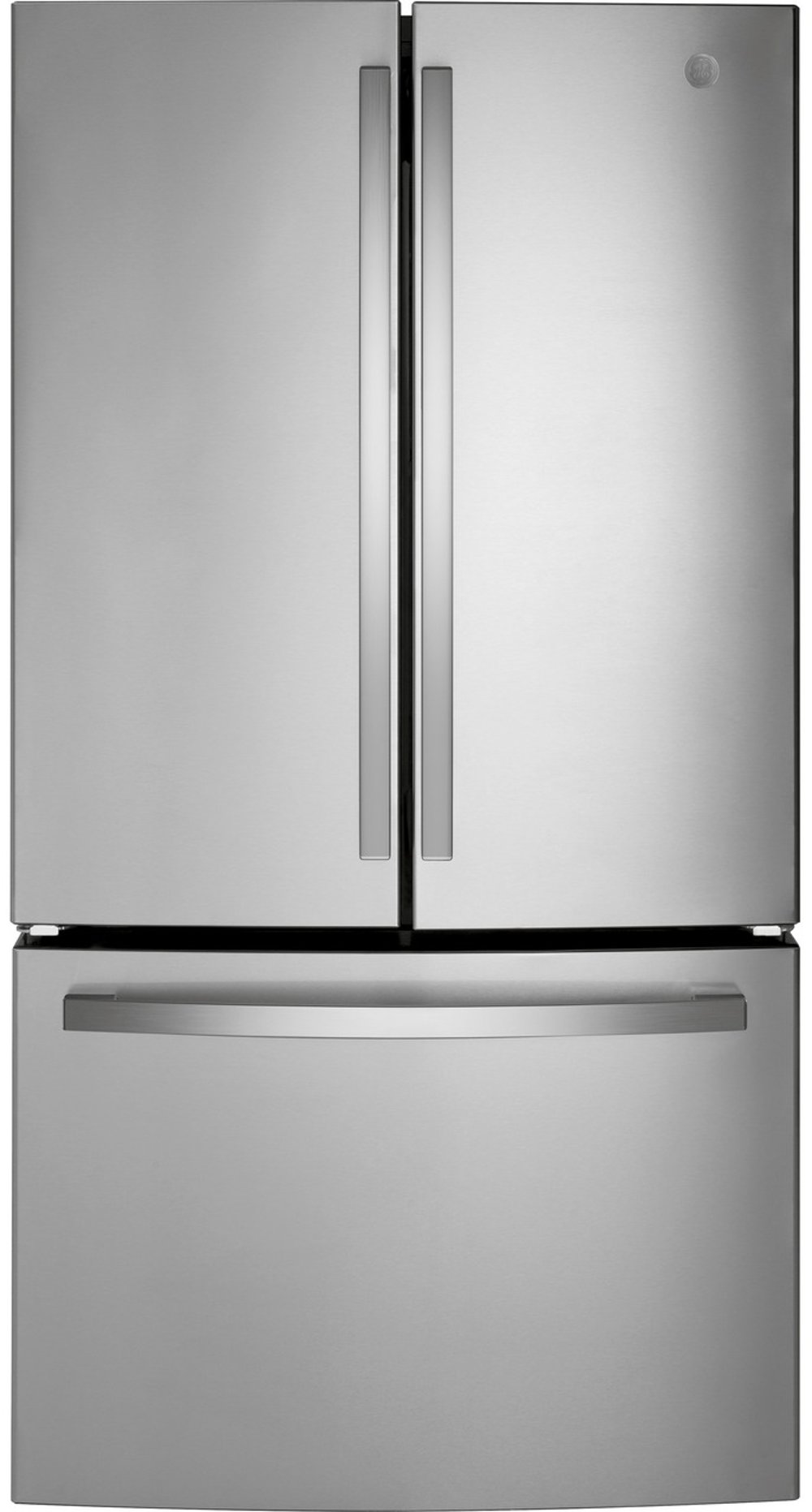
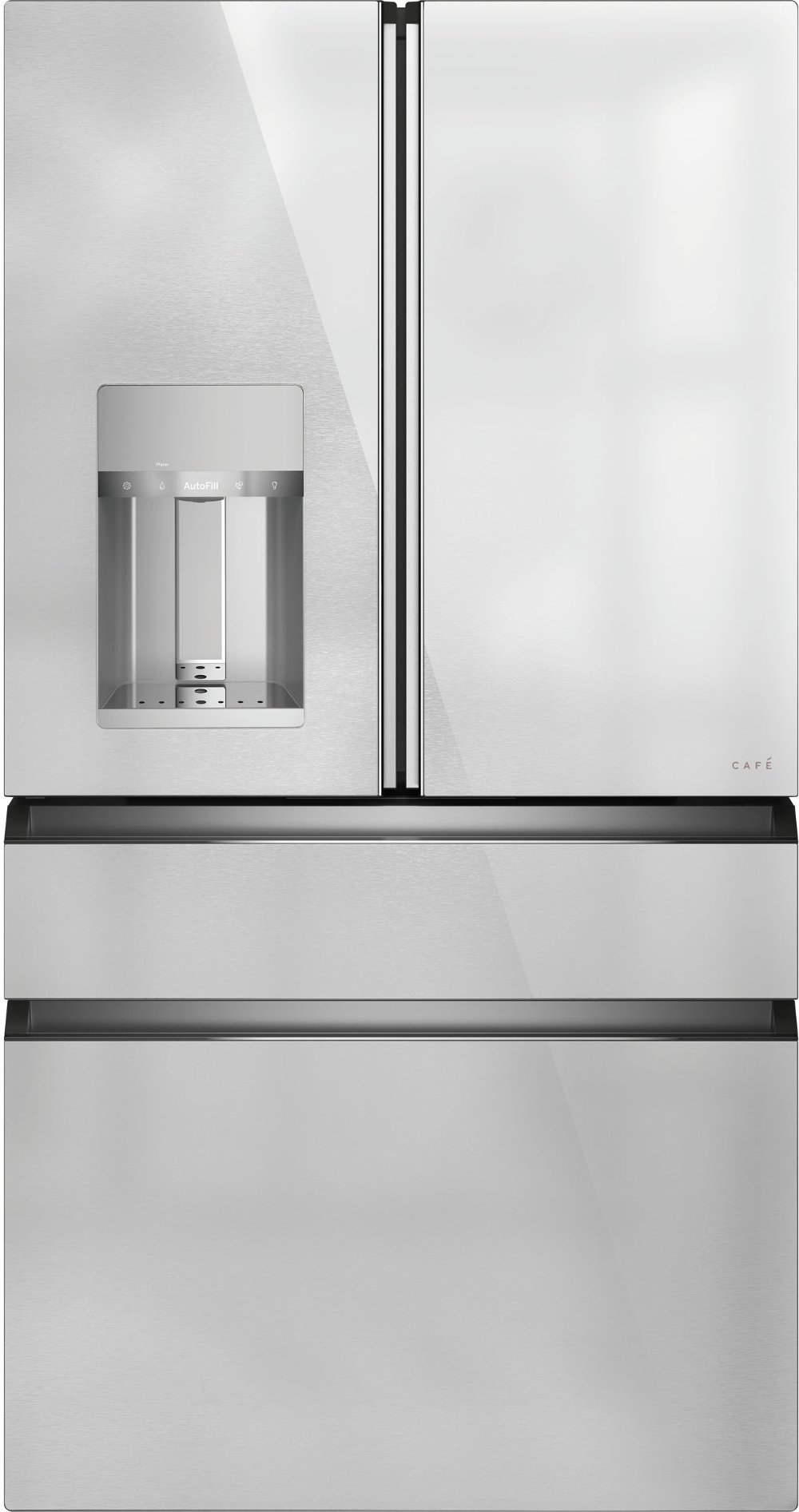
Large-capacity refrigerators give busy households room for a full grocery trip, meal prep containers, fresh produce, and the leftovers that make tomorrow’s lunch easier. Many offer about 25 to 32 cubic feet of total storage and measure around 36 inches wide, although capacity and dimensions vary by model. That extra space can be especially useful for larger families, shared households, frequent hosts, and anyone who likes to cook several meals ahead. Total cubic footage usually includes both the refrigerator and freezer compartments, so the balance between the two matters as much as the overall number. A household that buys plenty of fresh vegetables may appreciate generous refrigerator shelving and roomy crispers, while one that keeps frozen meals and bulk proteins on hand may need more freezer space. French door refrigerators typically pair two upper refrigerator doors with a freezer below, creating wide shelves that can accommodate serving platters, sheet cakes, and casserole dishes. Side-by-side refrigerators place fresh and frozen food in tall, neighboring compartments, keeping many everyday items within easy reach, though their narrower shelves can limit space for wide trays. Four-door configurations and models with additional drawers offer other ways to separate ingredients, snacks, and drinks. Depending on the design, a convertible compartment may switch between designated refrigerator and freezer settings, adding flexibility as your storage needs change. The most useful capacity is space you can actually reach and organize. Adjustable shelves can make room for a tall pitcher without requiring a complete rearrangement, while gallon-size door bins may free up shelf space for food containers. Deep drawers work well for bags of apples or leafy greens, but their accessibility matters when they’re full. For a household juggling school lunches, packed dinners, and a weekend gathering, a thoughtful layout can be more helpful than a slightly larger capacity number. Clear sightlines, practical shelf spacing, and compartments that match your grocery habits help keep ingredients visible instead of forgotten behind a crowded front row.
A large refrigerator also needs to fit comfortably into the kitchen, with enough space for ventilation, door movement, and everyday traffic. Width alone doesn’t tell the whole story: cabinet height, appliance depth, hinge clearance, and the space needed to pull drawers fully open all affect the fit. Many standard-depth refrigerators extend beyond surrounding counters and provide a deeper interior for storage. Counter-depth refrigerators generally have shallower cabinets for a more integrated appearance, but their doors and handles may still project past the countertop. Some counter-depth designs offer substantial capacity through wider or taller dimensions and efficient interior layouts, so the label doesn’t replace a careful look at the measurements. A nearby wall can restrict how far a door opens, potentially making a crisper or shelf difficult to remove. An island opposite the refrigerator can also reduce the room available for an open freezer drawer. The delivery path deserves the same attention as the kitchen opening, including exterior doors, hallways, corners, stairs, and any overhead obstructions. Manufacturer specifications provide the required clearances and help distinguish cabinet depth from depth with doors and handles. Finish is another part of the fit, especially in an open kitchen where the refrigerator is always in view. For a neutral metallic finish that pairs easily with many cabinet colors, large stainless steel refrigerators offer a versatile look. Some finishes include fingerprint-resistant coatings, which can make everyday smudges less noticeable, though they still need regular cleaning. Inside, tempered-glass shelves and molded bins are common materials, and their design influences both cleanup and daily use. Spill-containing shelf edges can help keep a tipped container from dripping into lower compartments. Removable bins make it easier to wipe away crumbs or a sticky splash. Sturdy shelves, smoothly moving drawers, and handles that feel comfortable in your hand are worth considering alongside appearance. A refrigerator serves the household many times a day, so a good fit should make unpacking groceries and reaching for a snack feel straightforward.
Features in large-capacity refrigerators are most valuable when they support the way your household uses food and drinks. An ice maker can simplify filling water bottles and serving guests, but its location and storage bin take up space that might otherwise hold groceries. Additional ice-making capacity may suit a household that uses ice throughout the day, while a simpler setup may leave more room for frozen food. Water dispensers offer convenient access to drinking water; plumbed systems require a suitable water connection, and filtered systems need replacement filters according to the manufacturer’s schedule. Interior dispensers preserve a clean exterior appearance, while exterior dispensers let you fill a glass without opening the main refrigerator doors. Dedicated snack drawers or beverage compartments can keep frequently used items together, especially when several people share the kitchen. Some models offer app connectivity, door-open notifications, or adjustable compartment controls, but these features vary and may require a compatible device or network. Bright interior lighting and easy-to-read controls can be just as useful as more elaborate options. For everyday food storage, a refrigerator should maintain 40°F or below, with the freezer at 0°F; an appliance thermometer can help confirm conditions inside. Leave room around interior vents so cold air can circulate rather than packing every opening tightly. Energy use also deserves attention, since refrigerators run continuously. The EnergyGuide label provides estimated annual electricity consumption, making it easier to compare similarly sized models without assuming that capacity alone determines efficiency. Routine care helps protect both performance and appearance. Clean spills promptly, wash removable parts as directed, and use cleaning products approved for the exterior finish, particularly when it has a protective coating. Keep door gaskets clean so they can seal properly, and follow the manufacturer’s instructions for any accessible condenser maintenance. Avoid overloading shelves or forcing an overfilled drawer closed. With a layout suited to your groceries, dimensions suited to your kitchen, and features suited to your routine, a large-capacity refrigerator can make daily food storage feel organized and manageable.
Read More