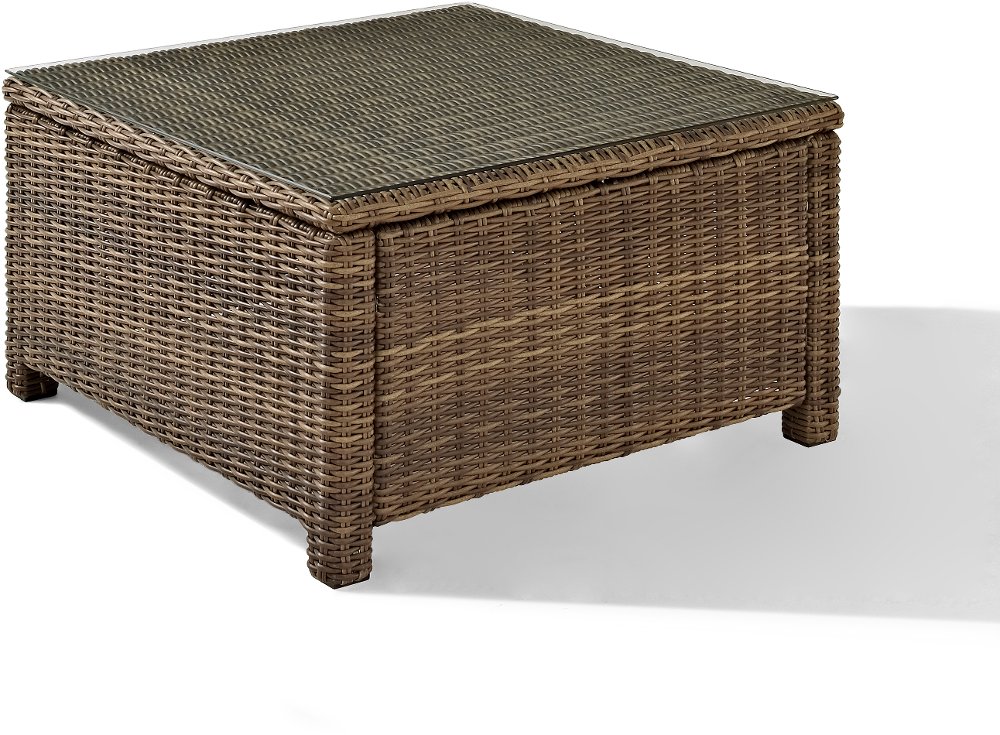
Large coffee tables give a living room a comfortable center: a place to set down a drink, spread out a board game, or keep a favorite book within reach. Their generous surfaces work especially well with long sofas, roomy sectionals, and seating arrangements where a smaller table would feel lost. The right size depends on the furniture around it as much as the room itself. A table roughly two-thirds the length of your sofa often creates a balanced starting point, while an L-shaped sectional may work better with a square or round design that serves both sides. Leave about 16 to 18 inches between the table and seating when possible, then allow more room along busy walkways. That space helps someone pass through with a laundry basket without making seated guests stretch too far for their mugs. Height matters, too. A tabletop close to the height of your sofa’s seat cushions usually feels easy to use and keeps the furniture visually connected. In a room with deep, low seating, a tall table can look out of place even when its length fits. Rectangular shapes follow the lines of a sofa and leave a useful stretch of surface for entertaining. Square tables bring balance to broad seating areas, while round and oval shapes soften a room full of straight edges and make it easier to move around corners. Before choosing a footprint, picture the room in use: a recliner extended, a sleeper sofa open, or a child sitting on the rug with a puzzle. Those everyday moments reveal whether a generous table will make the space more comfortable. Size also affects the room’s visual weight. A wide tabletop on slim legs can feel open and airy, while a substantial base creates a grounded look. Matching the table’s presence to your seating helps the whole arrangement feel intentional rather than crowded.
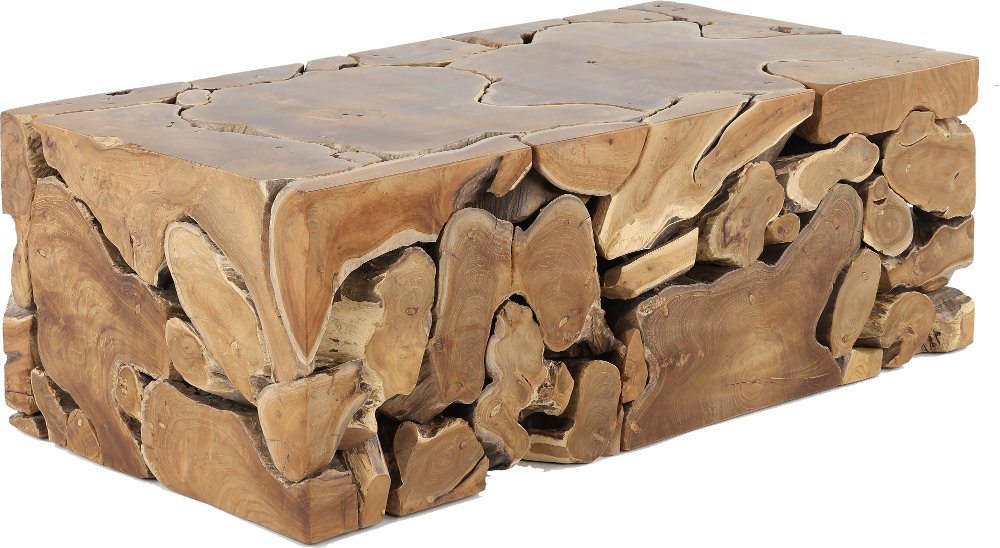
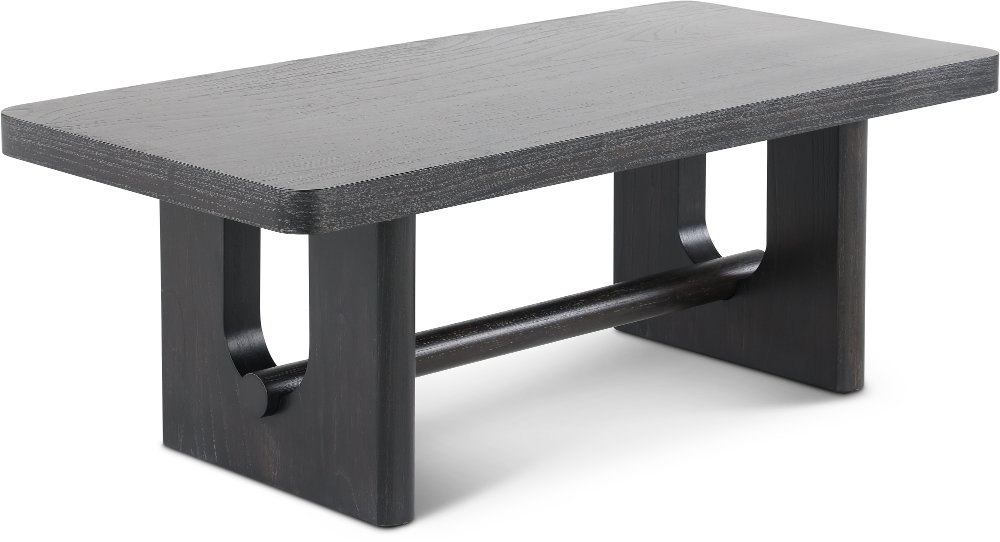
Materials give large coffee tables much of their character, and they also shape how a table fits into daily life. Solid wood brings natural grain, subtle color variation, and a substantial feel that works with everything from relaxed family rooms to more traditional sitting areas. Different wood species and finishes respond differently to wear, so a distressed surface may blend small marks into its character more easily than a smooth, glossy finish. Wood veneer offers the appearance of real wood over a supporting core, and its long-term performance depends on the construction, finish, and care it receives. Engineered wood can provide a consistent surface and practical structure, though edges and joints deserve attention because moisture can affect some materials. Glass tops let a rug’s pattern show through and can help a large piece feel less visually dominant. They also show fingerprints readily, making regular wiping part of their upkeep. When considering glass, check the stated construction and whether the top is tempered rather than assuming every glass table has the same characteristics. Metal bases add crisp lines and can complement industrial, modern, or mixed-material rooms; protective pads beneath accessories help preserve painted or plated finishes. Stone and stone-look surfaces bring texture and a substantial appearance, but their care requirements vary. Natural stone may need sealing and can be sensitive to acidic spills, while some manufactured surfaces have different cleaning recommendations. For any material, follow the manufacturer’s care instructions, use coasters under drinks, and clean up spills promptly. A soft cloth is a good everyday starting point, while abrasive pads or harsh cleaners can damage certain finishes. Durability is about more than the top: stable legs, secure connections, and smooth-working drawers contribute to a table that feels dependable. In homes with young children or pets, rounded edges and a sturdy base are worth considering alongside the look you love.
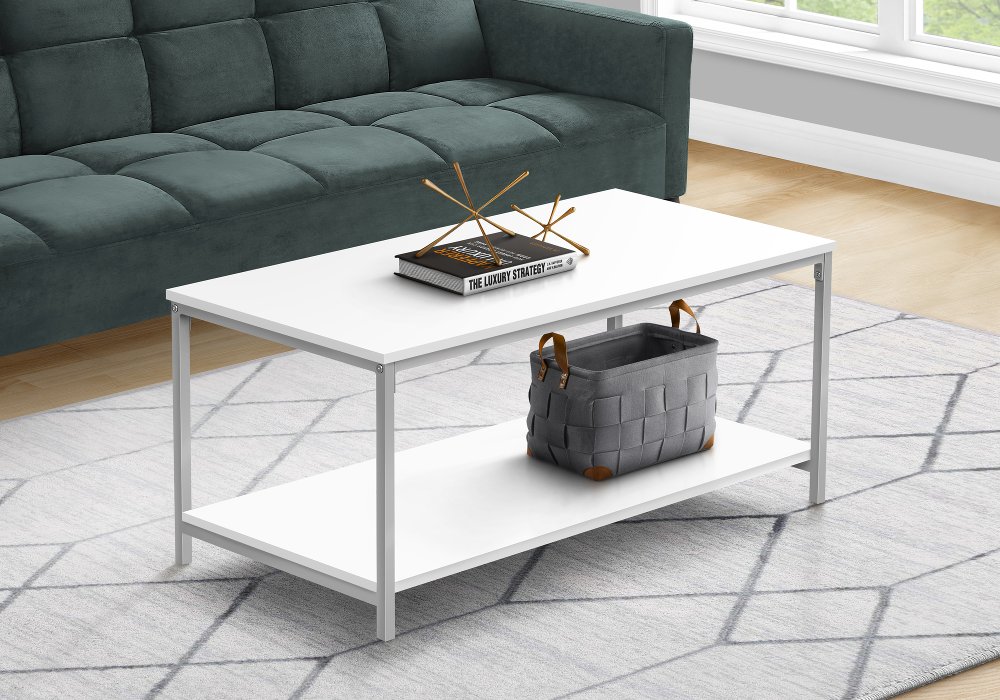
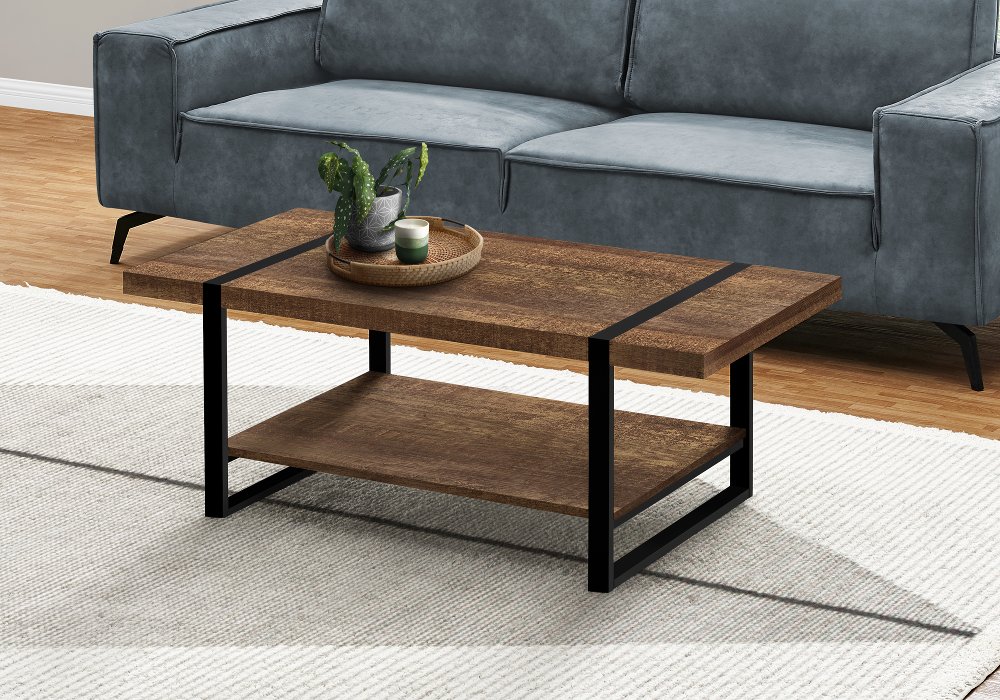
The most useful large coffee table supports the way your household spends time together. An open surface gives guests somewhere to place small plates and glasses without crowding a centerpiece, and it leaves room for a card game after the dishes are cleared. For a household where the living room also holds craft supplies, charging cables, and several remote controls, large storage coffee tables can bring those everyday essentials closer while helping the room feel settled. Drawers keep smaller belongings tucked away, lower shelves make books and baskets easy to reach, and enclosed compartments can hold items that look busy when left on display. The details matter here: a shallow drawer may suit remotes and coasters, while a deeper compartment may accommodate a folded throw. Check interior dimensions rather than relying on the overall size of the table. Lift-top designs can bring a surface closer for an occasional laptop session or casual meal, but the raised height, mechanism, and clearance should suit your seating and intended use. A coffee table still isn’t a substitute for a dedicated desk when long stretches of work call for proper support. For households that like to rearrange furniture, the table’s weight and ease of movement matter just as much as storage capacity. A heavy table may feel reassuringly substantial, yet it can take two people to move it safely for cleaning or a different furniture layout. Styling a generous tabletop works best when some of that space stays available. A tray can gather a candle, coasters, and a small decorative object, leaving the rest ready for real life. Keep taller arrangements off to one side if they interrupt conversation across the sofa. Whether the room hosts friends regularly or serves as a quiet place to read, a well-proportioned table brings useful surface area, character, and a sense that everything has a place.
Read More