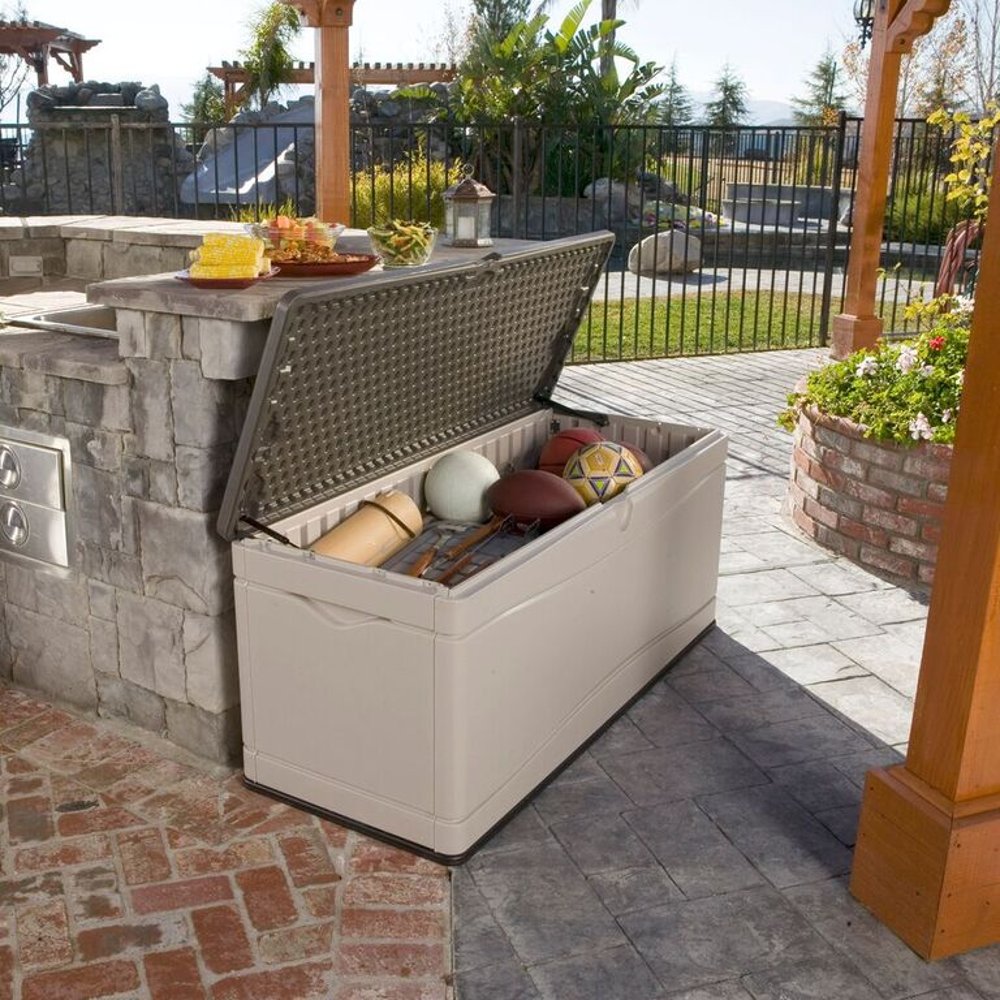
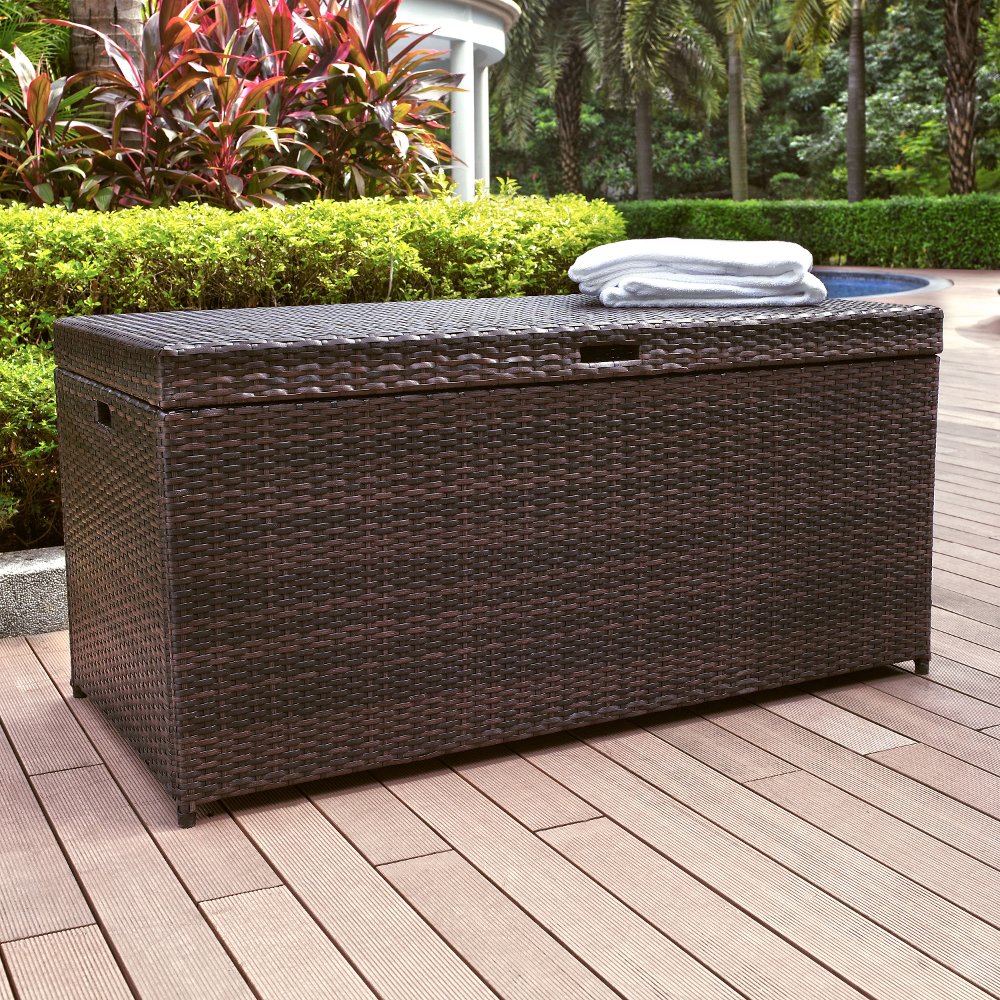
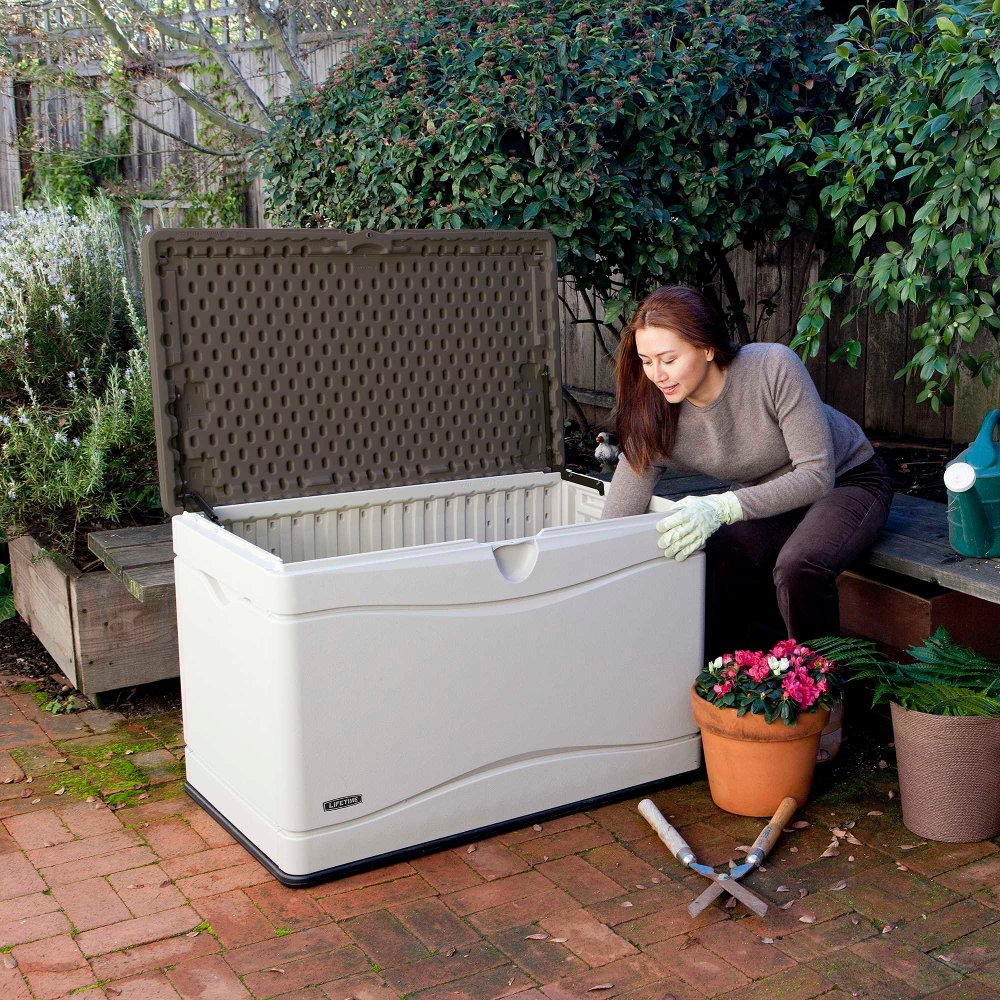
Large containers are high-capacity storage bins, totes, baskets, or canisters designed to hold bulky household belongings or larger quantities of everyday supplies. Around the home, they can bring order to everything from extra bedding and children’s toys to laundry supplies and bulk pantry ingredients. The best fit depends on what goes inside, where the container will live, and how often you’ll reach for it. Capacity tells part of the story: gallons and quarts describe interior volume, while exterior dimensions determine whether a container fits beneath a bed, inside a cabinet, or on a garage shelf. A wide, shallow bin can make folded linens easy to see, while a deeper tote gives bulky cushions room without requiring several smaller boxes. Check the opening as well as the base, since tapered sides and inset lids can reduce usable space. Rectangular containers generally make efficient use of straight shelves and corners; round shapes can feel more natural on an open counter or beside a chair. Material makes a practical difference, too. Rigid plastic offers relatively lightweight storage and a surface that’s often easy to wipe clean. Clear sides help you spot contents at a glance, while opaque finishes keep a busy shelf looking more uniform. Woven baskets and fabric-sided containers add texture to visible storage, although their flexibility and care needs differ from those of hard-sided bins. Metal containers can offer a sturdy feel, with durability depending on their construction, finish, and intended environment. For belongings you move regularly, comfortable handles and a manageable loaded weight matter as much as overall capacity. A generous container full of blankets may be easy to lift; the same size filled with books can become difficult to carry. Larger isn’t automatically better when a container needs to travel between rooms. A size that holds one useful category of belongings, fits its designated space, and remains easy to handle tends to serve a household better than extra capacity that makes everyday access awkward.
Large food-storage containers serve a different purpose from general household bins, so suitability for food contact is an important distinction. Containers intended for pantry ingredients can keep rice, flour, pasta, cereal, and other dry foods together while making shelves easier to navigate. A roomy canister can be especially useful for households that cook frequently, bake in larger batches, or prefer to keep everyday staples in one accessible place. Look for food-contact labeling rather than assuming that any clean-looking storage vessel belongs in the kitchen. Clear glass makes it easy to see when ingredients are running low and offers a substantial feel, though a large glass container can become heavy once filled. Food-safe plastic provides a lighter alternative, with care instructions that vary by material and construction. Ceramic canisters bring color and texture to a countertop, while suitable metal containers can offer an opaque option for dry ingredients. With any material, the lid deserves attention: a snug closure can help limit exposure to air and moisture, but not every covered container provides an airtight seal. Gaskets, locking mechanisms, and screw-top closures each work differently, and their effectiveness depends on the design and condition of the container. A wide mouth makes room for a scoop and allows easier cleaning; a narrower opening may suit pouring but make reaching the bottom less convenient. Leave enough room for the way you actually use the contents rather than choosing capacity solely by the amount an unopened bag holds. For shoppers who prefer an easy-to-grasp shape for scooping or countertop storage, round storage containers offer another way to organize daily essentials. Keep ingredient names, dates, and any important package information accessible when transferring food. For pet food, follow the food manufacturer’s storage directions, which may recommend keeping the original bag inside a larger container. Containers used for food should stay dedicated to that purpose rather than being repurposed after holding cleaners or other household chemicals.
In living spaces, large containers can make storage feel like part of the room instead of an afterthought. A generously sized basket beside a sofa gives throws a home within easy reach, while a broad bin in a play area helps collect larger toys without scattering them across several small compartments. Open containers suit belongings that come out frequently; lidded designs create a more contained appearance and can help shield contents from ordinary household dust. Families may appreciate smooth edges, stable bases, and handles that are comfortable for the people using them. For children’s spaces, lightweight containers and easy-to-reach openings can support independent cleanup, with adult attention to heavy lids, pinch points, and safe placement. In utility areas, sturdy construction, secure handles, and a lid that closes without excessive force can make repeated use easier. Stack containers only when they’re designed for stacking, follow any stated load limits, and keep heavier loads low. A stackable shape still needs enough clearance to remove a lid or slide a bin out without disturbing everything above it. Care also affects long-term usefulness. Follow the manufacturer’s cleaning instructions, since dishwasher use, soaking, and abrasive cleaners aren’t suitable for every material or finish. Mild soap and a soft cloth are often practical choices for washable surfaces, while woven and fabric containers may require spot cleaning or a removable liner. Allow cleaned containers to dry fully before adding belongings, and give lids, handles, and seals an occasional check for wear. Large containers can also make thoughtful housewarming gifts for someone setting up a pantry, organizing a laundry room, or settling into a new home. A versatile shape and an easy-care finish are useful starting points when the recipient’s exact storage needs aren’t known. Whether the goal is a calmer kitchen counter, a tidier closet, or a comfortable living room with less visible clutter, a well-chosen container should make belongings easier to store, find, and use.
Read More