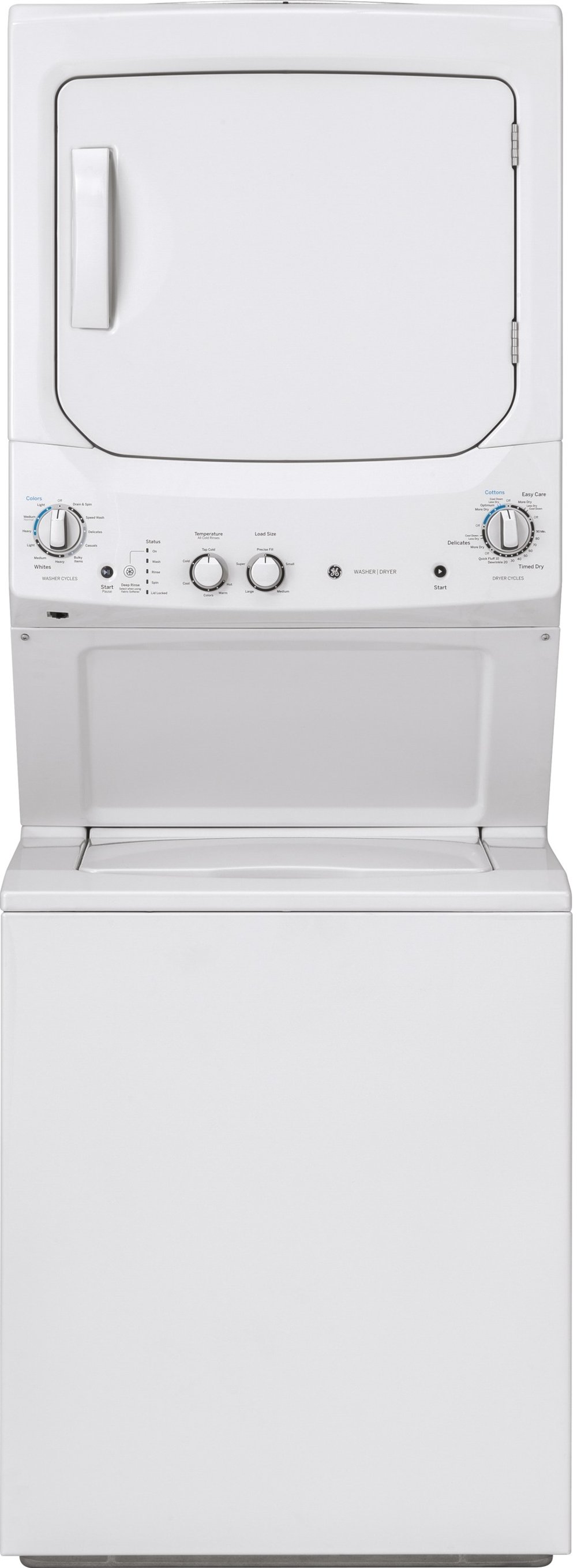
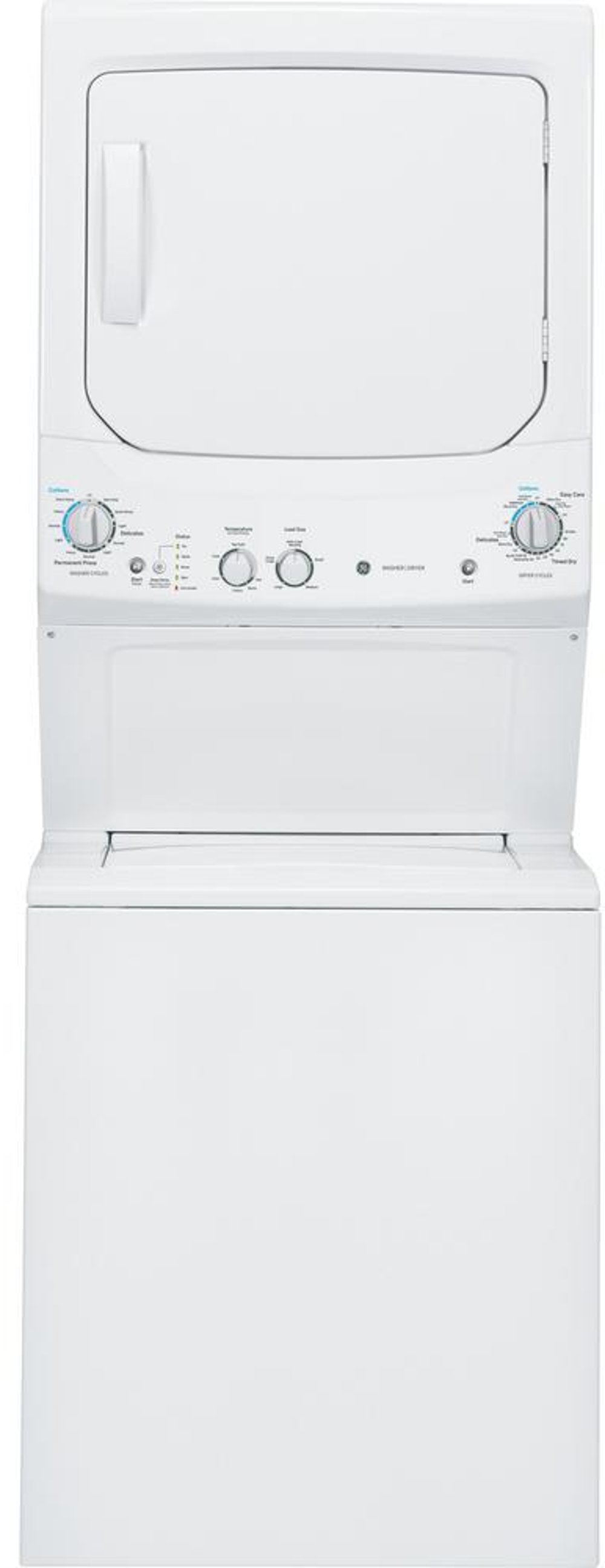
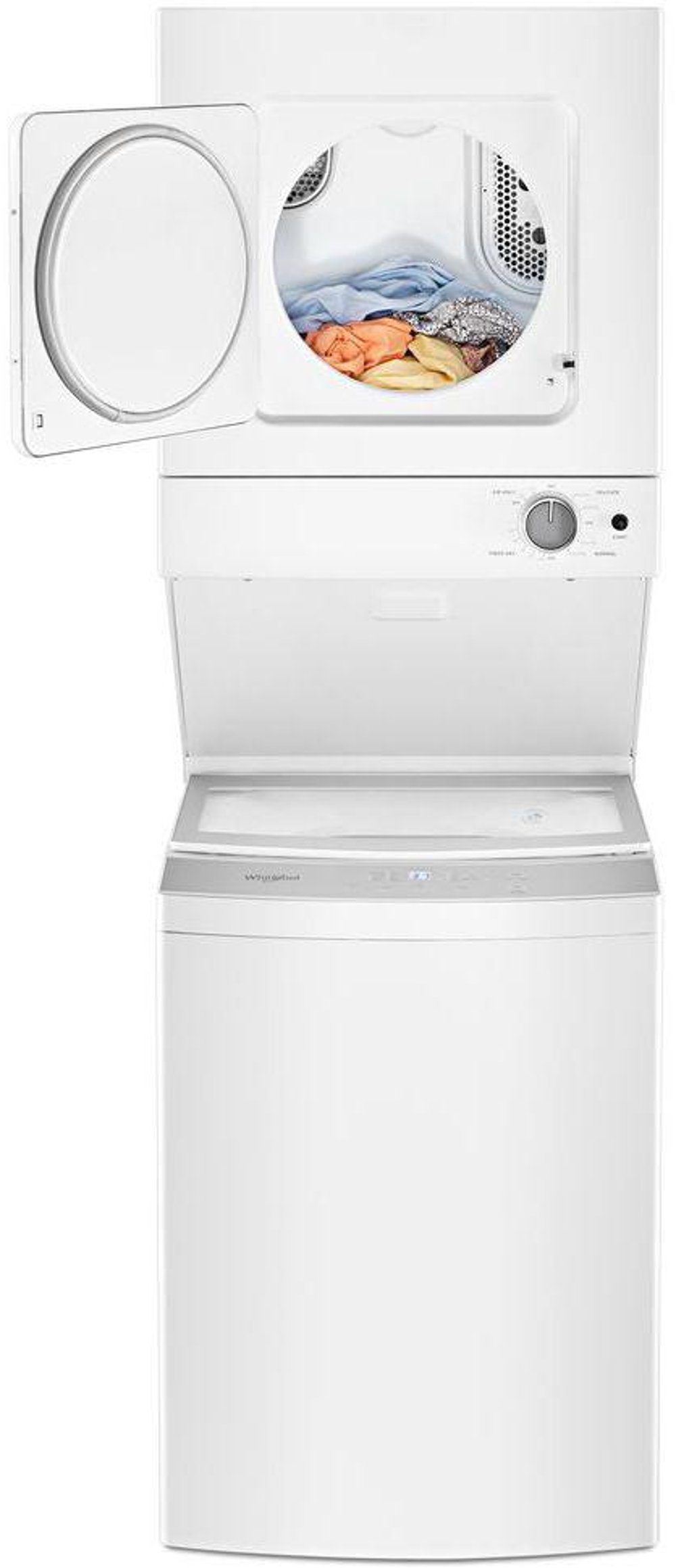
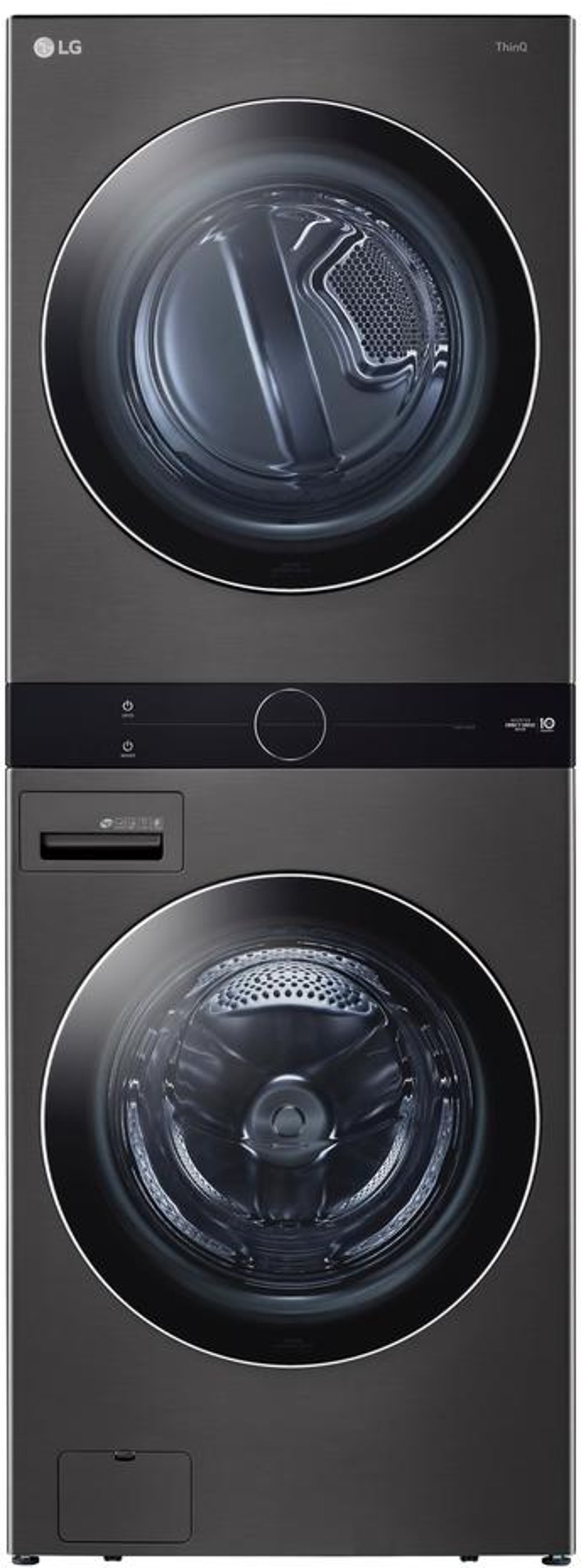
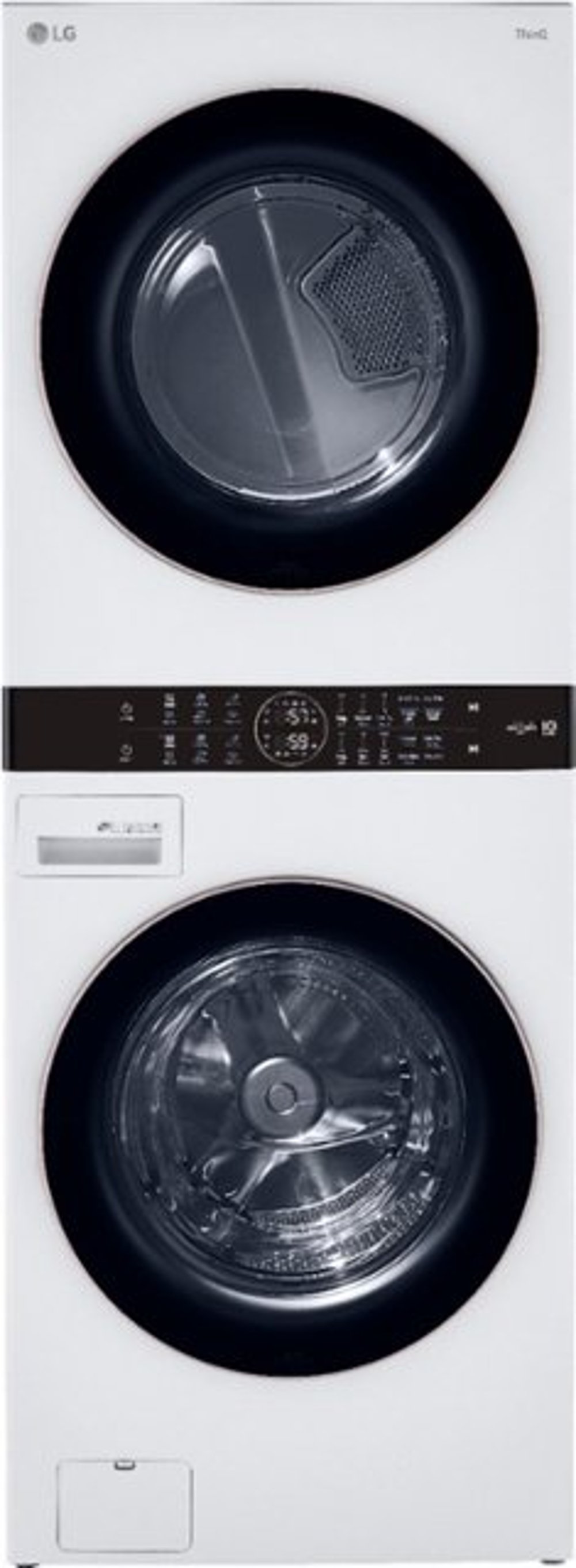
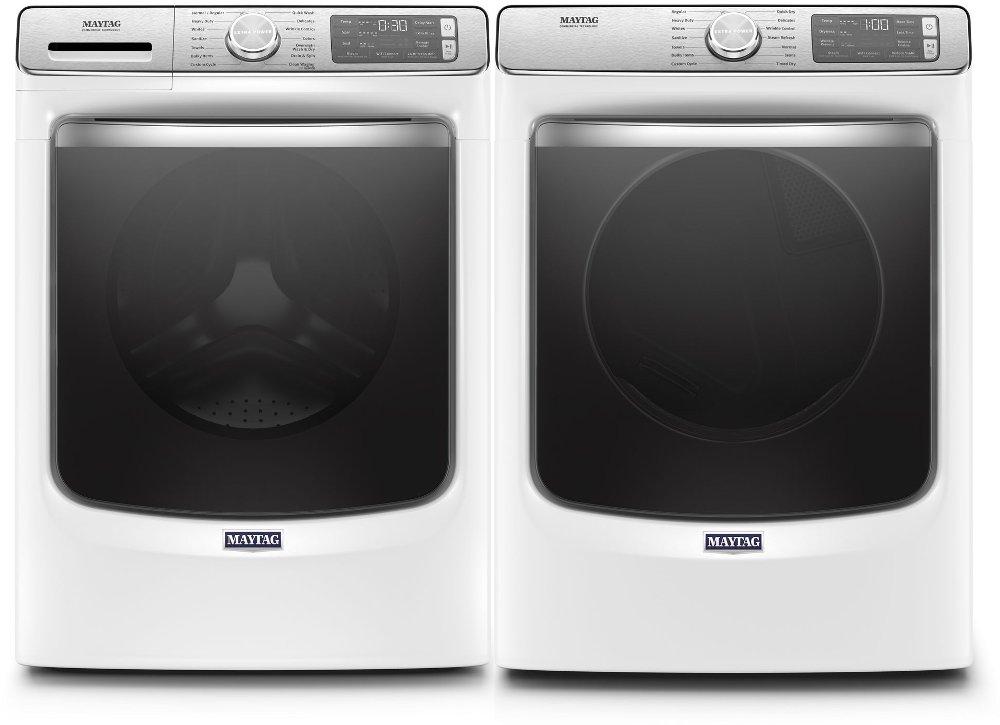
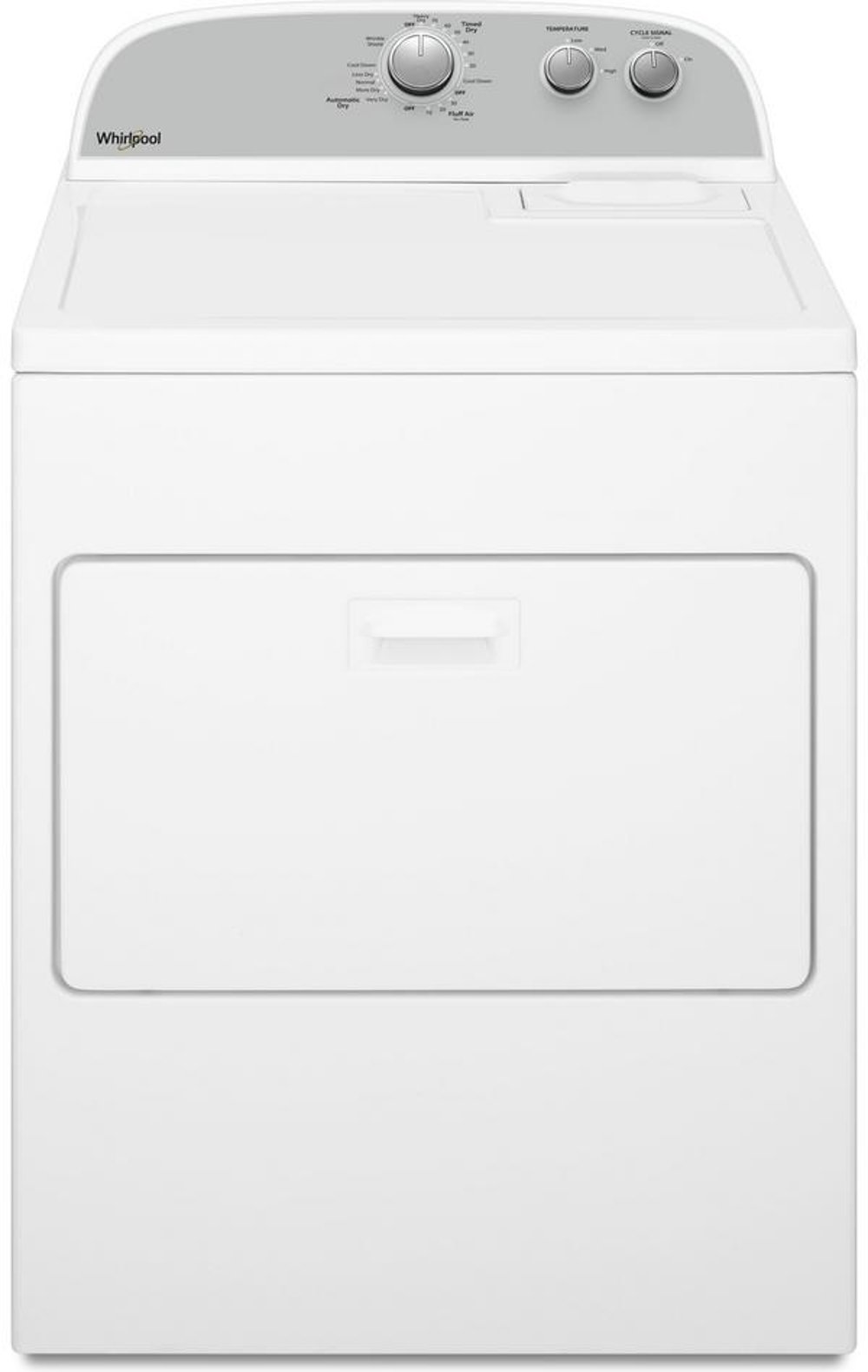
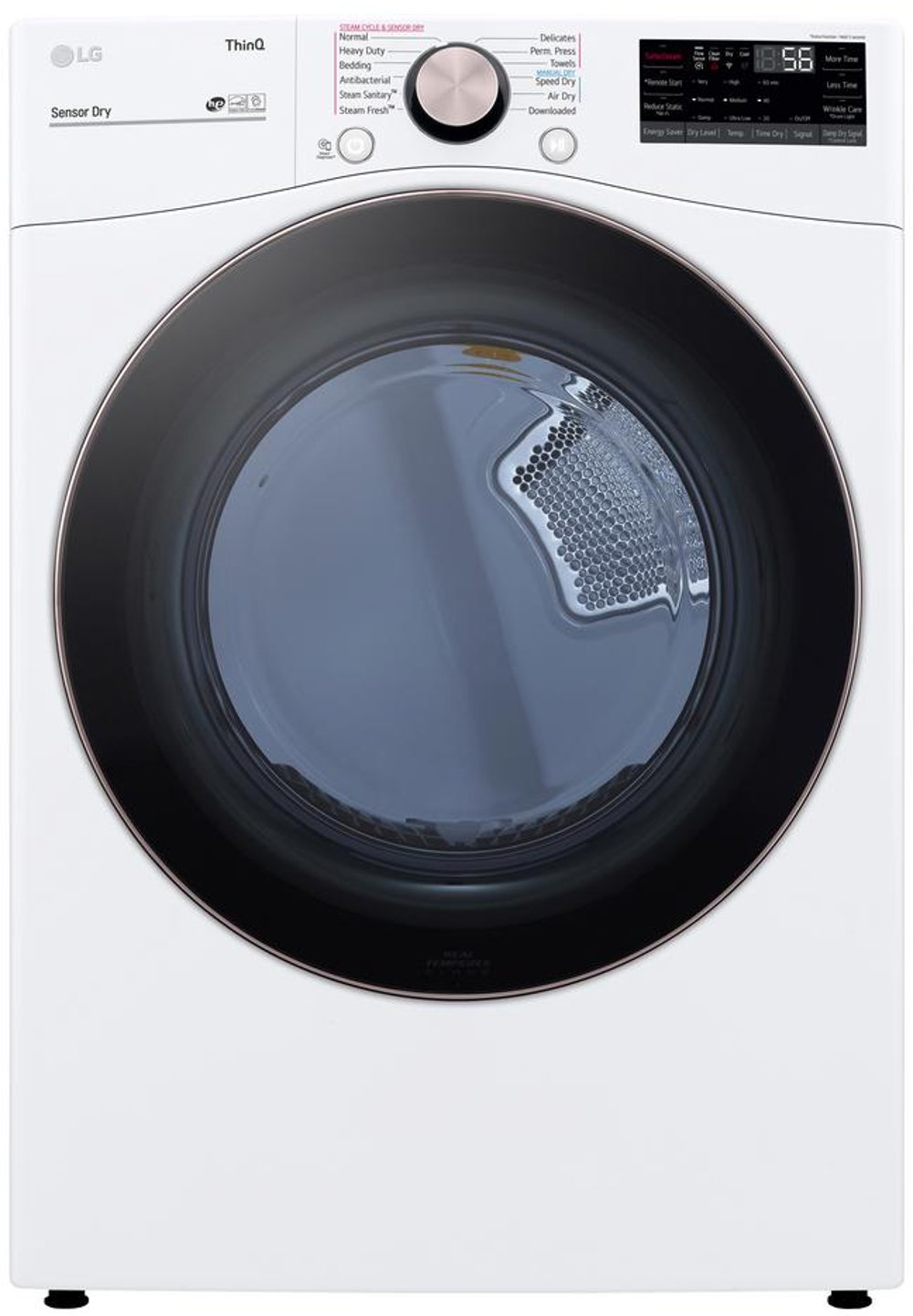
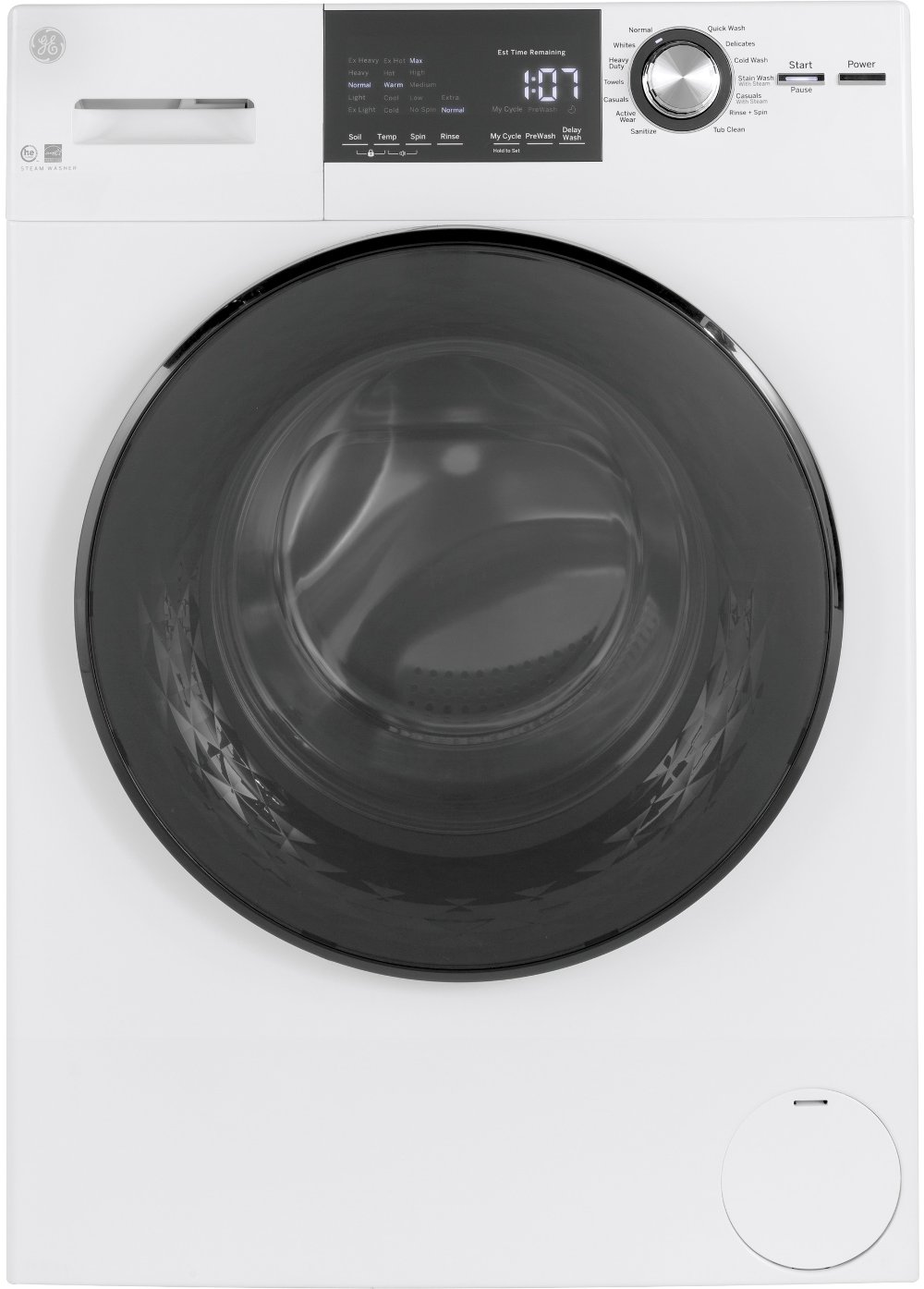
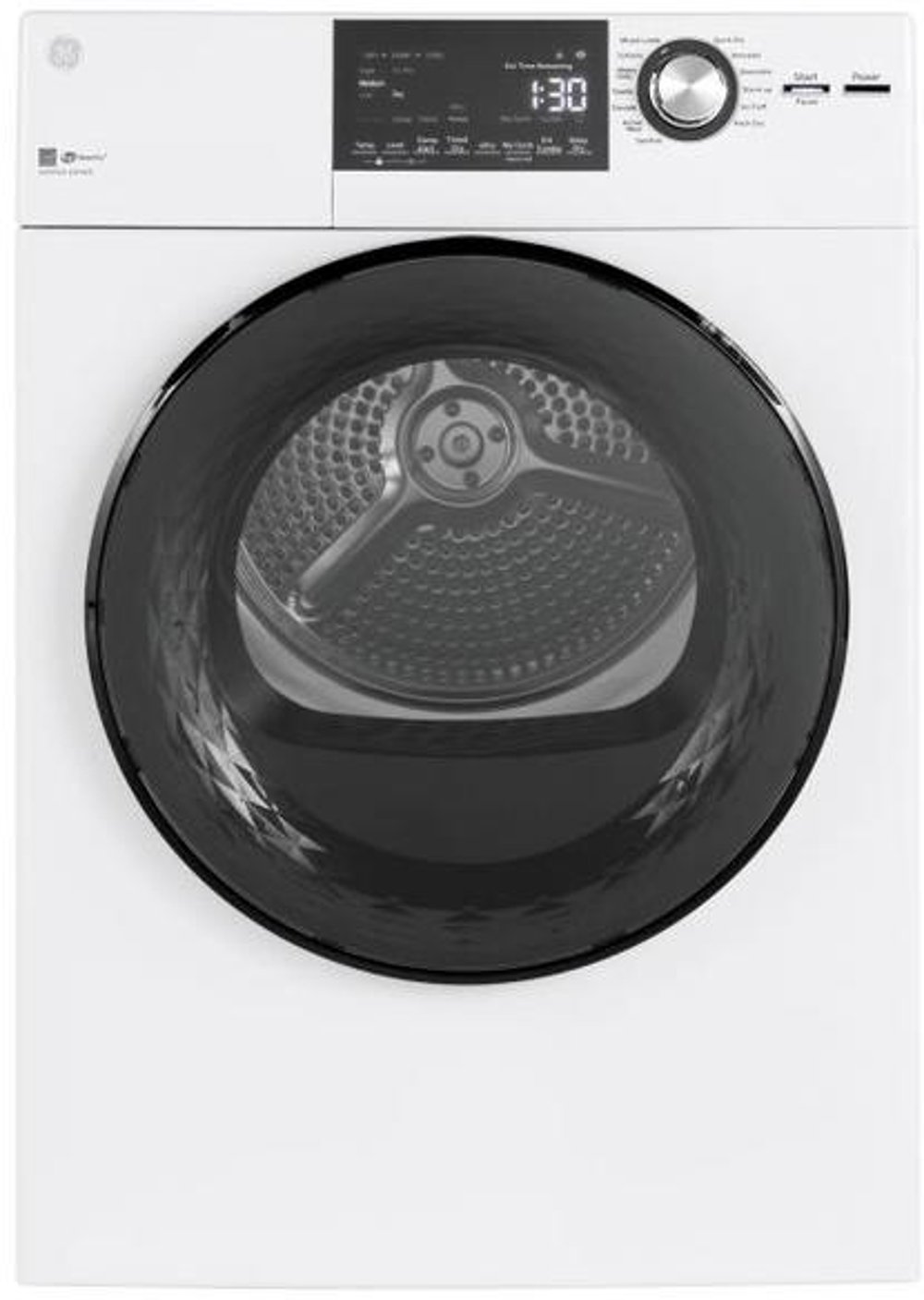
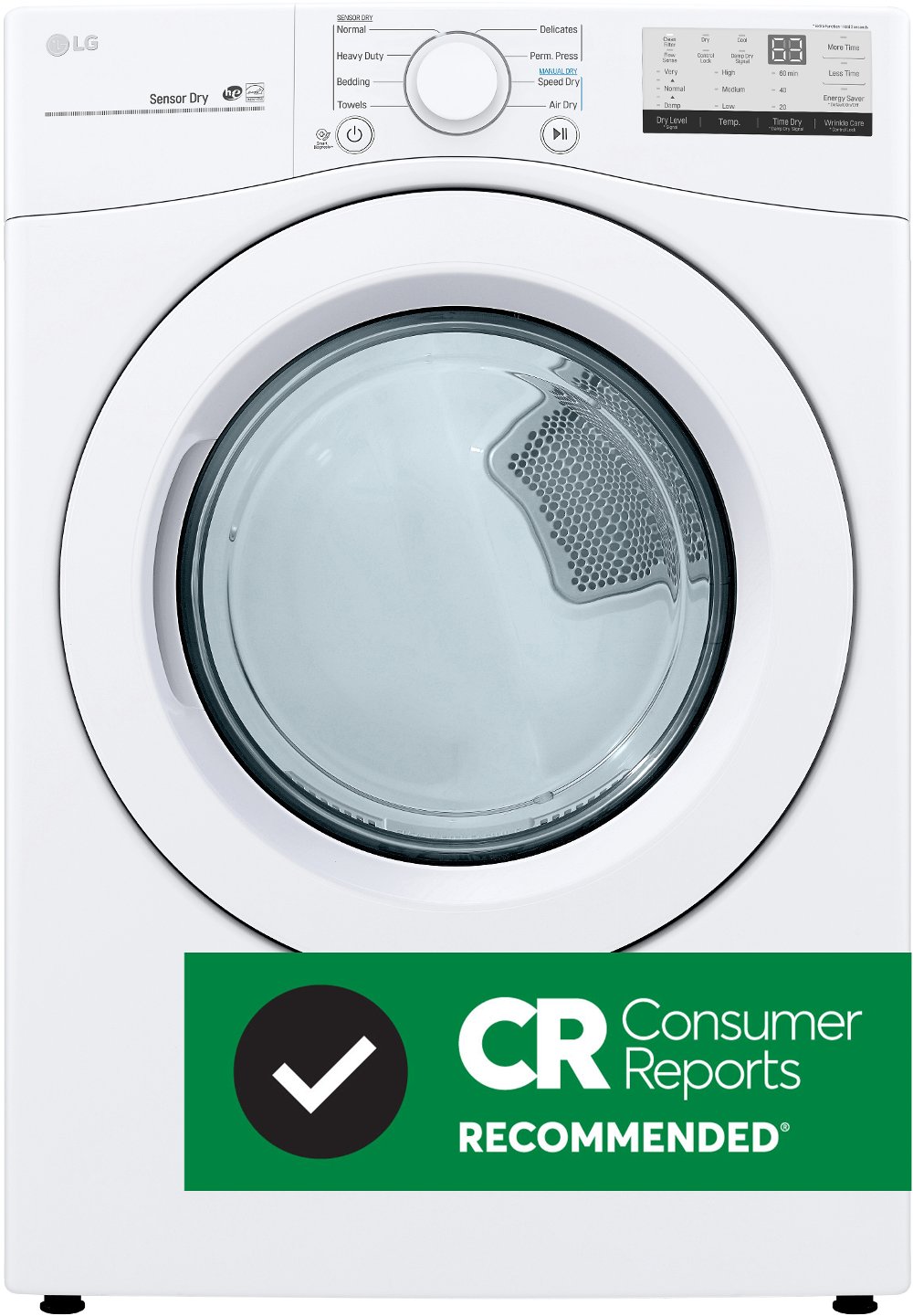
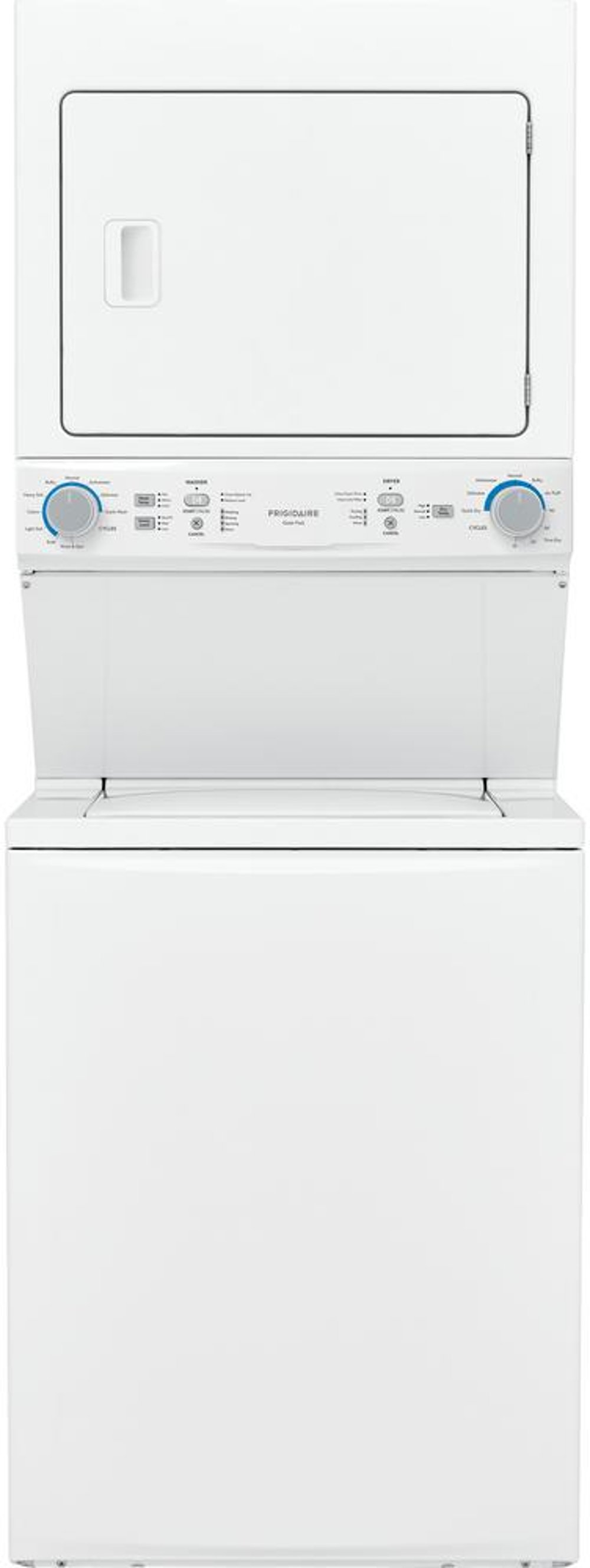
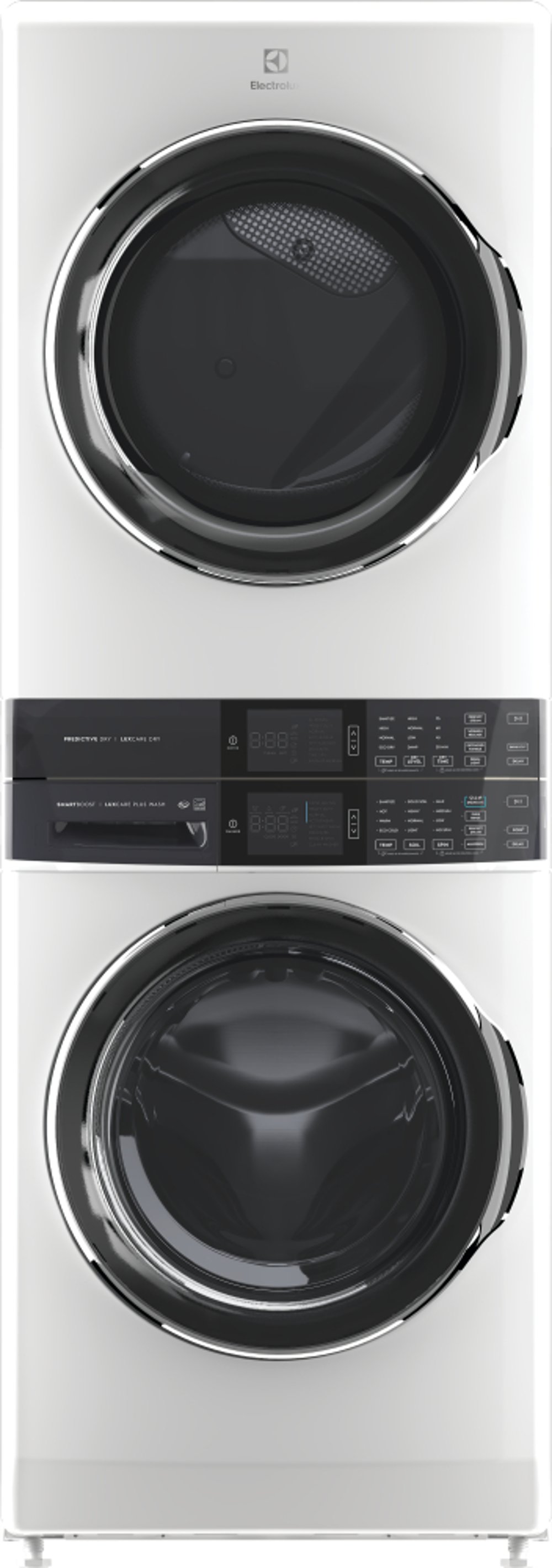
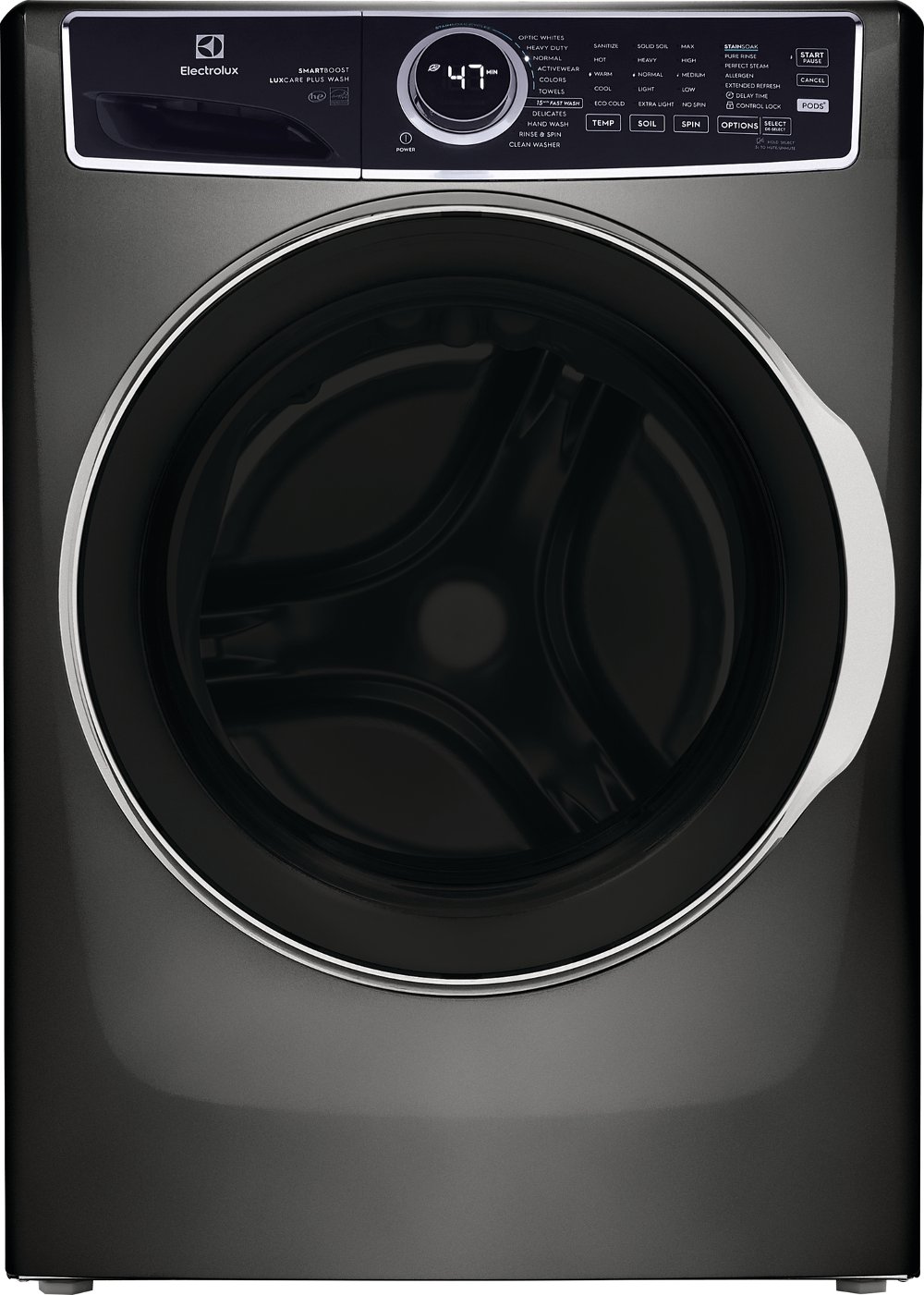
Laundry sets pair a washer and dryer to give your clothes, bedding, and towels a coordinated place for everyday care. Matching machines bring a consistent look to a laundry room, but their practical value goes beyond matching finishes: compatible capacities, complementary fabric-care settings, and a layout that fits your home can make laundry day feel more manageable. The main configurations include top-load washer and dryer sets, front-load pairs, and vertically arranged laundry towers. Top-load washers let you add clothes from above and typically use either a central agitator or a low-profile impeller to move the load through the wash. An agitator provides a familiar washing action, while an impeller leaves more open space in the basket; actual capacity and cleaning performance depend on the design. Front-load washers tumble clothing in a horizontal drum and generally use less water than traditional agitator models. Many can sit side by side with a matching dryer or stack beneath a compatible dryer using the required stacking kit. Integrated laundry towers combine separate washing and drying compartments in one vertical design, often with controls positioned between them. These differ from all-in-one washer-dryer machines, which wash and dry in the same drum. A good fit depends on both your floor plan and your routine. A household washing school clothes, sports uniforms, and bath towels throughout the week may value capacity and straightforward everyday cycles. Someone doing smaller loads in a condo may prioritize a compact footprint and accessible controls. For bedding, usable drum space matters more than an oversized appearance, and care labels still determine whether a comforter belongs in a home machine. Coordinated laundry appliances also suit a first home or a laundry room refresh, especially when the goal is to replace an awkward setup with machines that work comfortably together. For projects that extend beyond the laundry room, appliance sets offer a broader category to explore as you plan a coordinated home.
The most useful washer and dryer set is one that fits the room without making loading, unloading, or maintenance a squeeze. Machine width is only part of that fit. Depth should account for hoses, connections, dryer ductwork where needed, and the clearance specified by the manufacturer. Doors need room to open, and a top-load washer needs enough space above it for the lid to lift fully beneath shelves or cabinets. In a narrow laundry closet, door swing can determine whether moving damp towels into the dryer feels easy or requires stepping around an open door each time. Some dryer doors are reversible, while washer door direction is often fixed, so those details deserve attention before choosing a layout. Stacked laundry sets preserve floor space, but the upper controls and dryer opening need to remain within comfortable reach. Compatible pedestals can raise certain front-load machines for easier access, though the added height may rule out an under-counter arrangement. Connections matter just as much as dimensions. Gas dryers require a suitable gas supply, electrical power, and proper outdoor exhaust; most full-size electric dryers require a dedicated 240-volt connection. Exact requirements vary, making the appliance specifications and the home’s existing hookups essential checks. Ventless electric dryers offer another option for spaces without an exterior dryer vent, subject to their installation, drainage, and ventilation requirements. Heat pump dryers typically use less energy and gentler drying temperatures than conventional vented dryers, though cycle lengths can differ. Capacity should also work as a pair: the dryer generally needs a larger drum so a washed load has room to tumble. Overcrowding either machine can leave clothes poorly rinsed, unevenly dried, or heavily wrinkled. A roomy set can help with frequent family loads, but a smaller matched pair may suit one or two people perfectly. Space for a hamper, a clear path through the doorway, and a nearby folding surface can make either setup more comfortable to use.
Fabric care, construction, and upkeep help distinguish laundry sets that simply look coordinated from those that suit the way you live. Stainless steel washer drums resist rust and provide a durable interior, while smooth surfaces help protect clothing during normal use. Exterior finishes contribute to the room’s appearance, but reachable filters, clear controls, and easy-to-clean dispensers often have a greater effect on everyday satisfaction. Cycle choices are most helpful when they match what goes into your hamper. Delicate settings can suit washable lightweight fabrics, bulky cycles accommodate certain larger loads, and an extra rinse may be useful when a load needs more thorough rinsing. Always follow garment labels, since a cycle name does not make every fabric safe to machine wash or tumble dry. A quick-wash setting usually serves a small, lightly soiled load rather than a full basket of heavily worn clothes. Sensor drying can help limit unnecessary drying by monitoring moisture, while adjustable heat settings let you better match the dryer to the fabric. Steam and wrinkle-reduction options may help refresh suitable garments or ease creases, but they do not replace washing or guarantee that dress shirts will come out ready to wear. Connected features can provide cycle notifications or remote monitoring on compatible machines, a convenience when the laundry area is away from the main living space. Sound and vibration also deserve consideration near bedrooms or home offices; a level installation and properly balanced loads remain important even with vibration-reduction features. Long-term care is generally straightforward, but consistency matters. Use the detergent type and amount specified for the washer, run its cleaning cycle as directed, and wipe accessible seals and dispensers to limit residue buildup. Keep the dryer’s lint filter clean and maintain the exhaust system on vented models; ventless designs have their own filter and heat-exchanger care requirements. No finish or feature eliminates routine maintenance. A thoughtfully chosen laundry set brings together suitable capacity, manageable care, and useful controls, helping everything from a favorite T-shirt to a fresh stack of bath towels move through the wash with less fuss.
Read More