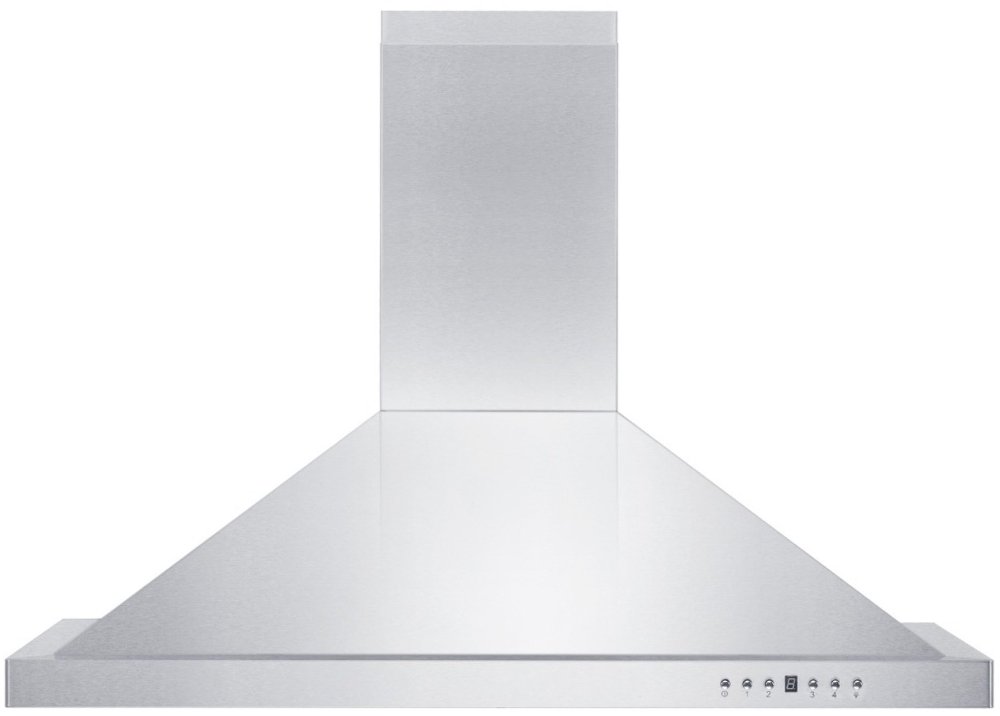
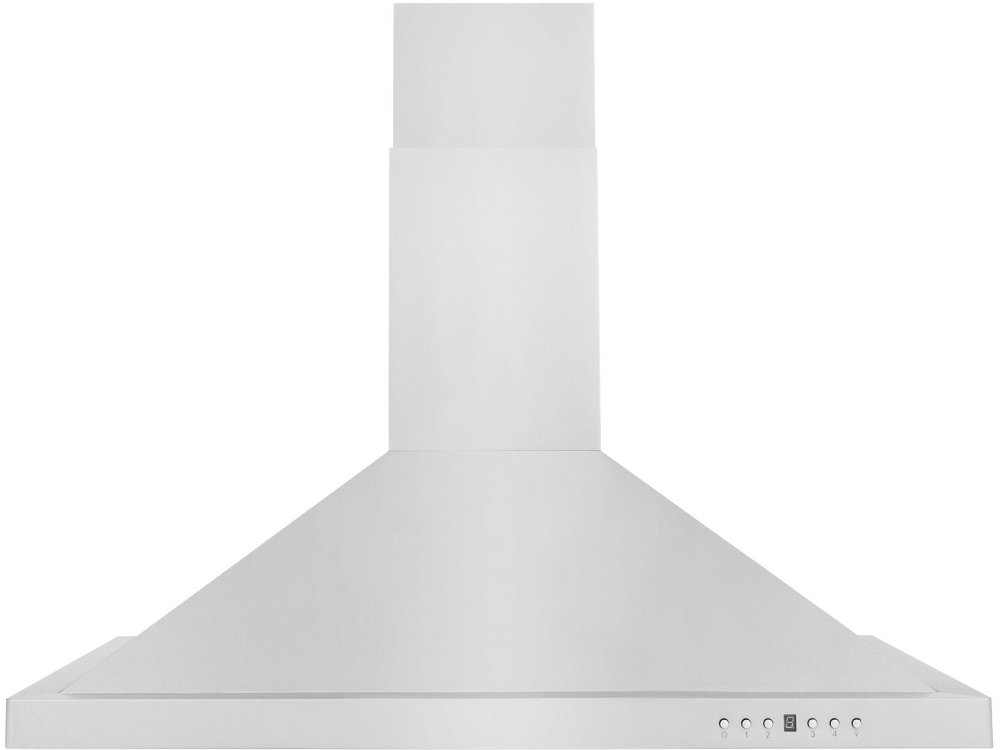
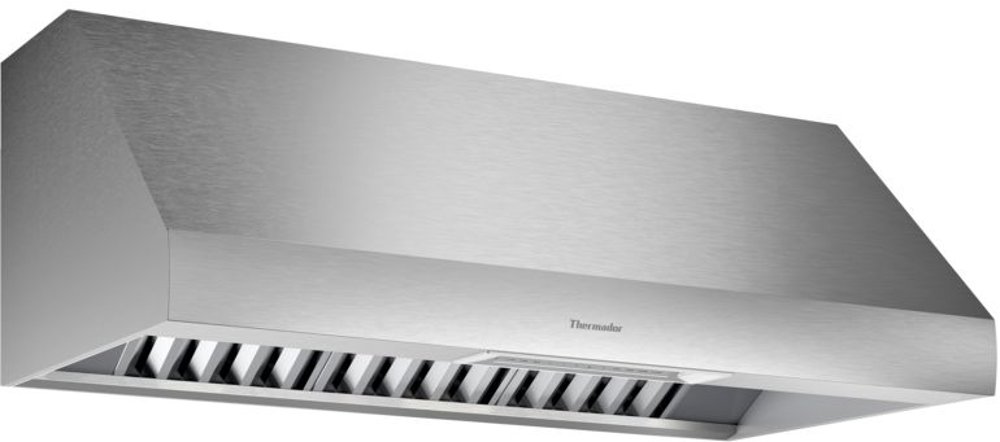
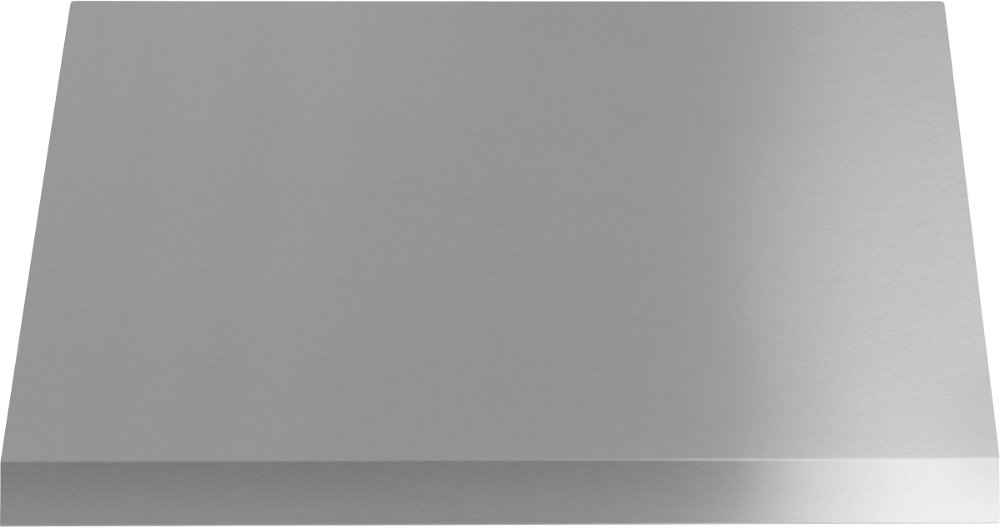
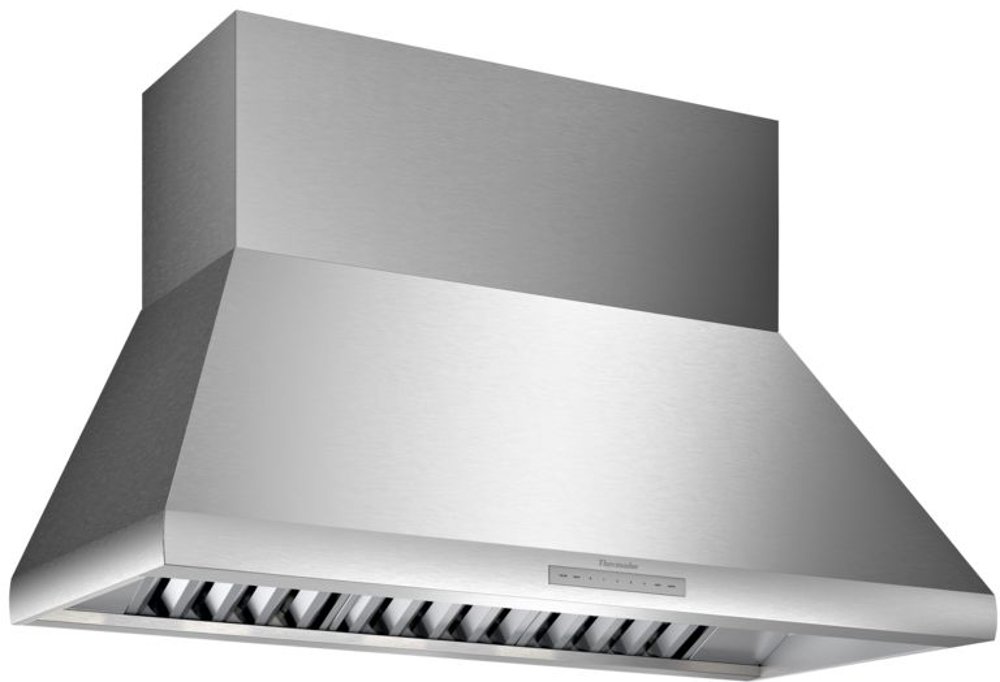
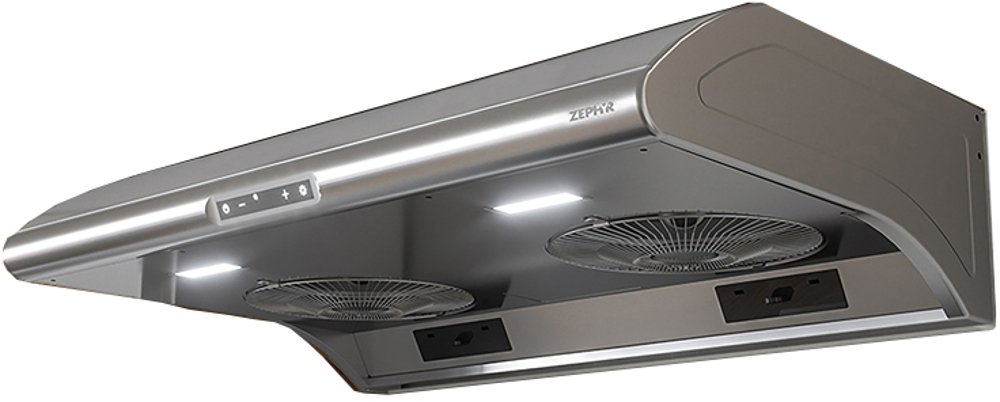
LED hoods are kitchen range hoods with LED lighting that illuminates the cooking surface while a fan captures airborne grease, smoke, and cooking odors. The lighting and ventilation serve separate purposes: the LEDs help you see what’s happening in the pan, while the blower and filters help manage the air around your cooktop. That combination makes an LED range hood useful for everything from a quick breakfast to a dinner that has several burners going at once. Clear task lighting makes it easier to judge the color of sautéed onions, spot a sauce beginning to bubble, or check the edges of a pancake without leaning into your own shadow. Depending on the design, the light source may use replaceable LED bulbs or integrated LED modules, and some hoods offer multiple brightness settings. LEDs generally use less electricity and last longer than comparable incandescent bulbs, although actual performance and replacement options vary by model. The hood’s shape matters just as much as its lighting. Under-cabinet hoods tuck beneath upper cabinets, wall-mount chimney hoods create a more visible focal point, and island hoods suspend above cooking surfaces away from a wall. Hood inserts fit inside a compatible custom enclosure, keeping the ventilation equipment visually integrated with the cabinetry. Stainless steel brings a familiar professional-kitchen look, while painted metal and other finishes can coordinate with cabinet hardware and surrounding appliances. For a space planned around a standard-width cooking area, 30 Inch Hoods provide a useful size category to explore, but the right fit depends on the cooking appliance, cabinet opening, and installation requirements. Width alone doesn’t tell the whole story. Hood depth, the location of the burners, and the shape of the capture area all affect how well the hood gathers rising cooking fumes. A design that looks balanced above the range should also provide the coverage the cooking setup needs.
The biggest functional distinction among LED kitchen hoods is how they handle the air they collect. A ducted range hood sends cooking exhaust outdoors through ductwork, carrying captured smoke, odors, and moisture out of the kitchen. A recirculating, or ductless, hood passes air through grease filters and odor-reducing filters before returning it to the room; it doesn’t remove moisture or provide the same outdoor exhaust path. Some convertible hoods support either setup when installed with the appropriate components, so compatibility with the home’s ventilation arrangement deserves attention before choosing a style. Cooking habits help put airflow ratings into perspective. Frequent frying, searing, and high-heat cooking can create more smoke and grease than gentle simmering, while a larger cooking surface may need broader capture coverage. Airflow is commonly listed in cubic feet per minute, or CFM, but a higher number doesn’t automatically mean a better fit. Hood placement, duct diameter, duct length, and bends in the duct run all influence performance. Sound matters, too, especially in a kitchen that opens into a dining room or living area. Noise ratings may be expressed in sones or decibels, and they’re most useful when compared at similar fan settings and test conditions. Multiple speeds let you match ventilation to the task rather than running maximum power for every meal. Clearly marked buttons, responsive touch controls, or an accessible slide control can make those adjustments easier with a busy stovetop in front of you. Installation height must follow the hood and cooking-appliance manufacturers’ requirements, including any differences between gas and electric cooking surfaces. Ducted systems should exhaust outdoors, not into an attic or another enclosed space. Electrical connections, cabinet support, and local building requirements also belong in the planning conversation. Higher-capacity exhaust systems may require makeup air under local code, making a qualified installer a valuable partner when the project involves new ductwork or a change in ventilation capacity.
Materials and everyday upkeep have a direct effect on how an LED hood looks and performs over time. Stainless steel is a practical choice for its durability, though fingerprints and cooking residue can show on the surface. Painted finishes offer a different look but still need cleaning methods that protect the coating. Glass accents can feel lighter visually, yet grease splatter may be more noticeable on them. Smooth surfaces and accessible filters are worth considering if you cook often and want cleanup to fit easily into the routine. Metal mesh filters and baffle filters collect grease in different ways, and their cleaning requirements depend on the manufacturer. Some removable filters are dishwasher-safe; others call for handwashing. Recirculating systems also use odor filters, often made with activated carbon, that typically need periodic replacement rather than ordinary washing. Keeping those maintenance needs in mind helps prevent a hood from becoming harder to use simply because its filters are awkward to reach. For exterior care, a soft cloth and an approved cleaner are usually a better match than abrasive pads or harsh chemicals, and stainless steel generally looks best when wiped with the grain. Follow the care instructions for the particular finish and let the lights and surrounding surfaces cool before cleaning. LED maintenance deserves a little attention as well: an integrated light assembly may require a specific replacement part or service, whereas a replaceable bulb must meet the hood’s stated requirements. That distinction can matter more over years of ownership than a small difference in appearance. For a household that cooks daily, the most useful LED range hood balances dependable capture, comfortable lighting, manageable sound, and straightforward care. Someone updating a compact kitchen may prioritize a slim profile and easy-to-reach controls, while a larger open-plan kitchen may place more emphasis on coverage and quieter operation at everyday speeds. The strongest match is a hood that suits the space and the cooking, giving you a clear view of dinner and a ventilation setup that supports the way your kitchen gets used.
Read More