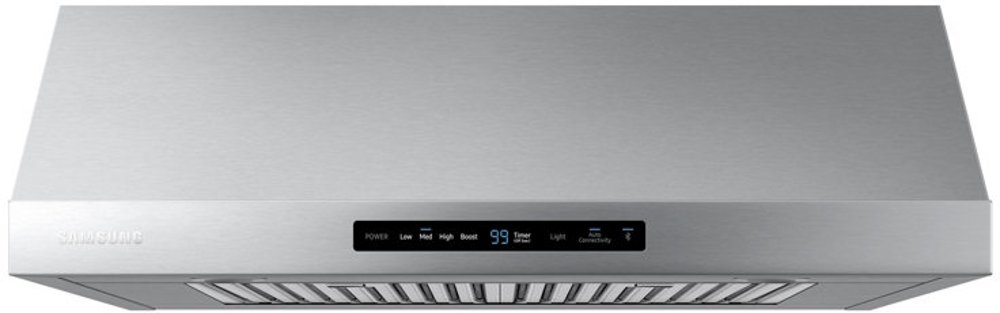
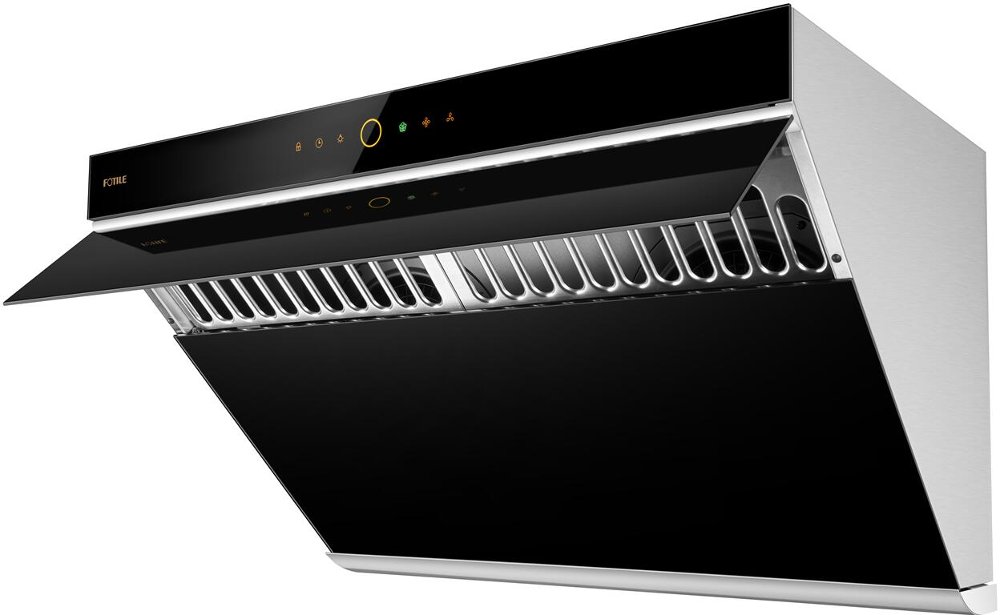
Smart range hoods combine kitchen ventilation with connected controls that can make everyday cooking easier to manage. Depending on the model, a Wi-Fi connection lets you adjust fan speeds, operate task lighting, receive filter-care reminders, or check the hood’s status through a compatible smartphone app. Some connected range hoods also support voice commands or communicate with a compatible cooktop, allowing the fan to start when cooking begins. These features serve a practical purpose when your hands are covered in bread dough, several burners are going at once, or you’ve stepped away from the stove to set the table. Automatic ventilation can reduce the extra steps between heating a pan and getting dinner underway, while supported delayed-shutoff settings let the fan continue running after cooking to help clear lingering odors. Smart features vary, though, and Wi-Fi connectivity doesn’t automatically include cooktop synchronization, voice control, or automatic fan adjustment. Sensor-equipped designs may respond to heat or other cooking conditions, while other hoods rely on commands from an app or a paired appliance. Touchless gesture controls are another convenience found on some designs, but gesture operation alone doesn’t necessarily mean a hood connects to your home network. Compatibility matters as much as the feature list: the hood, app, cooktop, and any voice-control system need to support the functions you want to use together. Convenient controls on the hood itself also matter for quick adjustments without reaching for a phone. For households that cook frequently, connected ventilation can fit naturally into the rhythm of preparing breakfast, simmering sauces, and cleaning up after dinner. For someone updating a kitchen, a smart hood can bring useful technology into an appliance that already plays an important role above the cooking surface. Its primary job remains ventilation; connected features make that job easier to control, not a replacement for properly installed smoke and carbon monoxide alarms.
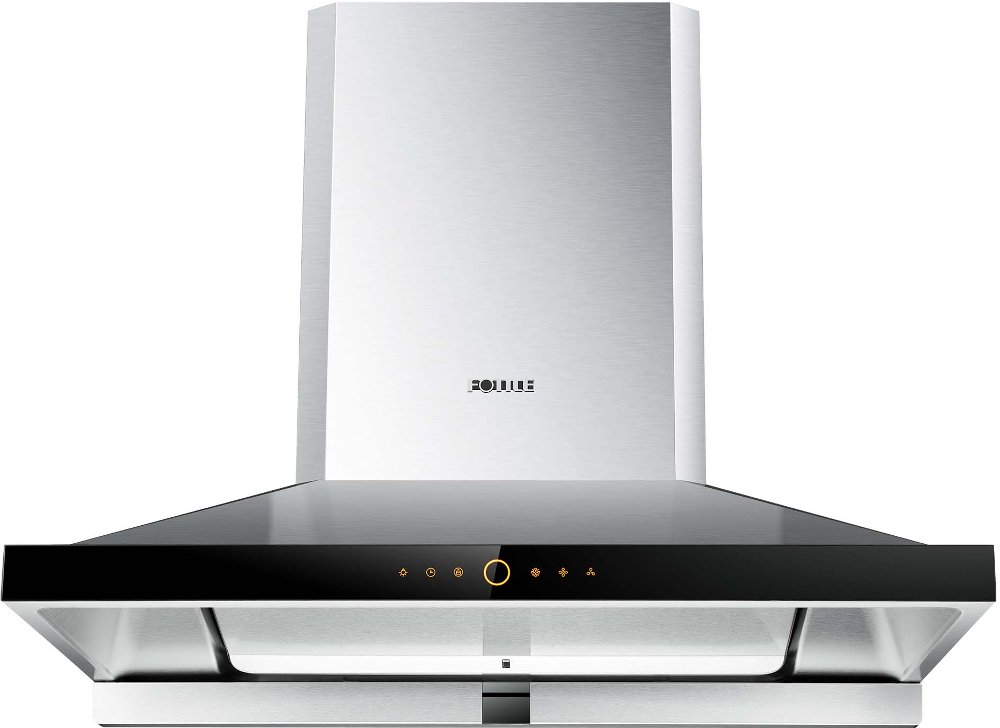
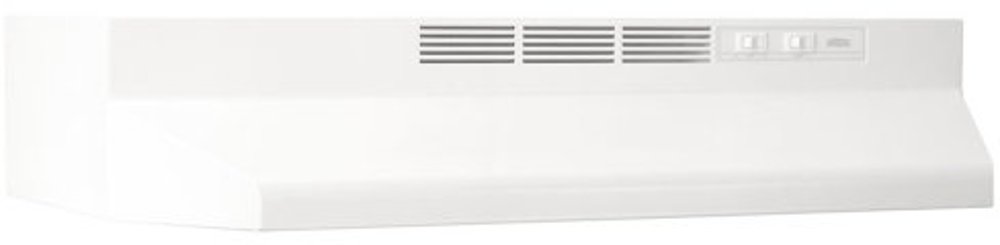
A smart range hood still needs the right physical fit and ventilation design for your kitchen. Under-cabinet hoods sit beneath cabinetry, wall-mounted chimney hoods create a visible focal point above a range, and island hoods serve cooking surfaces positioned away from a wall. Inserts fit inside a purpose-built enclosure for a more integrated appearance. Common hood widths include 30 and 36 inches, but the right size depends on the cooking surface, mounting location, and installation requirements rather than width alone. Coverage over the burners and the required clearance above them affect how effectively the hood captures rising cooking emissions. A shallow canopy or an installation that sits too high can limit capture even when the fan has a substantial airflow rating. Airflow is measured in cubic feet per minute, or CFM, which describes the volume of air a fan moves rather than guaranteeing performance in every kitchen. Many residential hoods fall around the 400–600 CFM range, but cooking habits, appliance output, ductwork, and manufacturer recommendations determine what makes sense for your space. Frequent stir-frying, searing, and cooking on several burners can call for different ventilation than reheating soup or preparing a single skillet meal. If stronger ventilation is a priority, exploring High Performance Range Hoods can help you compare airflow-focused options alongside connected features. Ducted hoods exhaust cooking air outdoors, while ductless configurations filter and recirculate it into the kitchen. Recirculating systems can capture grease and reduce some odors with the appropriate filters, but they don’t carry moisture outdoors. Duct diameter, bends, and the route to an exterior outlet all influence installed performance. Higher-capacity systems may also involve makeup-air requirements under local building codes, so professional installation planning is important. Sound deserves attention, too. Comparing noise ratings at similar fan speeds gives a more useful picture than comparing maximum airflow alone, especially in an open kitchen where conversation carries into the living room. Accessible electrical service and a dependable network connection round out the practical requirements for connected operation.
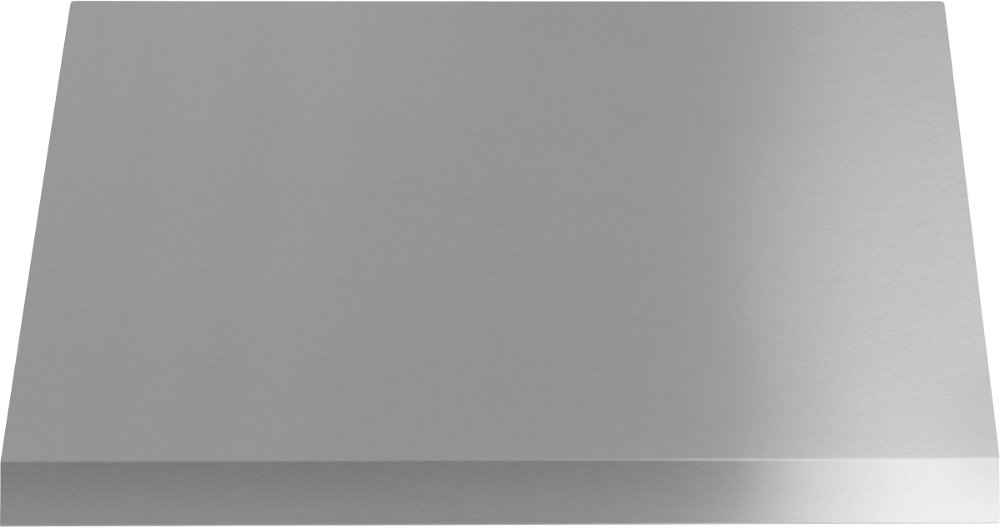
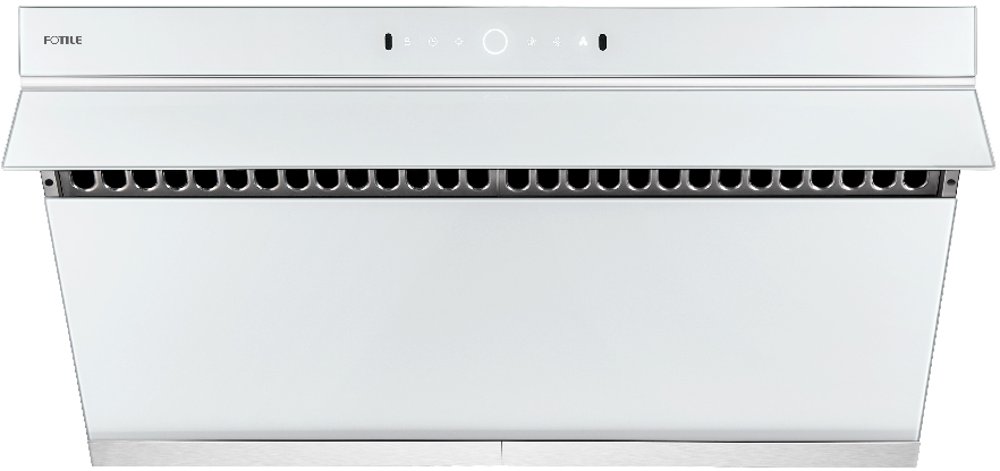
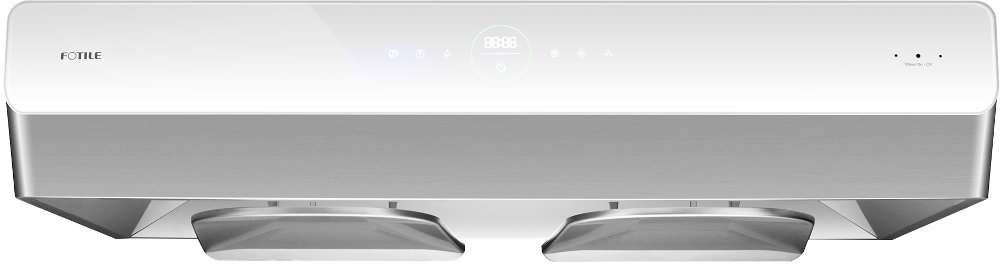
Materials, cleaning access, and everyday usability help determine how comfortably a smart kitchen range hood fits into your routine over time. Stainless steel offers a familiar appliance finish and a durable surface, while painted finishes and glass accents can complement different cabinet styles. A stainless canopy can look crisp beside a matching range, and a dark finish may blend into surrounding cabinetry for a quieter visual presence. Whatever the finish, regular removal of cooking residue keeps the surface looking cared for without letting grease build up around controls and edges. A soft cloth and a cleaner approved for the material are generally a better choice than abrasive pads; stainless steel also benefits from wiping in the direction of its grain. Inside the hood, mesh or baffle filters capture grease and need cleaning according to the manufacturer’s instructions. Some removable grease filters are dishwasher-safe, but that convenience should be confirmed rather than assumed. Charcoal filters used in many recirculating setups typically require replacement instead of washing. App-based reminders can help keep maintenance on your radar, though a reminder may track elapsed time or use rather than directly measure how dirty a filter is. Easy filter removal, reachable controls, and lighting that clearly illuminates the front and back burners can matter just as much as advanced connectivity. A well-lit cooking surface makes it easier to judge browning in a skillet or spot a spill before it dries onto the cooktop. Durability depends on more than exterior construction: correct installation, clear airflow paths, routine filter care, and appropriate cleaning all support dependable operation. It’s also useful to understand how the hood works when the internet connection drops and whether everyday fan and light controls remain accessible locally. For enthusiastic home cooks, busy families, and households planning a coordinated kitchen renovation, these details turn smart features into meaningful convenience. A range hood can even be part of a thoughtfully planned housewarming or remodeling gift, provided the recipient’s measurements, installation needs, and preferences are settled first. The right combination supports the way you cook while fitting naturally into the kitchen around it.
Read More