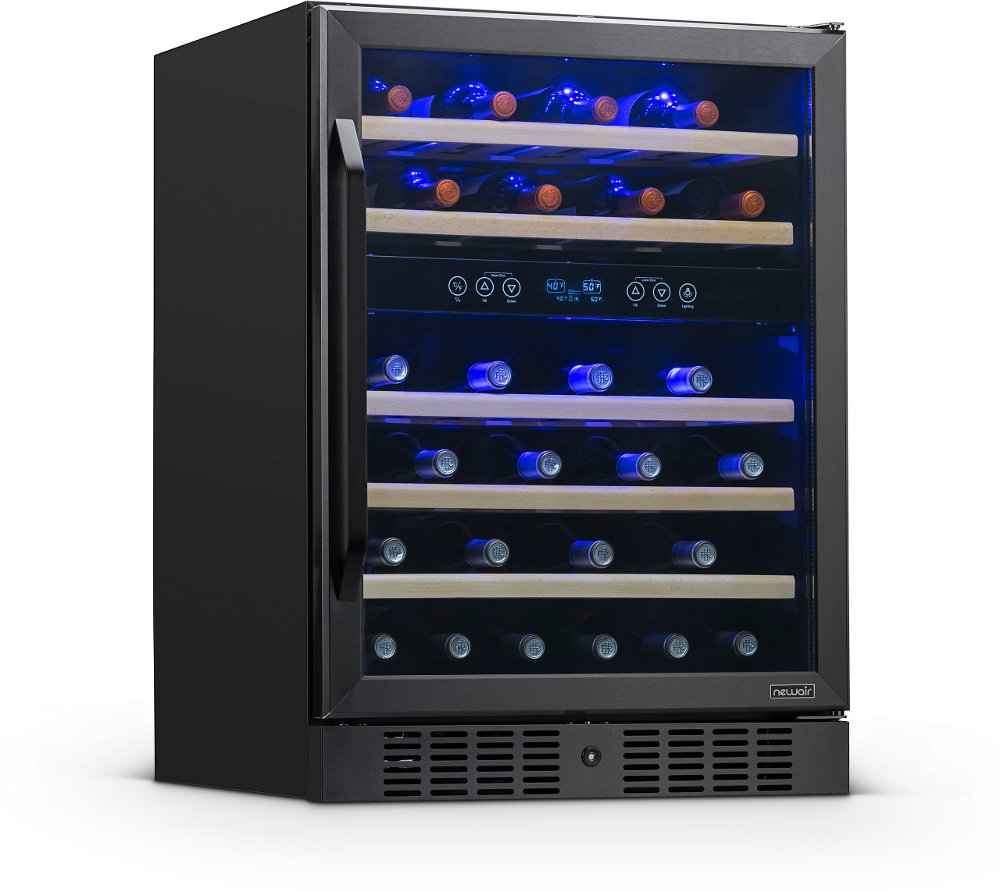
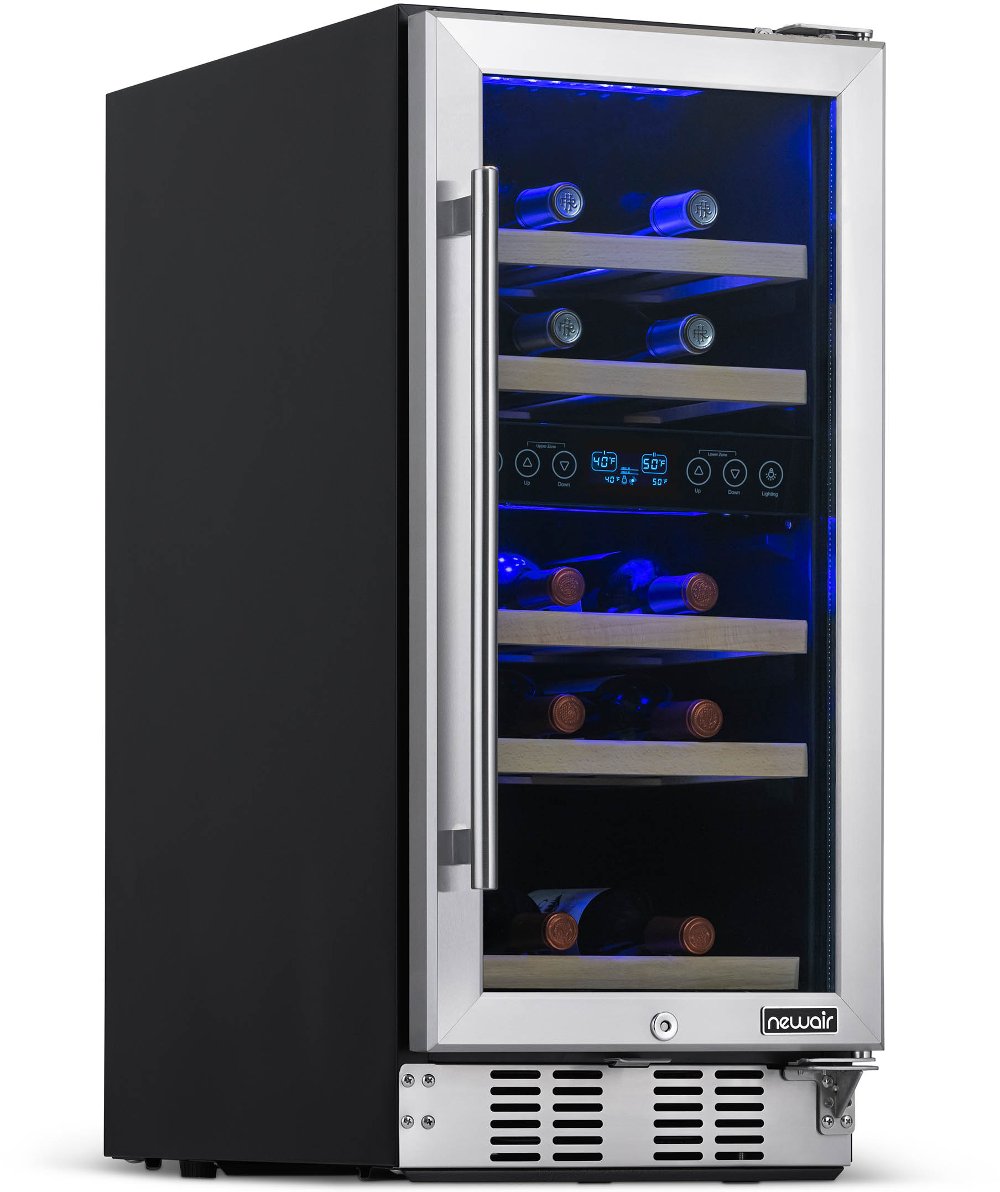
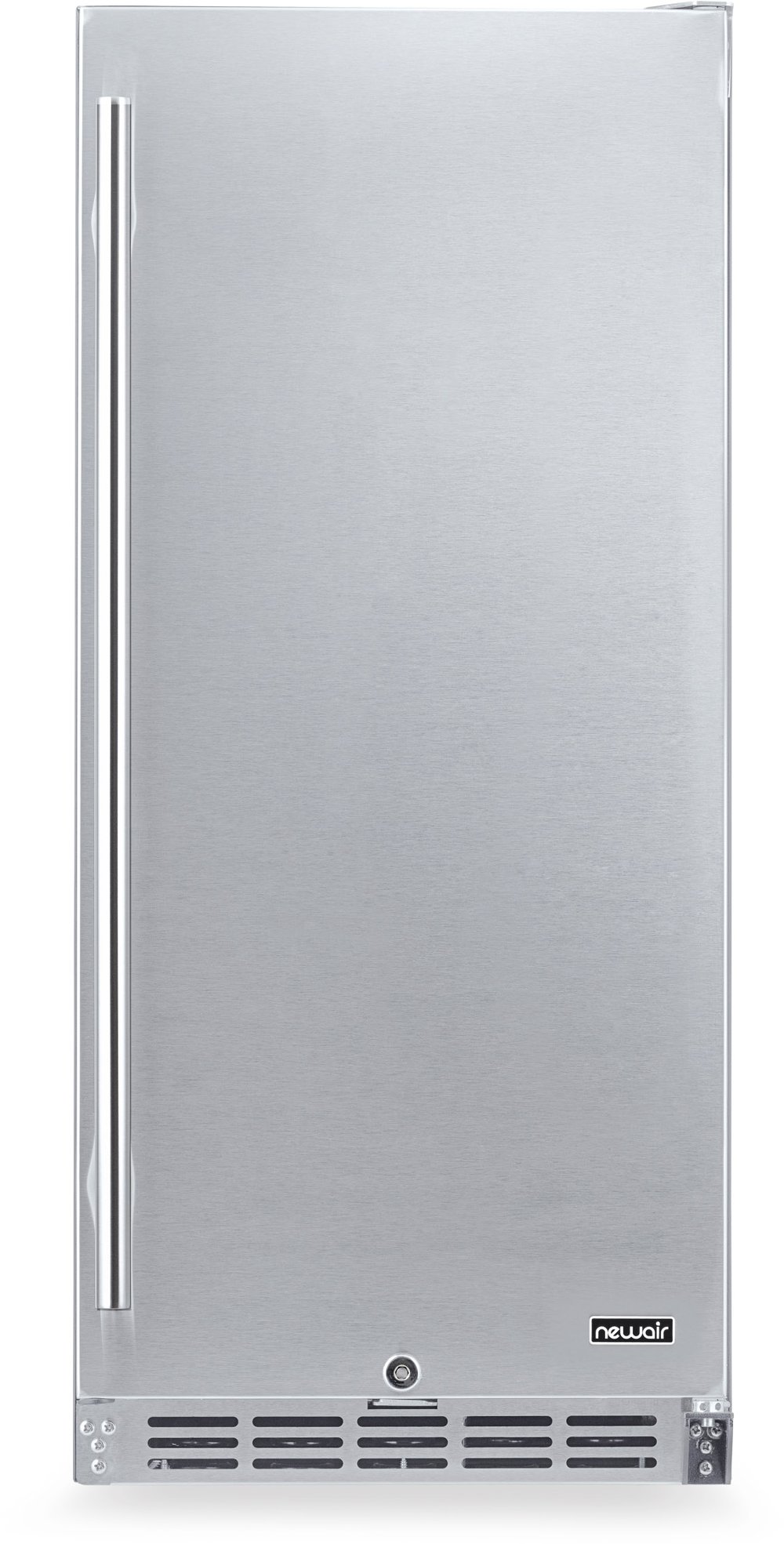
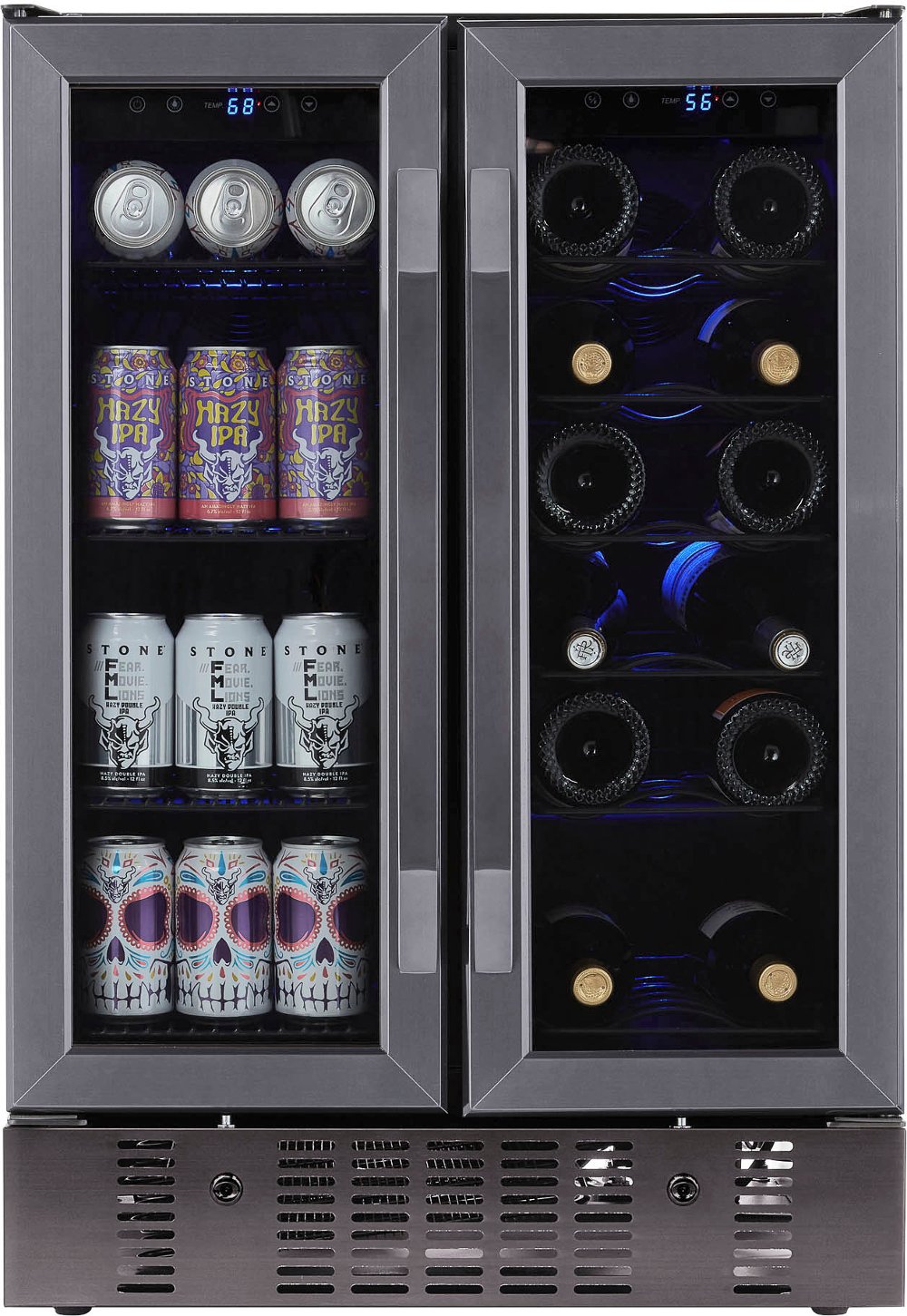
Lockable coolers add an extra layer of security to a familiar outdoor essential. Unlike a standard cooler that relies on a simple lid closure, a lockable cooler may use reinforced latch points, integrated padlock holes, locking handles, or other hardware designed to keep the lid closed and discourage unwanted access. Depending on the construction, a compatible padlock can secure the lid, while a cable lock may help anchor the cooler to a vehicle, boat, trailer, campsite fixture, or other sturdy point. These features can be useful when you need to leave food and drinks unattended for a short time, keep curious children and pets out of the contents, or prevent wildlife from opening the cooler at a campsite. A lockable cooler isn’t a substitute for supervision or a fully secure storage container, and no cooler should be relied on to protect valuable items in an unsecured location. Still, the right locking setup can provide meaningful peace of mind at a tailgate, fishing spot, worksite, campground, backyard gathering, or outdoor event. During the cooler months, it can also serve as a practical way to transport beverages, prepared meals, or refreshments for a long drive, hunting trip, sporting event, or family outing without worrying as much about an accidental opening along the way. If you’re looking for security for household items rather than chilled food, a dedicated option such as Key Lock Cabinets may be a better fit.
When comparing lockable coolers, begin with the way you expect to use one. Capacity matters, but the largest model isn’t always the most convenient choice. A compact cooler may suit a day at the park, a jobsite lunch, or a couple traveling together, while a larger size makes more sense for group gatherings, extended road trips, or several days away from home. Remember that the interior space must hold both refreshments and ice or cold packs, so the listed capacity won’t equal the amount of food and drink you can comfortably pack. Pay close attention to the closure system. Reinforced latches should feel substantial and align cleanly, while integrated lock holes should accommodate the type of padlock you plan to use. Measure the opening before buying a lock, especially if you already have one at home; a thick shackle may not pass through a narrow locking point. A cable lock can offer more flexibility when you want to secure the entire cooler to something stationary, but the cable needs a strong anchor and should be long enough to wrap around both the cooler and the attachment point. Also consider insulation, gasket quality, wall thickness, drainage, handles, wheels, and overall weight. A heavily insulated cooler can hold a low temperature for longer, but it may be difficult to carry when full. Sturdy handles, comfortable grips, and a drain plug that opens easily can make a noticeable difference after a long day outside. For food safety, pack the cooler with enough ice or cold packs to maintain a safe temperature, keep the lid closed as much as possible, and separate raw ingredients from ready-to-eat foods. A locked lid helps control access, but it does not replace proper chilling and handling.
Lockable coolers are especially useful for people who spend time where belongings need a little extra protection: campers, anglers, hunters, contractors, delivery teams, coaches, boat owners, tailgaters, and families who travel with food in a busy vehicle. Picture a cooler sitting in the shaded bed of a pickup while someone sets up a campsite, or refreshments stored beside a boat while the group prepares for the next part of the day. In each situation, a secure closure helps keep the contents together and makes casual access less likely. They can also make thoughtful gifts for someone who enjoys weekend drives, outdoor cooking, fishing, camping, sporting events, or hosting friends on a patio. A cooler with a dependable locking design feels particularly useful because it supports the recipient’s existing routines instead of adding another specialized item to store. Before choosing one as a gift, consider how the person travels and what they typically carries: a lightweight model may be ideal for short outings, while a durable, larger cooler may better serve a family or frequent outdoor host. Look for a design that is easy to clean, simple to drain, comfortable to transport, and compatible with readily available locks. After each use, empty melted ice, rinse away food residue, dry the interior and hardware, and store the cooler with the lid open or slightly ajar when appropriate. Keeping the latch and lock points free of grit will help them work smoothly over time. With thoughtful sizing and the right security method, a lockable cooler can keep refreshments colder, contents more contained, and outdoor plans running comfortably through changing seasons.
Read More