Key lock cabinets are enclosed storage boxes that organize keys on individual hooks and limit access with a locking door. Often made from steel and mounted on a wall, they give spare house keys, vehicle keys, office keys, and equipment keys a dedicated place instead of leaving them scattered in drawers or hanging on an open rack. Inside, rows of hooks keep each key or key ring visible, while numbered positions, identification tags, and reference sheets can make the right set easier to find. For a household, that might mean separating the garage key from a spare mailbox key before heading out the door. For a property manager, maintenance team, or small business owner, it can mean keeping keys for several rooms, vehicles, or buildings organized in one central location. The most useful capacity depends on both the number of keys and their size. A cabinet’s stated hook count doesn’t necessarily reflect how many bulky key rings or vehicle fobs will fit comfortably with the door closed. Closely spaced hooks may work well for single flat keys, while deeper interiors and wider spacing are better suited to larger sets. Adjustable hook rails, where included, offer flexibility for longer keys and hanging tags. Leaving a few positions empty also gives new keys a home without requiring a complete rearrangement later. A compact key storage cabinet can suit a home office or utility area, while a larger layout may serve a workplace with frequent key handoffs. In either setting, a clear labeling system matters as much as the number of hooks. Numbered tags paired with a separately stored reference list can help identify keys without displaying a property’s full address inside the cabinet. For shared spaces, a simple checkout record adds accountability by showing who has a key and when it should return. These small organizational details turn a locked box into a practical part of the daily routine.
Construction, lock design, and placement all influence how well a locking key cabinet fits its intended use. Steel is a common choice because it provides a rigid enclosure that holds up to regular handling. When a steel gauge is listed, a lower gauge number generally indicates thicker material, though the door, hinges, locking mechanism, and mounting points also affect the cabinet’s overall strength. A powder-coated finish helps protect the surface from everyday scratches and corrosion, but it doesn’t automatically make a cabinet suitable for an exposed porch, damp shed, or other outdoor location. Indoor cabinets generally do best in a dry space away from leaks and persistent condensation. A smooth door swing, neatly finished edges, and hooks that hold key rings securely can make daily use more comfortable, especially when several people access the cabinet throughout the day. A keyed cylinder lock offers straightforward operation without batteries or a code to remember; it also requires a plan for who carries the cabinet key and where a spare stays. Other locking key cabinet designs may use mechanical combinations or electronic keypads. Those options have different access and maintenance needs, so the actual locking method deserves attention rather than relying on the category name alone. Combination access can simplify shared use, while electronic features vary and shouldn’t be assumed to include an access history or individual user codes. Whatever the mechanism, a basic key cabinet provides organization and a measure of access control, not the same protection as a burglary-rated safe. Higher-risk keys may need storage that meets an employer’s policy, an insurer’s requirements, or another applicable security standard. Visibility deserves thought, too. An interior office wall or an area behind a staffed desk can be more appropriate than a spot where visitors can easily see labels or watch the cabinet being opened. The goal is convenient access for authorized users without putting important keys on display.
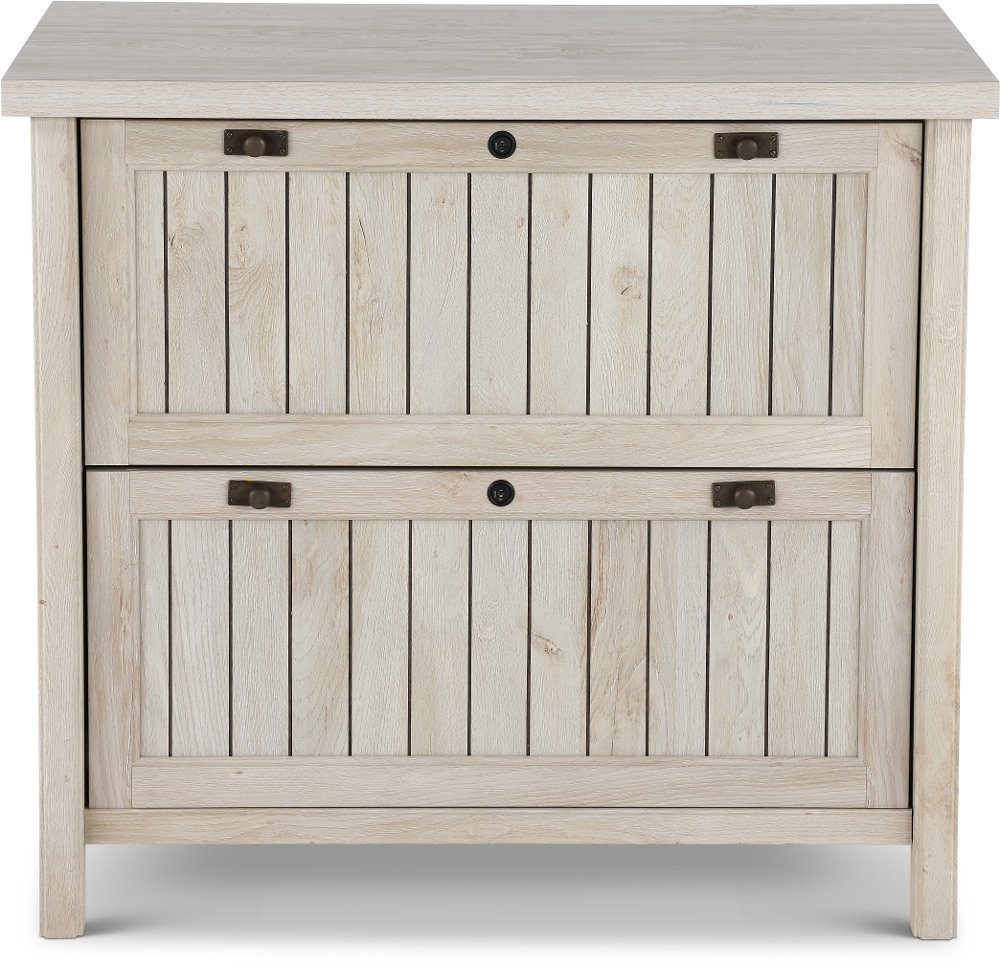
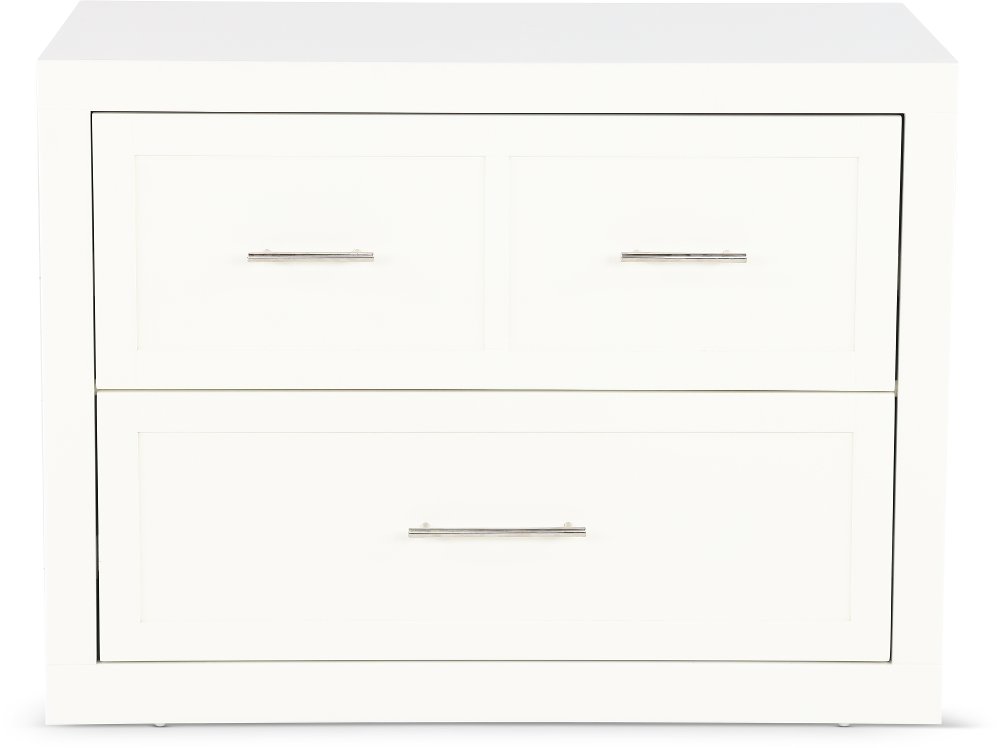
Fit starts with the cabinet’s exterior measurements, but the space around it matters just as much. Allow room for the door to open fully without hitting a shelf, light switch, or adjacent cabinet, and choose a mounting height that lets intended users read tags and reach the upper hooks comfortably. In a narrow utility room, a shallow cabinet may keep the walkway clear; behind an office door, hinge placement and door clearance may determine whether the location works at all. Wall-mounted key cabinets should attach securely using fasteners appropriate for the wall material and the cabinet’s loaded weight. Pre-drilled mounting holes can simplify installation, but included hardware isn’t necessarily right for every surface. Following the manufacturer’s instructions and securing the cabinet to suitable structural support helps keep it stable as the door opens and closes. For a home workspace that also holds household paperwork, wood file cabinets with locking drawers offer complementary document storage, keeping files separate from the small keys used throughout the day. That separation can make a shared office easier to maintain: keys return to labeled hooks, and receipts, manuals, and records go into their own drawers. Routine care for a key cabinet is usually straightforward. Wipe the exterior with a soft cloth, use a mild cleaner only when the finish instructions allow it, and dry any moisture promptly. Avoid abrasive pads that can scratch the coating, and follow the lock manufacturer’s recommendations before adding lubricant. Periodically check mounting fasteners, hinges, hook rails, and labels, especially in a busy workplace. Replace unreadable tags and remove keys that no longer serve an active lock so the layout stays useful. A cabinet used by one household may need only an occasional review, while a rental office or service department benefits from a regular key count and clear handoff habits. With the right capacity, a suitable mounting location, and an easy-to-follow labeling system, key lock cabinets help keep everyday access organized without adding unnecessary complexity to the space.
Read More