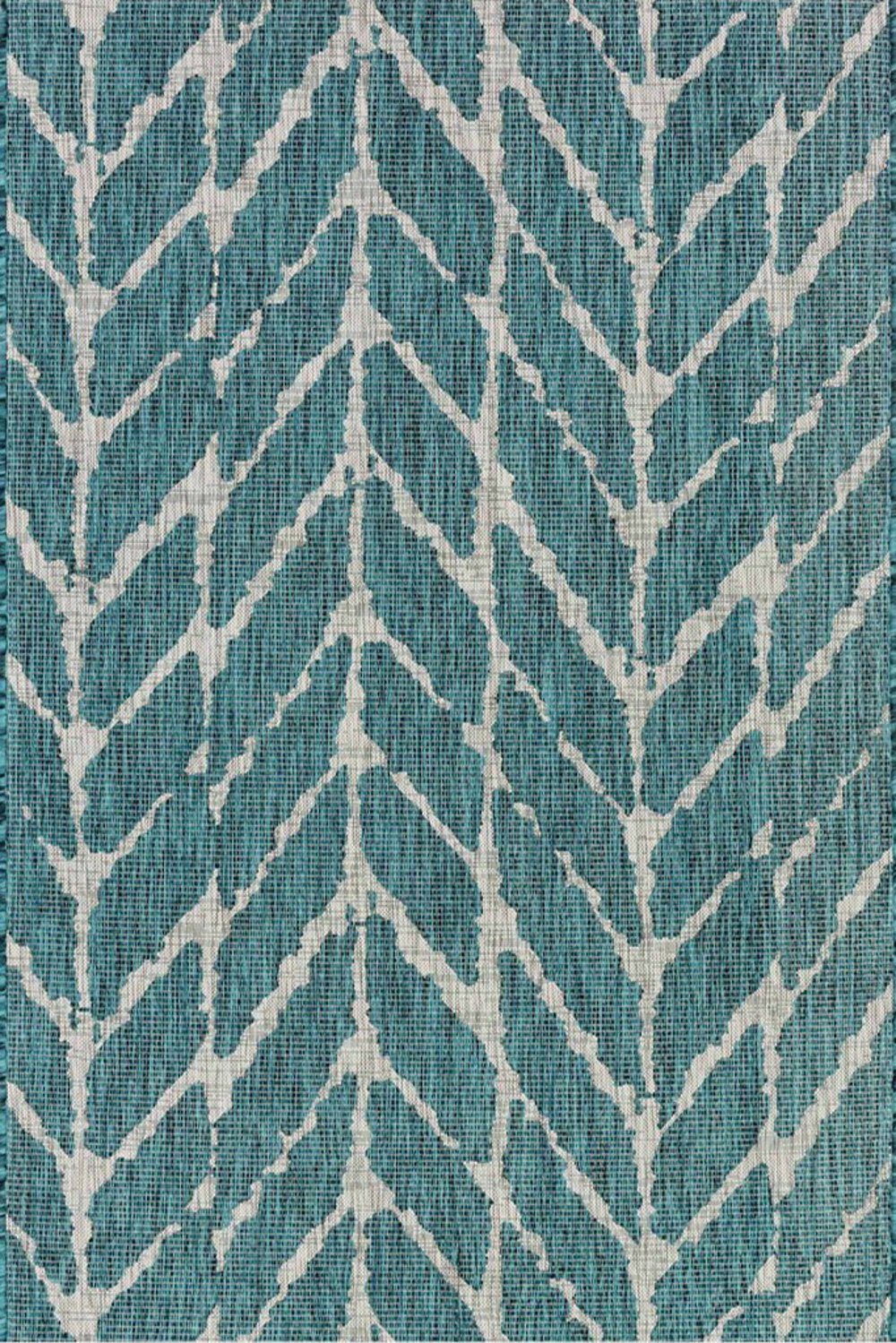
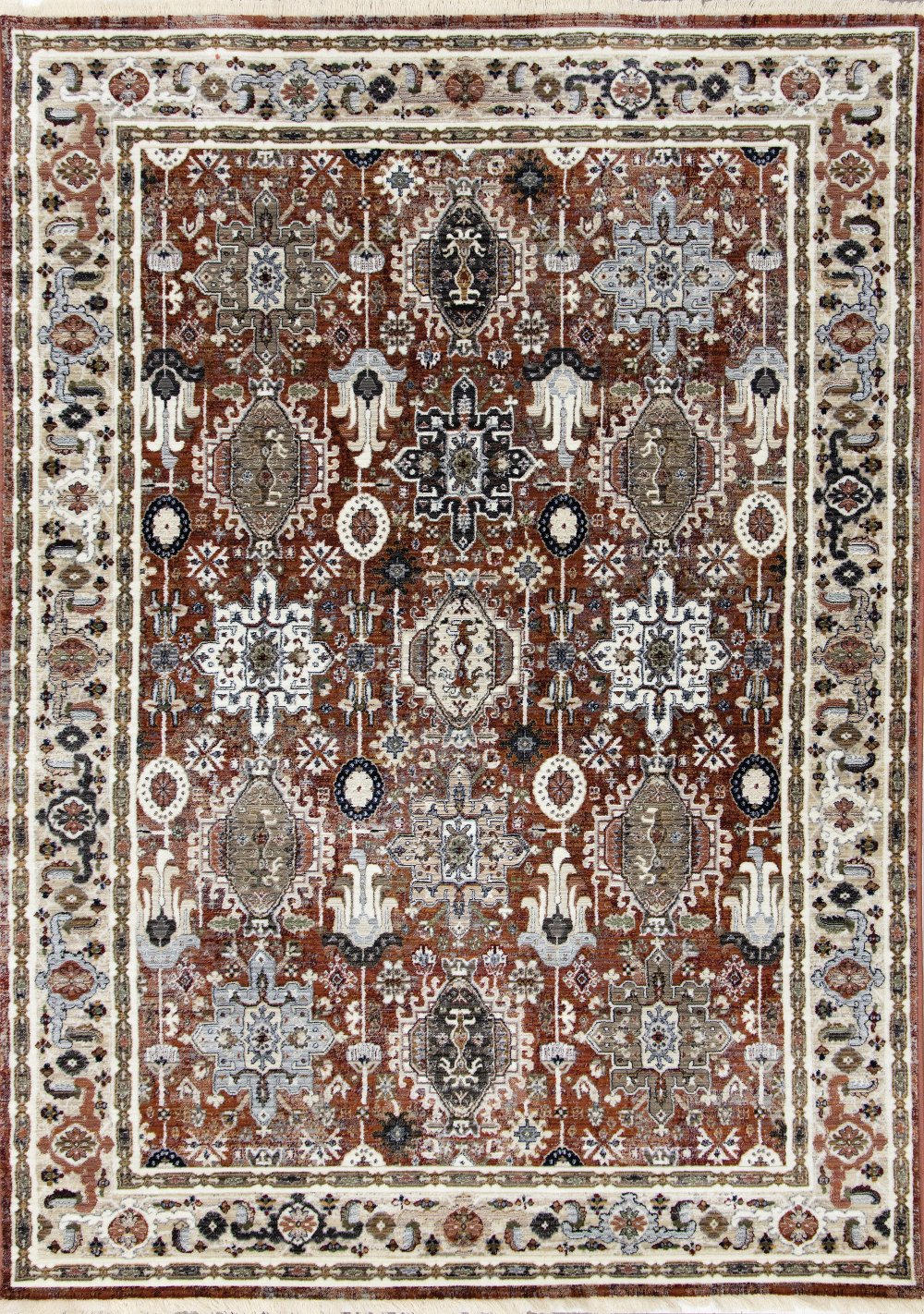
Long rugs bring comfort, color, and a sense of connection to spaces that can feel unfinished with bare floors alone. Their elongated shape works especially well in hallways, entryways, kitchens, and the narrow stretches beside a bed, adding softness without covering the entire floor. A runner can make the walk from the front door to the living room feel more welcoming, while a long area rug can help define a passage through an open floor plan. In a kitchen, a rug along the sink and prep area adds a comfortable layer where feet tend to linger. Beside a bed, it creates a soft landing while leaving more of the surrounding flooring visible. Proportion makes a noticeable difference in each setting. A rug that leaves a consistent border of exposed flooring usually looks more settled than one pressed against baseboards or crowded into a doorway. Measure the usable floor space, including any spots where doors swing open, cabinets extend, or furniture narrows the path. The overall length matters, but so does the width: a generous hallway may suit a wider runner, while a slim passage needs enough uncovered floor to keep the arrangement from feeling cramped. For entryways, allow clearance beneath the door and check the combined thickness of the rug and any rug pad. In furnished spaces, consider where the rug ends in relation to a console, bench, or bedside table so furniture legs don’t sit awkwardly across its edge. Longer rugs can also create continuity between adjoining rooms, especially when their colors echo nearby upholstery, artwork, or wood finishes. The result doesn’t have to look perfectly matched. A muted blue runner near a warm wood console or a softly patterned rug beside a solid-color bed can give a practical walkway its own personality while still feeling like part of the home.
Material and construction shape how a long rug feels underfoot, how it wears, and how much attention it needs. Wool is valued for its natural resilience and comfortable texture, making it appealing for spaces where softness and everyday durability both matter. Some wool rugs shed loose fibers, particularly early in use, and benefit from regular care according to their cleaning instructions. Cotton often has a relaxed feel and a lighter construction, though washability depends on the individual rug rather than the fiber alone. Synthetic fibers such as polypropylene, polyester, and nylon offer different combinations of stain resistance, softness, and resilience. These materials can be practical for busy households, but performance also depends on pile density, backing, and construction. A low-pile or flatwoven runner is often a good fit for a frequently traveled hallway because its surface is easier to move across and tends to collect less deeply embedded debris than a thick pile. A plush texture may feel more inviting beside a bed, where door clearance and frequent foot traffic are less of a concern. Natural-fiber rugs, including jute and sisal, add visible texture and an earthy look, although their sensitivity to moisture makes placement important. They’re generally better suited to dry spaces than areas with frequent splashes or damp shoes. For homes with pets, a tightly constructed surface without loose fringe or prominent loops may be easier to live with, particularly when claws and playful paws are part of daily life. In households with children, a forgiving pattern and a cleanable construction can help a hardworking passage stay presentable between cleanups. Long rugs also suit apartments and smaller homes, where a narrow strip of textile can add comfort without taking over limited floor space. Think about the actual routine around the rug: the dog’s route to the back door, the stretch where grocery bags get set down, or the bedside spot where bare feet land each morning. Those small details often make the right texture and construction clearer than appearance alone.
Color and pattern give long rugs much of their character, and the extended shape lets a design unfold across the room. Small repeating motifs create a steady rhythm down a hallway, while larger patterns can make a spacious entry feel more expressive. Stripes may emphasize the length of a passage, and bordered designs give the rug a defined edge against tile, wood, or other hard flooring. Solid colors keep the effect simple, though variations in weave or pile can add depth without a busy pattern. Midtone colors and gently varied designs often disguise everyday lint and small marks better than a very pale or uniformly dark surface. For rooms with patterned wallpaper or colorful artwork, a quieter runner can offer balance; in a plain hallway, a more detailed design can become the main decorative feature. Collections centered on Global Rugs offer another direction to explore when layered motifs and varied color palettes suit the surrounding decor. Whatever the style, practical finishing details help a long rug feel comfortable in use. A properly sized rug pad can add cushioning and help limit shifting, provided it’s compatible with both the rug backing and the flooring beneath it. Follow the flooring manufacturer’s recommendations, since some backing and pad materials can affect certain finishes. Keep rug edges flat and avoid bunching that could interrupt a walking path. Routine vacuuming removes grit before it works deeper into the fibers, but the appropriate setting depends on construction; delicate weaves, fringe, and some piles need a gentler approach without an aggressive brush roll. Blot spills promptly rather than rubbing them, and follow the care label before applying a cleaner or using water. Even a rug labeled machine washable needs to fit the washer’s capacity and follow its specified drying method. Rotating a runner when the layout permits can help distribute wear from repeated footsteps or uneven light exposure. With a size that fits the space, a material suited to the routine, and a design that feels at home, a long rug becomes a useful, welcoming part of everyday living.
Read More