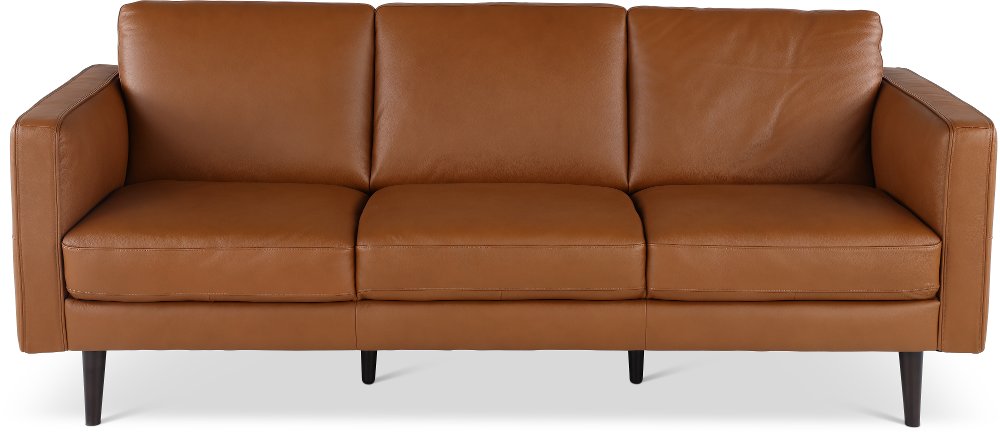
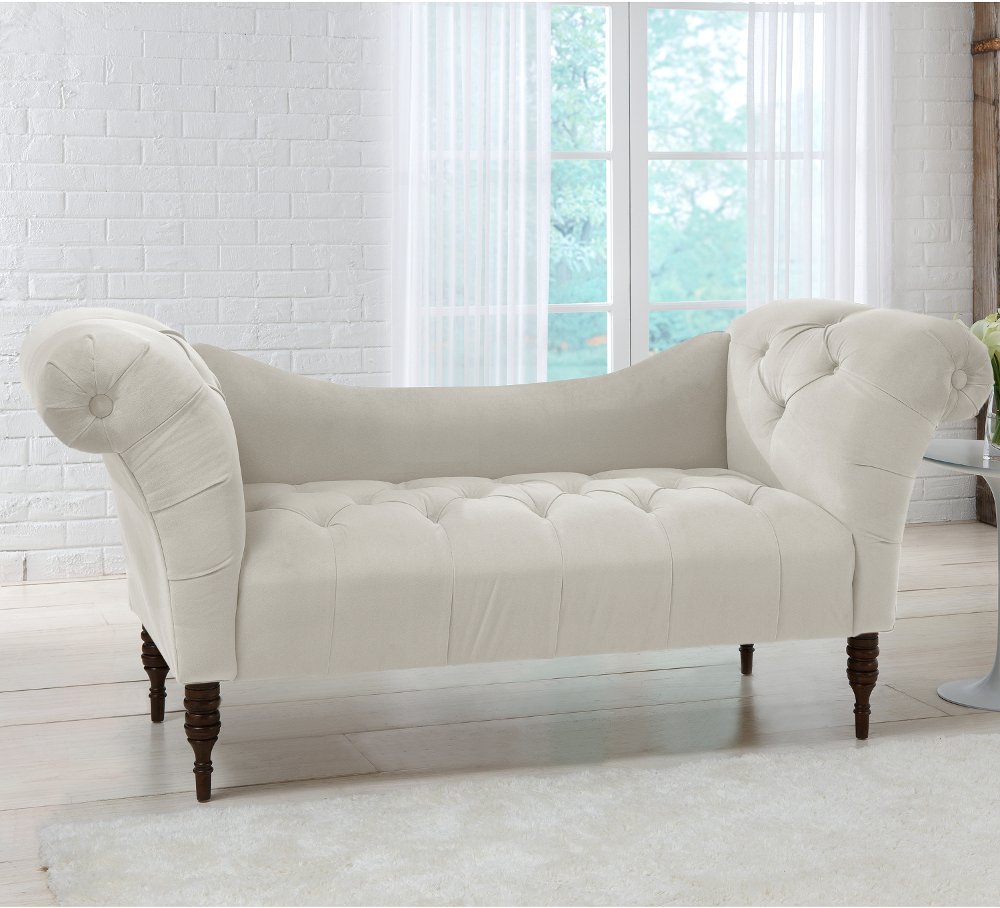
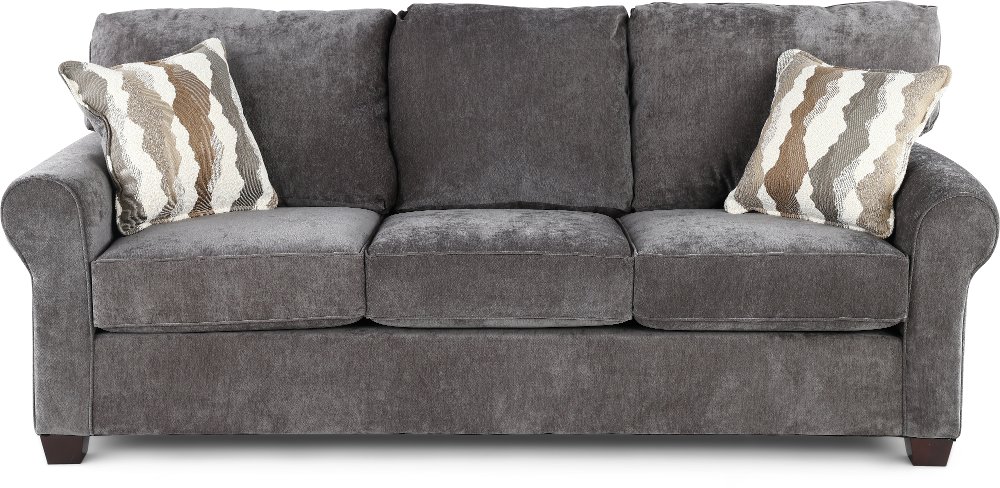
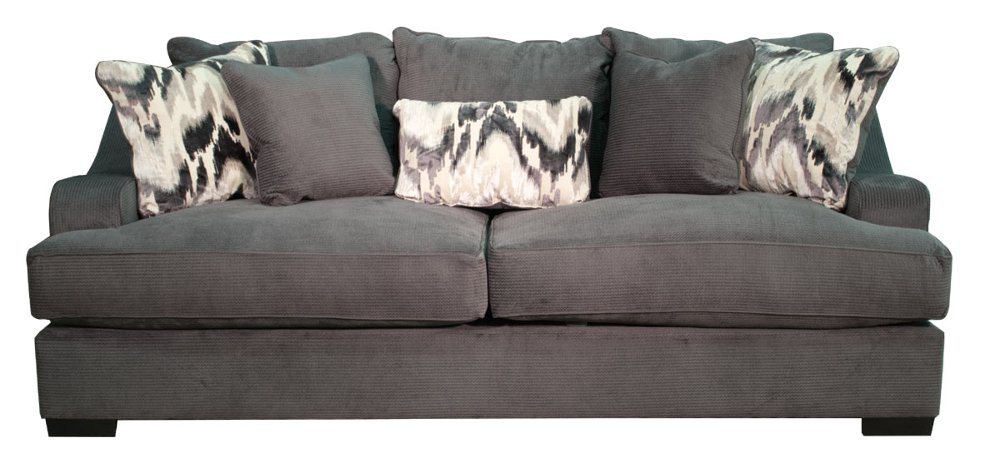
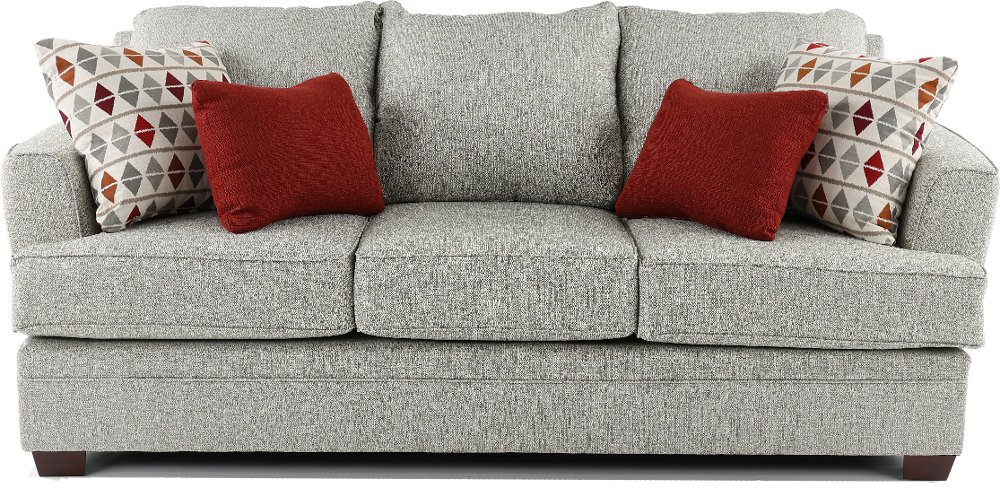
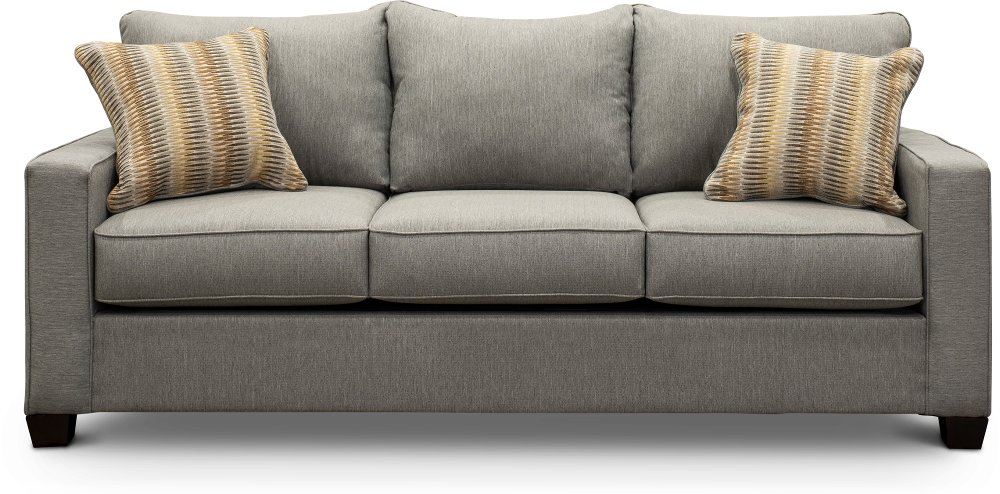
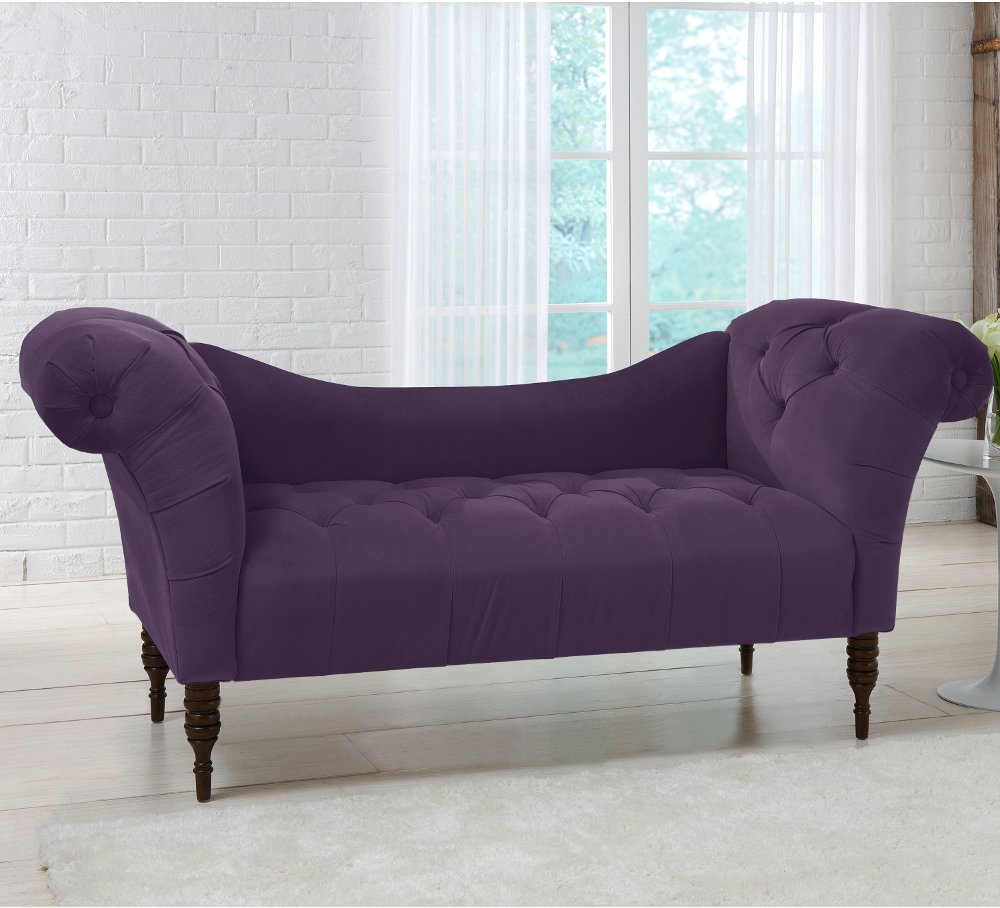
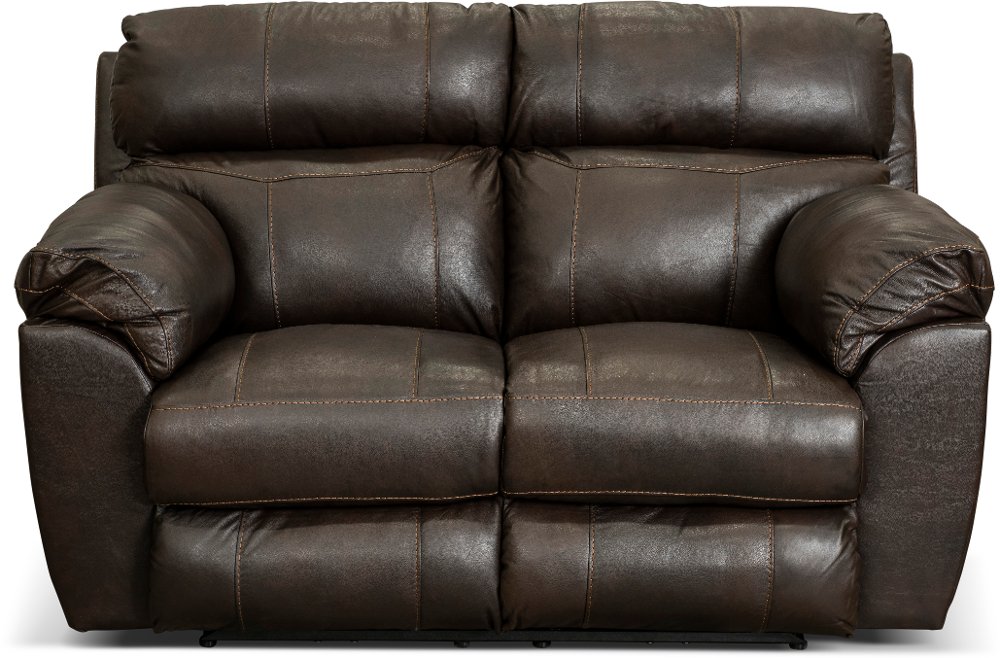
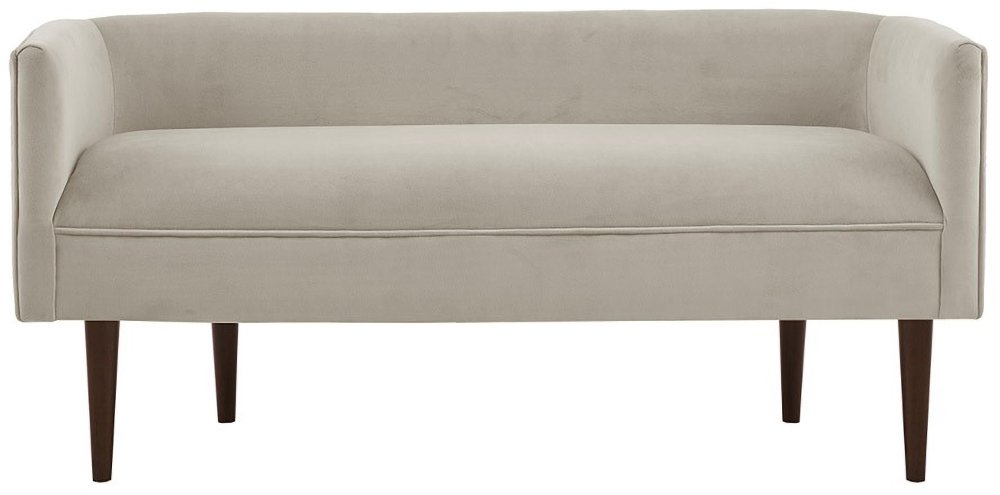
Long settees bring a graceful, practical presence to rooms that need comfortable seating without the visual weight of a deep sofa. Often measuring about 60 to more than 90 inches wide, with a slim depth of roughly 30 to 36 inches or less, they can fit along a hallway wall, beneath a broad window, at the foot of a bed, or in a living room where every inch matters. Their elongated shape gives two people plenty of room to sit while keeping the room’s walkways open and the overall arrangement polished. A long settee can also help define an open floor plan, creating a gentle boundary between a conversation area and a dining or entry space without blocking light or sightlines. For a small apartment, it may serve as the main seating piece for reading, chatting, and putting on shoes; in a larger home, it can add a useful landing place beside a more substantial sofa or a pair of accent chairs. Slim arms, raised legs, and exposed wood or metal frames can make the furniture feel especially light, while tailored upholstery, linen-inspired textures, velvet, and leather-look finishes offer different ways to shape the room’s personality. A settee with a firmer, shallower seat usually encourages a more upright posture, making it well suited to conversation, occasional seating, or a formal sitting area. If you prefer to stretch out with a book or create a more relaxed lounge, compare seat depth, cushion construction, and arm design carefully. Shoppers drawn to an extended profile with a place to rest their legs may also enjoy exploring Chaise Settees for a different take on long-form comfort.
Before choosing a long settee, measure the full destination rather than relying on the wall length alone. Mark the furniture’s width and depth with painter’s tape, then walk around the outline with a laundry basket, vacuum, or the everyday items that normally move through the room. Leaving about 18 to 24 inches of open walking space around the settee can help the layout feel welcoming instead of crowded, particularly in a hallway, bedroom, or narrow living room. Check doorways, stair turns, elevators, and entry paths as well, and remember to account for the height of a window ledge, baseboards, radiators, outlets, and nearby cabinets. A standard long settee around 60 to 74 inches can offer comfortable two-person seating while staying easy to place, while an extra-long design around 80 to 94 inches or more can bridge the gap between a formal bench and a compact apartment sofa. Consider how the furniture will be used throughout the day: a bedroom settee may hold folded blankets in the morning and provide a seat for shoes at night, while an entryway settee can make coming home easier by offering a convenient spot to pause, sort packages, or gather belongings before heading out. Families may appreciate performance-minded upholstery and sturdy frame construction in busy spaces, while a quieter reading corner may call for soft fabric, supportive cushions, and a finish that complements warm lighting. During the warmer seasons, a long settee beneath a window can create an airy place to sit with a cool drink; as the weather turns cooler, it becomes an inviting spot for layered throws, a favorite book, or visiting with friends. For gifting, a settee can be a thoughtful housewarming choice when you know the recipient’s available space and decorating style, but accurate measurements and a clear sense of the room’s function make the gift feel personal rather than oversized. However you plan to use yours, focus on the balance of length, depth, comfort, durability, and visual proportion so your new seating feels at home from the first day.
Read More