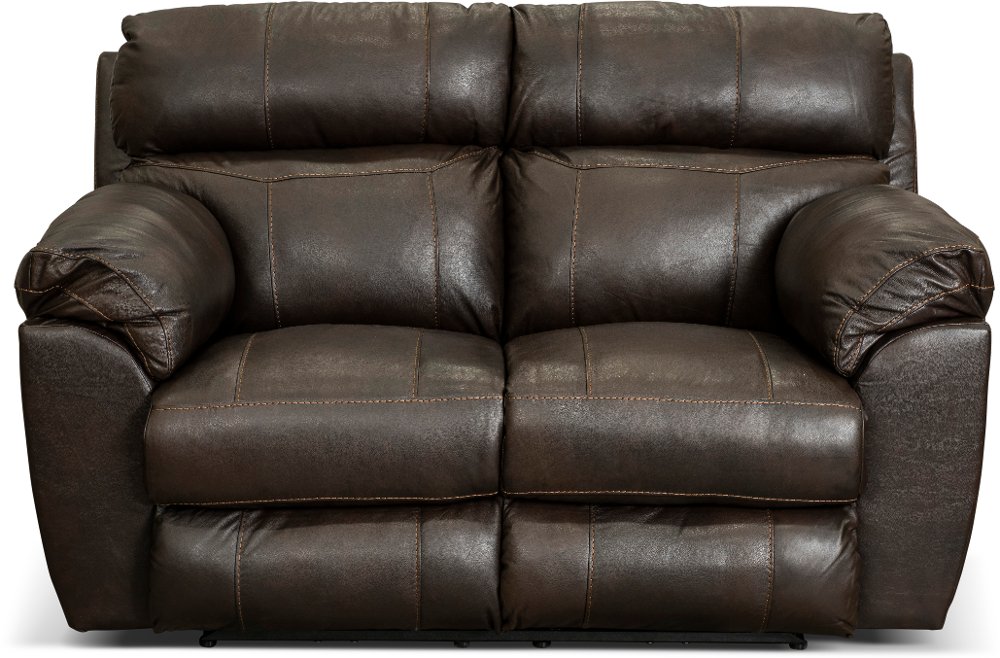
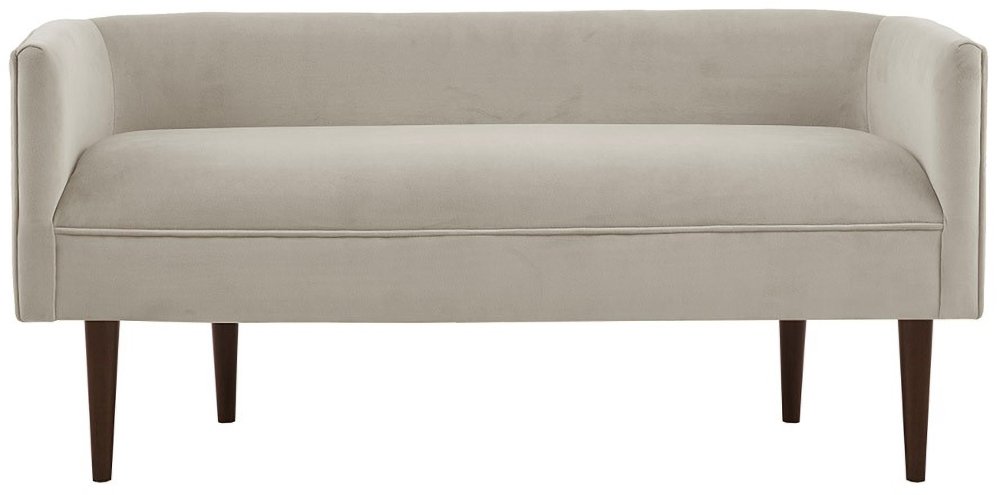
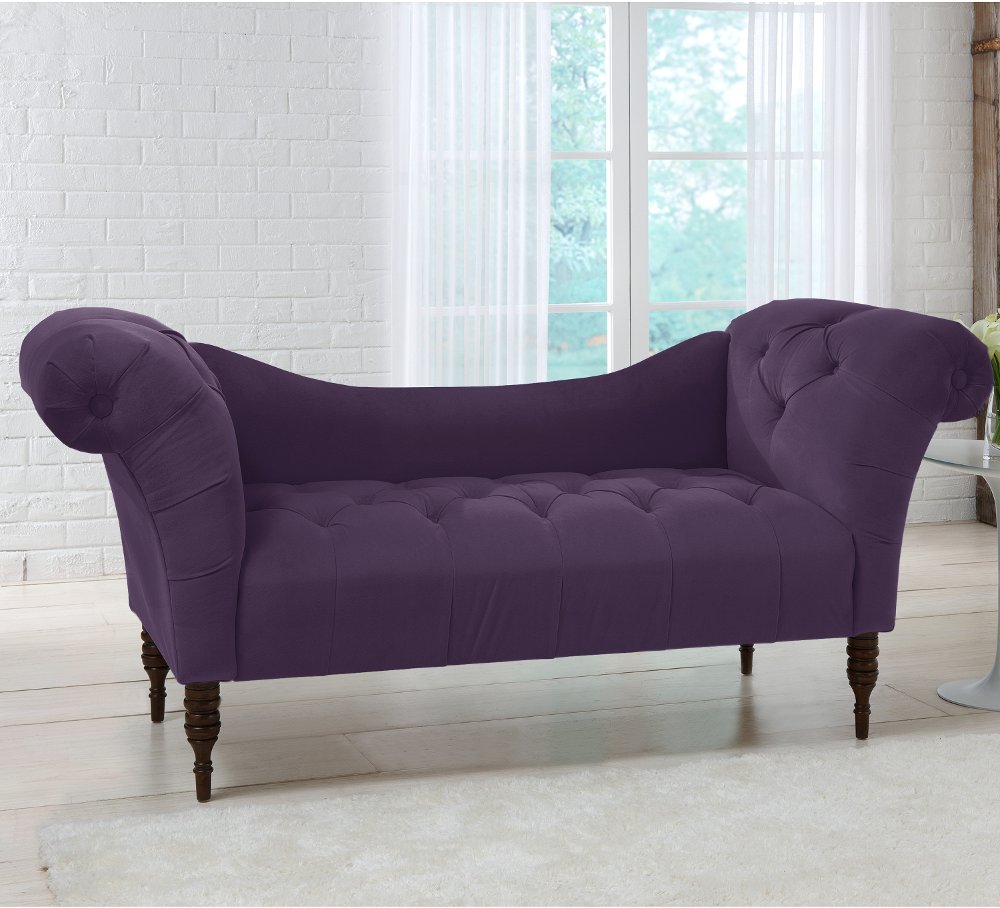
Stylish settees bring the presence of a sofa to spaces that call for a lighter footprint. A settee is a compact upholstered seat with a back, typically designed for two people, though actual seating capacity depends on its dimensions and construction. Compared with many full-size sofas, settees often have shallower seats, narrower frames, and a more upright profile. The terms settee and loveseat sometimes overlap, but settees frequently lean toward tailored accent seating rather than deep, sprawling lounge furniture. That makes them a natural fit for entryways, bedrooms, reading corners, and smaller living rooms where every piece needs to earn its place. In an entry, an upholstered settee offers somewhere to sit while fastening shoes and creates a welcoming focal point beneath a mirror. At the foot of a bed, it adds a useful perch without the visual weight of a larger sofa. In a studio apartment, a slim two-seat silhouette can help define the living area while leaving room for a desk or dining table. Design details give these compact pieces much of their personality. Rolled arms, button tufting, and turned wood legs suggest a traditional look, while straight arms and tapered legs feel clean and understated. A curved back softens a room filled with angular furniture, and an exposed wood frame adds texture without requiring a bold upholstery color. Velvet paired with slender metal legs can create a dressier accent; a woven fabric on a simple frame feels relaxed and easy to pair with existing furniture. Emerald, olive, and sage upholstery introduce color with a grounded feel, while cream, taupe, charcoal, and brown offer flexible starting points for pillows and rugs. Neither bright color nor ornate detailing is necessary for a settee to stand out. A well-proportioned shape, thoughtful seams, and a fabric that complements the room can make a quiet design feel just as distinctive.
The right fit depends on more than the amount of open wall space. Overall width determines where a settee can sit, but usable seat width reveals how much room two people actually have once the arms are accounted for. Wide, padded arms can feel inviting while taking up a meaningful share of a compact frame. Armless designs offer a more open silhouette, although they don’t provide the same side support for leaning into a cushion. Seat depth and height also shape the experience: a shallower seat may make upright conversation easier, while a deeper seat offers more room to settle back. Someone who likes both feet resting on the floor may prefer different proportions from someone who curls up with a book. Back height, cushion firmness, and arm placement matter just as much as the upholstery’s appearance. For seating intended for everyday use, Comfortable Settees offer another way to explore the balance between an inviting feel and a space-conscious shape. Placement should leave room for the routines around the furniture. A bedroom settee needs clearance for walking around the bed and opening dresser drawers. An entryway seat works best when it doesn’t crowd the door swing or the path used while carrying bags. In a living room, enough space between the seat and a coffee table makes sitting down and standing up feel natural. Measuring doorways, hallways, and tight turns along the delivery route is just as important as measuring the final spot. Painter’s tape on the floor can help show whether a graceful silhouette will still leave a comfortable walkway. Raised legs reveal more flooring and can make a small room feel less crowded, while a skirted base creates a more grounded appearance. A finished upholstered back gives a settee greater flexibility away from a wall, such as beside a window or between two areas of an open living space.
Materials and construction help determine how a settee looks, feels, and holds up to its intended use. Linen and linen-blend upholstery can offer visible texture and a relaxed appearance, though wrinkles and care needs vary by fabric. Cotton blends range from smooth and tailored to softly textured, while polyester upholstery comes in many weaves and finishes. Velvet adds depth because its pile reflects light differently across the surface; shading and pressure marks can be part of its character rather than signs of damage. Leather offers another distinct look and may develop a patina with use, depending on its finish, but it still needs appropriate care and protection from scratches. For homes with children or pets, tightly woven upholstery and fabrics with documented stain-resistance features may be useful considerations. No material is completely immune to spills, claws, or everyday wear, and a performance label doesn’t replace the manufacturer’s cleaning instructions. Regular vacuuming with an appropriate upholstery attachment helps remove dust and crumbs before they settle into seams. Blot spills promptly rather than rubbing, and follow the care label before applying water or a cleaning product. Removable cushion covers aren’t necessarily machine washable. Direct sunlight can fade some fabrics and finishes, so placement deserves attention alongside cleaning. Beneath the upholstery, frame materials, reinforced joints, suspension, and cushion construction all contribute to support and durability. A sturdy frame alone doesn’t tell the whole story; the way those elements work together matters, especially for a seat used daily. Foam cushions often provide a more defined shape, while fiber or feather blends may need regular fluffing to maintain their appearance. An occasional bedroom perch has different demands from the main seating in a small apartment. A settee can also be a thoughtful furnishing gift for someone setting up a home, provided the recipient helps choose the dimensions, fabric, and style. Whether it anchors a conversation corner or adds a place to pause beside a bookshelf, a well-chosen settee brings useful seating and personality to a room without asking the rest of the space to work around it.
Read More