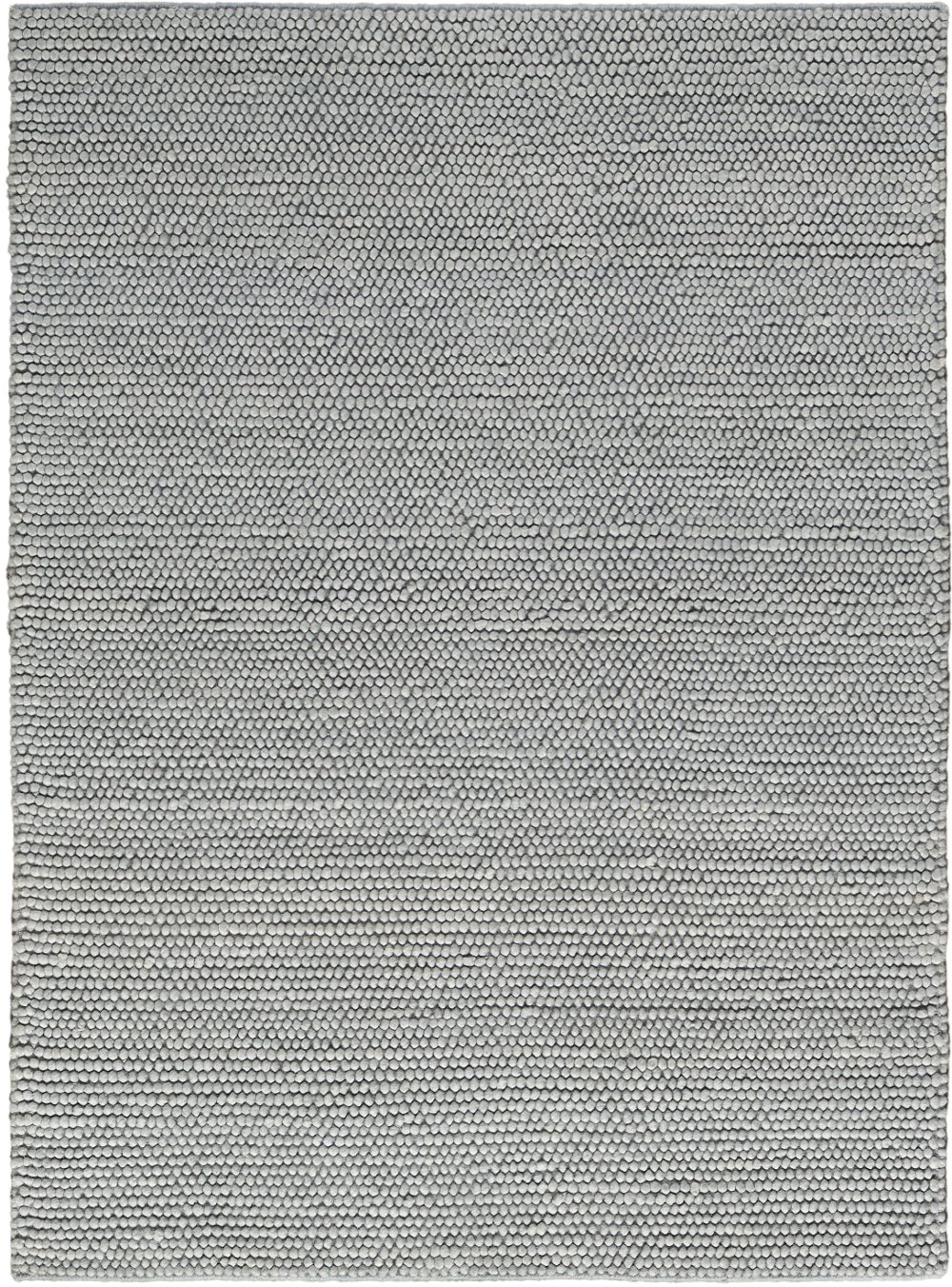
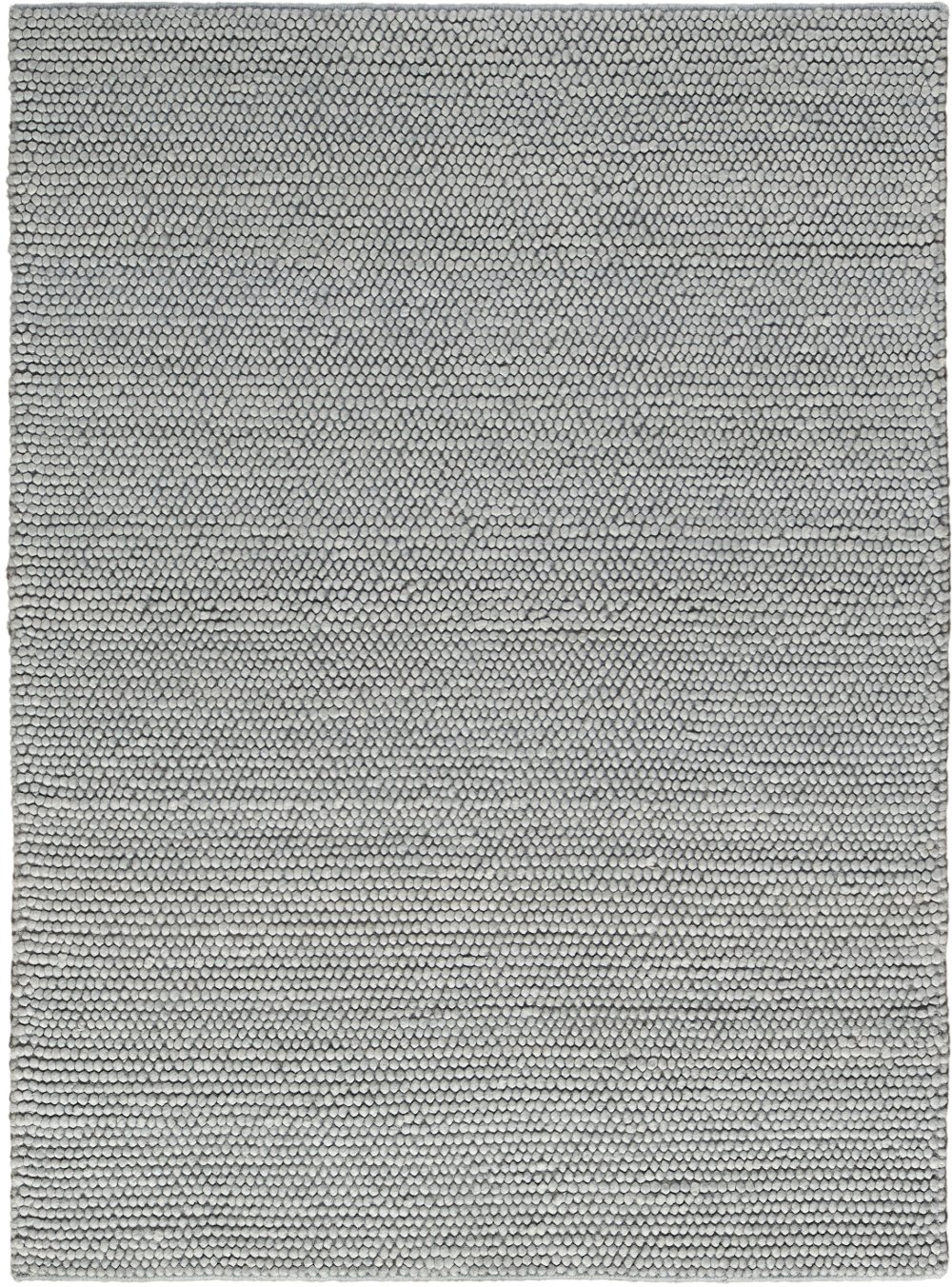
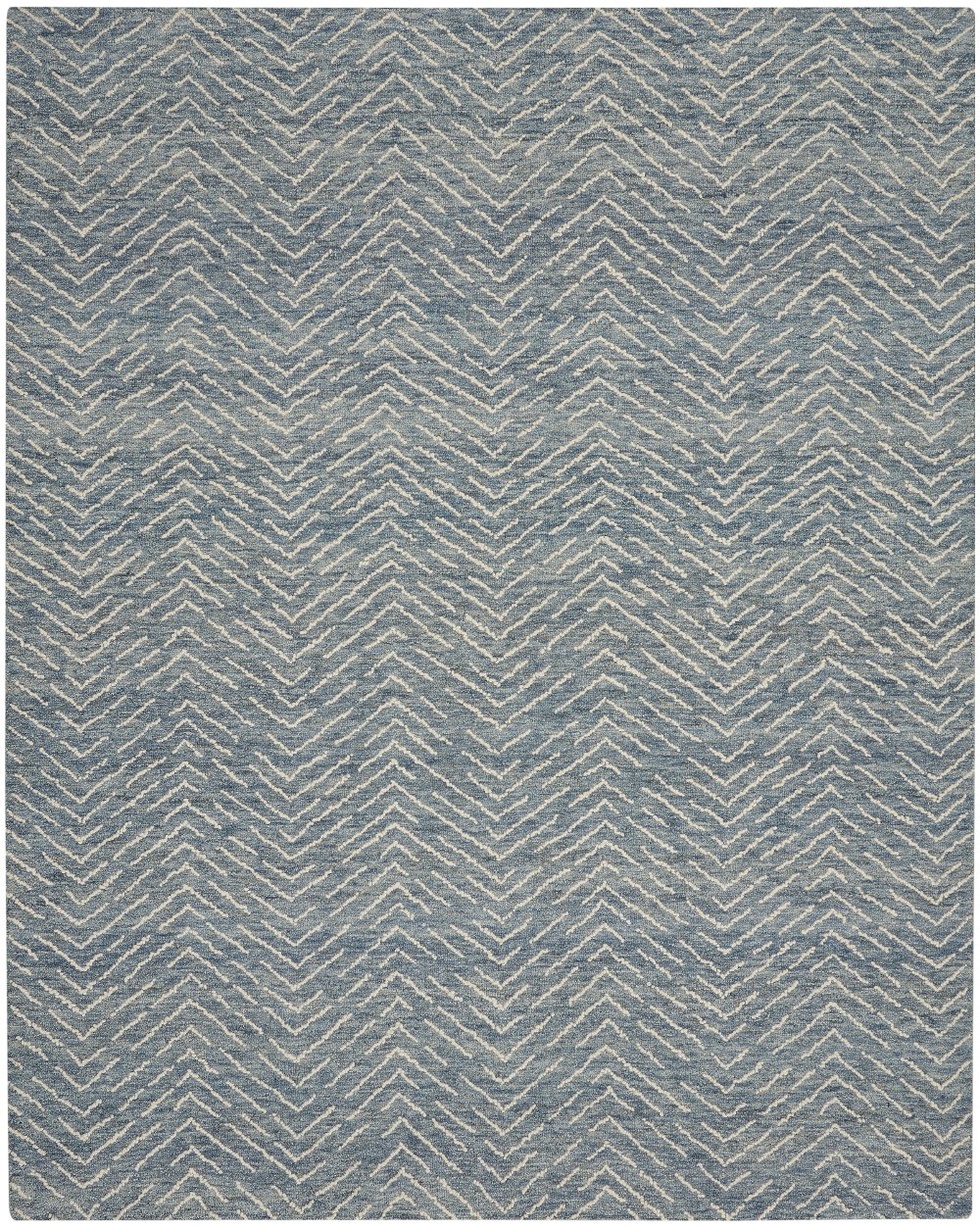
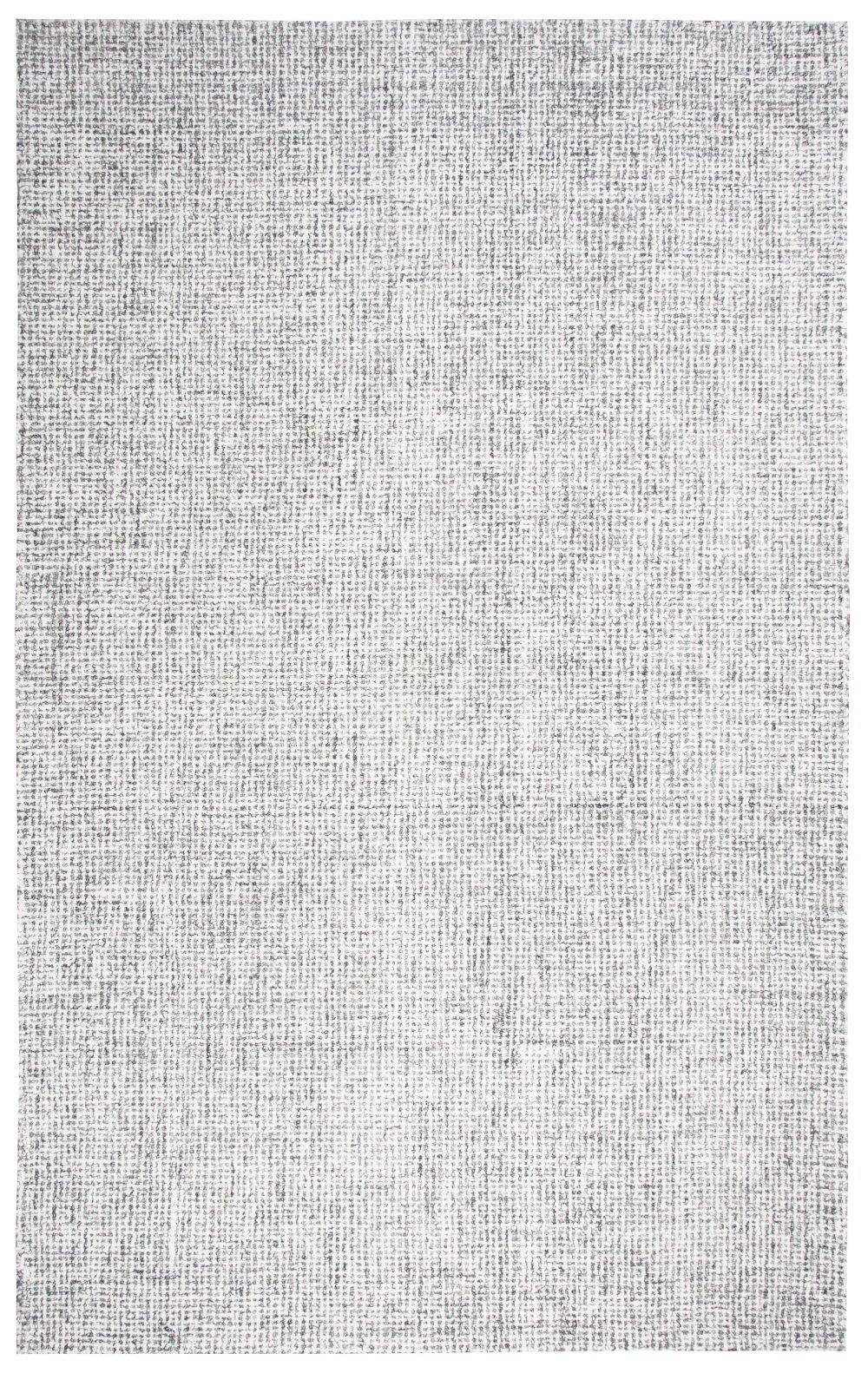
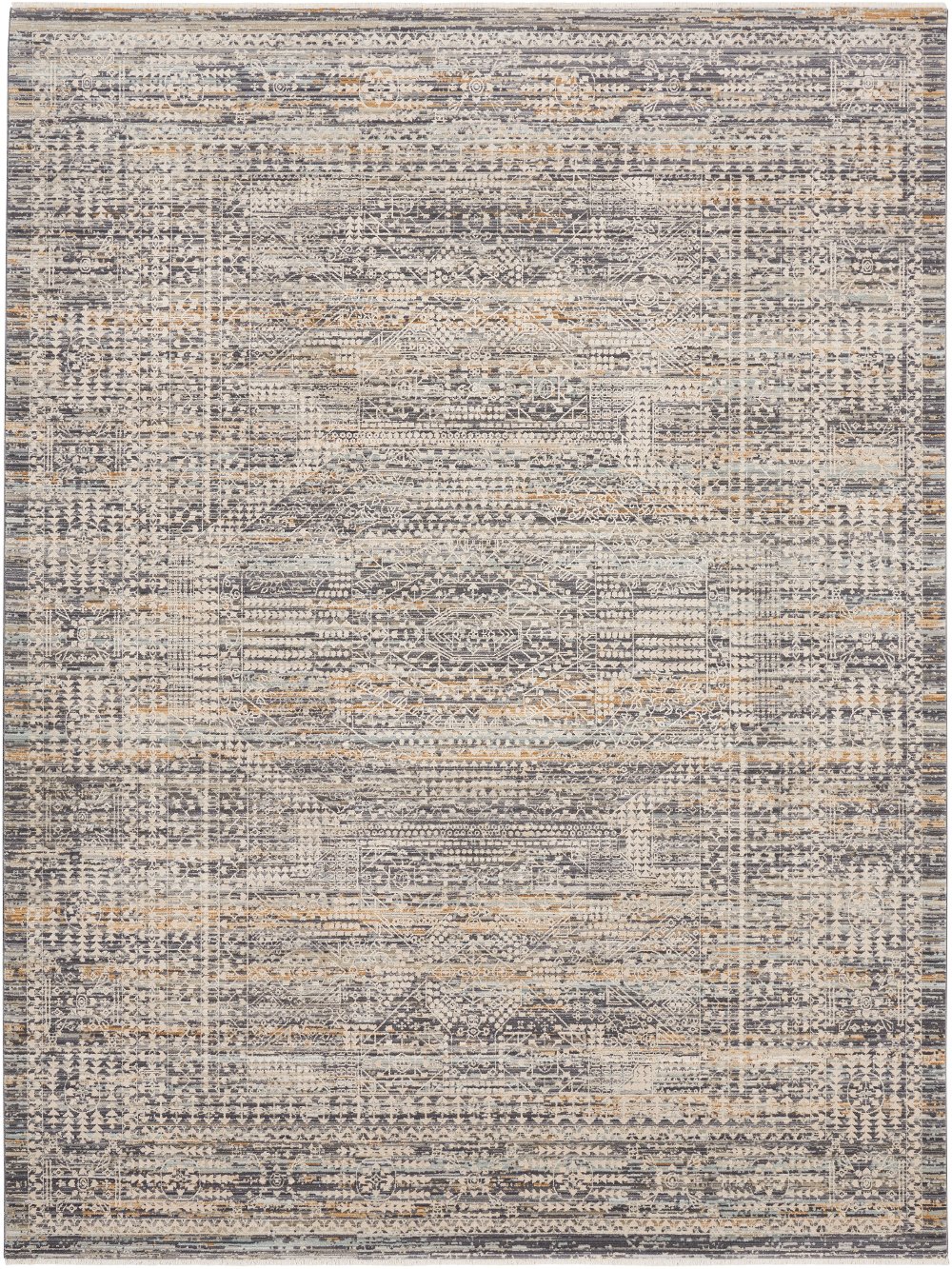
Loop pile rugs bring a practical kind of texture to a room. Instead of cutting the yarn ends, manufacturers form the fibers into uncut loops and weave them tightly into a backing. That construction gives the surface a dense, closely woven feel that holds up well when people walk across it every day. Footprints tend to have less effect on looped fibers than on taller, softer piles, and the rug is generally less likely to mat in busy areas. This makes loop pile rugs a natural fit for entryways, hallways, living rooms, dining spaces, home offices, and family rooms where comfort matters but the floor also needs to handle real life. A child dropping a cracker near the coffee table, shoes tracking in a little dust, or guests gathering around the dining table can all be part of an ordinary day. Because spills often remain closer to the surface instead of immediately sinking deep into the fibers, prompt cleanup can feel more manageable. Blot liquid with a clean, absorbent cloth rather than rubbing it into the rug, then follow the care instructions provided for the material and backing. Loop pile rugs can also add visual warmth without overwhelming a room. Their texture pairs easily with wood floors, upholstered seating, leather furniture, woven baskets, and layered lighting, while neutral tones can create a calm foundation for changing accents during the cooler months. If you’re comparing styles across our selection of Pile Rugs, consider how the rug’s pattern, color, shape, and size will work with the furniture you already own. Measure the area before shopping, including the space needed for chairs to remain on the rug when pulled away from a dining table. In a seating area, a larger rug that reaches beneath the front legs of the furniture can make the arrangement feel connected; in a hallway, leave a visible border of flooring around the rug so the walkway feels intentional rather than crowded. A rug pad can add cushioning, help keep the rug in place, and protect the floor beneath it, especially in homes with children, older adults, or energetic pets.
Loop construction comes in several distinct looks, so the right choice depends on the mood and amount of texture you want. Level-loop rugs keep the loops at a consistent height for a clean, even surface. They work especially well in spaces that call for a simple foundation, such as a streamlined living room, a home office, or a bedroom with layered bedding. Multi-level loop rugs vary the height of the loops to create raised patterns and tactile detail. High-low designs may combine taller loops with lower loops or cut sections, giving geometric shapes, borders, or organic motifs more dimension when light moves across the surface. Berber-style rugs are known for their prominent loops and may include flecks or subtle color variation that give the floor a relaxed, lived-in appearance. Those variations can help disguise small amounts of everyday dust between cleanings, though every rug still benefits from regular care. When choosing a loop pile rug, think about how the material feels underfoot as well as how it looks. Looped fibers are durable and textured, but they usually don’t have the deep, velvety sensation of a shag or plush cut-pile rug. That can be an advantage in a dining room or passageway, where a flatter, more stable surface makes moving chairs and walking easier. In a bedroom or reading corner, you may prefer a thicker construction or a rug pad that adds softness. Color deserves equal attention: lighter shades can brighten a dim room, while darker or flecked designs may suit households looking for a forgiving everyday surface. A well-chosen rug can be a thoughtful housewarming gift for someone furnishing a first apartment, settling into a new home, or refreshing a nursery or guest room. To make the gift feel personal, match the style to the recipient’s routine—a low-profile neutral for a busy entryway, a softly patterned design for a quiet bedroom, or a durable textured option for a family gathering space.
Careful maintenance helps loop pile rugs stay attractive for years. Vacuum regularly, especially in entryways and other high-traffic zones, but use a suction-only setting whenever possible. Turn off the rotating beater bar or brush roll so it doesn’t catch, pull, or fray the loops. Move the vacuum slowly and follow the rug’s care label; aggressive passes can put unnecessary stress on the fibers and backing. If a loose yarn or pulled loop appears, resist the urge to tug it. Pulling can unravel neighboring loops and make a small issue larger. Instead, carefully snip a sprouted or pulled loop flush with the surrounding pile using small scissors, unless the manufacturer’s care instructions recommend professional repair. Homes with cats or dogs should consider pet habits before selecting a looped design. Sharp claws can catch in the loops during scratching, stretching, or quick turns, so place the rug where your pet is comfortable walking and keep claws trimmed as part of regular care. Rotating the rug from time to time can help distribute wear and sunlight exposure, while using curtains or shades can reduce fading in bright windows. During the cooler months, a loop pile rug can make a room feel more settled and welcoming without requiring a complete decorating change. It softens the look of hard flooring beneath a sofa, gives a dining area a finished appearance, and adds texture beside a bed or console. Focus on the dimensions, fiber feel, pattern scale, backing, and cleaning requirements that fit your home, then choose a style that supports the way you actually live. A rug should look good when the room is freshly arranged, but it should also feel dependable when everyday life brings muddy shoes, busy mornings, movie nights, and friends gathered around the table.
Read More