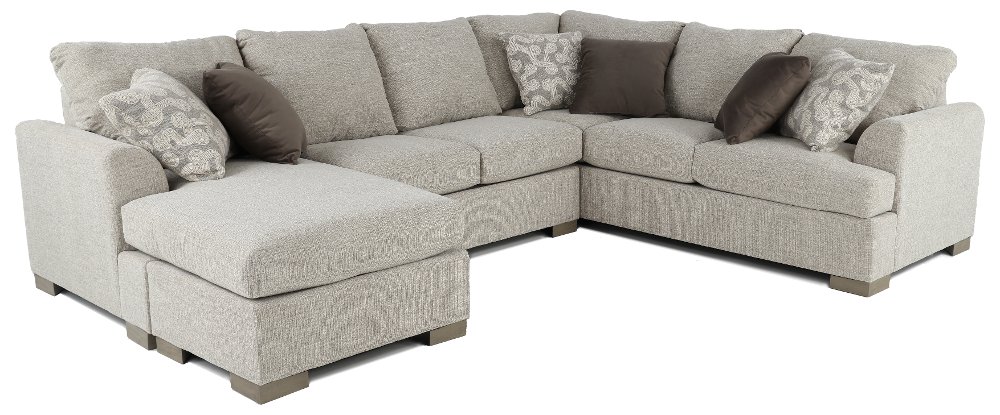
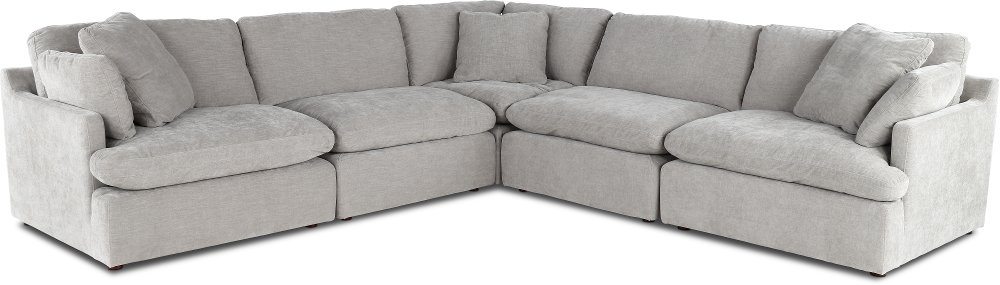
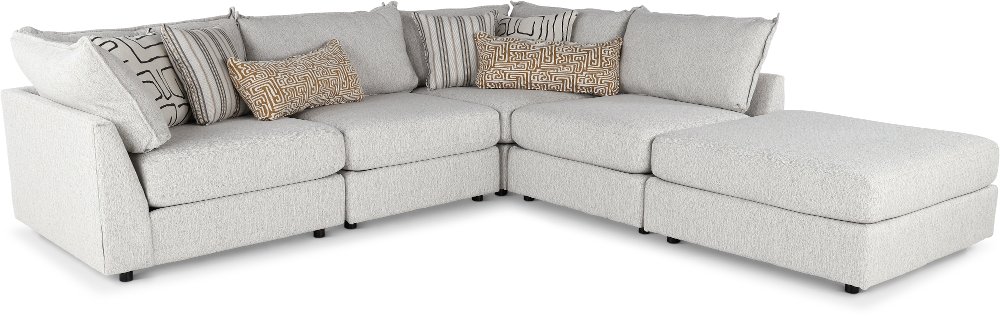
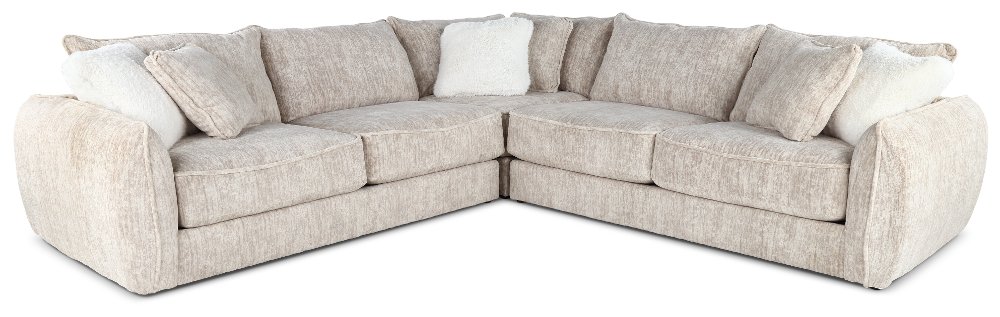
Lounge sectionals are multi-piece sofas designed for relaxed seating, often combining generous cushions with a chaise, corner seat, or extended lounging area. They bring several comfortable spots together in one arrangement, making them a natural centerpiece for living rooms, family rooms, and open gathering spaces. Unlike a standard sofa, a sectional can turn a corner or extend into the room, creating space to stretch out without adding a separate ottoman. An L-shaped lounge sectional works well for a household that wants a shared place to watch movies while keeping part of the room open. A U-shaped arrangement offers seating on multiple sides, helping conversation feel more connected when friends stop by. Some lounge sectionals are modular, with individual seating units that can be rearranged into compatible configurations; others have a fixed layout, so their shape needs to suit the room from the start. For a layout built around putting your feet up, chaise sectionals pair upright seating with an extended seat that supports your legs. The best fit depends as much on how you relax as on how many people need a seat. Deep cushions give someone room to curl up with a book or share a blanket, while a more moderate seat depth can feel better for sitting upright and talking. Taller people may appreciate extra legroom, while someone with a shorter reach may prefer a supportive back cushion that keeps their feet comfortably near the floor. Seat height matters, too: A low profile creates a laid-back look, but a higher, firmer seat may make standing up easier. Wide arms offer a substantial, cushioned feel, while narrow arms devote more of the overall footprint to sitting space. Whether the sectional serves a busy household, a couple’s everyday retreat, or a welcoming place for guests, comfort comes from matching its proportions to the people who’ll use it. A seat that feels inviting for a quick visit should also support the longer stretches of everyday life.
A lounge sectional needs enough room for both its footprint and the movement around it. Overall width and depth are useful starting points, but the chaise projection, corner dimensions, and position of each arm determine how naturally the arrangement fits. Painter’s tape on the floor can make those measurements easier to picture, especially when a long chaise might interrupt the route from the hallway to the kitchen. Allow space to walk past the sectional without turning sideways, and leave comfortable clearance between the seats and a coffee table. A reclining sectional also needs the operating clearance specified for its mechanism, including room for the footrest to extend. In a smaller living room, a compact L-shaped sectional can concentrate seating along two sides rather than scattering chairs throughout the space. In a larger room, a sectional can define a conversation area without a wall, particularly when its back faces a dining area or entry. Check that the back has the finished appearance you want wherever it will remain visible. Orientation deserves close attention: Left-facing and right-facing descriptions can be easy to misread, so confirm the configuration diagram and the perspective used in the dimensions before choosing a layout. Delivery access is another part of fit. Doorways, stair turns, elevator openings, and narrow hallways all need to accommodate the largest individual section, not just the assembled sofa’s final location. Modular lounge sectionals can offer flexibility when a room serves several purposes, although pieces should only be connected or rearranged as their design allows. Secure connectors help keep compatible sections aligned through everyday use. Visually, the sectional’s scale matters as much as its measurements. Slim legs and an open base can make a substantial sofa look lighter, while a low base and broad cushions give it a more grounded presence. Simple upholstery and clean lines sit comfortably alongside many furniture styles; textured fabric, curved arms, or tufted details add character. A rug large enough to connect the seating area and a reachable side table help the arrangement feel complete without crowding the pathways.
Upholstery, cushion construction, and everyday care shape how a lounge sectional feels after the first afternoon. Woven fabrics range from smooth, tightly constructed surfaces to textured chenille and nubby weaves, each with a different hand and appearance. In a household with pets, a tight weave may be less likely to catch claws than a loose, looped texture, though no upholstery is damage-proof. Performance fabrics may offer added resistance to certain spills or stains, but the specific treatment and care instructions matter more than the label alone. Leather offers a different feel and can develop character with use; its resistance to marks and spills varies by finish. Protected leather generally handles everyday messes differently from more absorbent, minimally finished leather, so care requirements deserve attention. Color also affects daily upkeep. A heathered or subtly patterned surface can make lint and small marks less noticeable, while very light or very dark solid upholstery may show particular kinds of mess more clearly. Beneath the cover, cushion fill influences both support and maintenance. Foam cores can provide a more structured sit, while fiber or feather blends may create a softer feel that needs regular fluffing. Firmer isn’t automatically more durable, and softness alone doesn’t indicate quality; frame construction, reinforced joints, suspension, and cushion materials work together to support repeated use. Reversible cushions, when included, can help distribute wear through regular rotation. Removable covers aren’t necessarily machine-washable, so follow the upholstery label before cleaning. Vacuuming seams and beneath loose cushions keeps crumbs and grit from settling into the fabric, and prompt blotting helps contain spills without rubbing them deeper. Use only cleaning methods recommended for the material, and protect upholstery from prolonged direct sunlight when possible. For a sectional that doubles as a favorite reading spot, movie seat, and gathering place, practical details make a lasting difference. Supportive back cushions, securely attached sections, and upholstery that suits the household’s routine help keep relaxation simple. The right lounge sectional brings together room-friendly proportions, a comfortable sit, and manageable care, giving everyone a place to settle in without making the living room harder to use.
Read More