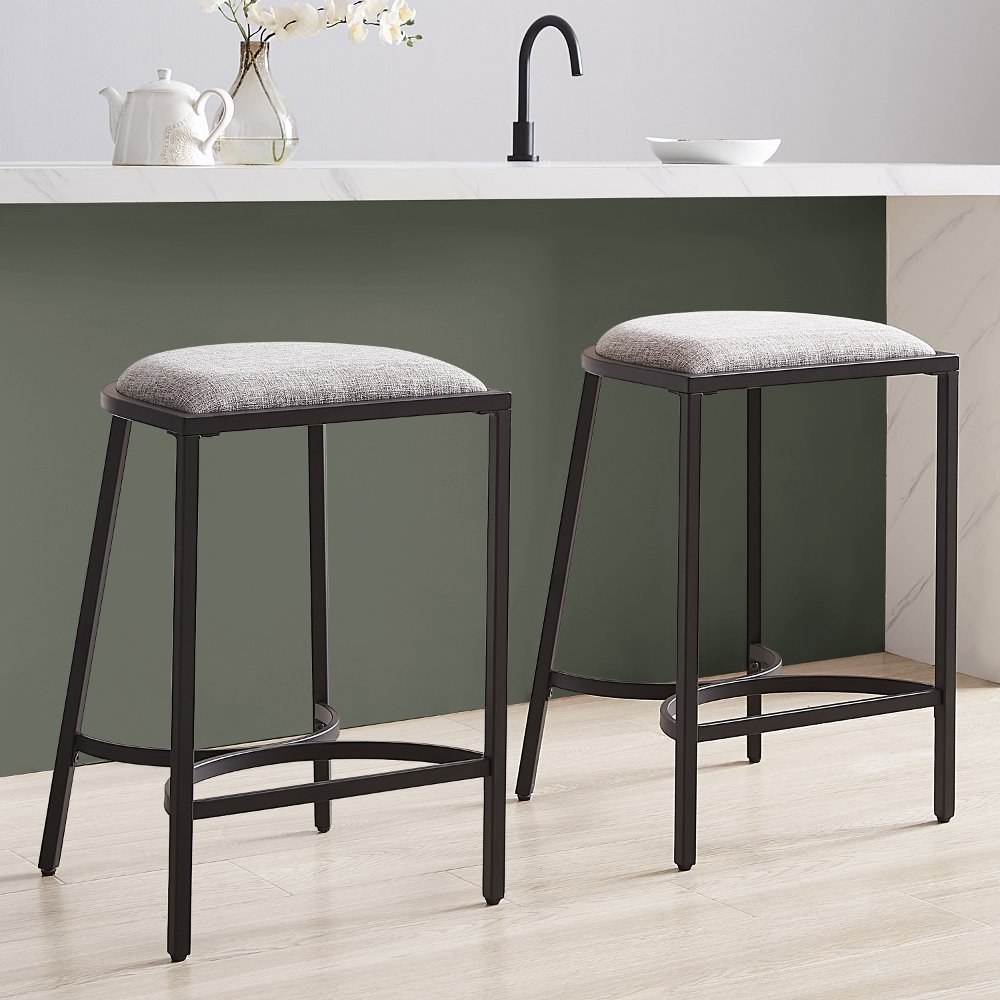
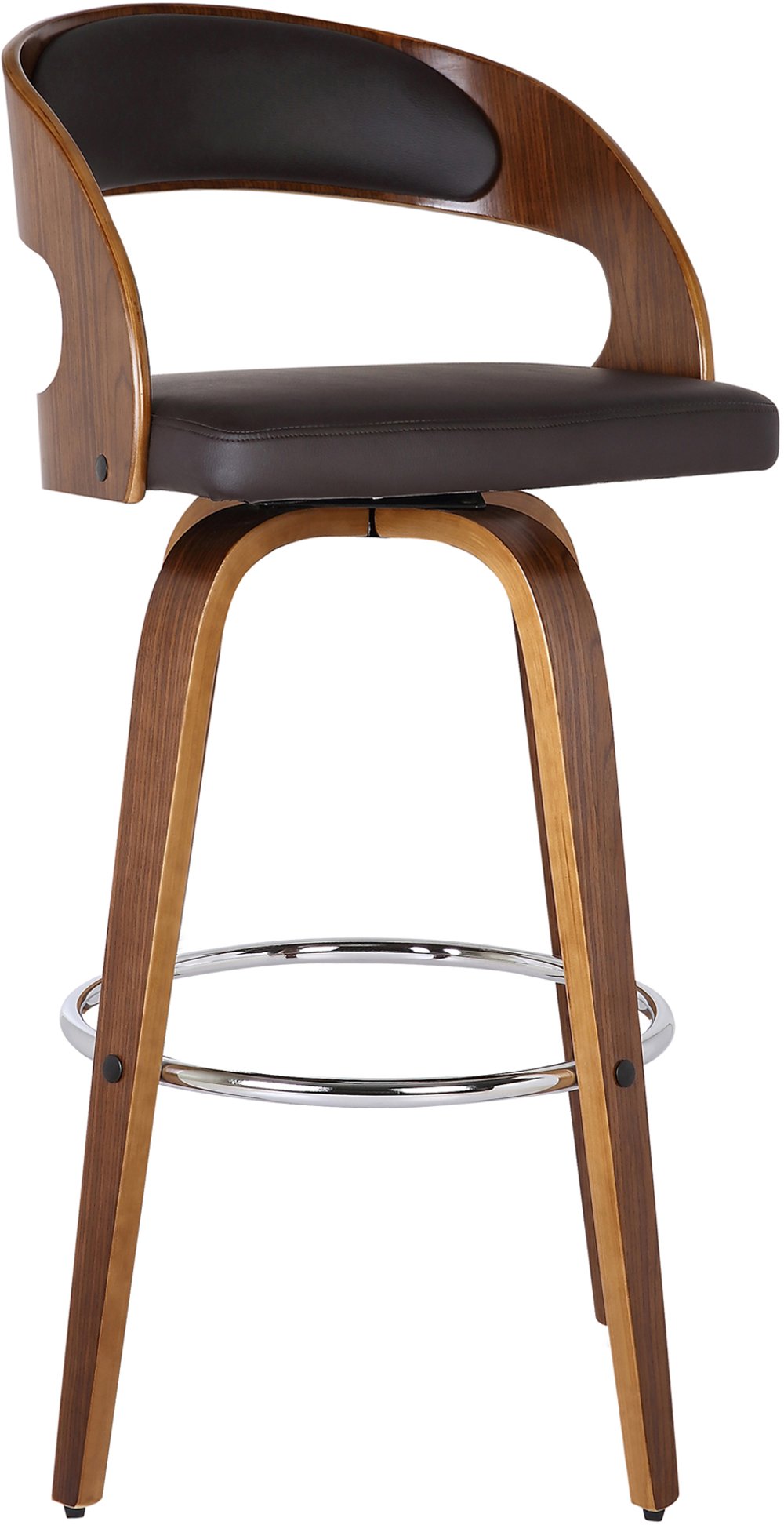
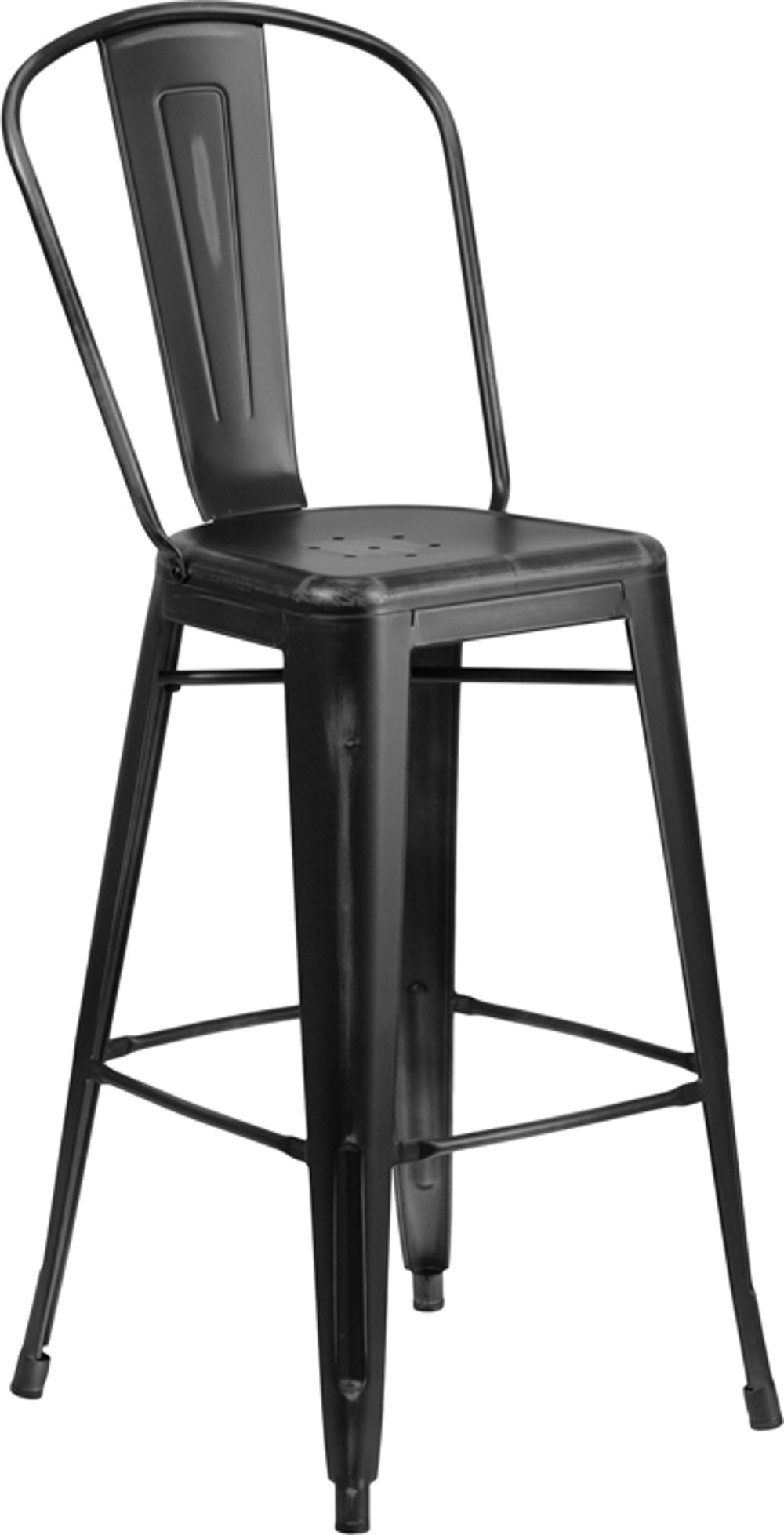
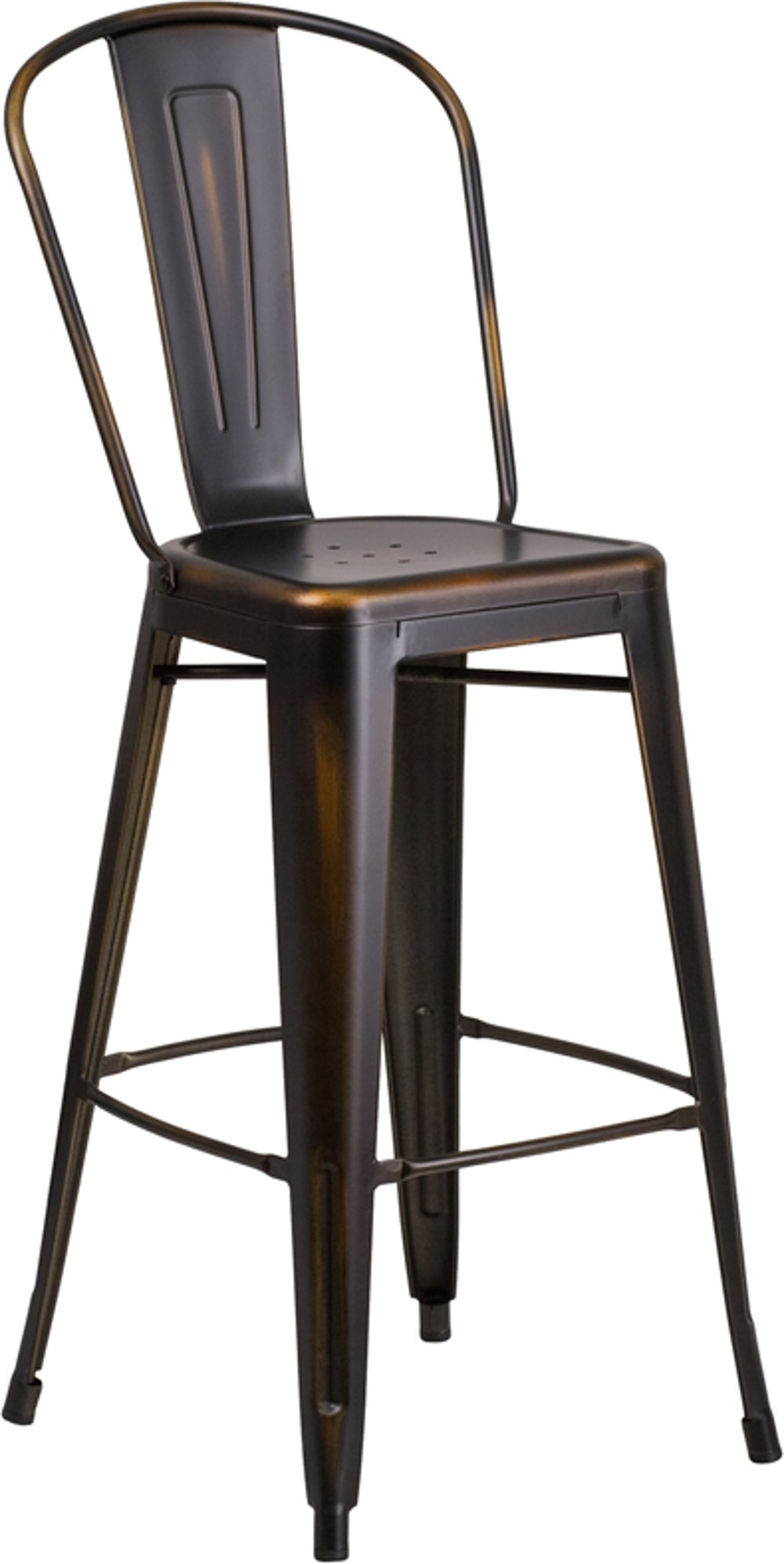
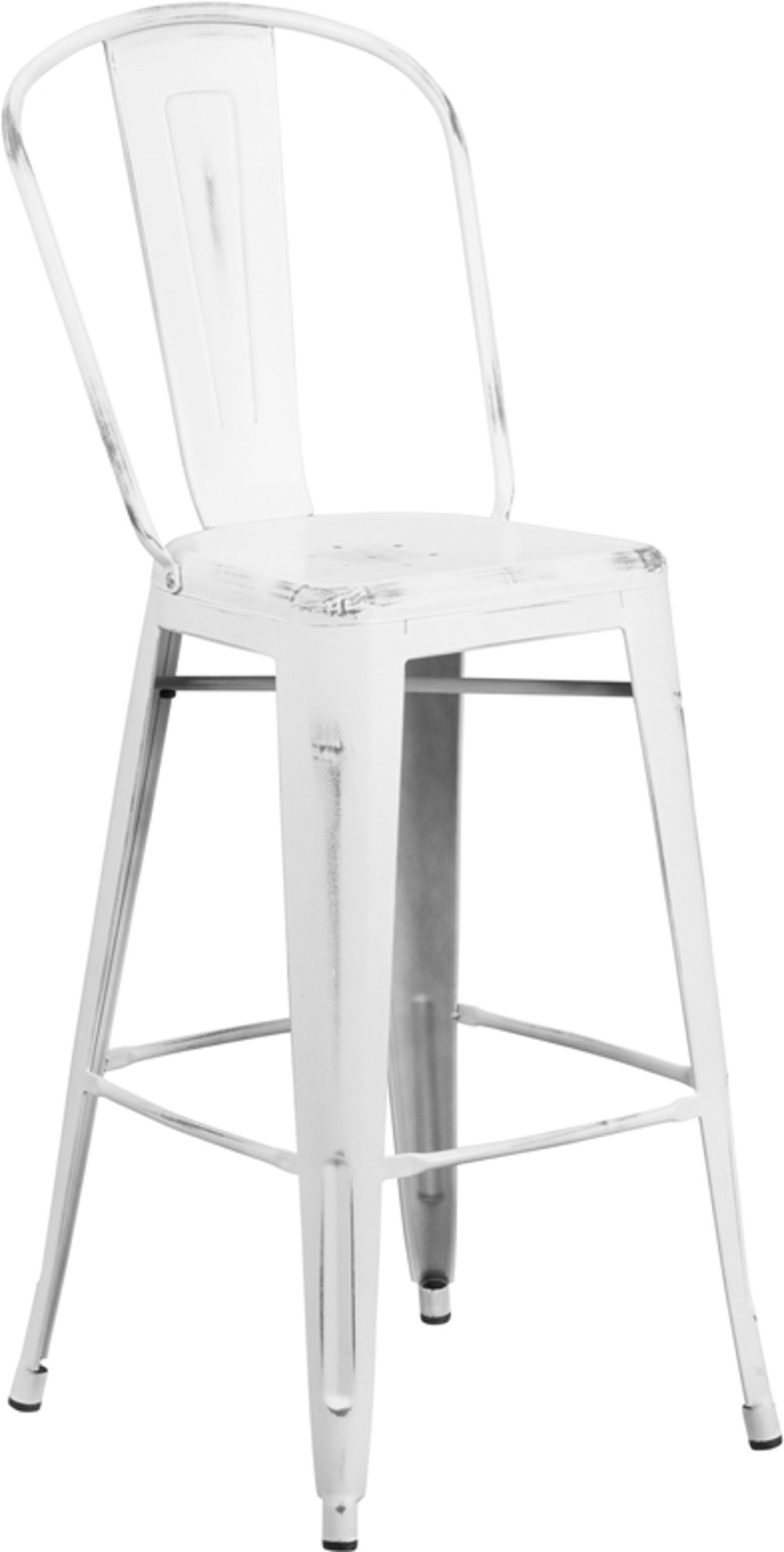
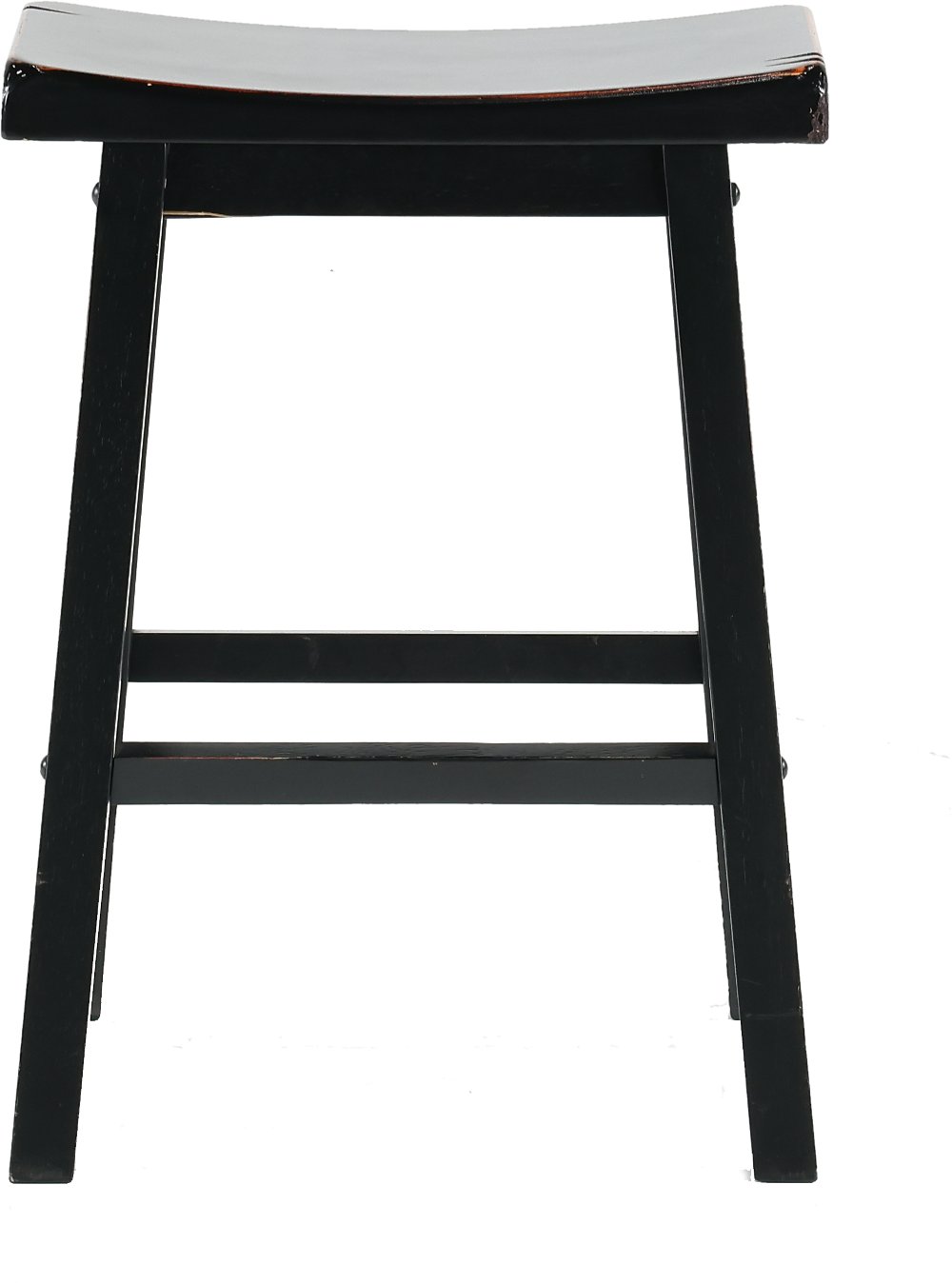
Low back counter height stools bring comfortable, compact seating to kitchen islands, breakfast counters, and counter-height dining tables without filling the room with tall chair backs. Their defining feature is a short backrest that provides some support while keeping sightlines open across adjoining spaces. That lower profile works especially well in an open kitchen, where seating shares the view with pendant lights, cabinetry, and the living area beyond. Counter height stools typically have seat heights of about 24 to 27 inches, with many designed for counters around 36 inches high. The right fit depends on the actual distance between the seat and the underside of the countertop, not just the counter’s overall height. About 9 to 12 inches of clearance generally leaves room for comfortable leg movement, although a thick apron, support bracket, or shallow overhang can affect how the seat feels in use. Counter stools are shorter than standard bar-height stools, so those terms aren’t interchangeable when matching seating to a surface. A low back also doesn’t automatically mean a stool will tuck completely beneath an island. Overall stool height, arm height, and counter clearance determine whether the backrest slides underneath or remains visible above the edge. Even when the back stays exposed, a compact silhouette can keep a row of seats from looking bulky. Width matters just as much as height: allowing roughly 24 to 30 inches of counter frontage per stool helps create comfortable spacing, with wider seats and swivel designs often needing more room. An island used for quick breakfasts may suit a narrow, stationary stool, while a counter where adults linger over dinner may feel better with a broader seat and a gently curved back. Low back seating suits casual meals, coffee breaks, and conversation while someone cooks, offering more support than a backless perch without the visual presence of a full-height dining chair.
Materials give low back counter stools much of their character, and the best match reflects both the room’s style and the way the seating gets used. Wood frames and seats introduce visible grain and a warm, familiar feel that works with painted cabinets, natural finishes, and many traditional or transitional kitchens. A shaped wood seat can feel more accommodating than a flat one, though an unpadded surface will still feel firmer than upholstery during a long meal. Metal frames often lend themselves to slender legs and crisp outlines, making them a natural fit for contemporary, industrial, or mixed-material spaces. Frame material alone doesn’t determine strength; secure joints, balanced construction, and the manufacturer’s stated weight capacity matter more than appearances. Upholstered seats add softness and can make an island feel like an extension of the dining room. Woven fabrics bring texture, while leather and faux leather create a smoother surface with different care needs. Faux leather often allows straightforward cleanup of everyday splashes, but its coating needs gentle treatment to help prevent damage. Leather develops character with use and should receive only care products appropriate for its finish. Fabric performance varies, so stain-resistance claims and cleaning instructions deserve attention, especially where children eat snacks or guests gather with drinks. A low backrest may be straight, curved, or partially wrap around the seat, and each shape changes how supported the sitter feels. A curved back can offer a comfortable point of contact without reaching the shoulders, while arms provide another place to rest but increase the stool’s width and clearance requirements. For spaces where fuller back support is a priority, High Back Counter Stools offer a different seating profile. Low back designs remain particularly appealing when the goal is a lighter-looking arrangement that still feels welcoming. Matching the stools to one existing detail, such as cabinet hardware or a dining table’s wood tone, can tie the room together without requiring every finish to be identical.
Everyday comfort also comes from details that are easy to overlook in a photograph. A footrest gives feet a place to land rather than leaving legs dangling, and its position affects comfort just as much as the seat’s height. Seat depth should allow the sitter to reach the backrest without the front edge pressing uncomfortably behind the knees. For someone who uses the counter for an occasional email or a leisurely lunch, cushioning and back shape may matter more than they would for a five-minute coffee stop. Low back counter height stools aren’t a substitute for a properly fitted desk chair during extended computer work, but they can make short stretches at a multipurpose island more comfortable. Swivel seats let people turn toward a conversation or step away from the counter with less repositioning of the base. They also need clearance so the backrest or arms don’t strike the countertop, nearby cabinetry, or the next stool. Stationary designs offer a simpler setup and may suit narrow spaces where rotation would add little benefit. In homes with young children, a stable base, appropriate supervision, and seating suited to the child’s age are important; an adult counter stool isn’t a replacement for a high chair or other child-specific seating. Floor protection matters, too. Suitable glides or felt pads can help reduce scuffs, provided they’re compatible with both the stool and the flooring and checked regularly for trapped grit. Routine care is usually simple: remove crumbs from seams, blot spills promptly, and wipe finished surfaces with the cleaner recommended for that material. Excess water, abrasive scrubbers, and harsh chemicals can damage finishes or upholstery. Periodic checks of fasteners and footrest connections help keep frequently used seating secure, following the manufacturer’s maintenance directions. With proportions that suit the counter, materials that fit daily habits, and enough space to move comfortably, low back stools can make the kitchen’s busiest gathering spot feel thoughtfully furnished rather than crowded.
Read More