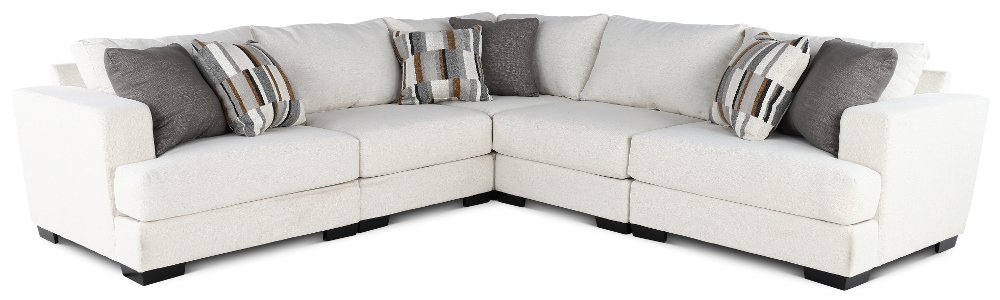
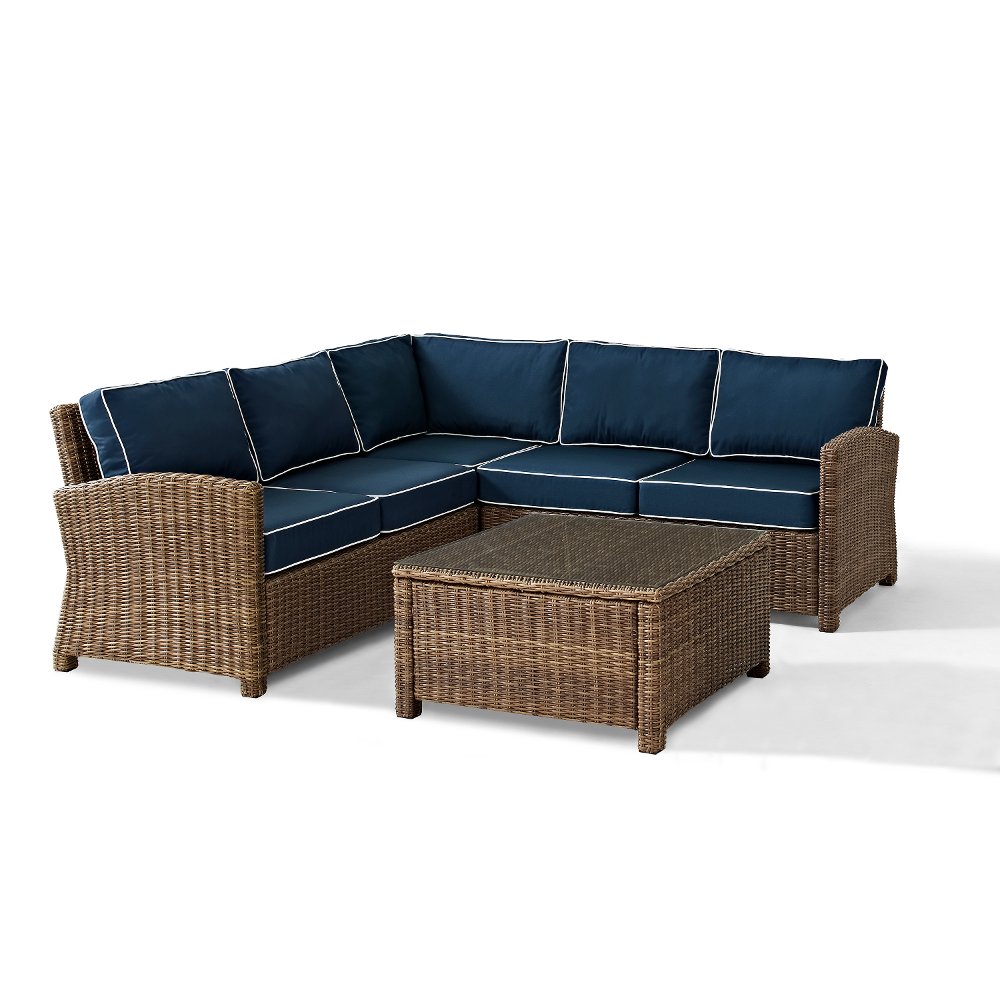
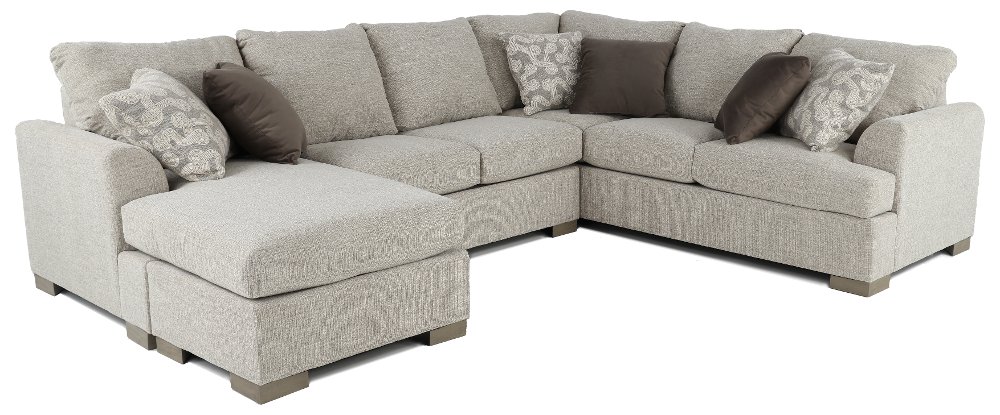
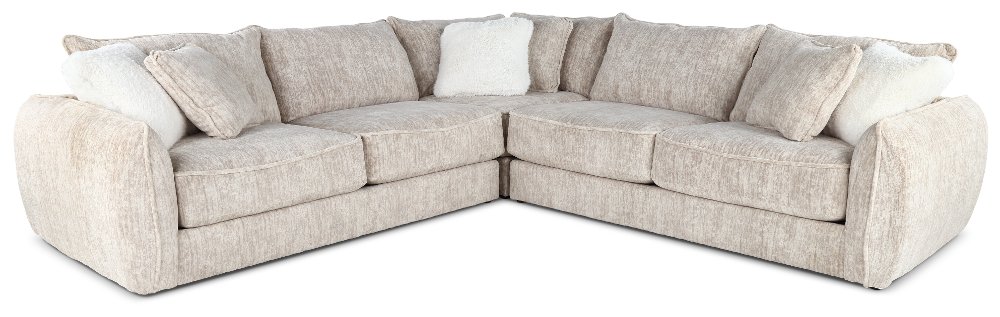
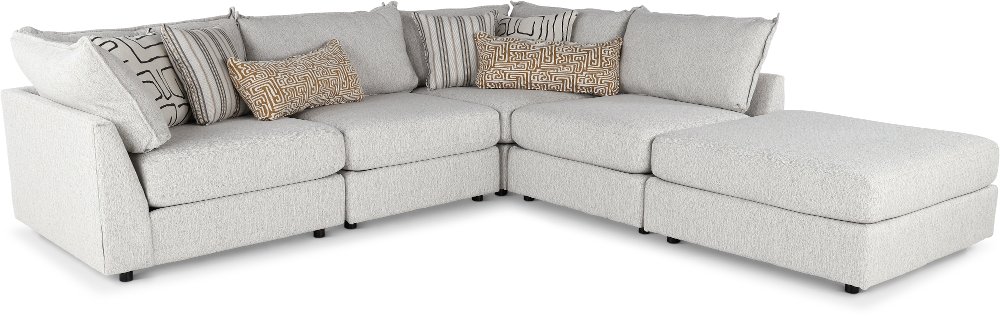
Low profile sectionals bring a relaxed, grounded look to the living room while giving you generous seating for everyday life. Their lower seat and back proportions can make a room feel open and balanced, especially when you want comfortable furniture without a tall, visually heavy silhouette. This style works well in modern, contemporary, minimalist, and casual spaces, but it can also soften a room filled with traditional details. Picture a sectional tucked beneath a wide window, a soft throw within reach, and enough room for everyone to settle in with a movie, a board game, or a long conversation during the cooler months. Because low profile seating often emphasizes clean lines and broad proportions, it can be especially helpful in rooms where you want the furniture to feel streamlined rather than towering. It’s also a practical choice for open floor plans, where the back of the sectional can help define the living area without blocking sightlines into the dining space or kitchen. Before choosing a configuration, measure the full room and each path leading to it, including doorways, hallways, stairwells, elevators, and tight corners. Mark the sectional’s footprint on the floor with painter’s tape so you can see how much space remains for walking, coffee tables, lamps, and nearby accent chairs. Leave enough clearance for drawers, doors, recliners, and vents, and consider where sunlight falls throughout the day if the sectional will sit near a window. A left-arm or right-arm chaise can change the entire flow of a room, while a reversible chaise or modular arrangement may give you more flexibility as your needs change. If you enjoy rearranging your space, hosting guests, or moving furniture between homes, look for a layout that can adapt without making the room feel crowded. For an even more relaxed arrangement, explore Lounge Sectionals, which are designed with comfort and laid-back living in mind.
Comfort depends on more than a soft first impression. When you shop for low profile sectionals, pay attention to seat depth, cushion firmness, back height, arm style, and the way the upholstery feels against your skin. A deeper seat may be ideal for stretching out, reading, or curling up with a blanket, while a shallower seat can offer more upright support for conversations, working from home, or enjoying a meal in front of the television. Sit in the position you naturally use at home and notice whether your feet rest comfortably on the floor and whether your lower back feels supported. Low profile does not have to mean low comfort; the right proportions can create a supportive place to relax without sacrificing the airy appearance you want. Families may appreciate durable upholstery and removable cushions that make regular upkeep easier, while households with pets may prefer a tightly woven fabric, a forgiving color, or a texture that hides everyday paw prints between cleanings. If children use the sectional for forts, reading, and snack breaks, rounded edges and sturdy construction can make the room feel more welcoming and practical. In a smaller apartment, a compact L-shaped design can provide a full seating area without requiring several separate pieces. In a larger home, a wide sectional can give guests plenty of room to sit together during gatherings, while an ottoman can add flexible seating or a convenient place to rest your feet. Neutral upholstery can serve as a dependable foundation for seasonal pillows and throws, and richer tones can add warmth as the weather cools. Think about how the sectional will look in both natural daylight and evening lamplight, since fabric color and texture may appear different from one setting to the next. Consider the rest of your home, too: warm wood, woven baskets, textured rugs, and soft lighting can help a low profile sectional feel inviting rather than stark. Good construction matters for a piece that may become the busiest seat in the house, so review the frame, suspension, cushion materials, stitching, and care instructions before making your selection. A sectional should fit your space, your routines, and your idea of comfort, whether that means quiet mornings with coffee, lively visits with friends, or a cozy place to unwind when the days grow shorter.
Read More