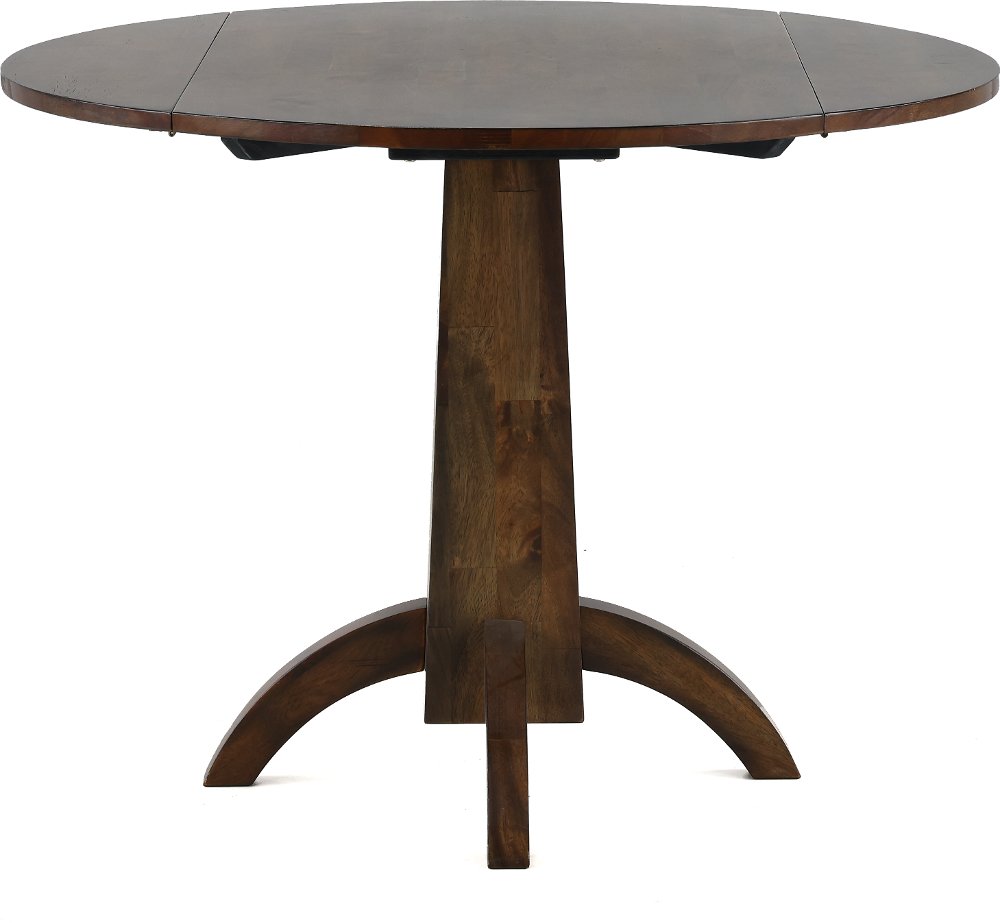
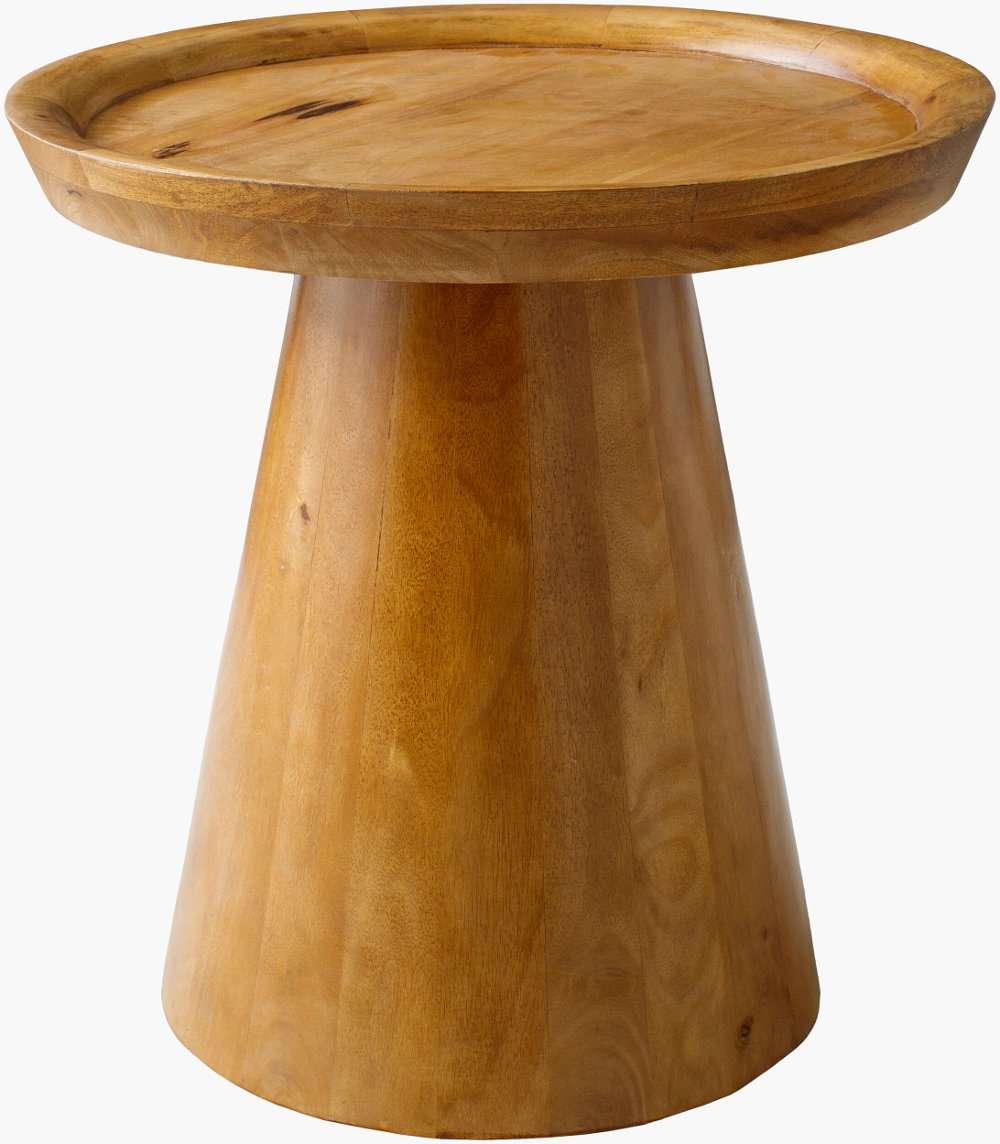
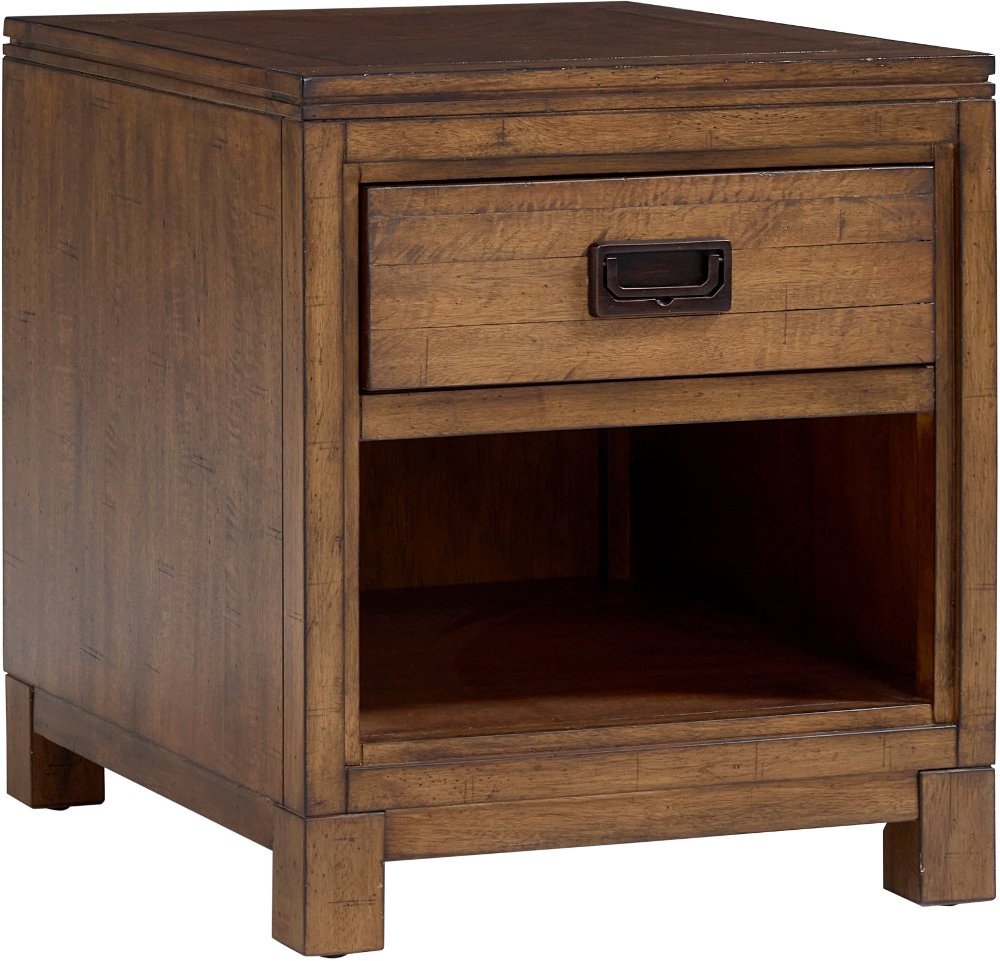
Mango tables are dining, coffee, console, and accent tables made with mango wood, a hardwood valued for its distinctive grain, varied color, and inviting character. The wood can range from golden tan to deeper brown, with streaks, knots, and shifting grain patterns that give each surface a different appearance. A clear or lightly tinted finish lets those details stand out, while darker stains can create a more uniform look without completely hiding the grain. That natural variation makes mango wood easy to pair with textured upholstery, woven rugs, painted cabinetry, and metal accents. A broad tabletop with substantial legs can anchor a relaxed dining space, while a slim profile can feel at home beside a tailored sofa. Mango wood comes from the same type of tree that produces mango fruit, and some furniture timber comes from trees removed after their productive fruit-bearing years. That can make use of an agricultural resource that might otherwise go to waste, but responsible sourcing depends on the grower, harvesting practices, and supply chain. Sustainability claims are best supported by specific sourcing information rather than the wood species alone. Construction matters just as much as appearance. A table may use solid mango wood throughout, combine it with a metal base, or feature mango wood veneer over an engineered core. Each construction has different characteristics, so material descriptions help clarify what forms the tabletop, legs, and supporting structure. Solid wood responds to changes in indoor humidity, while a veneered surface depends partly on the stability and quality of its core. Neither construction makes a table automatically better for every room. Secure joints, a steady base, smooth edges, and a finish appropriate for the intended use all contribute to a piece that feels comfortable in everyday life. The best fit brings together the look you enjoy and the construction your household needs.
The right mango table also makes the room easier to use. A dining table needs enough surface for place settings and serving dishes, but it should leave comfortable space for chairs to pull out and people to pass behind them. About 36 inches between the table edge and a wall or nearby furniture is a useful starting point, with more room helpful along a busy walkway. Measure the base as well as the top; thick corner legs can limit chair placement, and a pedestal needs enough clearance for feet and knees. Round tops encourage conversation and can soften a room filled with straight lines, while rectangular tops often work well in longer dining areas. A dining table that doubles as a homework station or occasional workspace benefits from a smooth writing surface and seating that remains comfortable beyond a quick meal. In the living room, mango wood coffee tables bring natural texture within reach of the sofa, creating a place for a drink, a book, or a shared board game. A tabletop close to the sofa’s seat height usually feels easy to reach, and roughly 16 to 18 inches between the sofa and table often allows comfortable legroom. Check nearby recliners and sleeper sofas in their open positions before settling on a size. An oval or round top can make circulation easier in a compact seating area, although rounded edges don’t replace childproofing where needed. Side tables need a smaller footprint but still deserve careful measuring, especially when a lamp, charging cable, or wide chair arm shares the space. A narrow console can give an entryway a landing spot for keys and mail without crowding the door. Behind a sofa, it can hold lighting and a few useful baskets. Drawers and lower shelves can help contain remotes, reading glasses, or everyday clutter, while an open base keeps the room feeling less visually crowded. These details matter most when they reflect how the space actually gets used, not just how it looks when everything is put away.
Mango wood is a durable hardwood suitable for everyday indoor furniture, but its resistance to wear depends on the finish, construction, and care it receives. Dense wood can still scratch, dent, stain, or develop water marks, particularly when moisture sits on the surface. Coasters under drinks, trivets under hot dishes, and placemats at busy dining spots help protect the finish without covering all of the grain. A tray can gather small objects on a coffee table, though felt pads beneath it help prevent grit or rough edges from rubbing against the surface. Blot spills promptly with a soft cloth rather than letting liquid collect around seams or hardware. For routine dusting, a clean, soft cloth is usually enough; when more cleaning is needed, follow the manufacturer’s instructions for that particular finish. Avoid assuming that furniture polish, oil, wax, or a household spray is appropriate for every mango wood table. An oil-finished top and a sealed lacquered surface may need different treatment. Direct sunlight can gradually change wood color, and placement beside a heating vent or other strong heat source can contribute to drying and movement. A steady indoor environment helps wood furniture settle into its surroundings. Lift a table when moving it instead of dragging it by the top, and check accessible fasteners periodically if the care instructions recommend it. For households with children, frequent visitors, or a dining area that handles crafts as often as meals, a forgiving finish and straightforward maintenance can be especially useful. A compact accent table can also make a thoughtful housewarming gift when its dimensions and style suit the recipient’s space. Whether it supports a reading lamp, gathers people for dinner, or holds the small essentials beside a favorite chair, a mango table brings useful surface space and natural detail into daily routines. Its appeal comes from that balance: practical furniture with grain, color, and character that remain visible through everyday use.
Read More