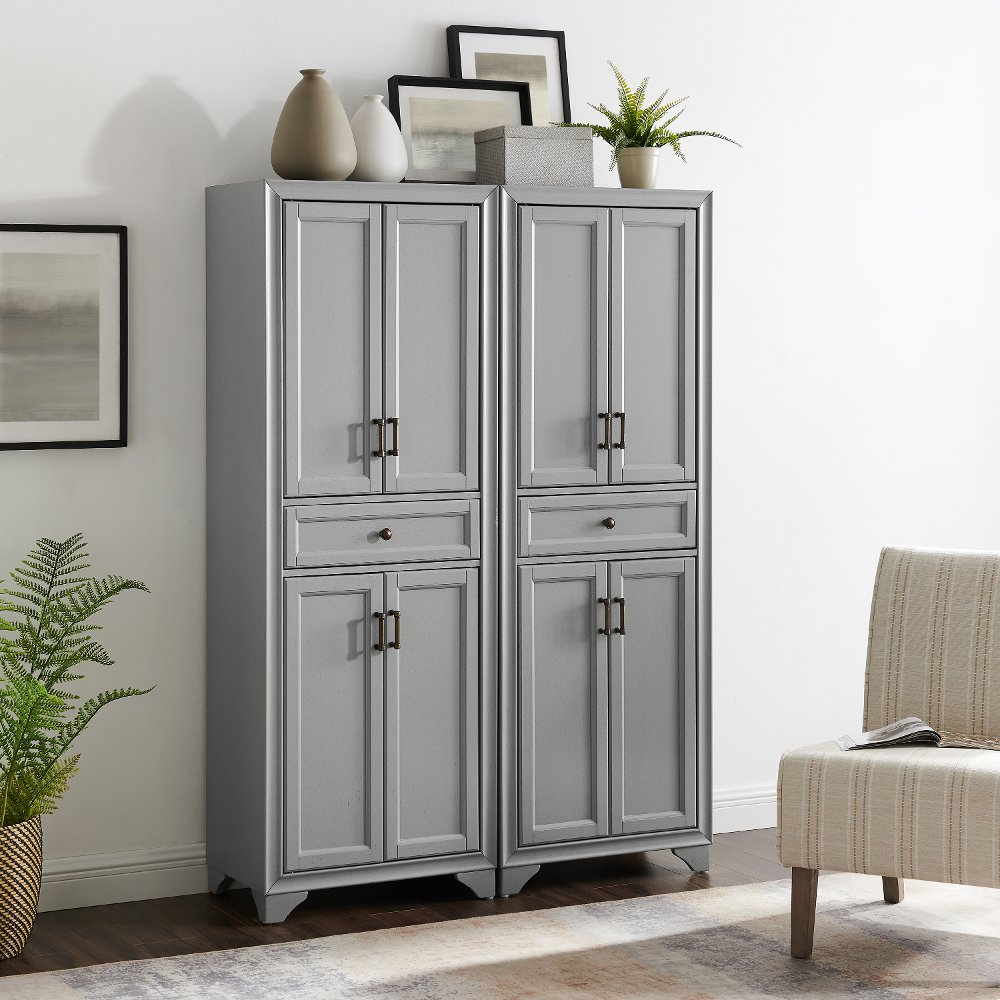
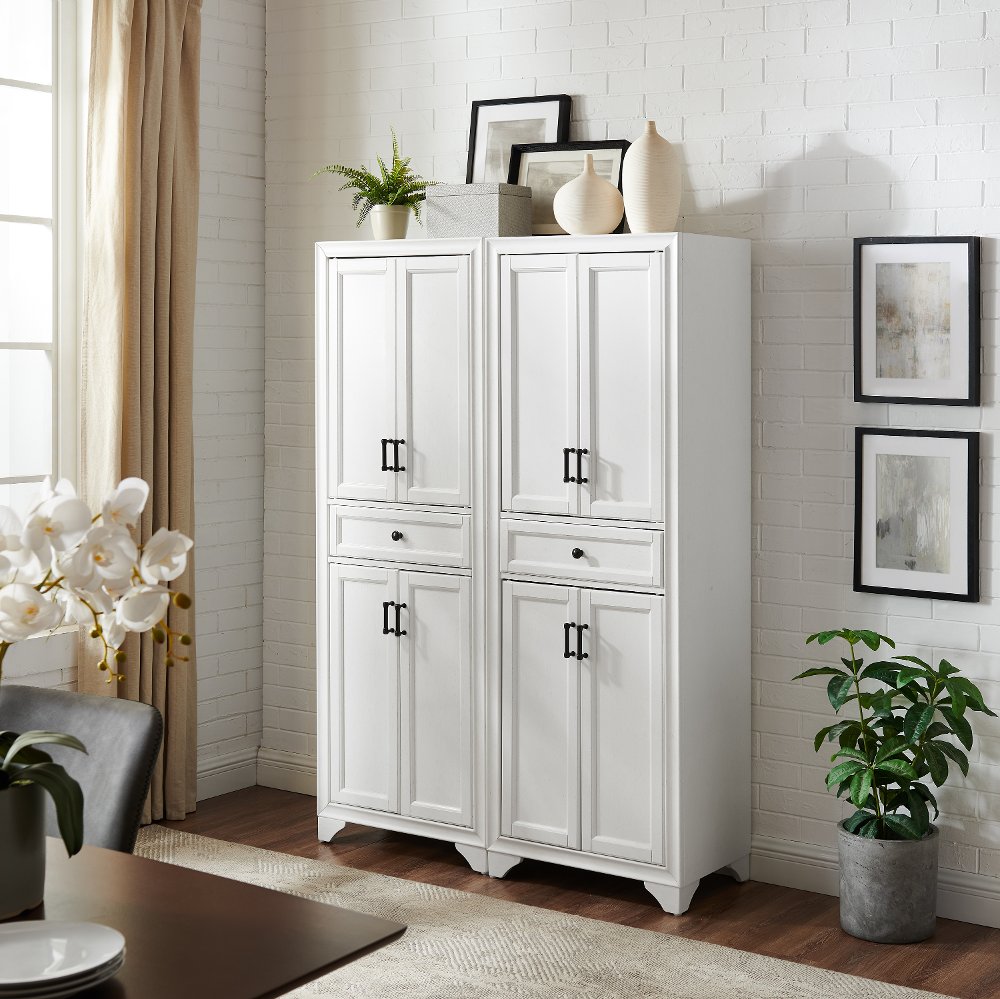
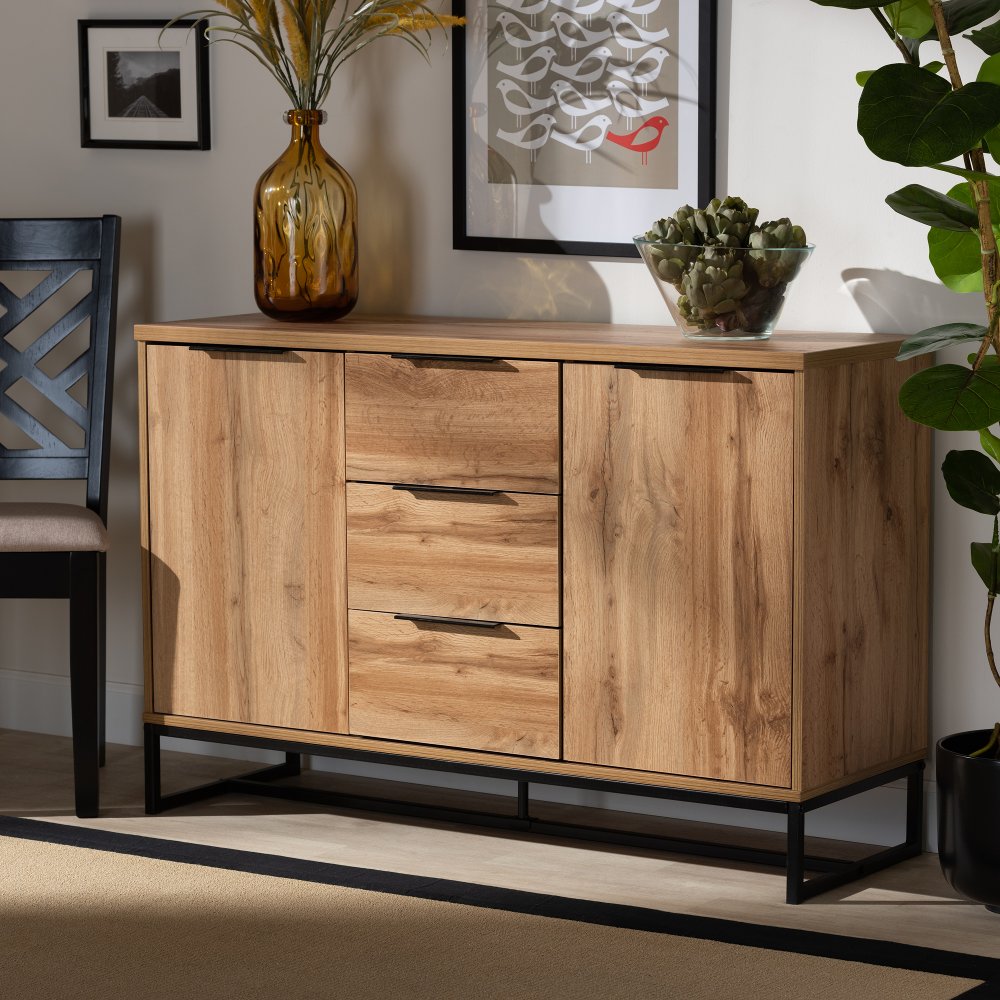
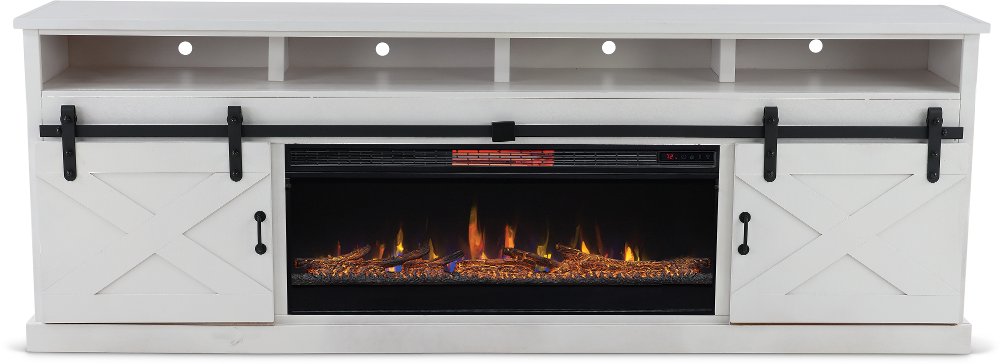
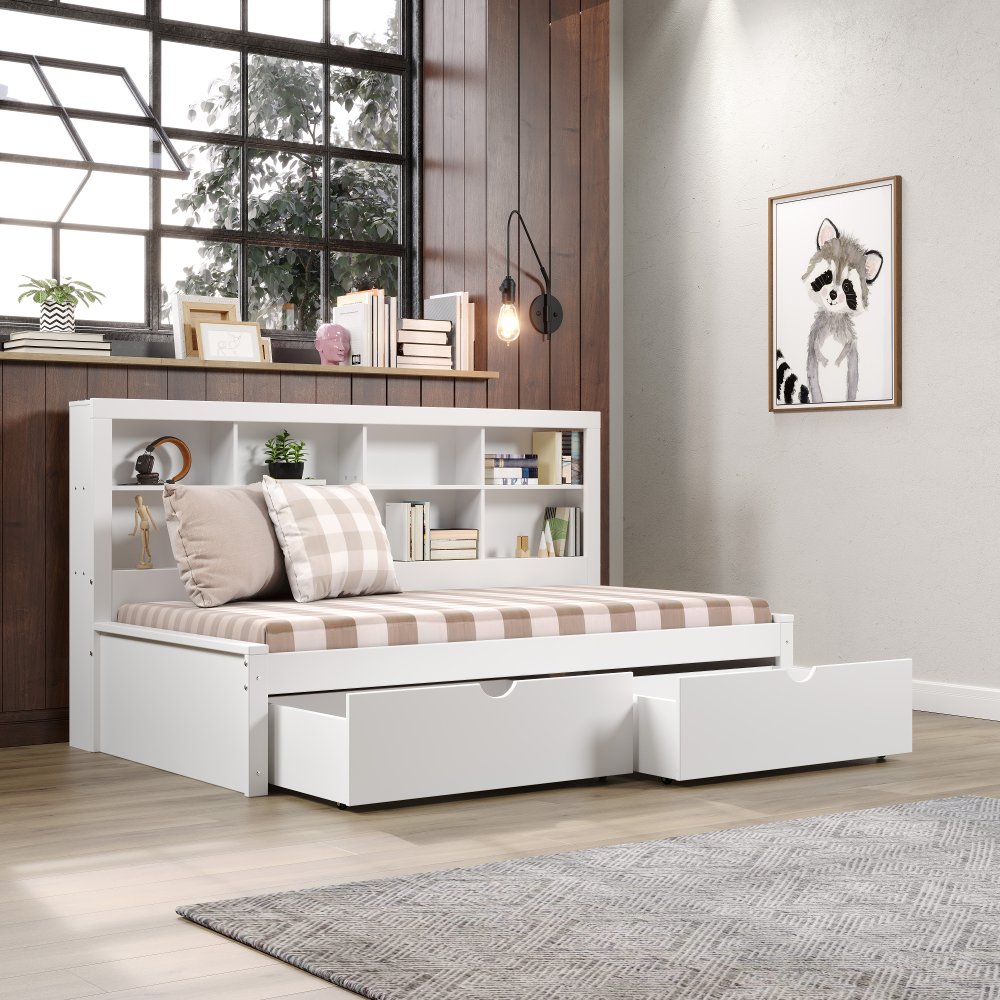
MDF cabinets are storage cabinets made partly or primarily from medium-density fiberboard, an engineered wood panel formed by bonding wood fibers with resin under heat and pressure. The material has a dense, consistent structure without the knots or grain patterns found in solid wood, making it especially well suited to smooth painted finishes. That even surface gives cabinet doors and drawer fronts a clean appearance, whether the design features simple flat panels, recessed centers, or routed details. MDF may also sit beneath decorative laminate or wood veneer, so the visible finish doesn’t always reveal the material underneath. A cabinet described as MDF can combine several materials: its doors might use MDF while its frame, shelves, legs, or back use something else. Reading the construction details helps you understand which parts provide support and which create the finished look. For everyday furnishing, MDF storage cabinets can bring useful organization to living rooms, dining areas, bedrooms, and home offices. Picture a dining cabinet with serving bowls behind closed doors, a hallway cabinet that keeps pet supplies neatly tucked away, or an office cabinet that makes printer paper and charging cables easier to find. Closed storage lets you keep practical things close without leaving every package and cord in view. A smaller cabinet can give an apartment a dedicated landing place for household essentials, while a wider piece can anchor a dining wall and hold table linens. The best match depends less on the material name alone than on the cabinet’s overall construction, intended setting, and the things you plan to store. MDF is generally a good fit for dry indoor spaces, but it isn’t naturally waterproof. Its smoothness also doesn’t make a finish scratchproof or guarantee that paint will never chip or crack. Think of MDF as one part of a complete cabinet design, with protective finishes, sturdy joinery, suitable hardware, and properly supported shelves all contributing to how well it serves your home.
Choosing the right MDF cabinet starts with the space around it and the objects going inside. Measure the cabinet’s planned footprint, then check the room needed to open doors and extend drawers without bumping a sofa arm, dining chair, or nearby doorway. Baseboards can keep a cabinet from sitting flush against a wall, and handles may project beyond the listed cabinet depth. In a narrow hallway, even a few inches of extra projection can change how comfortably people pass. Interior measurements deserve equal attention: a cabinet that looks generous outside may have compartments too shallow for large platters or too short for upright binders. Adjustable shelves offer flexibility for changing storage needs, while fixed shelves may contribute structural support. For books, dishes, or other dense belongings, check the stated shelf weight limits and distribute the load evenly. Long shelves can sag under sustained weight, and MDF’s performance depends on panel thickness, shelf span, reinforcement, and construction quality. A stack of stoneware plates calls for a different level of support than folded napkins or lightweight craft supplies. Hardware matters, too. Doors should align properly, hinges should attach securely, and drawers should operate smoothly within their rated capacity. MDF can hold fasteners well when a piece is properly engineered, but overtightened screws or repeated removal and reinsertion can damage the material around attachment points. Follow assembly instructions closely rather than treating every connection as something that needs another hard turn. Visually, painted MDF cabinets can work with a broad range of rooms, from crisp, simple interiors to spaces with traditional trim and softer details. A light finish can keep a substantial storage piece from feeling visually heavy, while a deeper finish can give a blank wall a defined focal point. If you’re coordinating cabinetry with a mantel-style furnishing, MDF fireplaces offer a related category to consider for finish and proportion. Keep storage furniture clear of fireplace vents and follow the fireplace manufacturer’s placement and clearance requirements.
Caring for MDF cabinets is largely about protecting the finish and preventing moisture from reaching the fiberboard beneath it. Dust with a soft cloth, and follow the manufacturer’s cleaning directions for painted, laminated, or veneered surfaces. When damp wiping is permitted, use a lightly moistened cloth rather than spraying cleaner directly onto the cabinet, then dry the surface promptly. Standing water can enter through seams, exposed edges, hardware openings, or damaged finish, causing MDF to swell, distort, or lose strength. A protective coating helps reduce exposure, but it doesn’t turn a standard cabinet into waterproof furniture. For that reason, an ordinary MDF accent cabinet shouldn’t automatically be treated as suitable for a bathroom, laundry area, or sink base. Cabinets intended for those settings need construction and finishes appropriate to the application; even moisture-resistant MDF isn’t waterproof. In a dining room, place a protective tray beneath a beverage pitcher and wipe up drips before they collect around an edge. In a living room, use coasters and keep plant pots in watertight saucers, checking underneath them regularly. Avoid abrasive pads and harsh cleaners unless the care instructions specifically allow them, since a dulled or scratched finish can be difficult to restore evenly. Take care when moving the cabinet as well. MDF can be heavy, and dragging a loaded piece across the floor can stress its legs, joints, and fasteners. Empty it first, get appropriate help, and lift it as directed. Secure furniture to the wall whenever the manufacturer calls for anchoring, using hardware suitable for the wall type, and keep heavier belongings low. These details matter in busy family rooms, shared apartments, and homes where children may reach for a handle or climb toward something on top. With thoughtful placement and routine care, an MDF cabinet can make everyday storage feel more settled: board games stay together, paperwork has a home, and the dining table stays ready for dinner instead of becoming the default shelf. Choose dimensions, construction, and a finish that support those daily habits, and the cabinet becomes a useful part of the room rather than just another surface to fill.
Read More