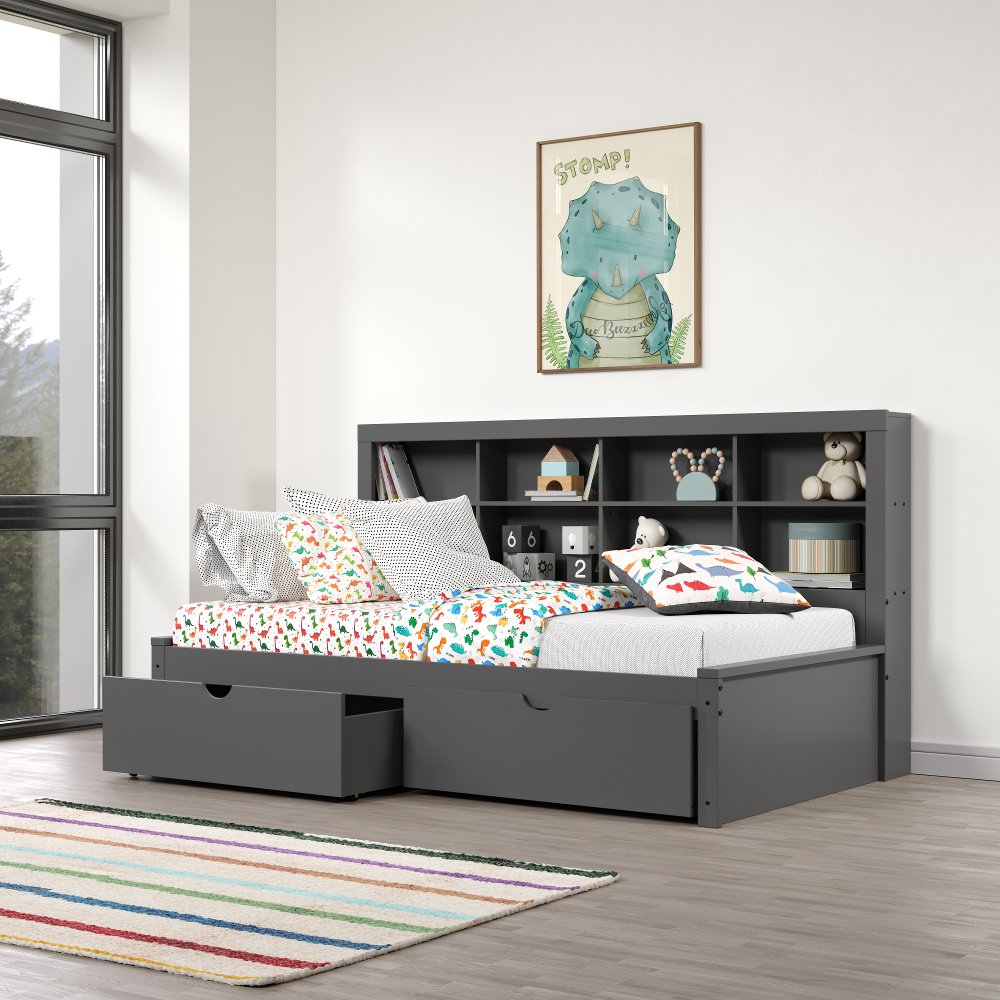
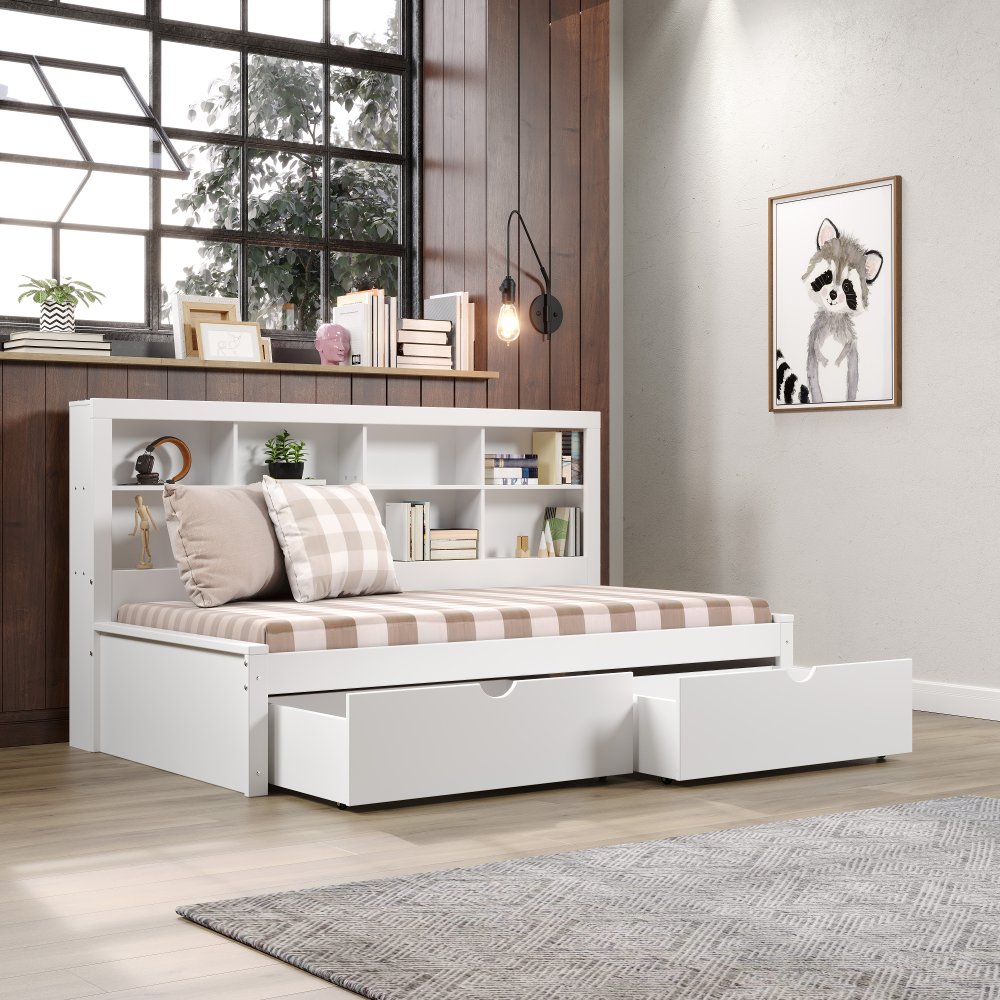
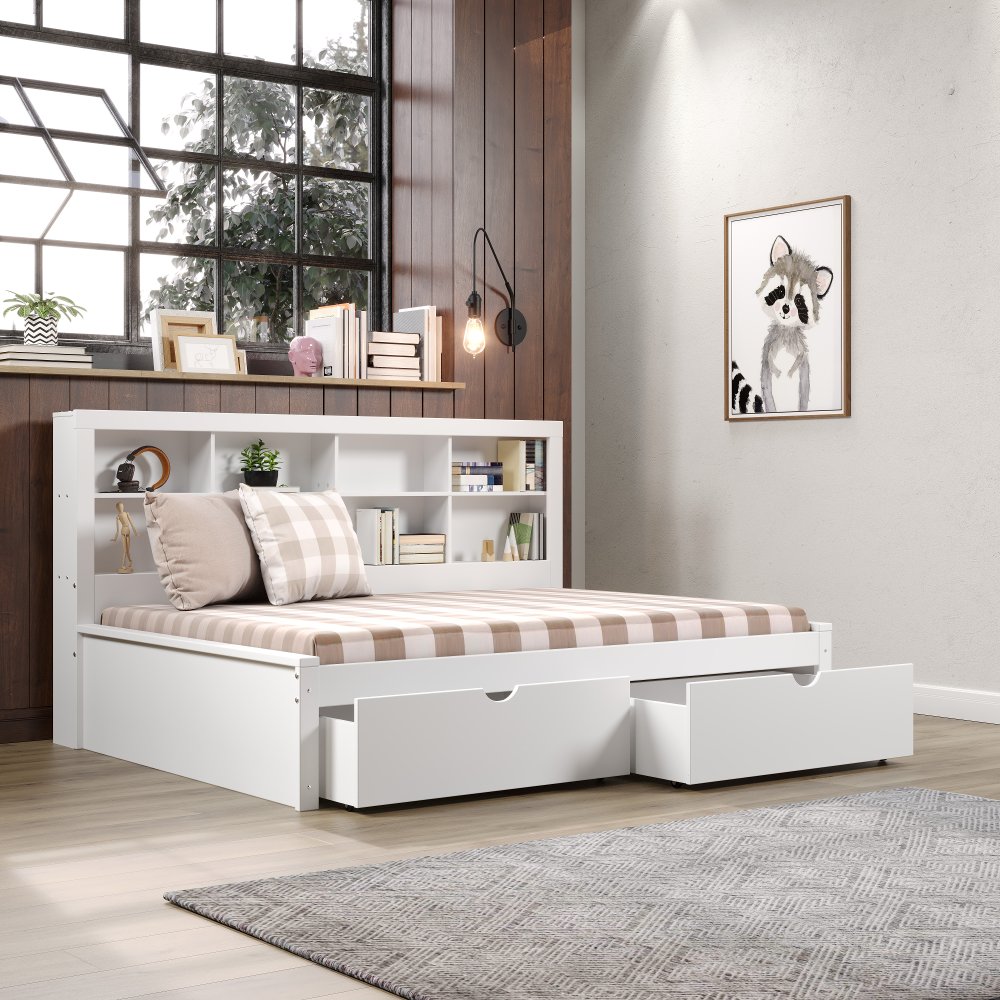
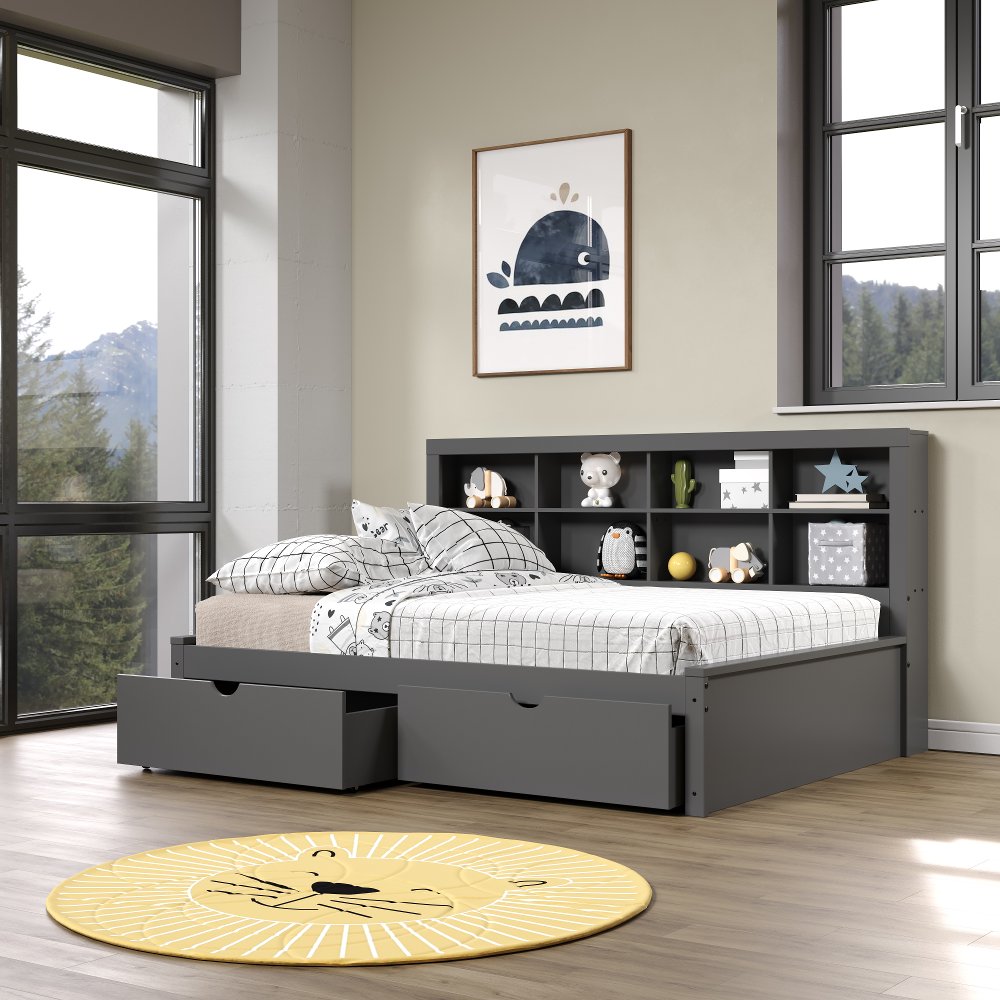
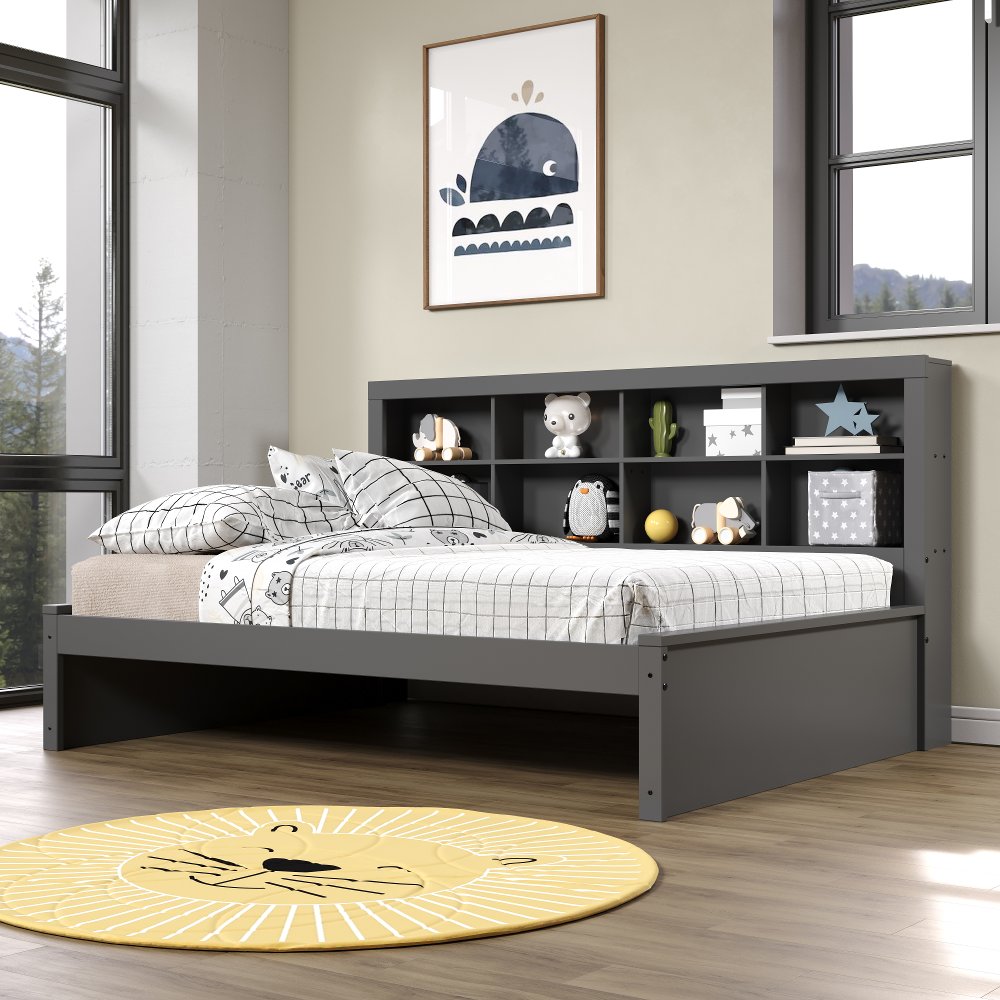
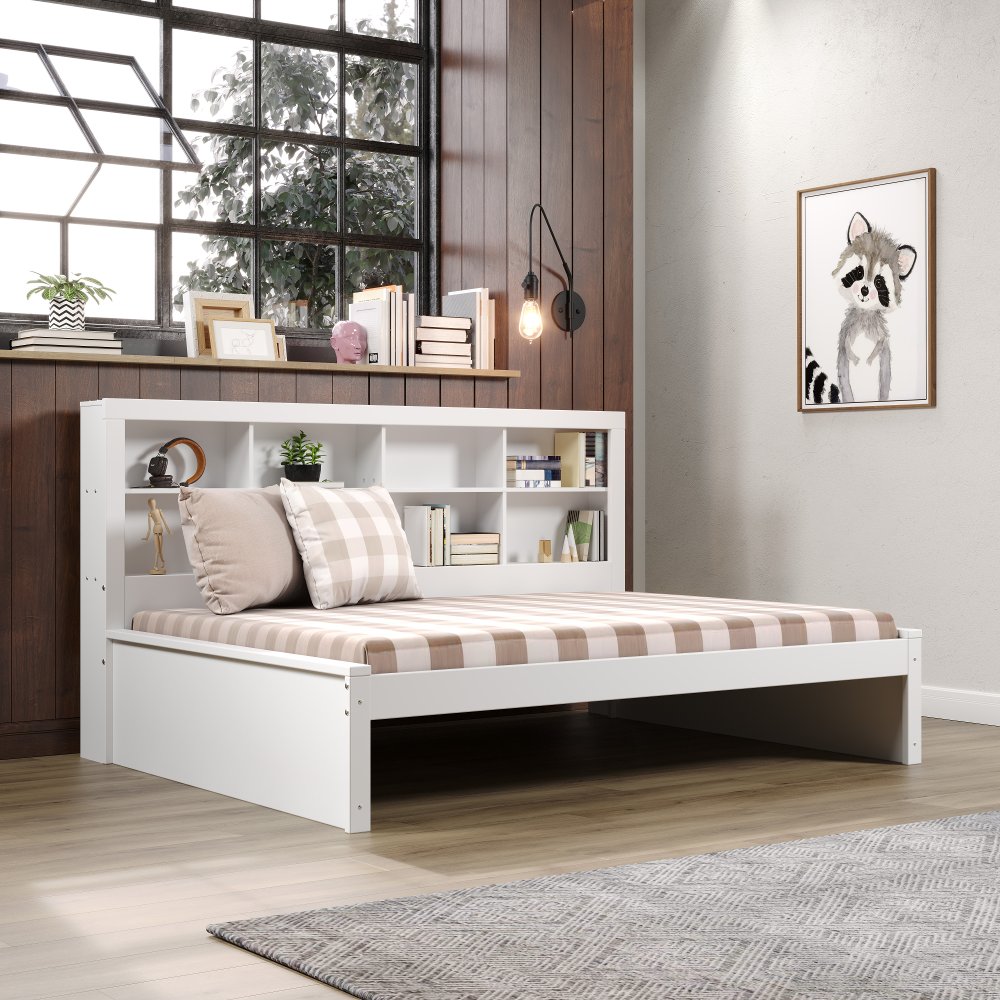
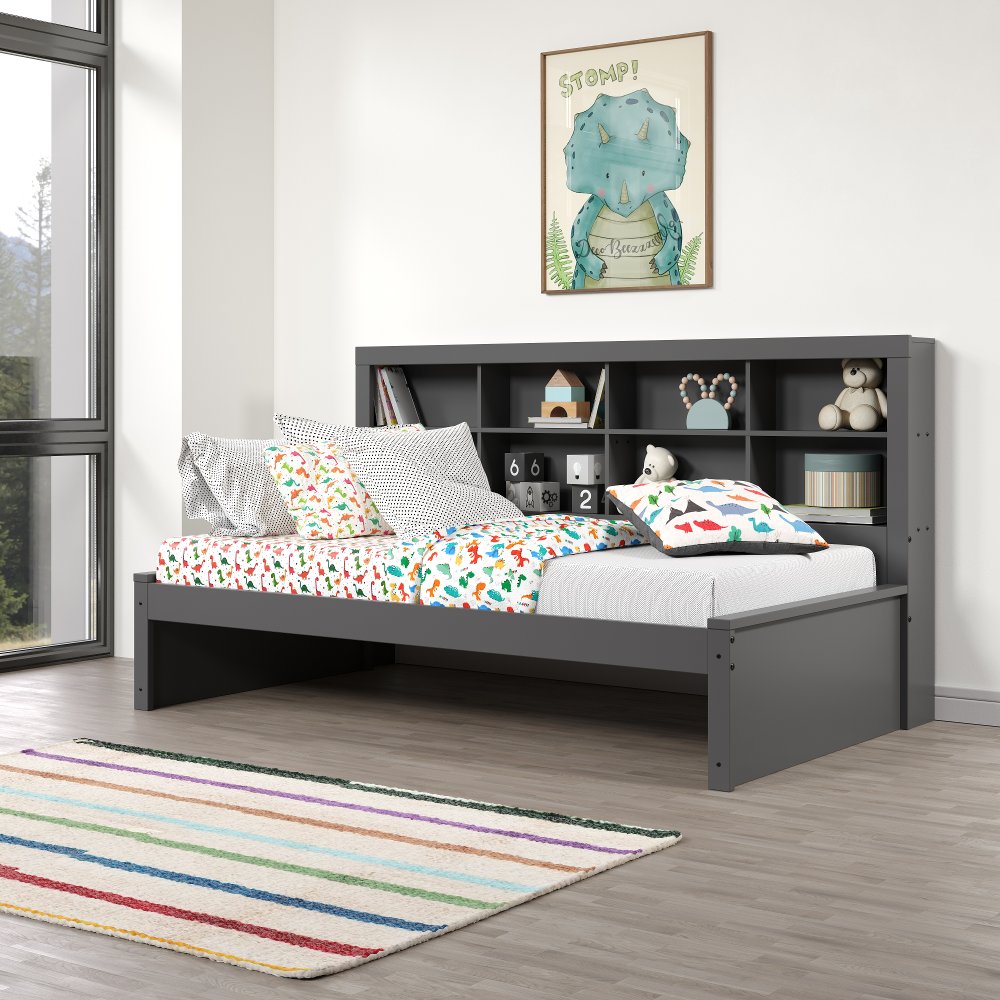
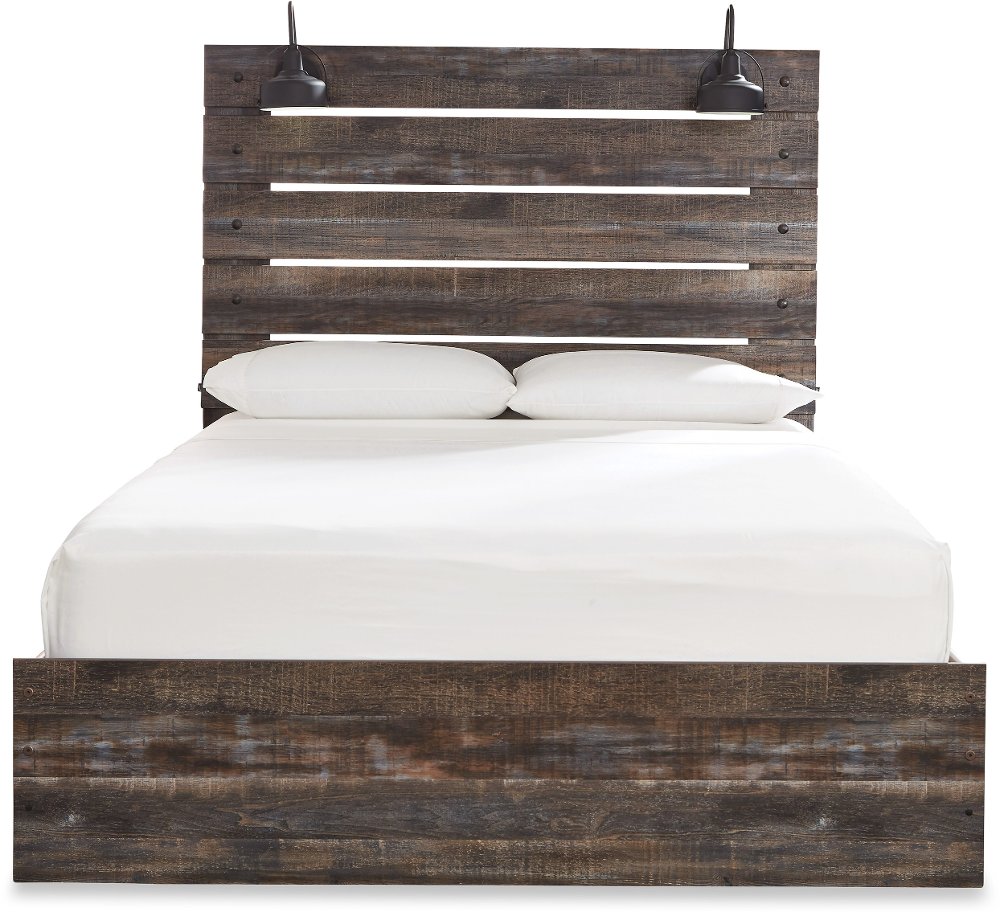
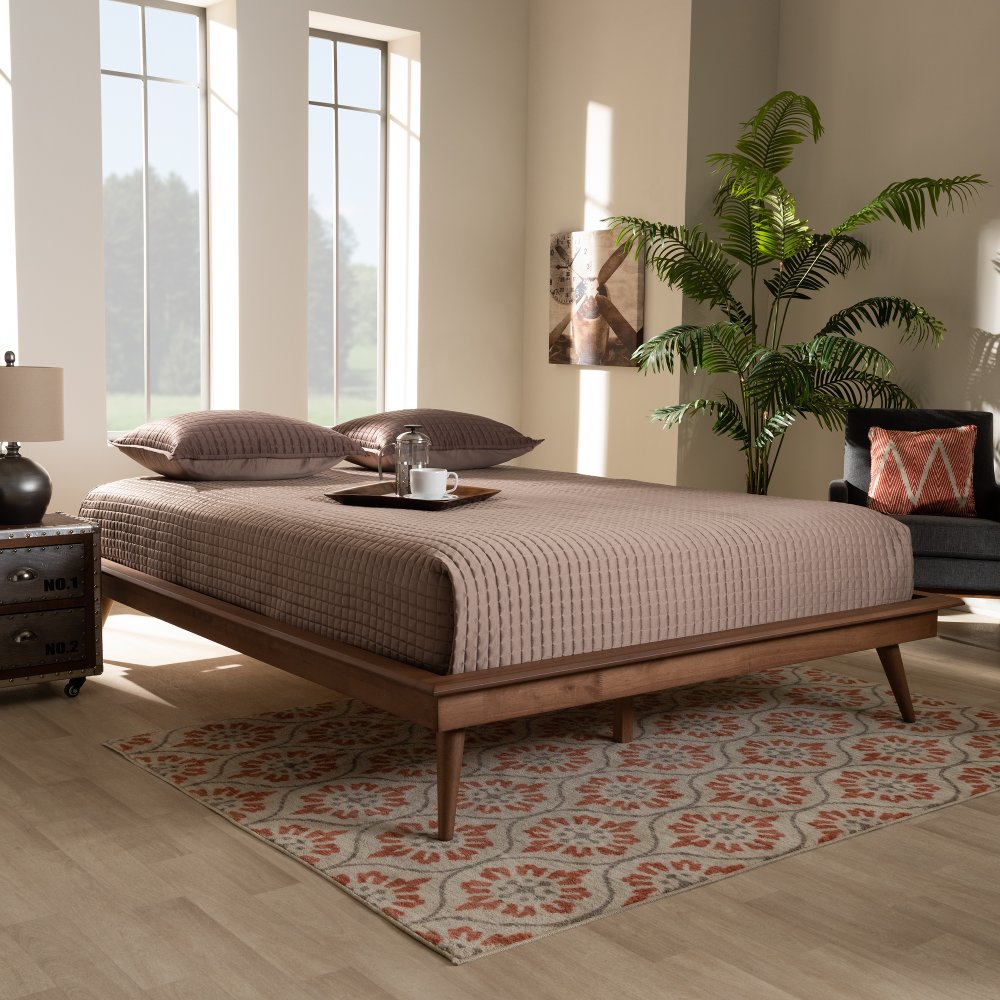
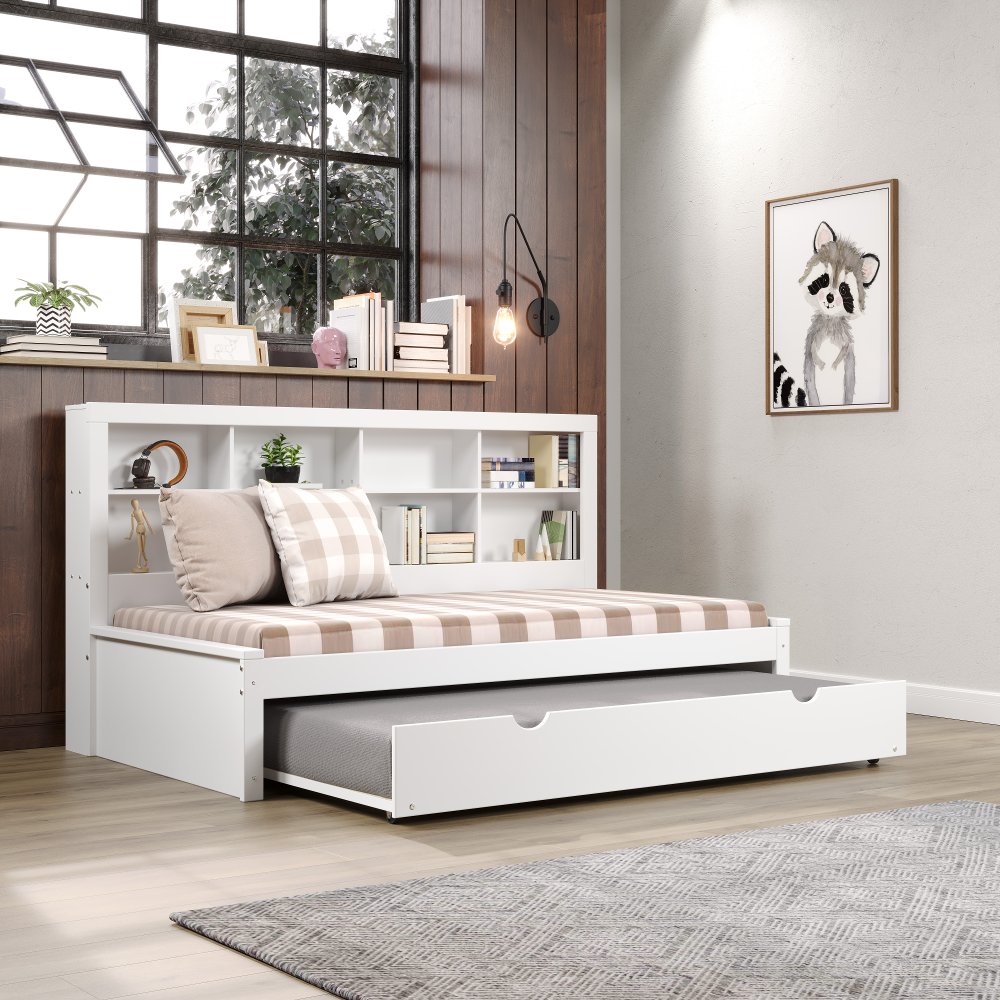
MDF beds offer a practical way to create a polished, comfortable bedroom without the cost of a fully solid-wood frame. MDF, or medium-density fiberboard, is an engineered wood material made by compressing refined wood fibers with resin under heat and pressure. The result is a dense, even panel with a smooth surface and no natural knots, splits, or pronounced grain patterns. That consistency makes MDF especially well suited to painted, laminated, and wrapped finishes, from clean white and soft gray to deeper wood-look tones. It also allows designers to add decorative panels, routed details, streamlined edges, and simple geometric profiles with a uniform appearance across the frame. Many MDF beds use the material for the headboard, side rails, footboard, platform, or storage compartments, sometimes pairing it with upholstery or other structural materials. Depending on the design, you may find a low-profile platform bed, a classic frame with a tall headboard, or a storage bed with drawers or a lift-up compartment beneath the mattress. These styles can suit a first apartment, a child’s or teenager’s bedroom, a primary suite, or a guest room that needs a dependable sleeping surface and a finished look. When shopping, start with mattress size: Twin and Full beds work well in smaller bedrooms, Queen remains a versatile choice for couples and guest spaces, and King beds provide extra room when the floor plan can comfortably accommodate them. Measure the room, doorways, hallways, and stairwells before ordering, and leave enough clearance to open drawers, walk around the bed, and change bedding without bumping into nearby furniture. A complete bed may also require a specific foundation, slat spacing, or mattress support system, so review the construction details and weight capacity before making a decision.
The appeal of an MDF bed often comes down to the balance of appearance, function, and value. Because the surface is smooth and predictable, it can deliver the tailored look of painted furniture while keeping the overall design approachable. MDF is also less likely than some solid softwoods to develop changes from ordinary shifts in grain, and it provides a reliable base for decorative finishes. A substantial headboard can anchor a room during cooler months, giving the bed a comfortable visual presence when layered with quilts, blankets, and pillows. Storage models are particularly useful in rooms where every square foot matters. Drawers can hold folded clothing, extra linens, or seasonal accessories, while a lift-up compartment can keep larger, less frequently used items close at hand. The storage area is most useful when its dimensions match what you plan to keep there; measure bulky bedding before assuming it will fit. If you’re furnishing a guest room, an MDF bed with a straightforward silhouette can create a welcoming foundation that works with changing décor, and the even finish makes it easy to coordinate with nightstands, dressers, and Mdf Cabinets. For a child or teen, look for a stable design with softened edges, durable hardware, and enough room to grow into the size. For a primary bedroom, consider the height of the headboard, the ease of getting in and out of bed, and whether the frame’s proportions complement the mattress and bedding you already own. An MDF bed can also be a thoughtful housewarming gift when you know the recipient’s room dimensions and mattress size, although furniture is easiest to give when the practical details have already been confirmed.
A little care during delivery, assembly, and everyday use helps an MDF bed stay attractive and secure. MDF is dense and can be heavier than it appears, so plan for two people to carry larger panels and use care when moving the frame across floors. Follow the assembly instructions closely, tighten hardware evenly, and avoid forcing a screw into a predrilled opening. Repeatedly taking apart and rebuilding engineered-wood components can weaken fastener points, so assemble the bed in the room where it will remain whenever possible. Check the support slats, center supports, and connecting hardware after setup, then give the frame a quick inspection if it develops movement or a new sound. Use a soft, dry or lightly damp cloth for routine cleaning, and wipe spills promptly. Although an MDF bed can handle normal bedroom conditions, prolonged exposure to moisture can swell or damage the material, especially along unfinished edges and joints. Keep the frame away from standing water, damp walls, and consistently humid areas, and make sure the room has adequate airflow. Avoid dragging the bed, sitting on unsupported rails, or placing more weight on storage lids than the manufacturer allows. During the cooler months, when bedrooms often hold heavier bedding and extra layers, confirm that drawers and lift mechanisms can move freely without rubbing against rugs or nearby furniture. With the right size, support system, finish, and storage configuration, an MDF bed can make a bedroom feel organized and complete while giving you a smooth, adaptable centerpiece for restful nights.
Read More