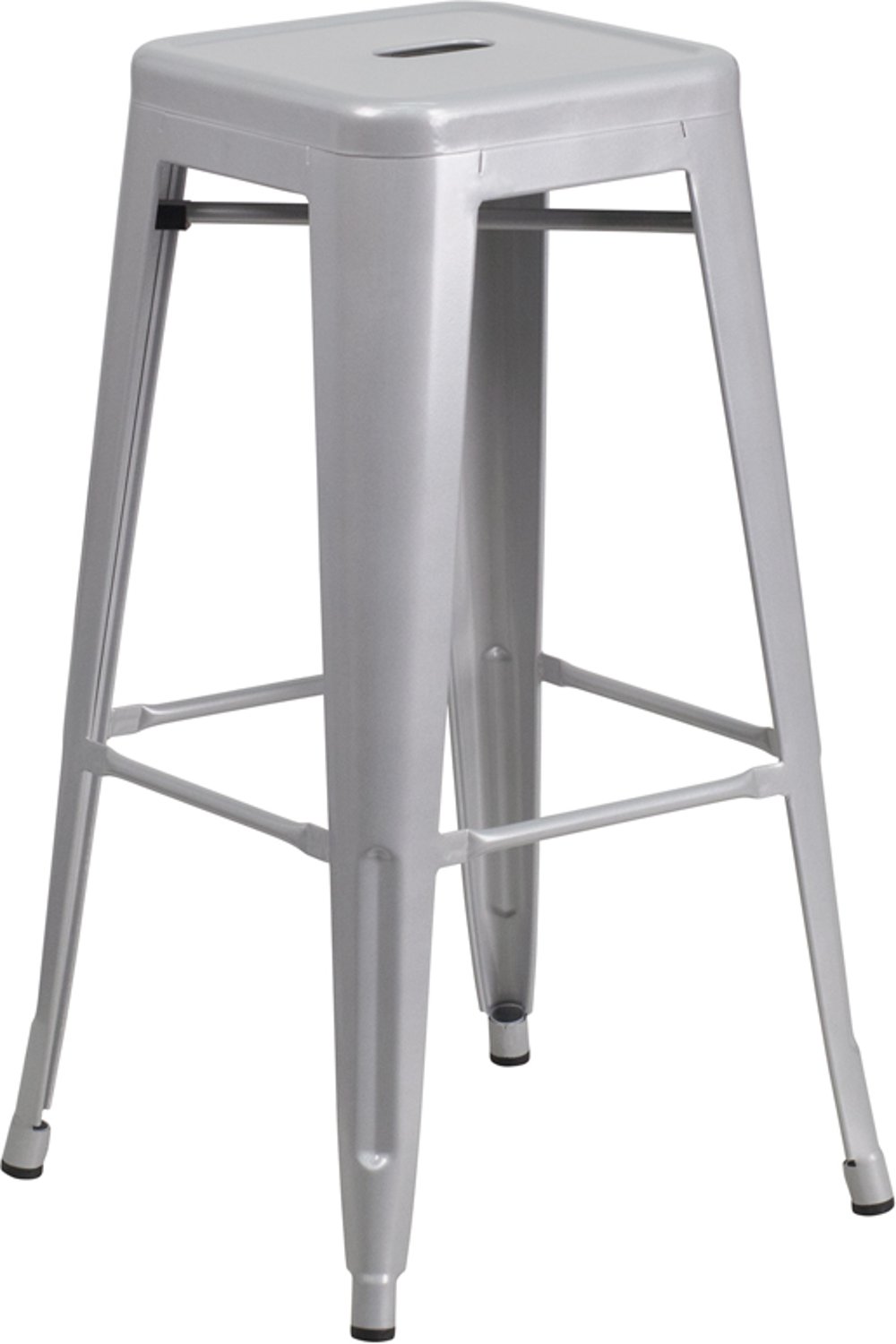
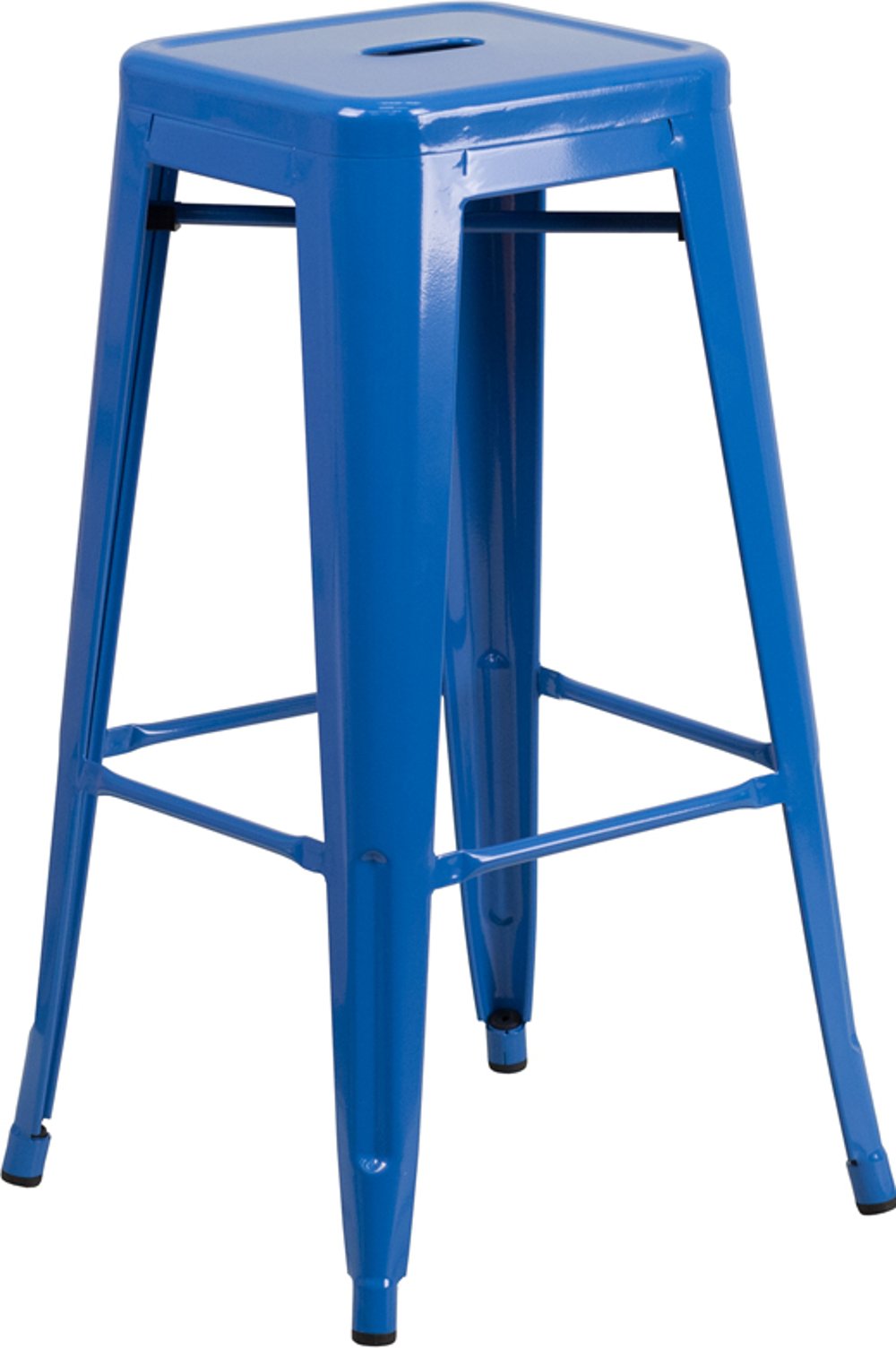
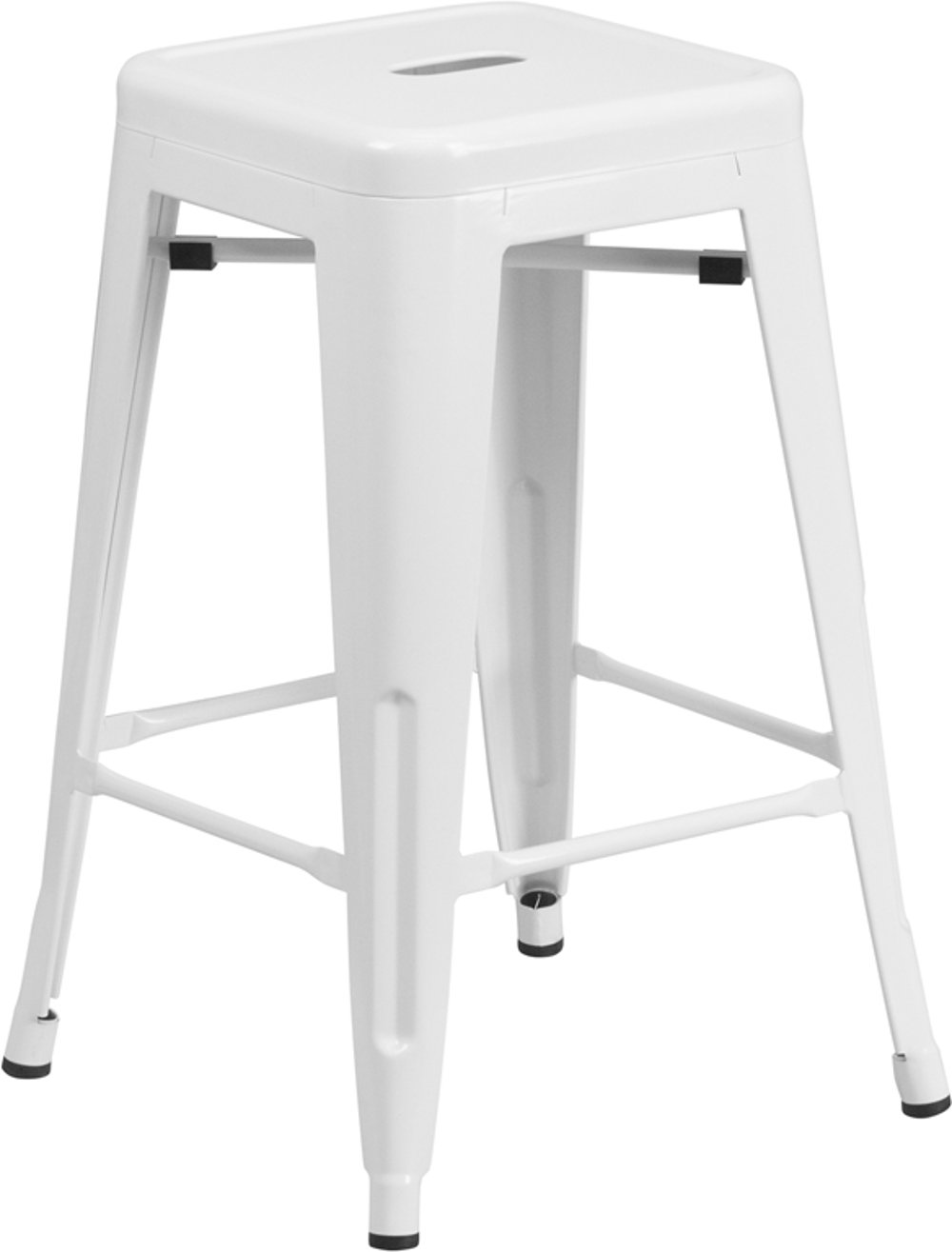
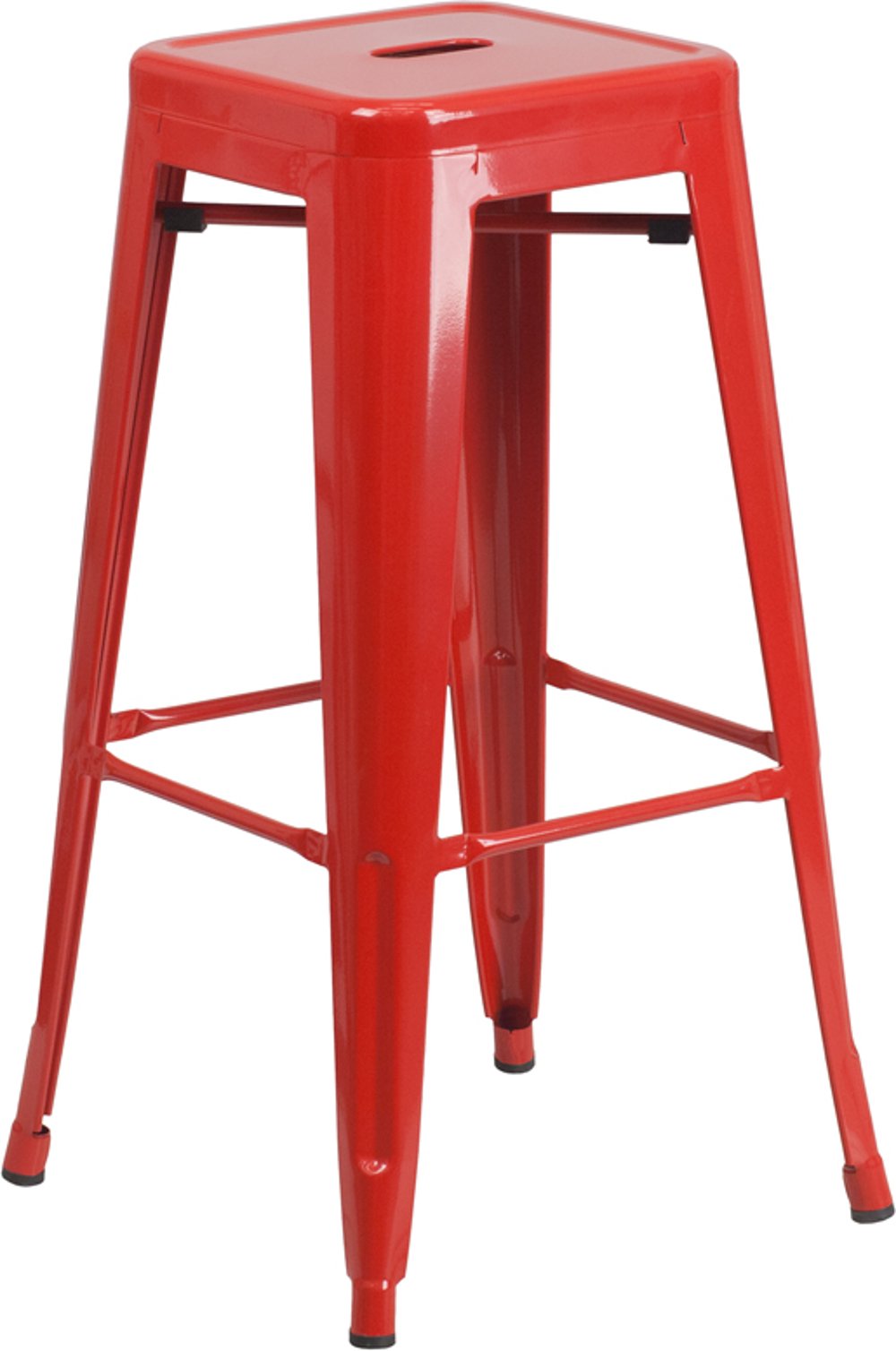
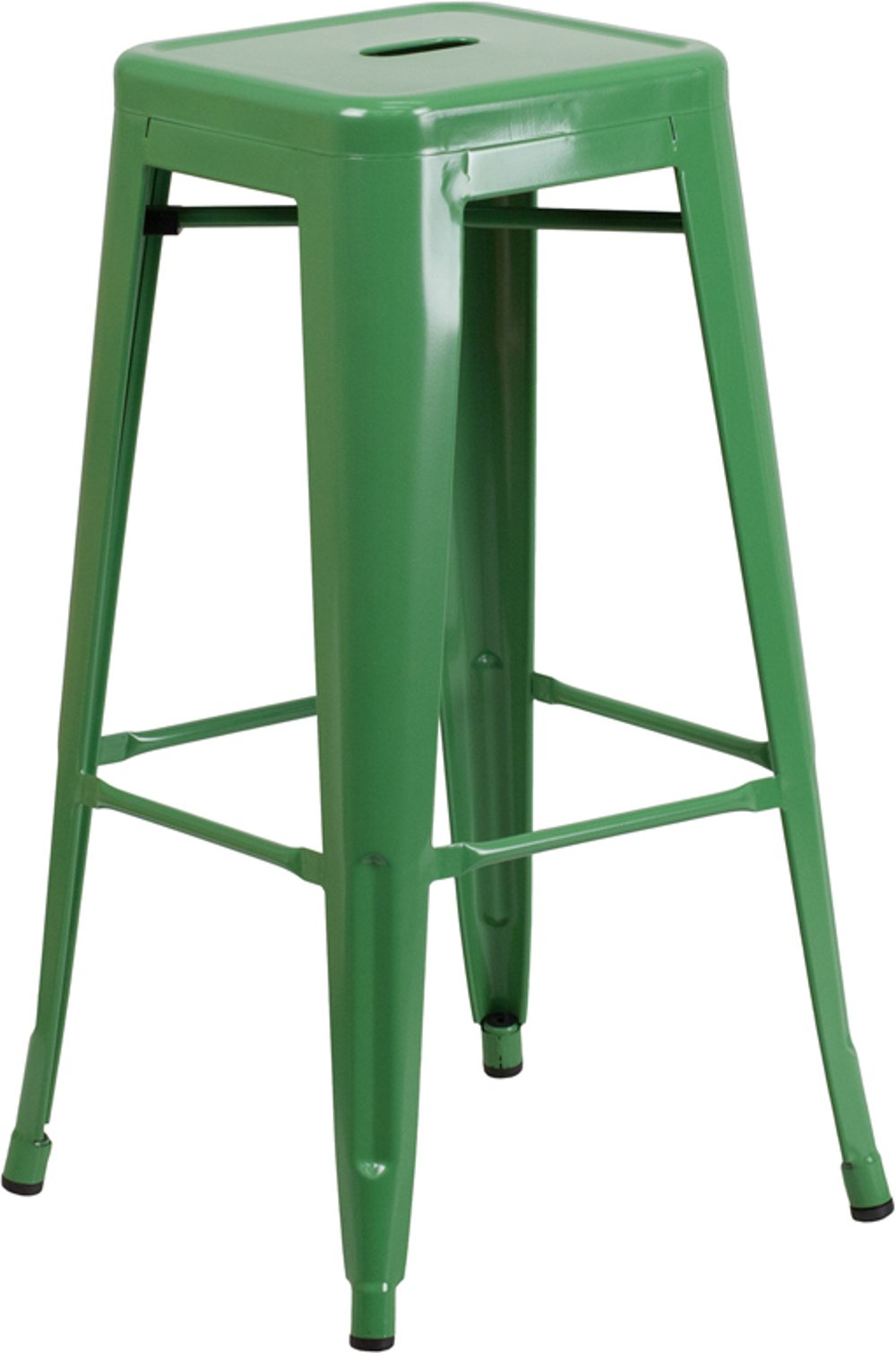
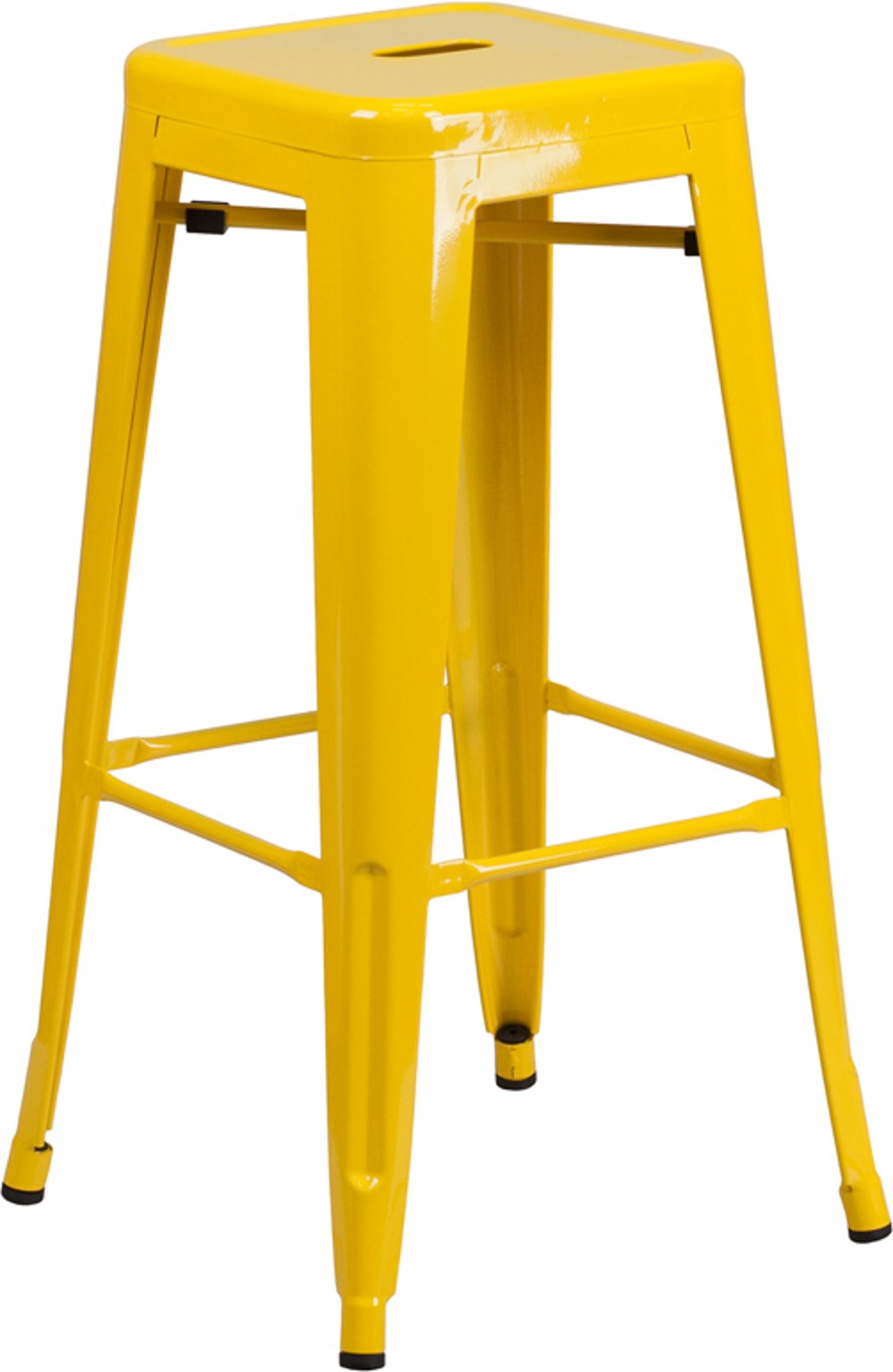
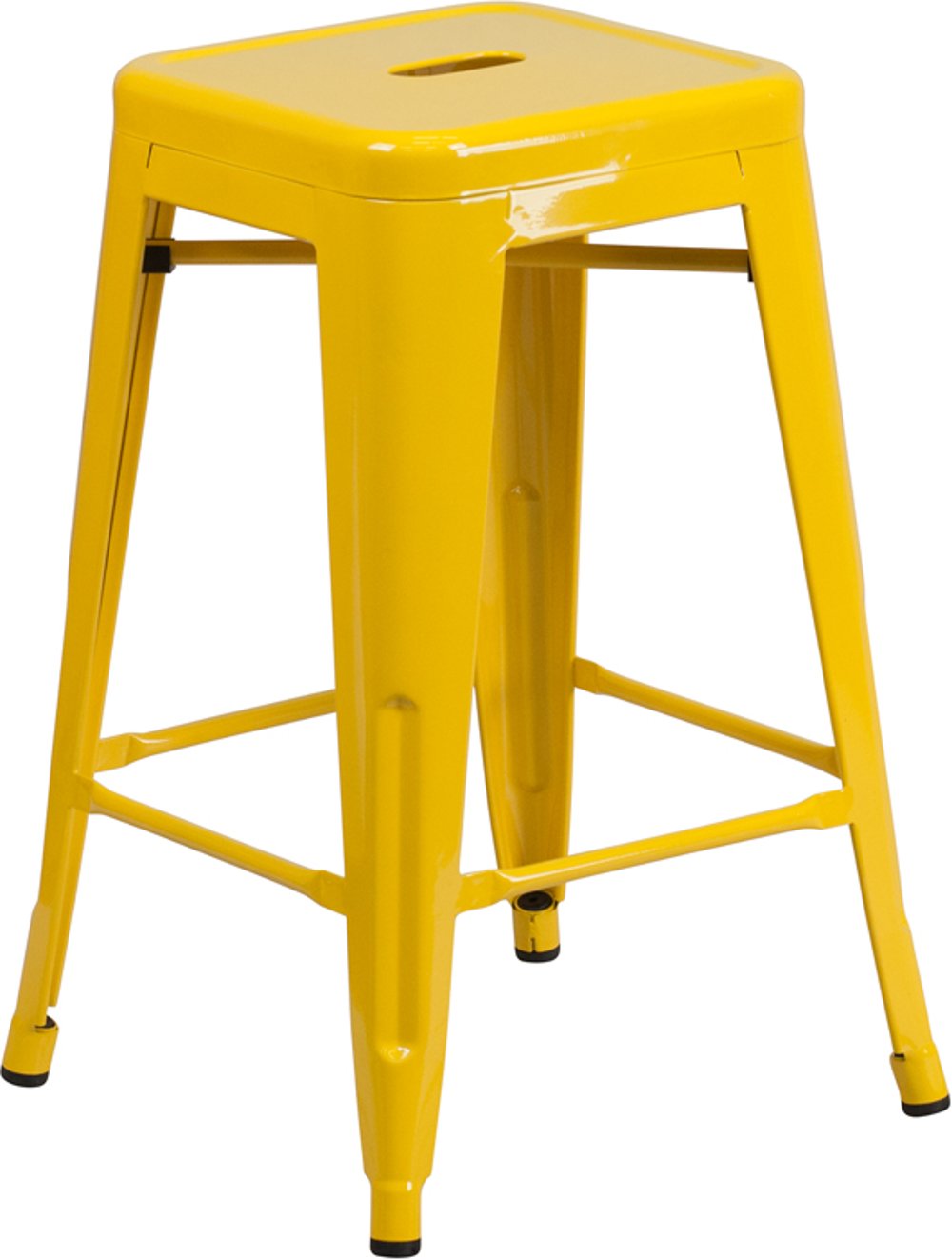
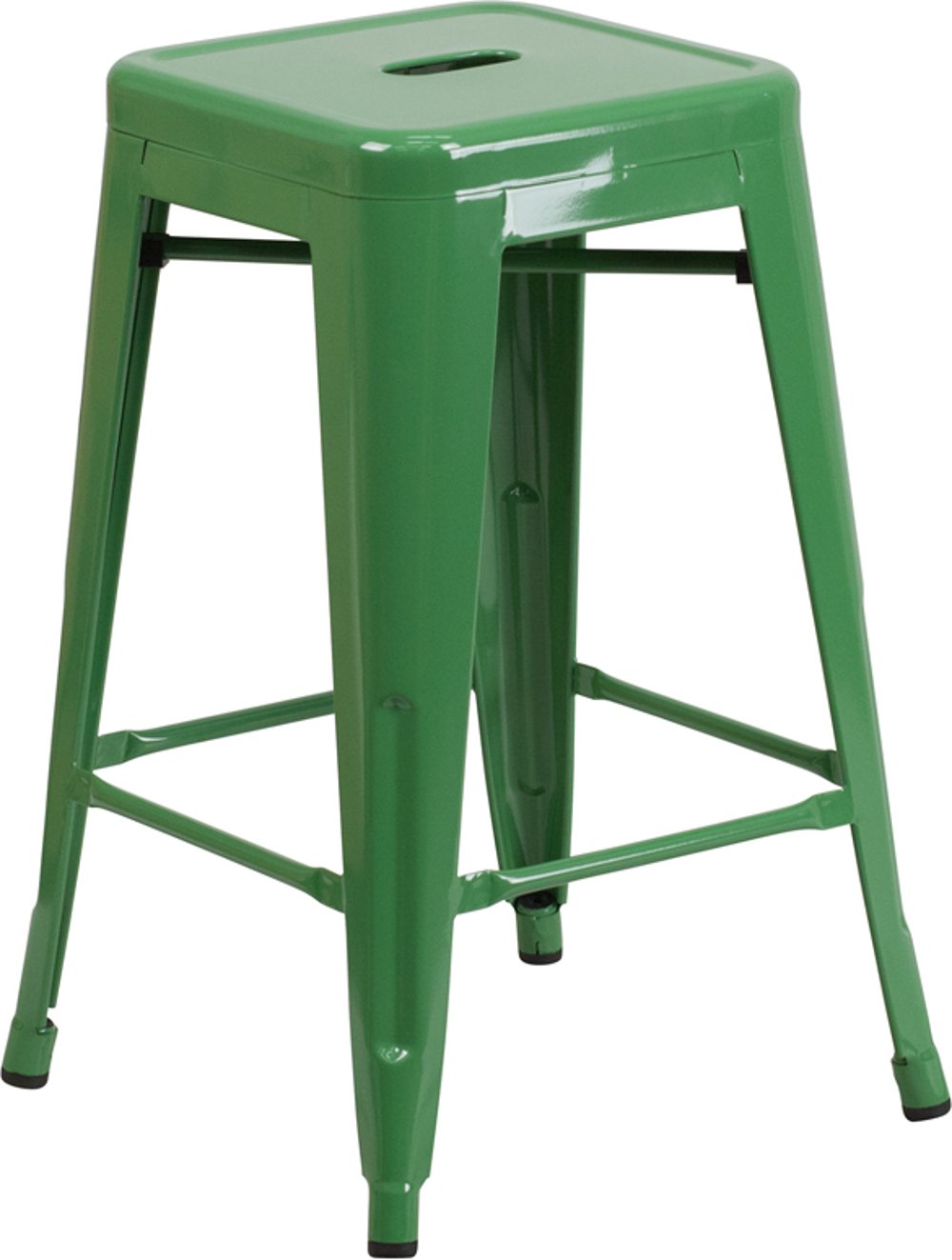
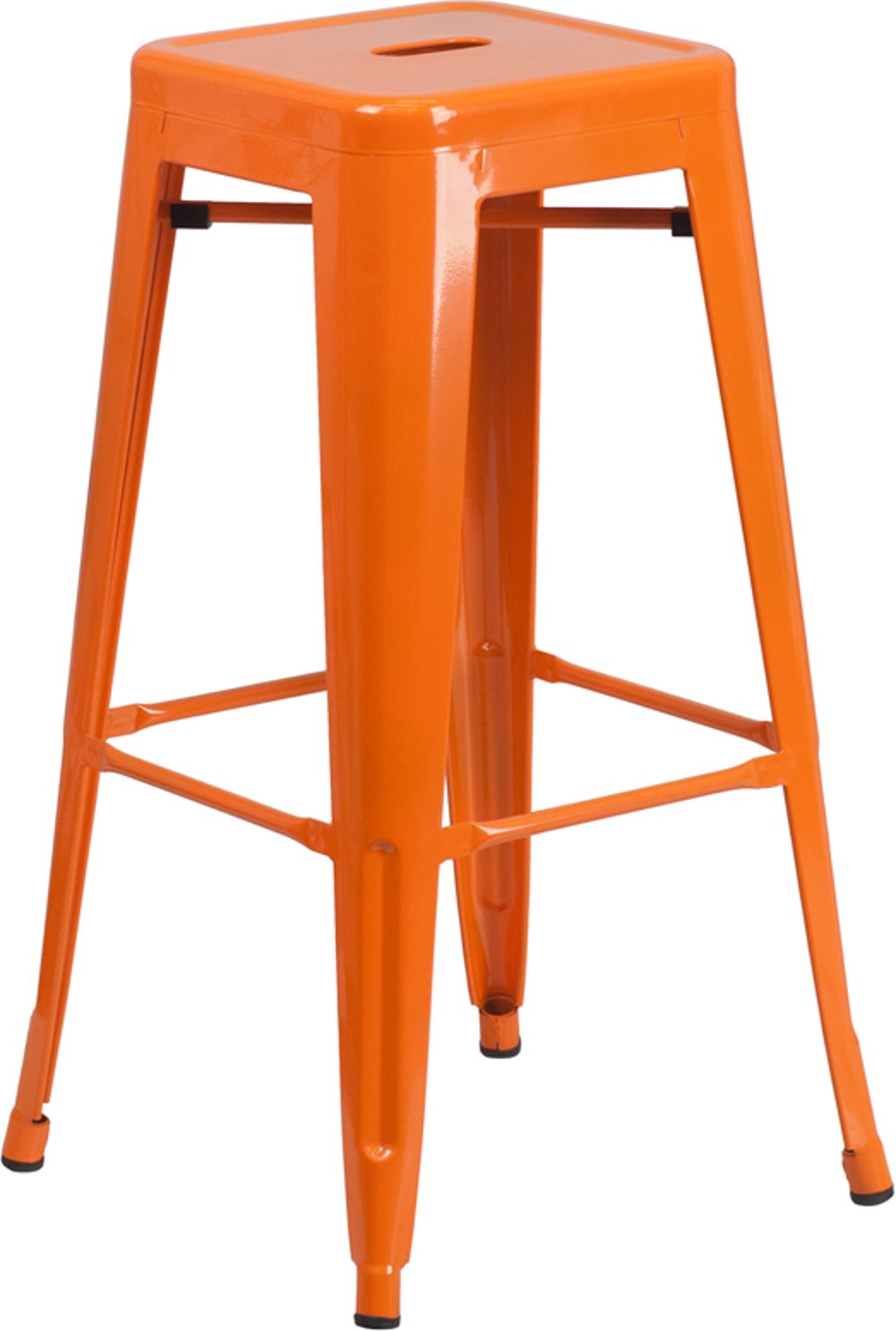
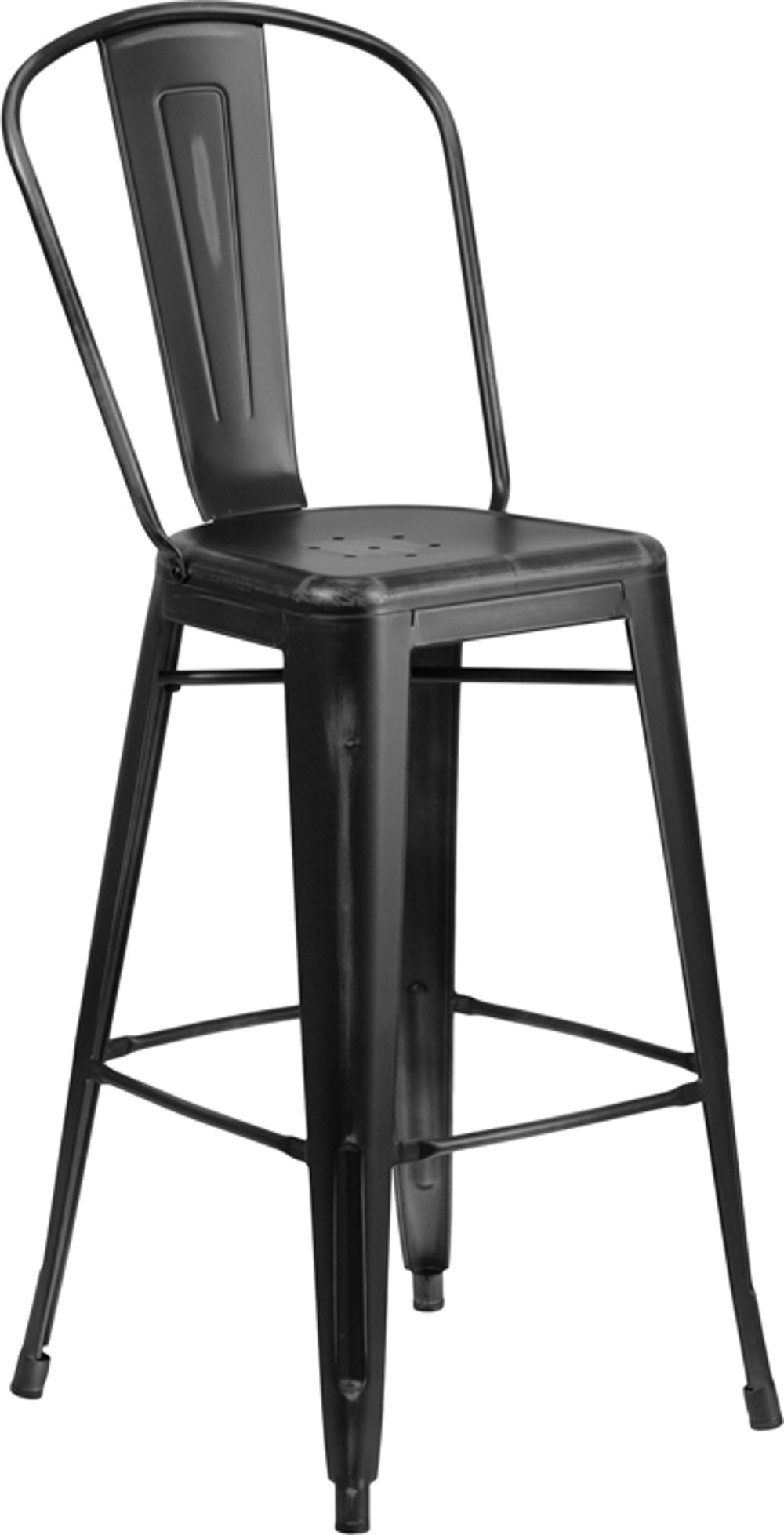
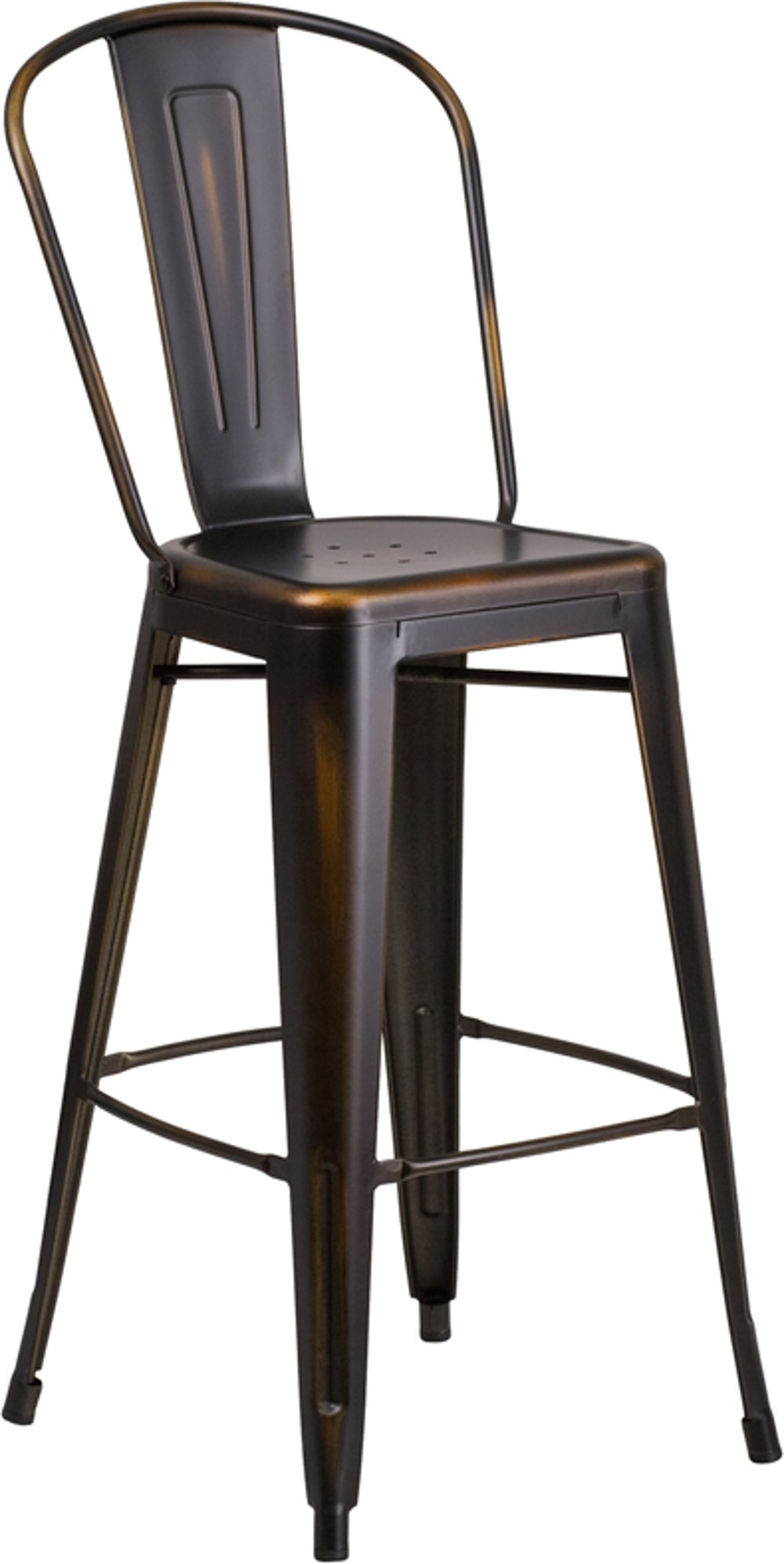
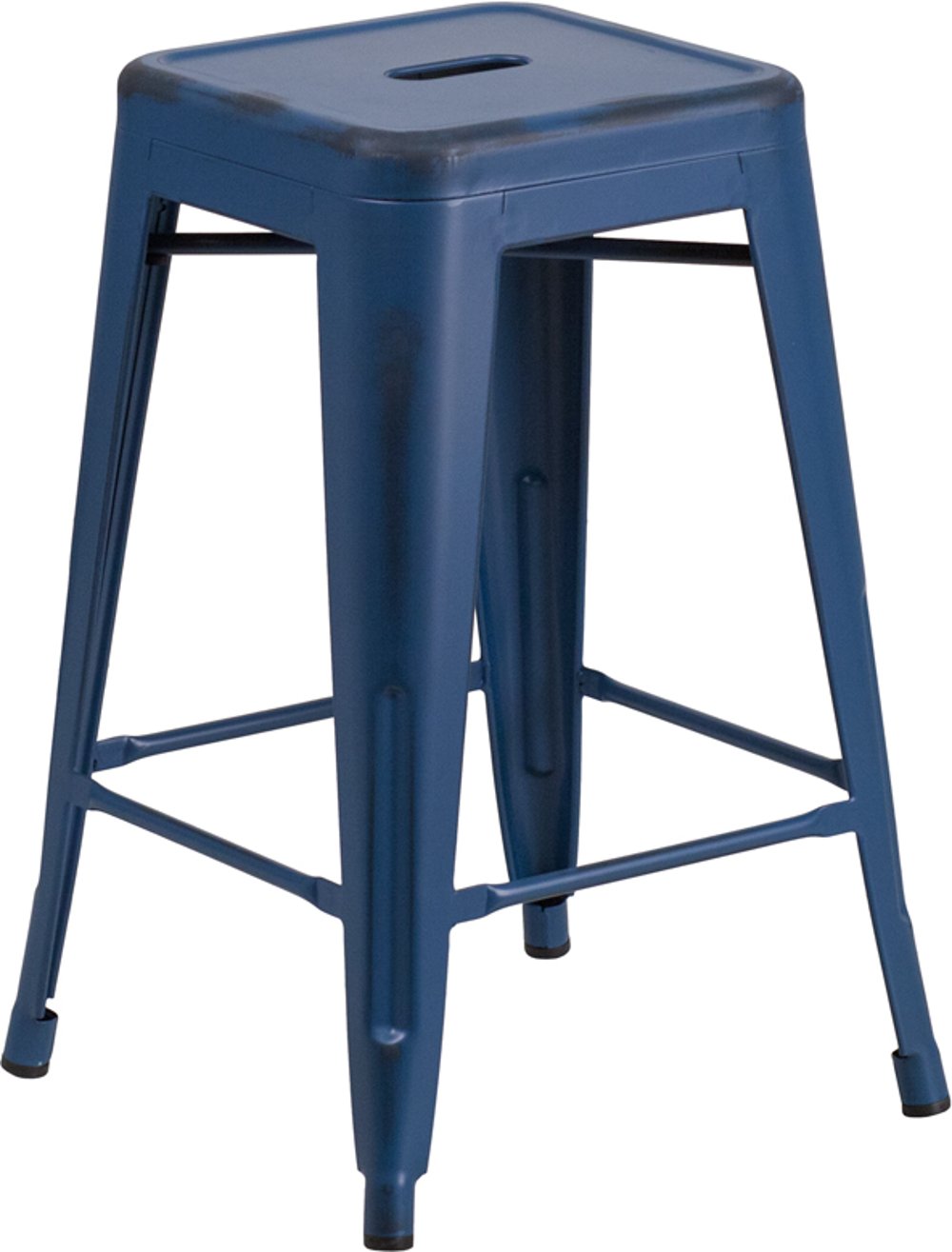
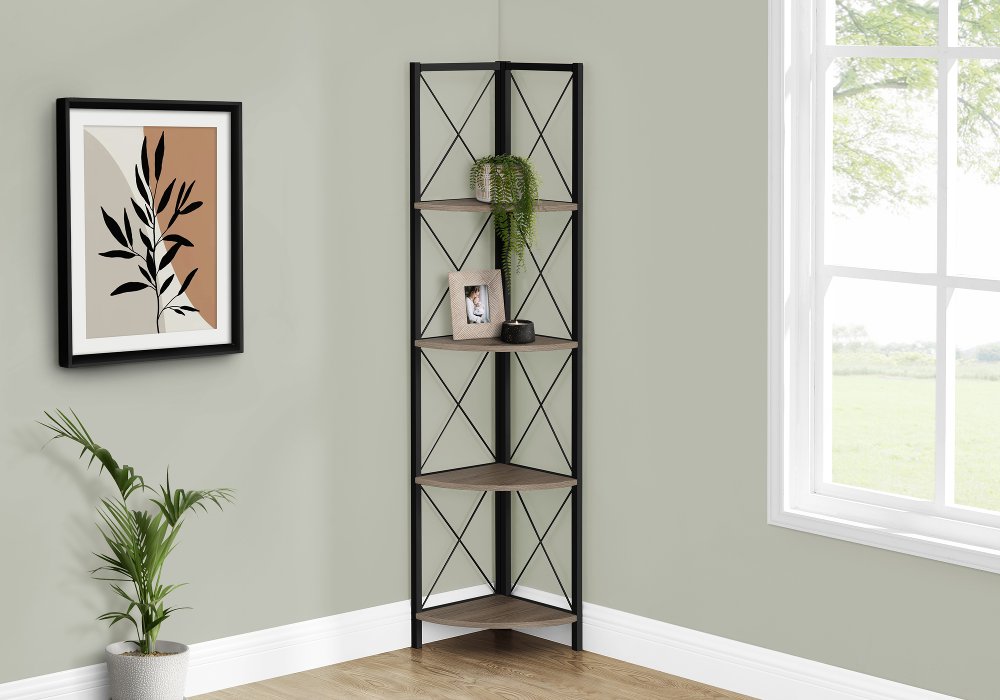
Metal units in a home-furnishing setting are practical pieces made with steel, iron, aluminum, or another durable metal, often combined with shelves, drawers, doors, upholstery, or wood-look surfaces. They can add dependable storage and a clean, structured look to rooms throughout the home. On a shopping page like this one, “metal units” refers to furniture and organizational pieces rather than a video game or a scientific measurement system. Depending on the design, they may help organize a garage, laundry area, home office, bedroom, entryway, kitchen, dining area, or living room. Some are chosen for their strength and generous weight capacity, while others bring a lighter, more modern appearance to a room. Metal construction can be especially helpful in spaces that see everyday wear, such as a busy entry where shoes and bags collect, a work area that needs supplies close at hand, or a storage room that has gradually become the place for everything without a home. The right unit gives those belongings a clear destination while making the surrounding space easier to use. If you enjoy a streamlined interior, look for simple lines, open shelving, and finishes that blend with your existing furniture. If you prefer a warmer or more traditional room, a metal frame paired with wood tones, textured surfaces, or soft accents can add visual balance. You can explore additional options in Metal Furniture when you’re shaping a room around durable, versatile materials.
Before choosing a metal unit, take a careful look at the space and the way you plan to use it. Measure the available width, depth, and height, then leave enough room for doors, drawers, walking paths, and nearby furniture to function comfortably. A narrow unit may work well beside a desk or in an entry corner, while a deeper design can make better use of a garage wall or utility area. Pay attention to weight capacity, especially if you plan to store tools, cookware, books, appliances, or other dense items. Weight should be distributed as the manufacturer recommends, with heavier belongings placed lower whenever possible to help maintain stability. Adjustable shelves can make it easier to accommodate tall containers or change the arrangement as your needs develop. Closed storage helps create a calmer appearance and protects belongings from dust, while open shelving keeps frequently used items visible and within easy reach. Consider the finish, too. Powder-coated metal can offer a smooth, resilient surface for everyday use, while brushed, matte, or antiqued finishes can bring a distinct design character to a room. If the unit includes hardware, casters, doors, or adjustable feet, check that those features suit the floor surface and the location. Assembly is another useful consideration. A piece that requires setup may be straightforward to put together, but it helps to plan a clear work area and follow the instructions carefully. For taller furniture, position it on a level surface and use the recommended wall-anchoring method when appropriate, particularly in homes with children or pets. These small steps help a durable metal unit stay secure, useful, and attractive over the long term.
Metal units can serve a wide range of households and make thoughtful gifts for someone settling into a first apartment, organizing a new home office, refreshing a workshop, or preparing a guest room. They’re also useful for students, renters, hobbyists, remote workers, and anyone who appreciates a home where everyday items are easy to find. A sturdy storage piece can turn a crowded corner into a useful station for craft supplies, cleaning essentials, folded linens, or seasonal belongings. In a bedroom, metal furniture can contribute a crisp, contemporary feel without overwhelming the room. In a living area, a well-placed unit can hold books, baskets, media accessories, or decorative objects while adding height and structure to an otherwise empty wall. During the cooler months, organized storage can be especially welcome as coats, boots, blankets, and indoor activities take up more room. In a garage or utility space, metal construction can stand up to the practical demands of equipment, containers, and household projects, provided the unit’s capacity matches what you intend to store. Think about the habits you want the furniture to support: placing a small tray or basket near the entry may encourage everyone to put keys and mail in the same spot, while clearly labeled shelves can make shared storage easier for the whole household. The most successful choice is one that fits your measurements, supports your belongings, complements your style, and makes a daily task feel a little simpler. With the right combination of strength, flexibility, and thoughtful placement, a metal unit can become one of those quietly helpful pieces that keeps working for your home season after season.
Read More