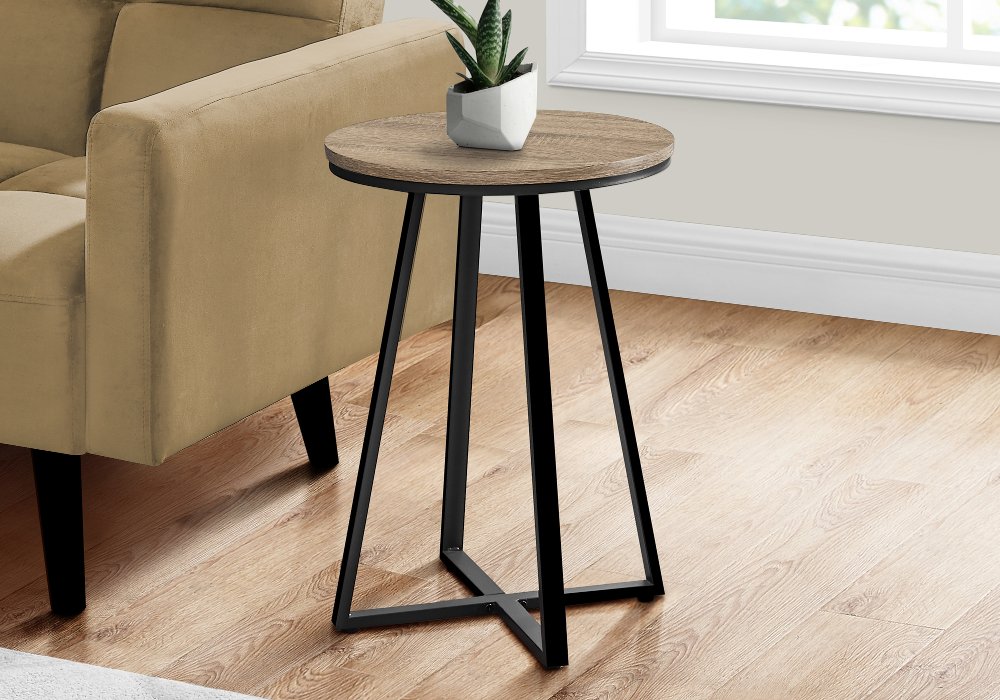
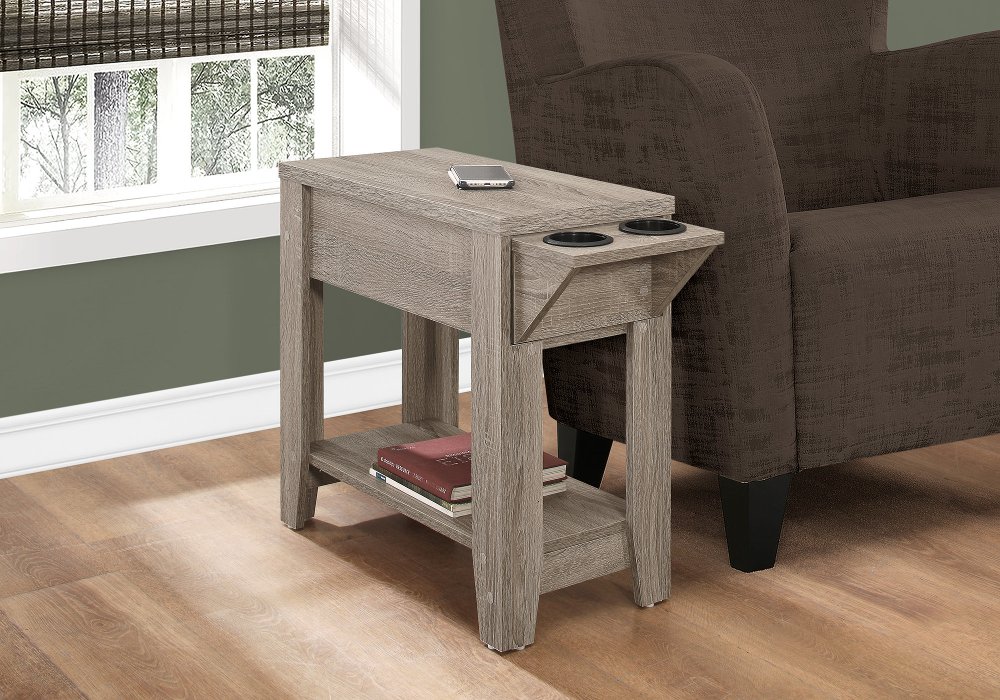
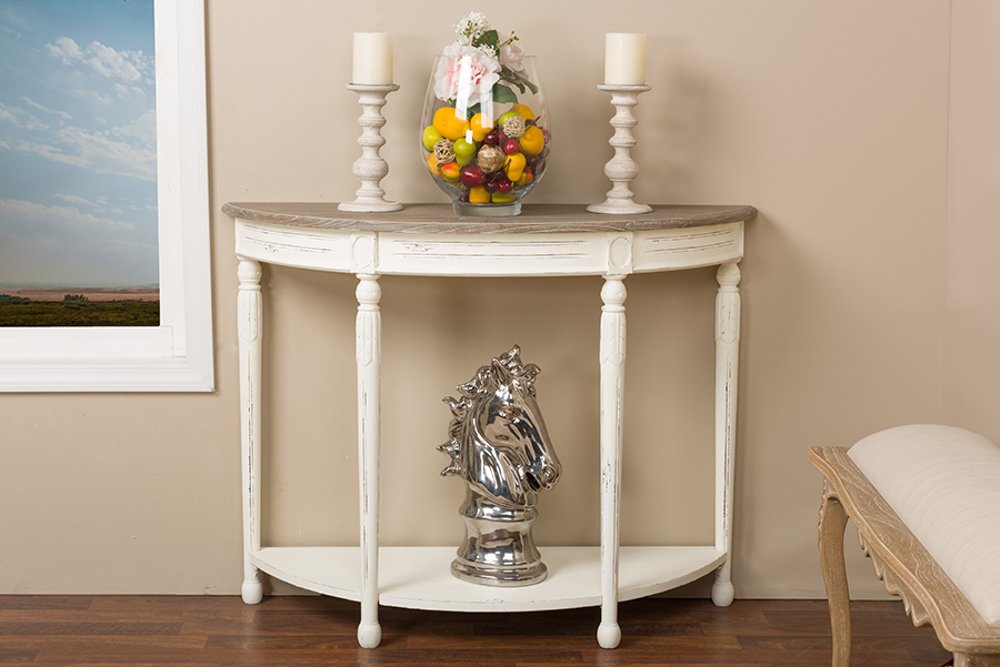
Modern console tables pair a shallow footprint with clean lines, creating a useful surface without taking over a room. Typically placed along a wall, behind a sofa, or near an entry, these tables give everyday essentials and favorite decorative pieces a home. Their modern character comes through in uncluttered shapes, balanced proportions, and thoughtful combinations of materials rather than elaborate ornament. A slim black metal frame can bring definition to a pale wall, while a warm wood finish softens a space with concrete floors or cool gray upholstery. Rounded corners, curved bases, and sculptural pedestal shapes offer a softer interpretation of modern design, especially in rooms already filled with straight-edged furniture. Mid-century-inspired console tables often feature tapered legs and rich wood tones; industrial styles lean toward exposed metal and substantial-looking surfaces. Minimalist designs keep the focus on the outline of the table itself, sometimes with little more than a narrow top and an open base. Each approach can work in a lived-in home, whether the goal is a welcoming entryway or a more finished-looking living room. Beside the front door, a console can hold a small tray for keys, a lamp for evening arrivals, and a basket underneath for scarves. Behind a floating sofa, it can help define the seating area without the visual weight of a tall cabinet. Along a dining room wall, it provides a place to display pottery or set down lightweight serving pieces, provided its surface and weight capacity suit that use. Modern console tables also fit naturally into apartments, where one carefully chosen piece may need to serve several purposes. For homes that mix contemporary furniture with traditional or rustic accents, the broader category of furniture console tables offers a useful point of comparison for shapes, storage features, and finishes. A console doesn’t need to match every nearby piece; repeating a wood tone, metal finish, or gentle curve can make the room feel connected without making everything look identical.
Materials influence both the appearance of a modern console table and how comfortably it fits into daily life. Solid wood brings natural grain and variation, with a surface that may develop character over time, though its resistance to dents and scratches depends on the species and finish. Wood veneer places a thin layer of real wood over a supporting core, offering natural grain with a construction that can help limit movement; it still needs protection from standing water and excessive heat. Engineered wood with a decorative finish can create a consistent look, but edge quality, assembly, and surface protection matter, particularly in an entry where bags and accessories land every day. Metal frames lend themselves to slender profiles and geometric shapes. Their durability depends on sound joints, a stable base, and a finish suited to everyday contact, not simply on how substantial they appear. Glass tops keep a small space visually open and let a distinctive base show through, although fingerprints and dust may be more noticeable. Tempered glass offers improved safety characteristics compared with ordinary glass, but it isn’t scratchproof or unbreakable. Stone surfaces introduce pattern and texture, from subtle veining to a more dramatic mineral look. Natural marble, engineered stone, and sintered stone are different materials with different care requirements, so the surface description matters more than appearance alone. Marble can be vulnerable to acidic spills and may require sealing, while other stone-based surfaces have their own manufacturer-recommended cleaning routines. For most consoles, a soft cloth and prompt spill cleanup are sensible starting points, with cleaners chosen for the specific finish. Coasters beneath drinks, protective pads under ceramics, and a tray for keys help preserve the top without hiding it. Houseplants need waterproof protection beneath their pots, especially on wood or porous stone. A household with children, pets, or frequent visitors may appreciate rounded edges and a forgiving finish, but construction and stability remain essential. Follow assembly directions and any anchoring requirements, and keep heavy objects within the stated weight limits of the top, shelves, and drawers.
The right fit depends on more than whether a modern console table fills an empty wall. Depth is often the deciding measurement in a hallway or entryway: a narrow console should leave enough room to walk comfortably, carry grocery bags, and open nearby doors or drawers. Measuring the usable space at floor level helps account for baseboards, outlets, and other details that can prevent a table from sitting where expected. Behind a sofa, a console generally looks balanced when its top sits at or slightly below the sofa back and its length stays within the sofa’s overall width. That relationship also keeps decorative objects from crowding the seating area. In an open floor plan, a finished back deserves attention because the table may be visible from every direction. Storage choices can make an equally noticeable difference. Drawers keep spare keys, charging cables, and mail out of sight, while open shelves make baskets and frequently used objects easy to reach. An open base gives a small room more breathing room, although it offers less concealed storage. For a busy household, a combination of a drawer and a lower shelf can support both tidy surfaces and practical routines. Someone furnishing a first apartment may prefer a lightweight-looking design that can move from an entry to a living room as needs change. A console can also make a thoughtful housewarming gift when the recipient’s measurements and style preferences are known. Styling works best when it leaves space for the way the table will actually be used. A lamp at one end, a low bowl near the center, and a framed photograph can feel complete without covering the surface. During the cooler months, a textured basket or a few natural branches adds warmth without requiring a full seasonal refresh. If lighting or charging is part of the setup, consider outlet access and keep cords clear of walking paths. A console intended for display shouldn’t be assumed to support a television or function as a desk unless its construction and specifications allow it. With proportions, materials, and storage matched to the room, a modern console table becomes a dependable part of everyday life rather than just something to fill a gap.
Read More