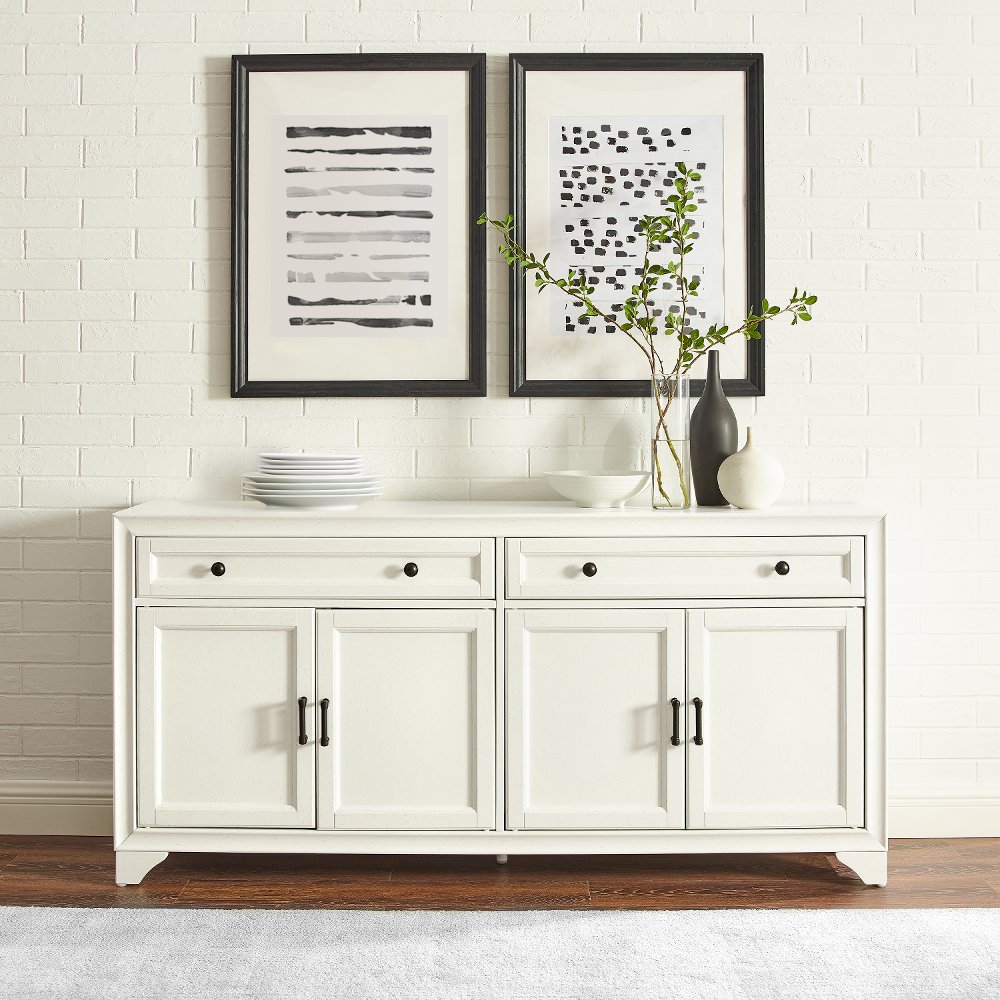
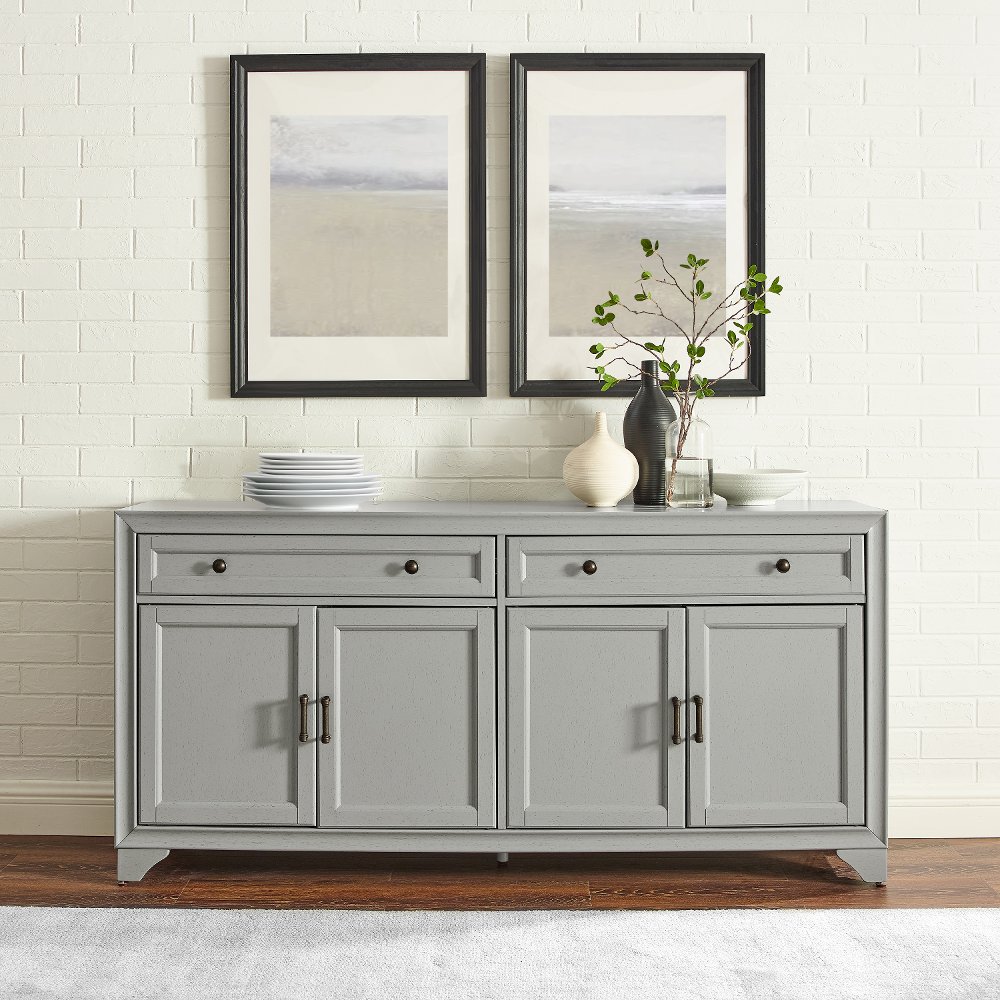
Modern servers are dining room storage pieces that combine a surface for serving food with space for dishes, linens, and entertaining essentials. Often described as dining servers, sideboards, or buffets, they help keep the dining table clear while giving everyday necessities a convenient home. Their modern character usually comes from clean lines, simple hardware, balanced proportions, and finishes that highlight the shape of the furniture rather than elaborate ornamentation. A low, streamlined silhouette can make a dining room feel open, while a taller design may provide more storage within a narrower footprint. Behind cabinet doors, stacks of dinner plates and serving bowls stay close at hand; drawers can hold flatware, cloth napkins, placemats, and the small accessories that otherwise collect on the table. The top offers room to set out appetizers, arrange a beverage station, or place extra dishes during a family meal. That combination makes a modern dining server useful for households that entertain often, smaller homes where every storage piece needs to earn its place, and anyone who wants a more organized dining area. Modern styling also leaves plenty of room for personal taste. Warm wood tones can soften a room with crisp architectural lines, while darker finishes create contrast against pale walls and upholstered dining chairs. Light finishes can blend into an airy space, and mixed materials can connect the server to nearby metal lighting or glass accents. A server doesn’t need to match the dining table exactly to look at home. Similar undertones, complementary shapes, or a shared hardware finish can bring the room together without making every piece look identical. For casual dinners, the server might simply hold a water pitcher and extra napkins. When guests come over, the same surface becomes a place for serving platters, allowing everyone to reach what they need without crowding the table. Even between meals, closed storage helps the room feel settled rather than busy.
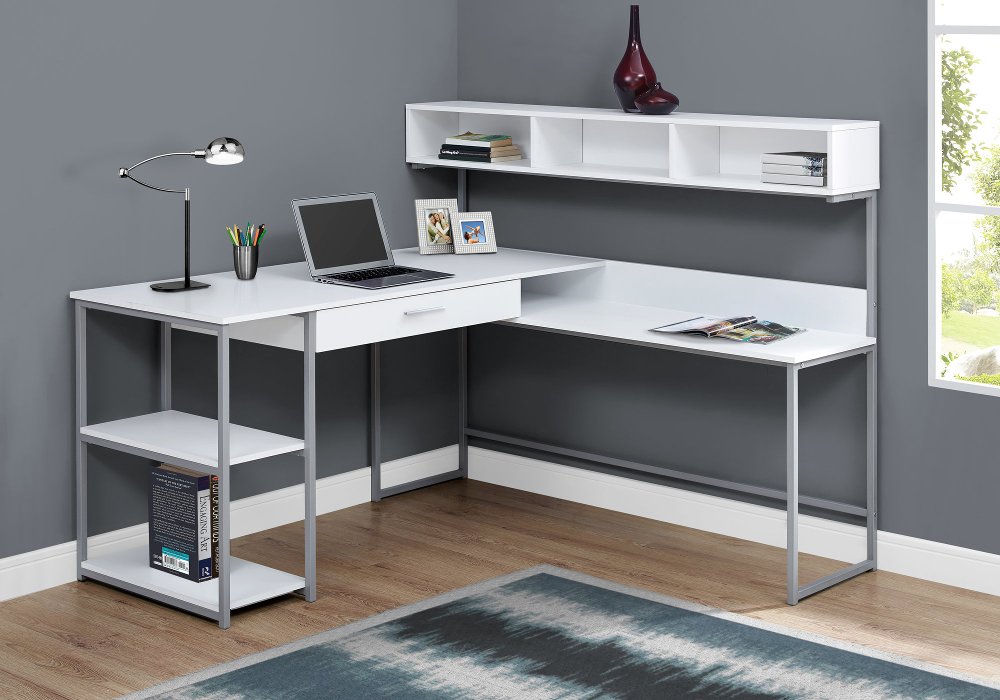
A modern server’s fit depends as much on the surrounding space as on its overall dimensions. Width determines how much wall space it occupies, depth affects the walkway beside it, and height influences both its serving surface and its relationship to nearby furniture. In a compact dining area, a shallow profile can provide useful storage without pushing chairs too close to the cabinet. A larger room may accommodate a longer server that balances a substantial dining table and provides space for several serving dishes. Allowing room for chairs to pull out, guests to pass behind seated diners, and doors or drawers to open fully helps the piece function comfortably. Baseboards, floor vents, outlets, and nearby doorways also affect placement, especially when the server sits along a frequently used route between the kitchen and dining room. Interior layout matters just as much. Adjustable shelves can accommodate pitchers and taller serving pieces, while fixed compartments may suit neatly stacked dinnerware. Drawers make smaller essentials easier to locate, and cabinets conceal bulkier pieces that don’t need to stay on display. Open shelving offers quick access and a lighter appearance, though its contents become part of the room’s look. Glass-front doors can showcase favorite dishes while keeping them enclosed, but fingerprints and visible clutter may require more attention. Storage works best when it reflects how the household actually uses the space: everyday plates near the kitchen, entertaining pieces together, and table linens where they’re easy to reach before dinner. In an open-plan layout, a server can also create a clear dining zone without the visual weight of a tall cabinet. For a room that combines meals with a home office, keeping serving supplies separate from the work setup helps both areas stay organized; exploring Modern Desktops can support planning for the workspace while the server handles dining storage.
Materials, construction, and finish influence how a modern server looks, feels, and holds up to daily use. Solid wood brings natural grain variation and can develop character over time, though it responds to changes in humidity and benefits from a stable indoor environment. Wood veneers provide a real wood surface over a supporting core, often creating a consistent appearance across broad cabinet fronts. Engineered wood can support smooth painted or laminated finishes, with durability depending on the material, construction, and surface treatment. Metal legs and hardware can add a slim, structured look, while glass details introduce transparency and contrast. No single material tells the whole story. Secure joints, a stable base, properly aligned doors, and drawers that move smoothly all contribute to a piece that feels dependable. Shelves and tops also have weight limits, so a collection of heavy dishes or countertop appliances needs support appropriate to the intended load. A server used as a beverage station has different demands than one used mainly for linens; moisture, heat, and spills deserve extra consideration wherever drinks or food will sit. Coasters, trivets, and trays help protect the finish, and a tray beneath a pitcher can catch condensation before it reaches the surface. Routine care is usually straightforward: dust with a soft cloth, wipe spills promptly, and follow the manufacturer’s cleaning instructions rather than using harsh chemicals or abrasive pads. Glass, wood, metal, and painted surfaces may each require different care, so an all-purpose cleaner isn’t automatically the right choice. Direct sunlight can change some finishes over time, and dragging objects across the top can leave marks even on a sturdy piece. For households with children, anchoring the server according to the manufacturer’s instructions adds an important layer of safety. Thoughtful styling keeps the surface useful, too. A lamp, a framed print, or a single vase can give the server personality while leaving room for serving dishes. With storage suited to daily routines and materials suited to the household, a modern server becomes a practical part of the dining room, supporting everything from a quiet breakfast to a full table of guests.
Read More