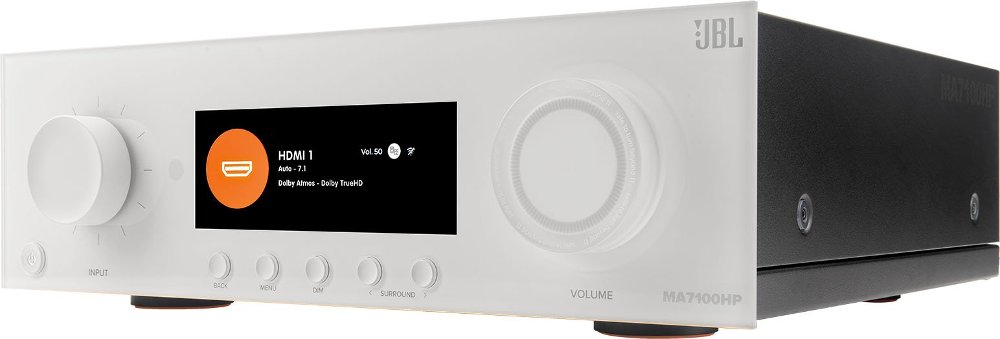
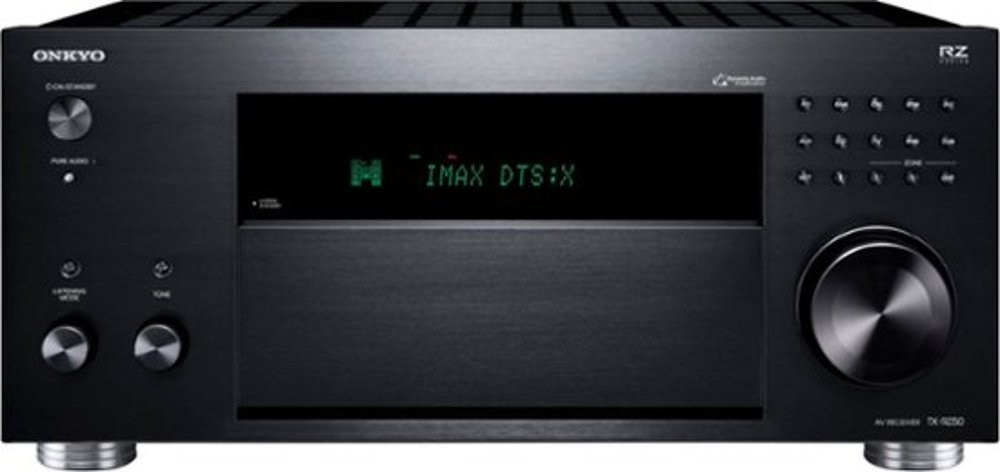
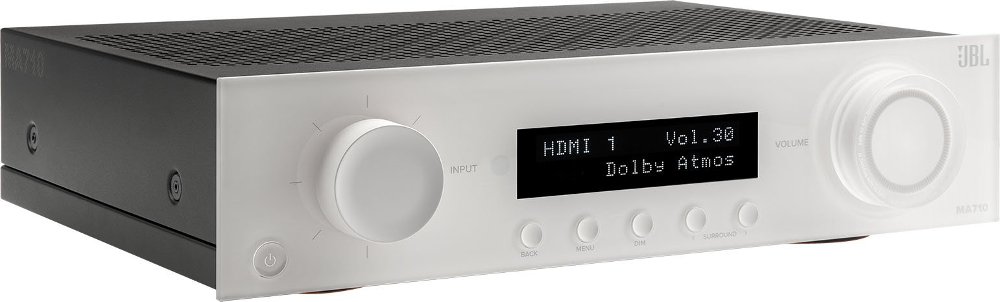
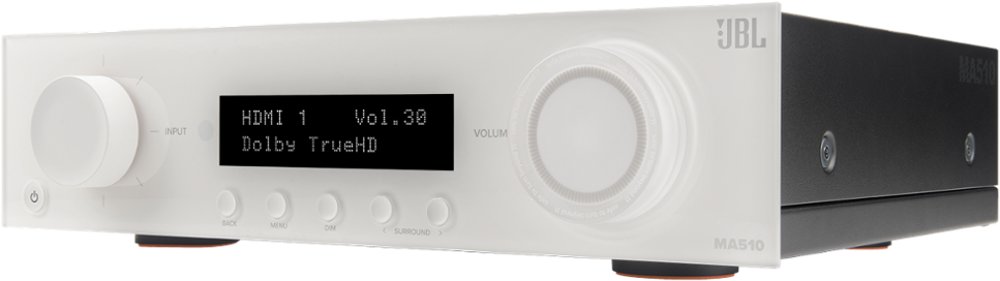
Multi-channel receivers are the connection point for a home theater, combining audio processing, speaker amplification, and source switching in one component. A receiver takes sound from a connected source, decodes supported audio formats, and powers multiple speakers placed around the room. With compatible video sources, it also routes the picture to a TV or projector. That combination helps turn separate components into a system that feels easy to use, whether the evening calls for a movie, a concert recording, or a favorite game. Unlike a two-channel stereo receiver, a multi-channel AV receiver can distribute different parts of a soundtrack across front, center, and surround speakers. The center speaker anchors dialogue near the screen, while surround speakers add the rustle of leaves behind the sofa or the crowd’s roar around the listening area. Channel numbers describe how that system is arranged. A 5.1 setup has five main speaker channels and one subwoofer channel; a receiver described as 7.2 typically supports seven main speaker channels and two subwoofer connections. Those two subwoofer outputs don't necessarily offer independent adjustment, so that detail matters when comparing bass-management features. A configuration written as 5.1.2 adds two height channels to a five-speaker surround layout with a subwoofer, creating sound above the listener when compatible content and speakers are used. Amplified channel count and processing capability aren't always the same: a receiver may process more channels than its built-in amplifiers can power, requiring a separate amplifier for the full layout. The right configuration depends on the space and the listening experience you want, not simply the largest number on the specification sheet. A straightforward surround system can suit a shared living room beautifully, while a dedicated theater may benefit from additional surround or height speakers. Clear dialogue, convincing movement, and balanced sound at comfortable listening levels are useful priorities for everyday viewing.
Connections determine how comfortably a home theater receiver fits into your entertainment setup. HDMI inputs accommodate compatible sources such as streaming players, game consoles, and disc players, while an HDMI output carries video to the display. Enough inputs for the devices you use, plus room for another source later, can reduce cable swapping. An HDMI connection with enhanced Audio Return Channel, or eARC, can send supported audio from a compatible TV back to the receiver, including sound from the TV’s built-in streaming apps. Both components need compatible connections and settings, and the audio formats passed through can depend on the television. Video specifications deserve the same attention as audio features. Resolution, refresh rate, high dynamic range support, and copy-protection compatibility all affect what reaches the screen. For high-resolution systems, 8K receivers are relevant to setups built around compatible video equipment, though the exact capabilities of each input still matter. An 8K label alone doesn't establish support for every gaming feature, refresh rate, or signal format. A system intended for 4K gaming at 120 frames per second needs the appropriate support across the console or computer, receiver, display, and HDMI cables. Variable refresh rate can help reduce screen tearing with compatible equipment, while automatic low-latency switching can help a compatible display select its gaming mode. For music, wireless streaming and network playback can make a receiver useful even when the screen stays off. Bluetooth, Wi-Fi, and app-based controls vary by receiver, as do support for streaming services and shared-room playback. Multi-zone audio can send music to another space, but powering a second zone may use amplifier channels that would otherwise serve the main room. These distinctions matter in a household where someone wants a movie in the living room while another person listens to music elsewhere. Compatibility with the way your household actually listens often makes a bigger daily difference than an extensive feature list.
Physical fit, speaker matching, and sensible care help a multi-channel receiver perform reliably over time. Receiver cabinets are commonly built around a metal chassis with ventilation openings, and their depth can be easy to underestimate once speaker wire, HDMI plugs, and power cables are connected. A media console needs a sturdy shelf, space for those connections, and the ventilation clearance specified by the manufacturer. Amplifiers produce heat during normal use, so a tightly enclosed cabinet or stacked equipment can restrict airflow. Accessible rear connections also make future changes less frustrating, especially when the system includes several speakers and sources. Most passive home theater speakers still require speaker wire; wireless music streaming doesn't automatically mean wireless surround-speaker connections. Powered subwoofers generally use their own amplifiers and receive a signal from the receiver’s subwoofer output. Speaker impedance and amplifier requirements should match the receiver’s supported specifications, and wattage comparisons are most useful when the measurement conditions are similar. A rating measured with one channel operating isn't directly equivalent to the same rating measured with several channels driven. Room size, speaker sensitivity, listening distance, and preferred volume all influence how much amplifier capability is useful. Automatic room calibration, when included, can measure speaker distances and levels and adjust aspects of the response for the listening space. It can help balance a system, but it doesn't replace thoughtful speaker placement or eliminate every acoustic challenge in a room with hard floors and large windows. Everyday convenience matters, too: readable controls, clear on-screen menus, dialogue adjustments, and listening modes that reduce large volume swings can make shared viewing more comfortable. Routine care is straightforward, with the receiver powered down and unplugged before exterior cleaning and a soft, dry cloth used according to its care instructions. Clear vents and securely connected cables support dependable operation. For movie enthusiasts, music lovers, and households that gather around a game, a well-matched receiver provides a practical foundation for entertainment that can grow as needs change.
Read More