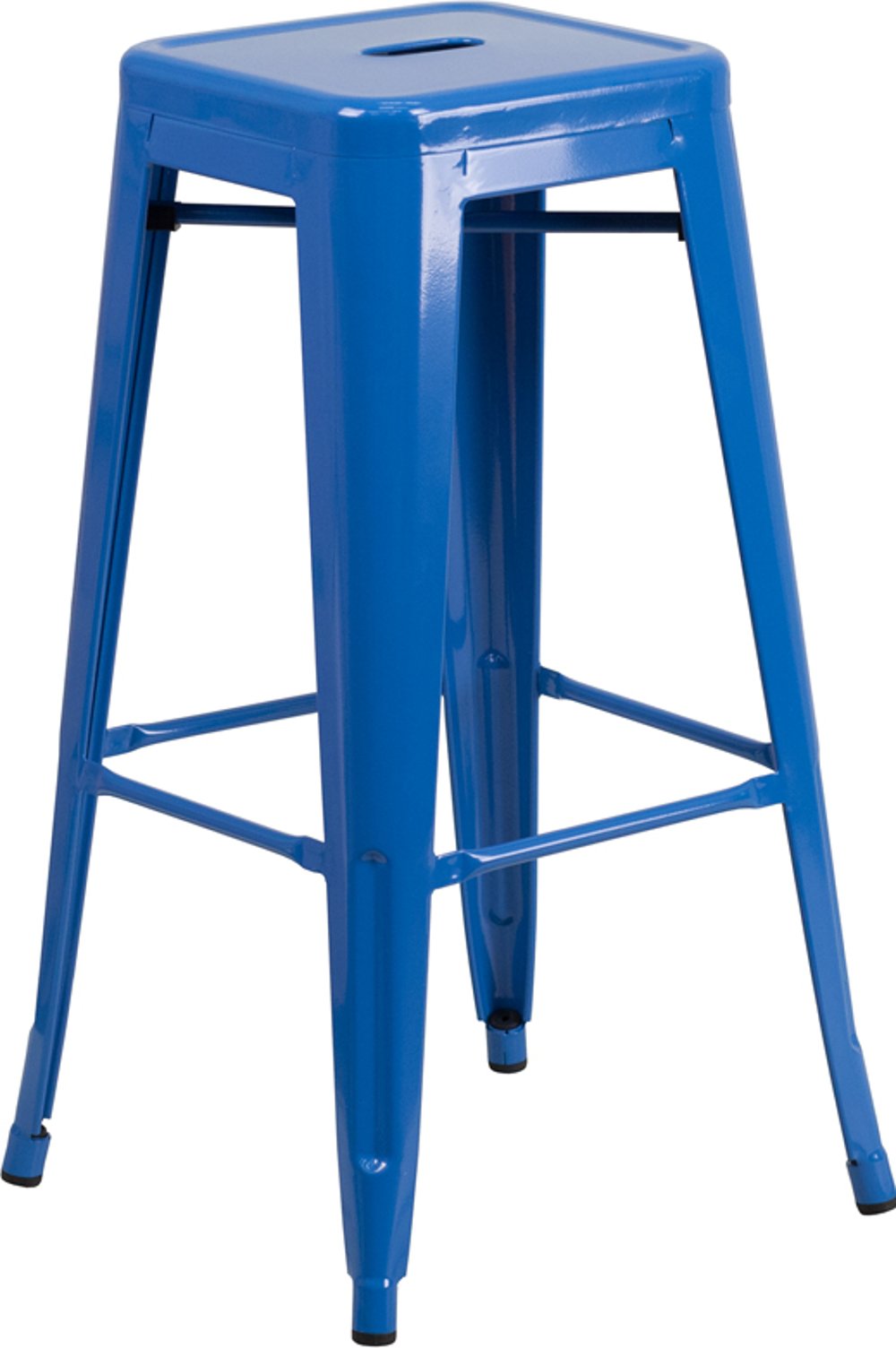
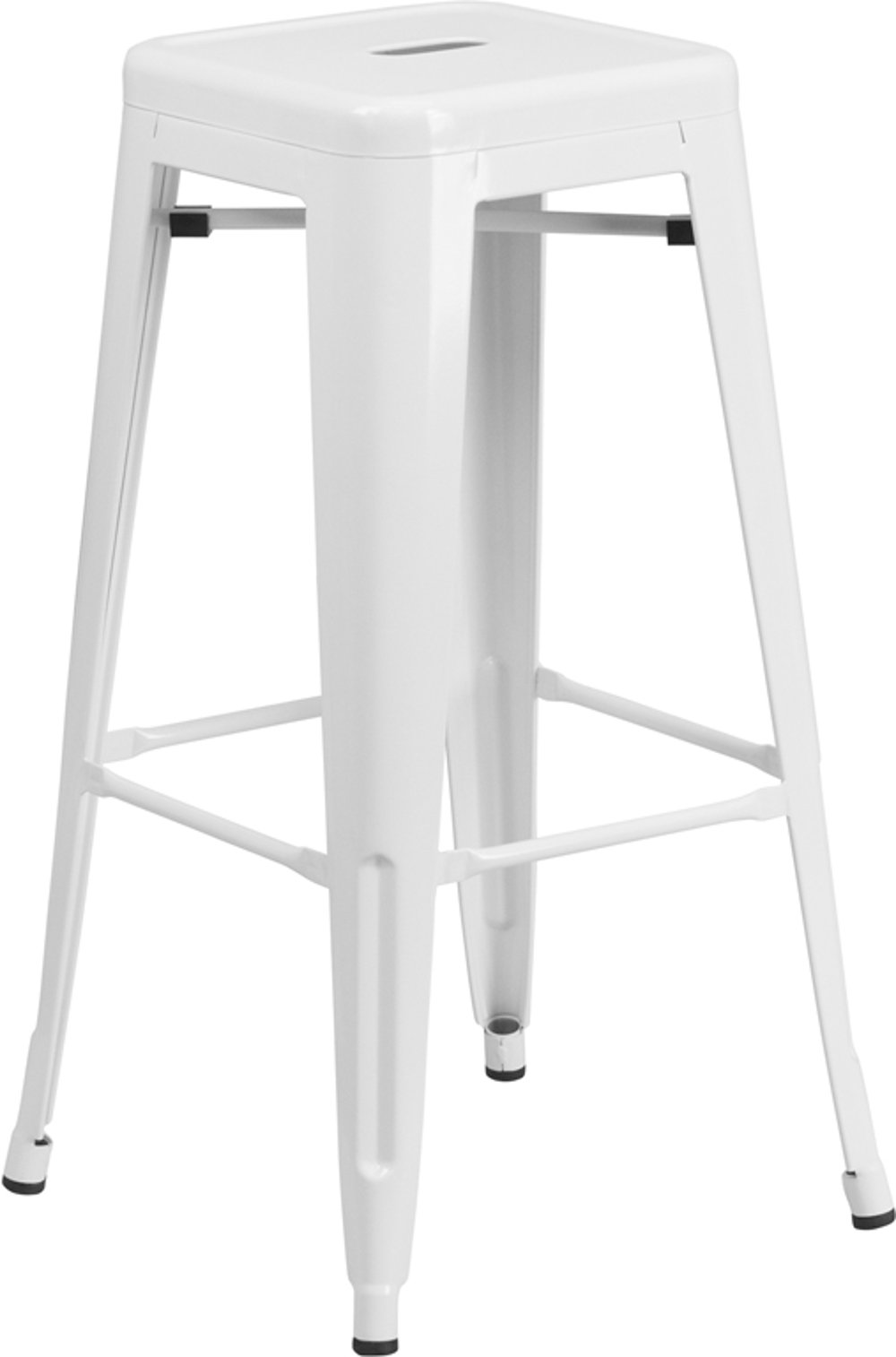
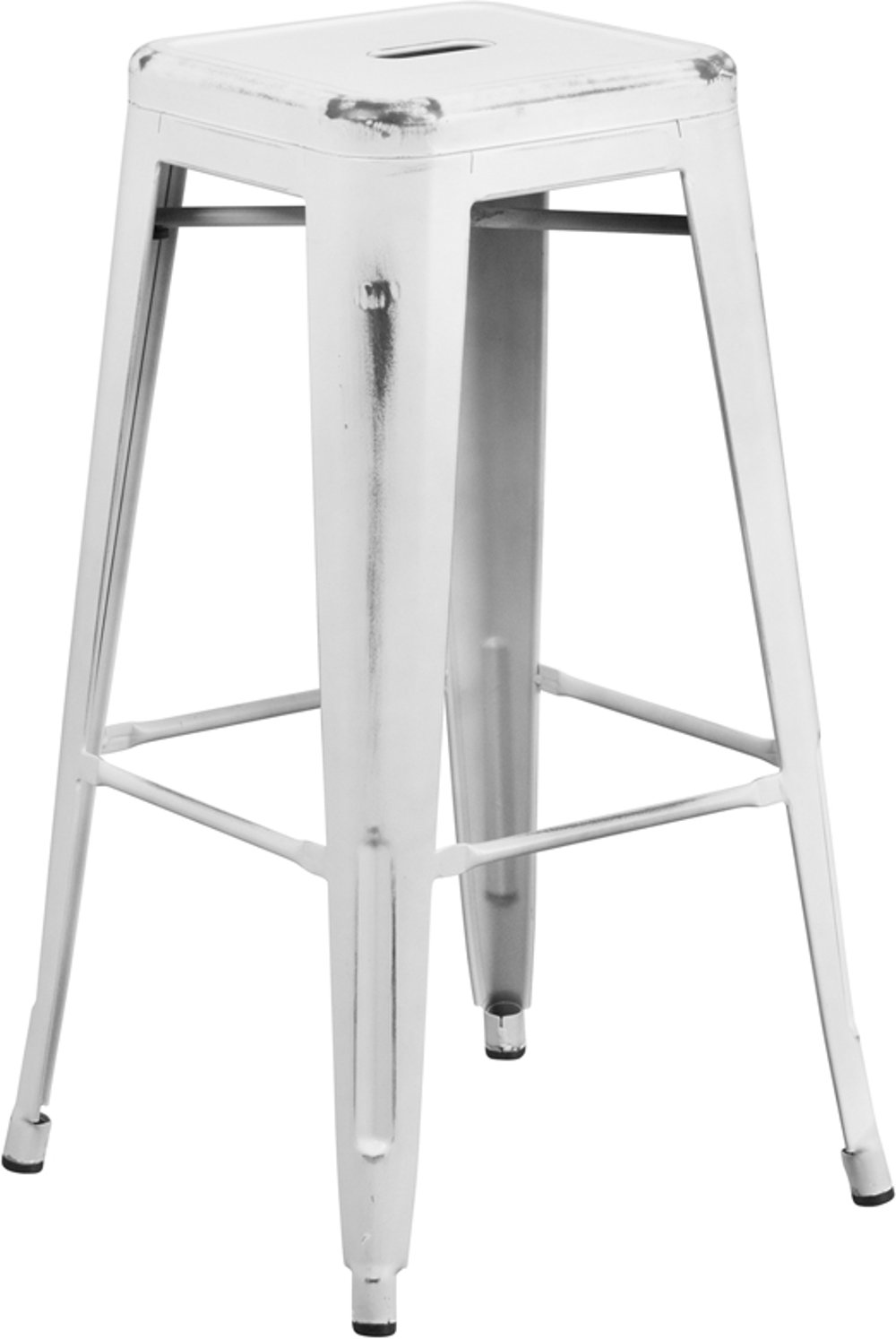
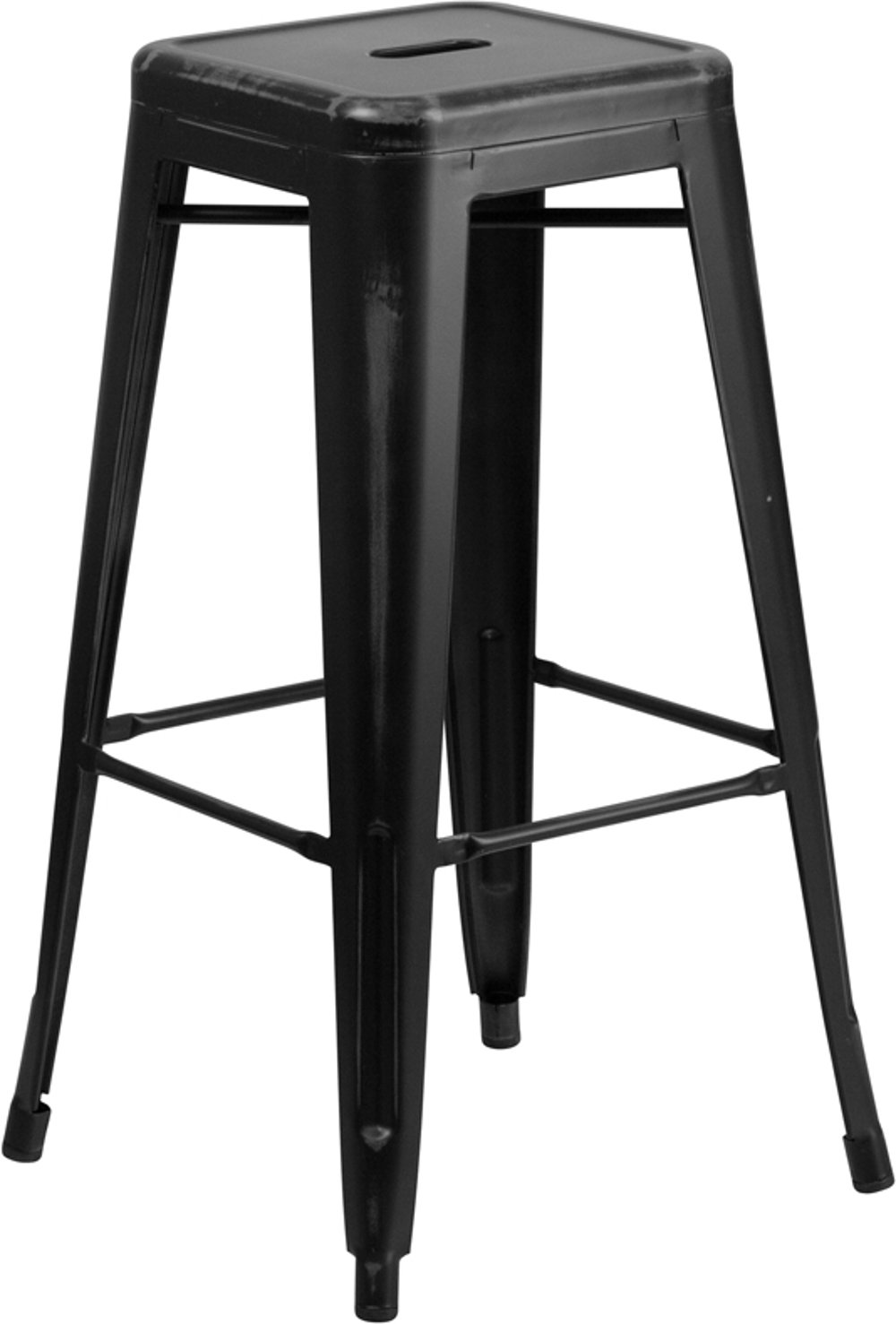
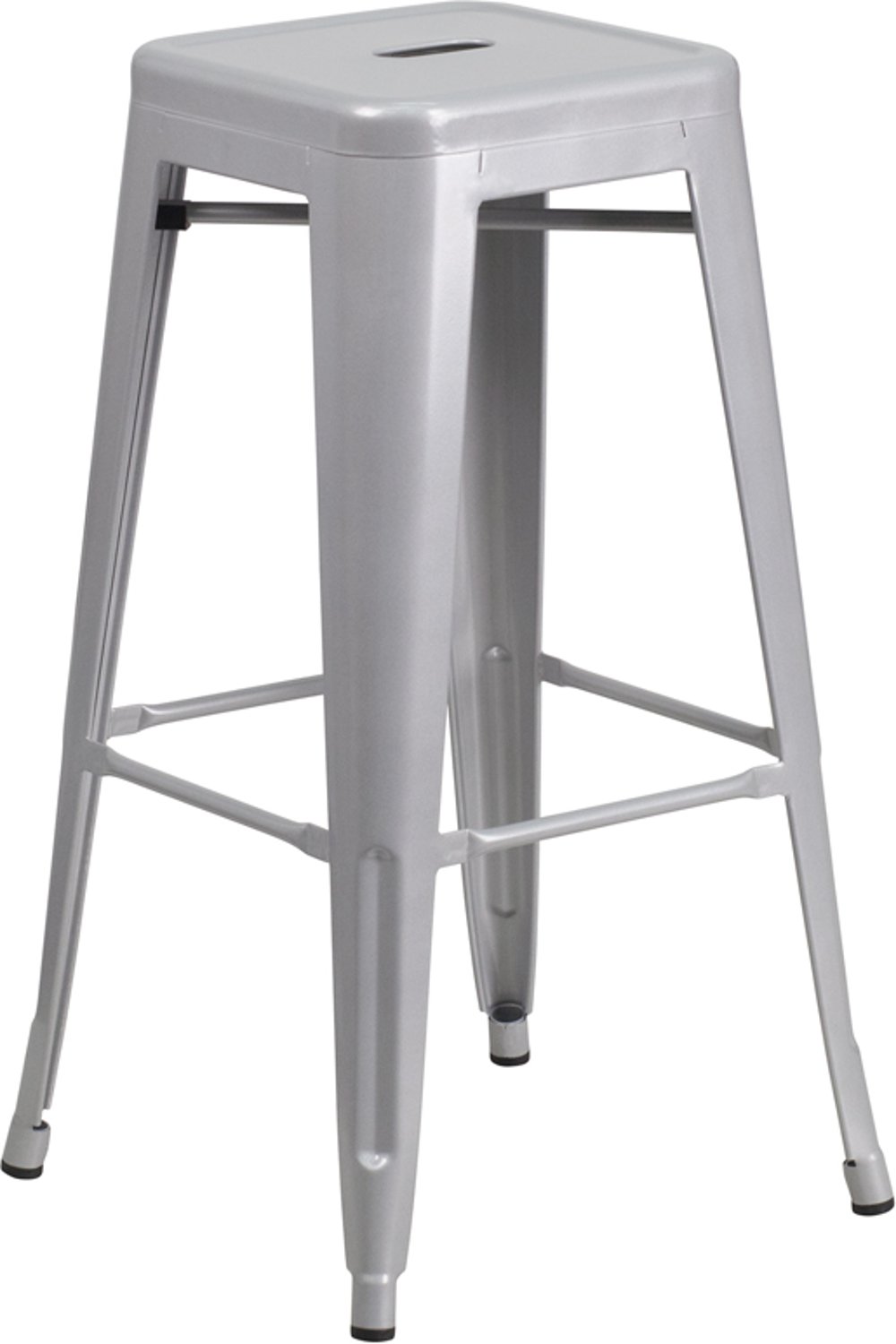
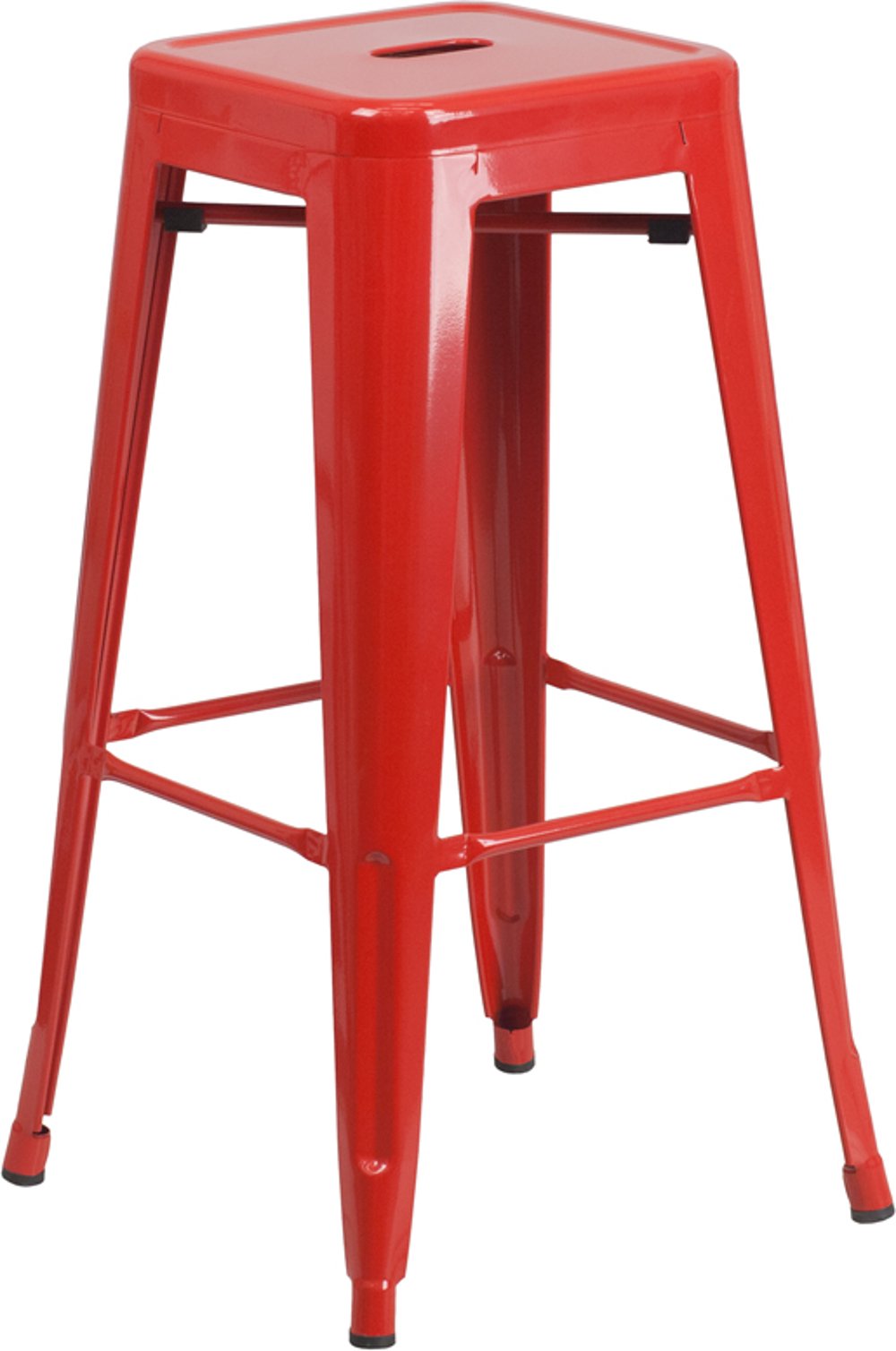
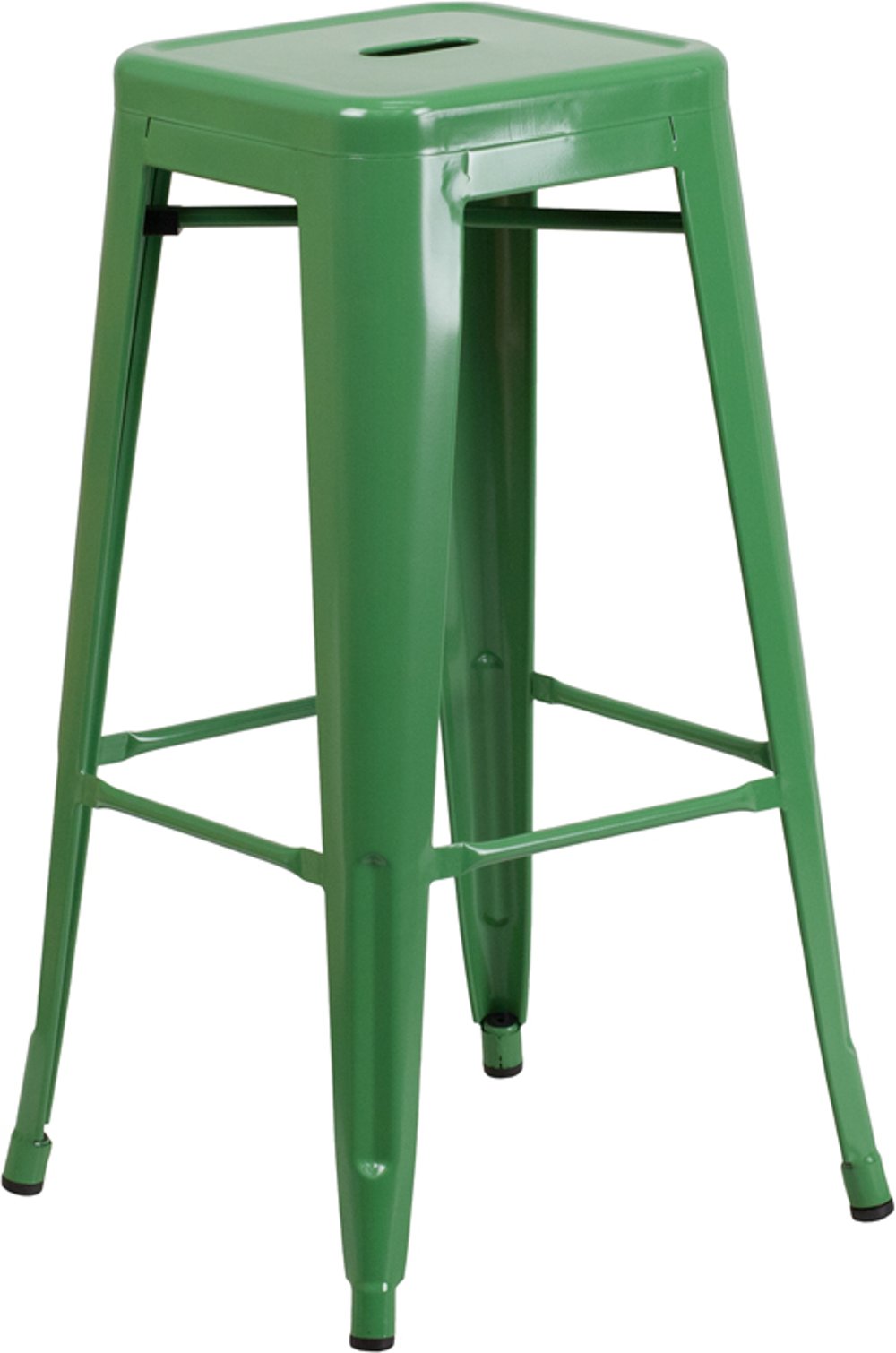
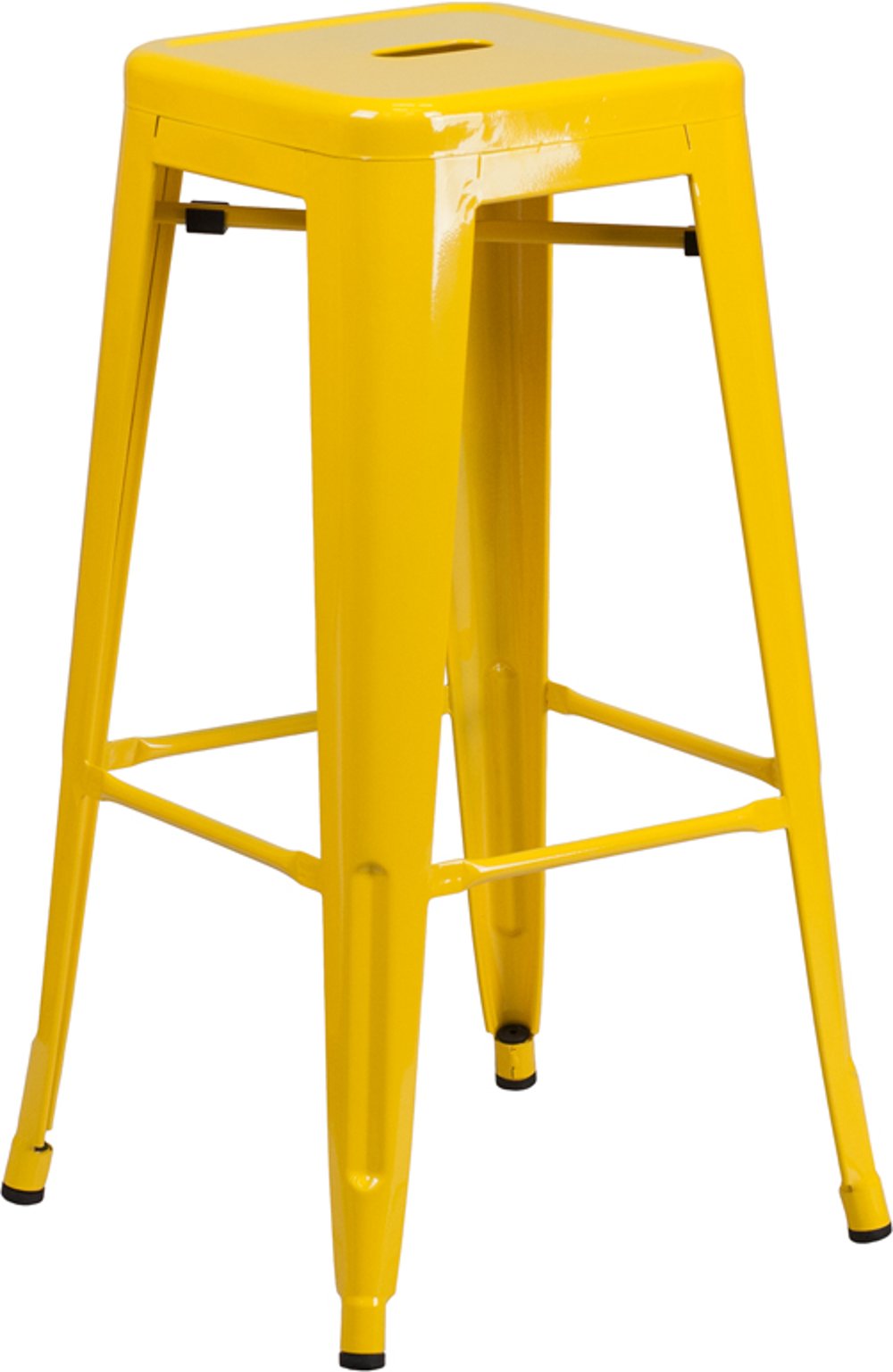
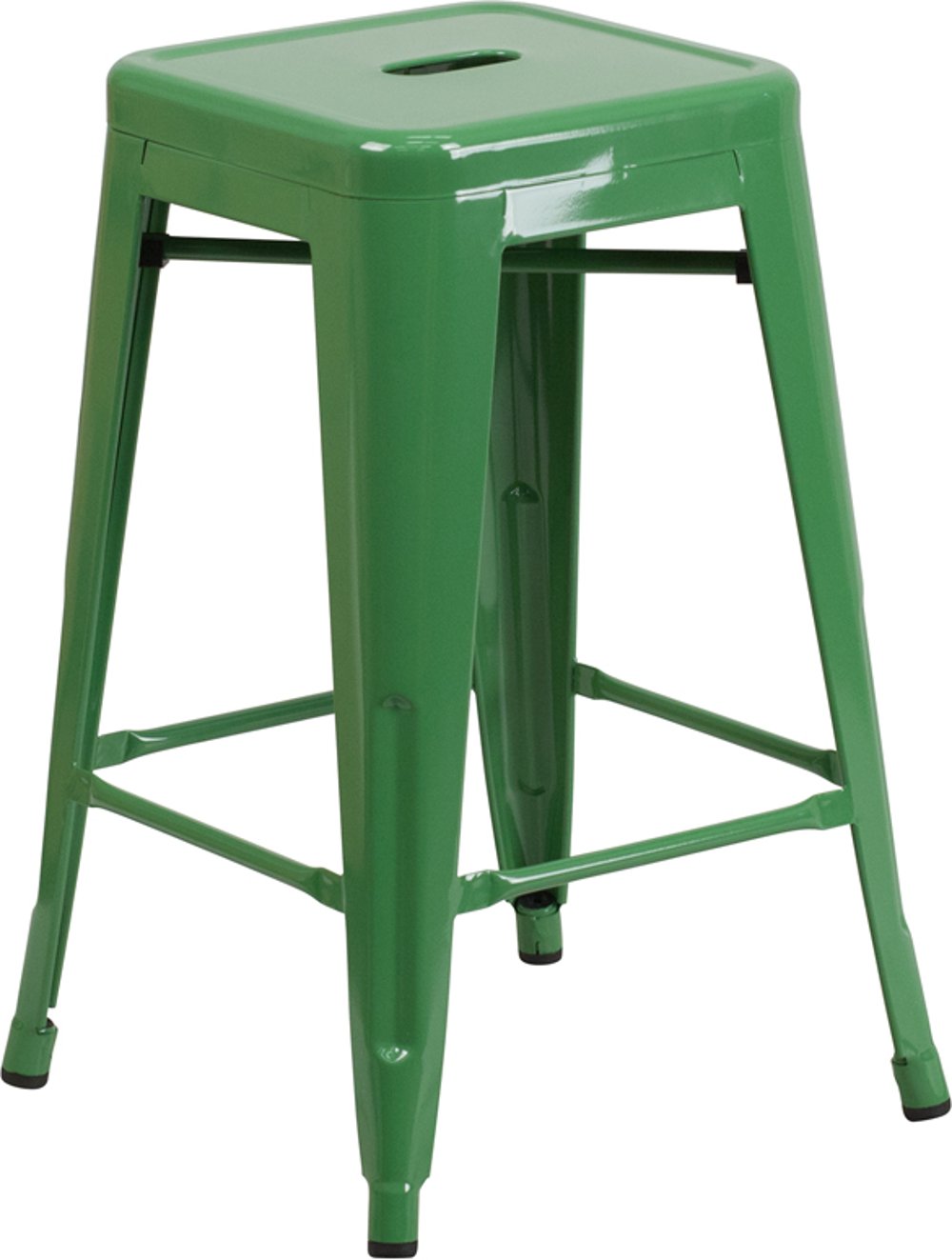
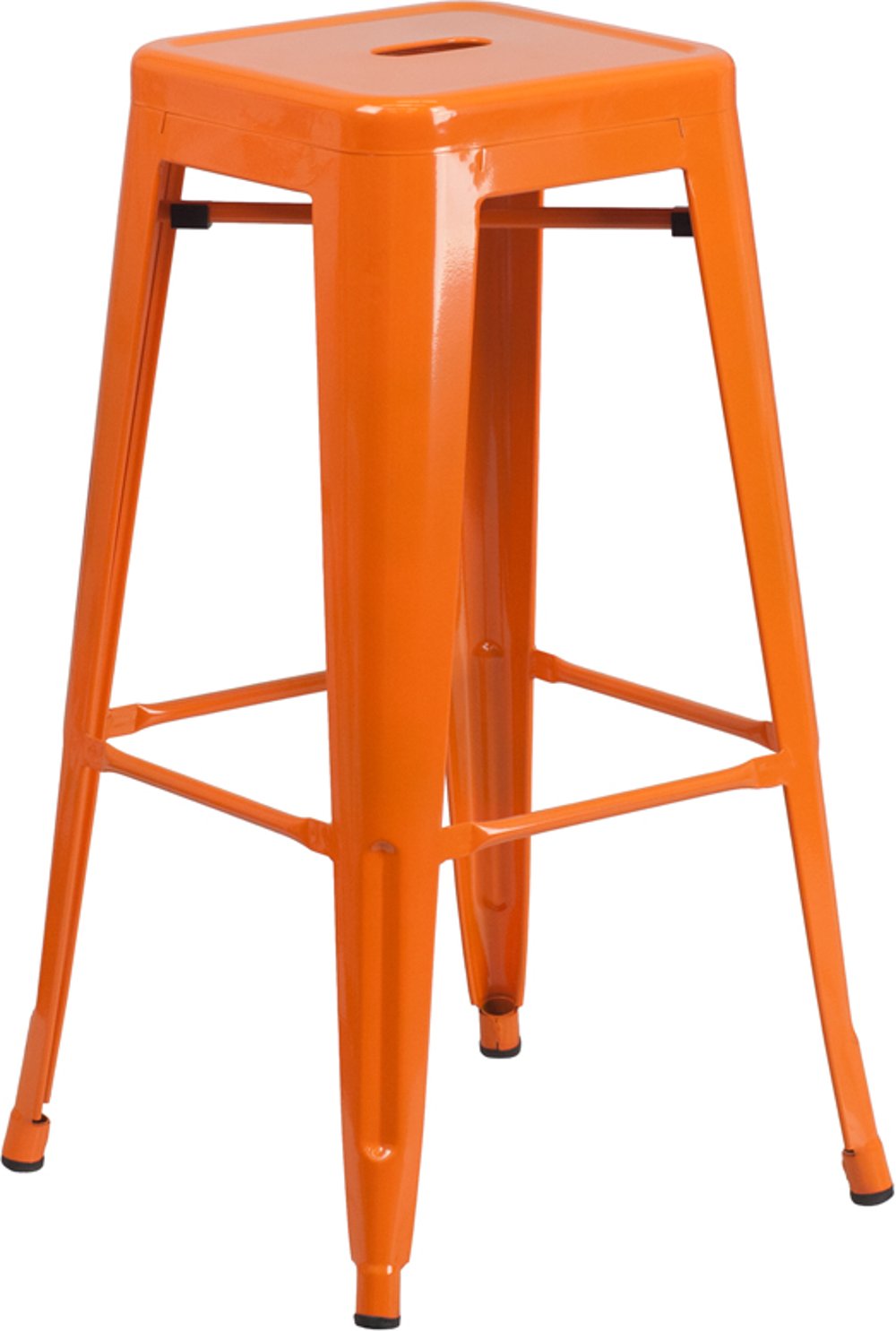
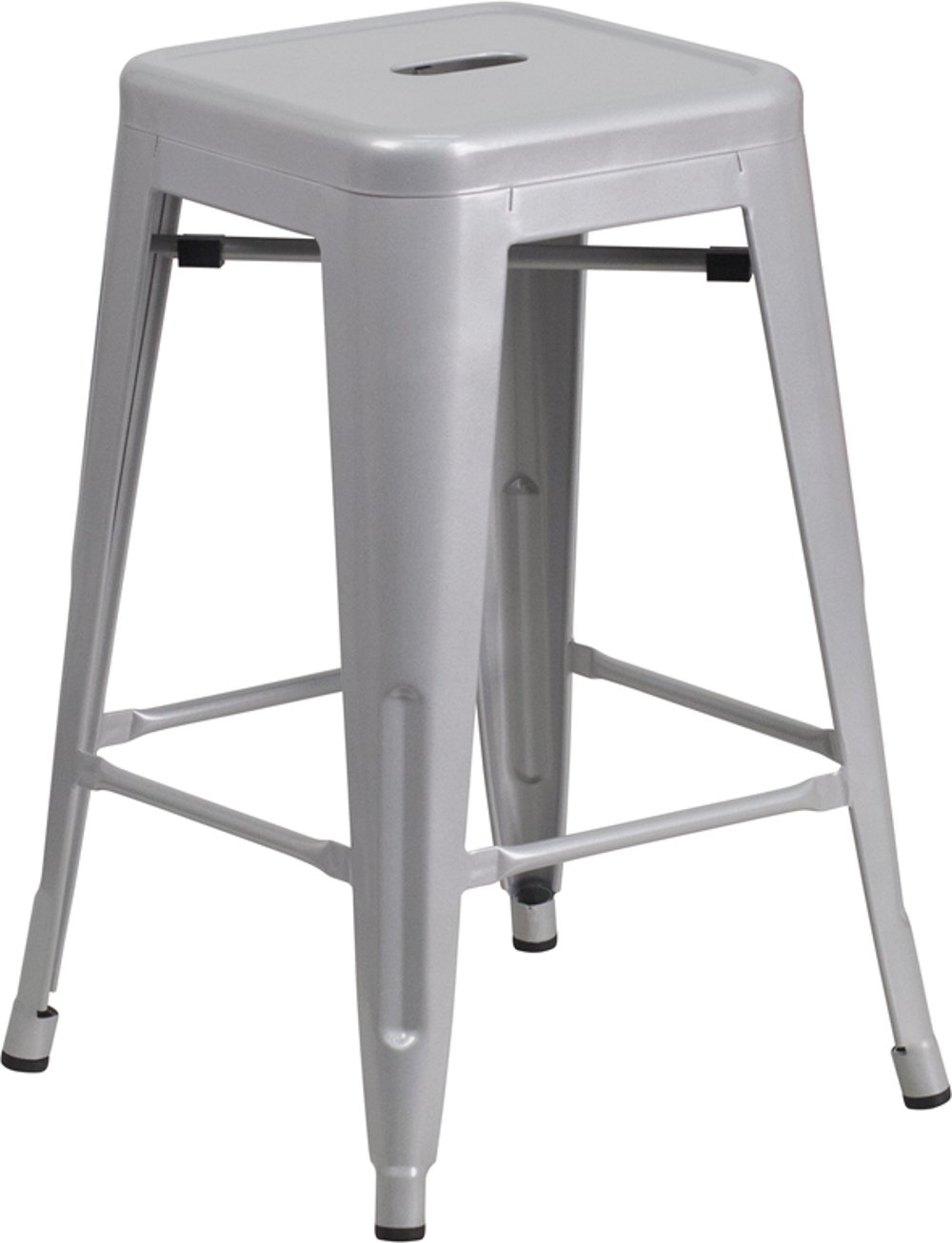
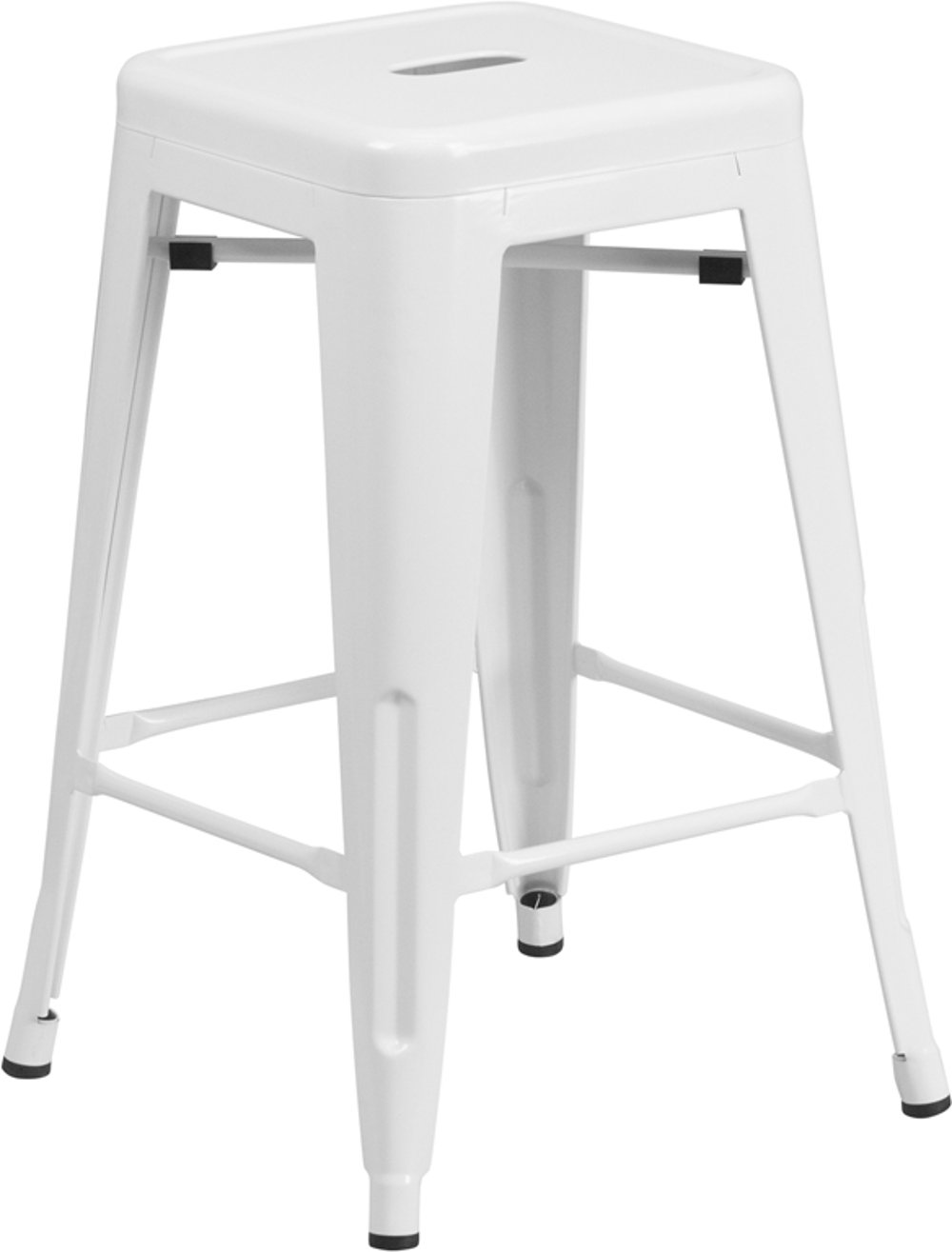
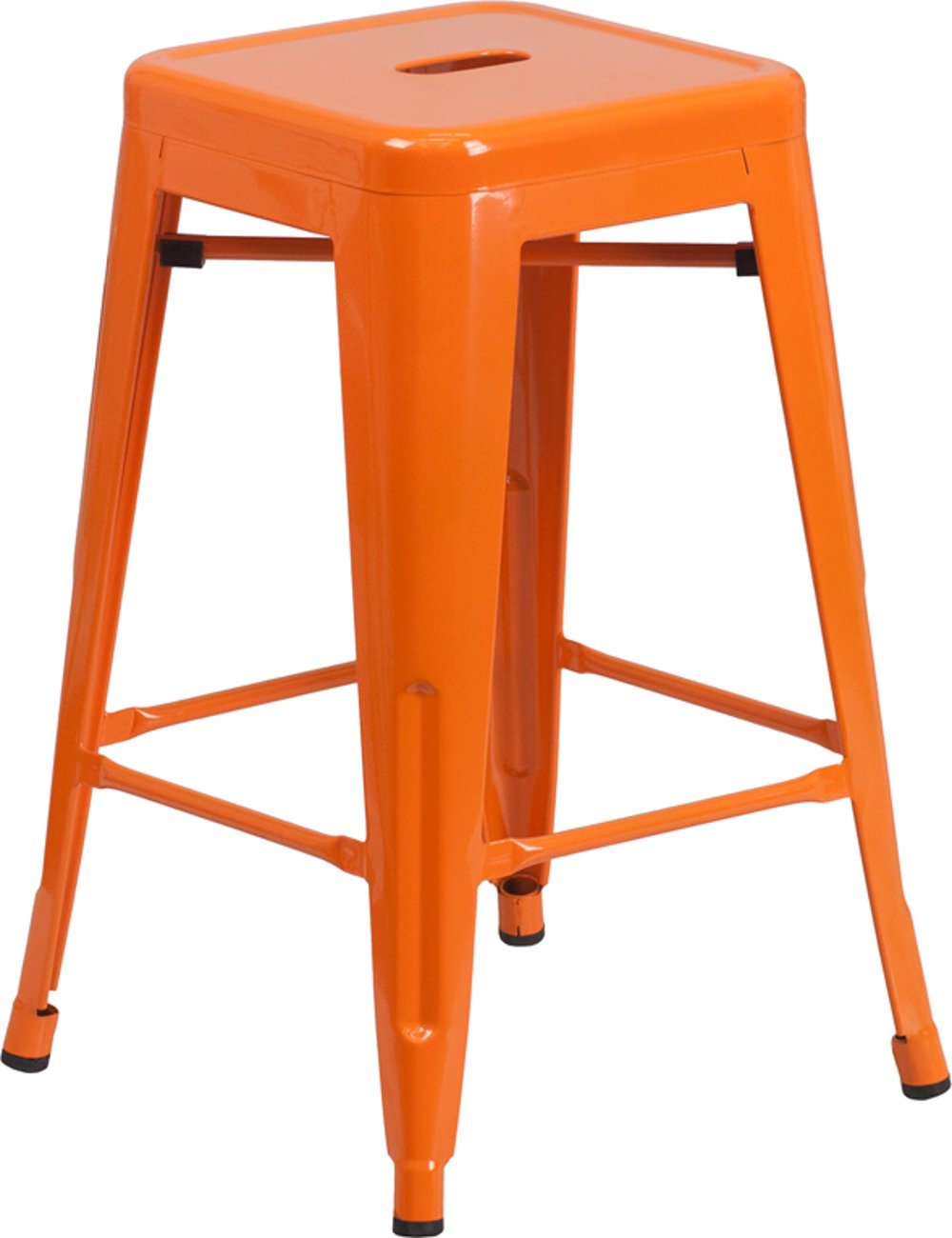
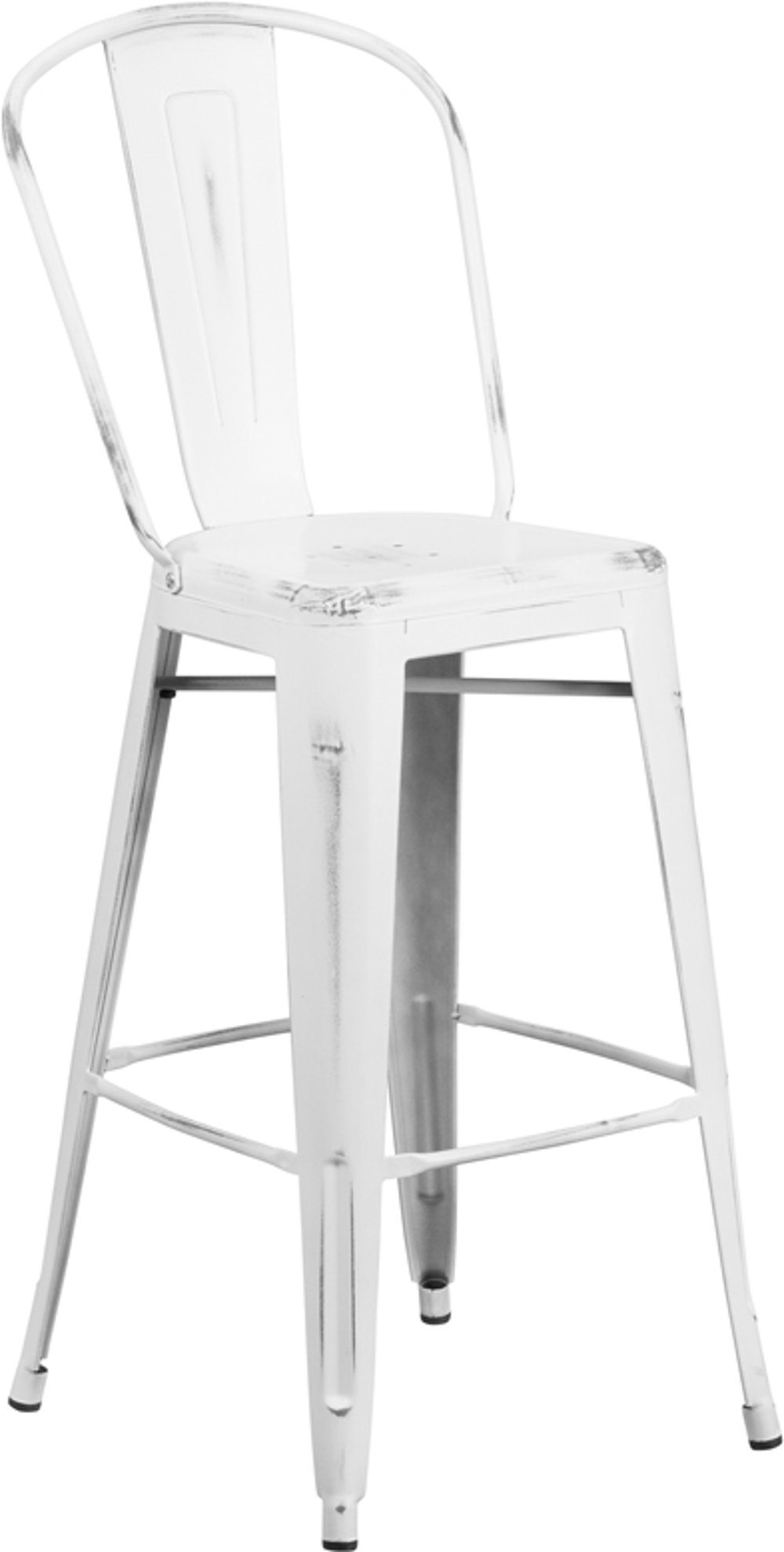
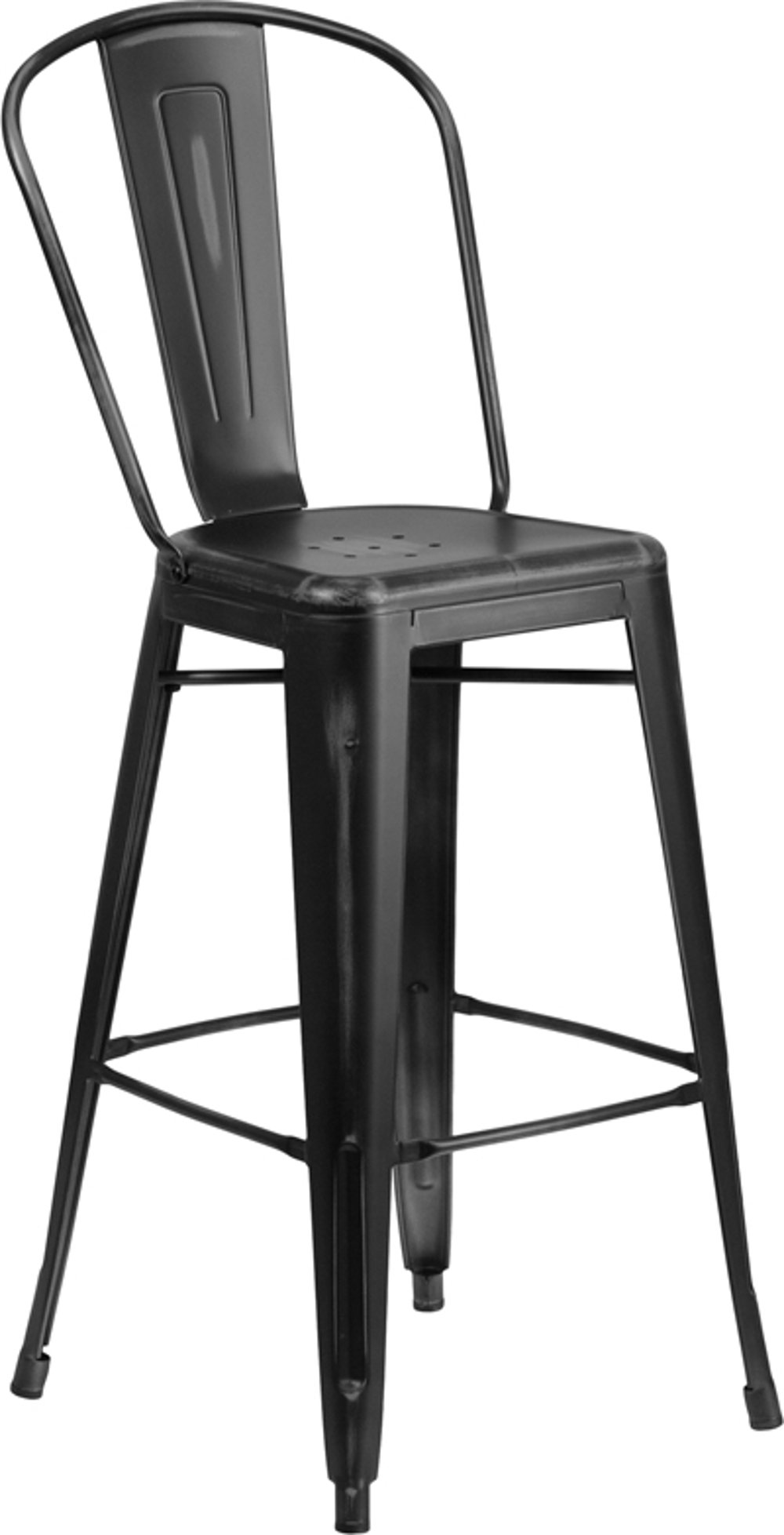
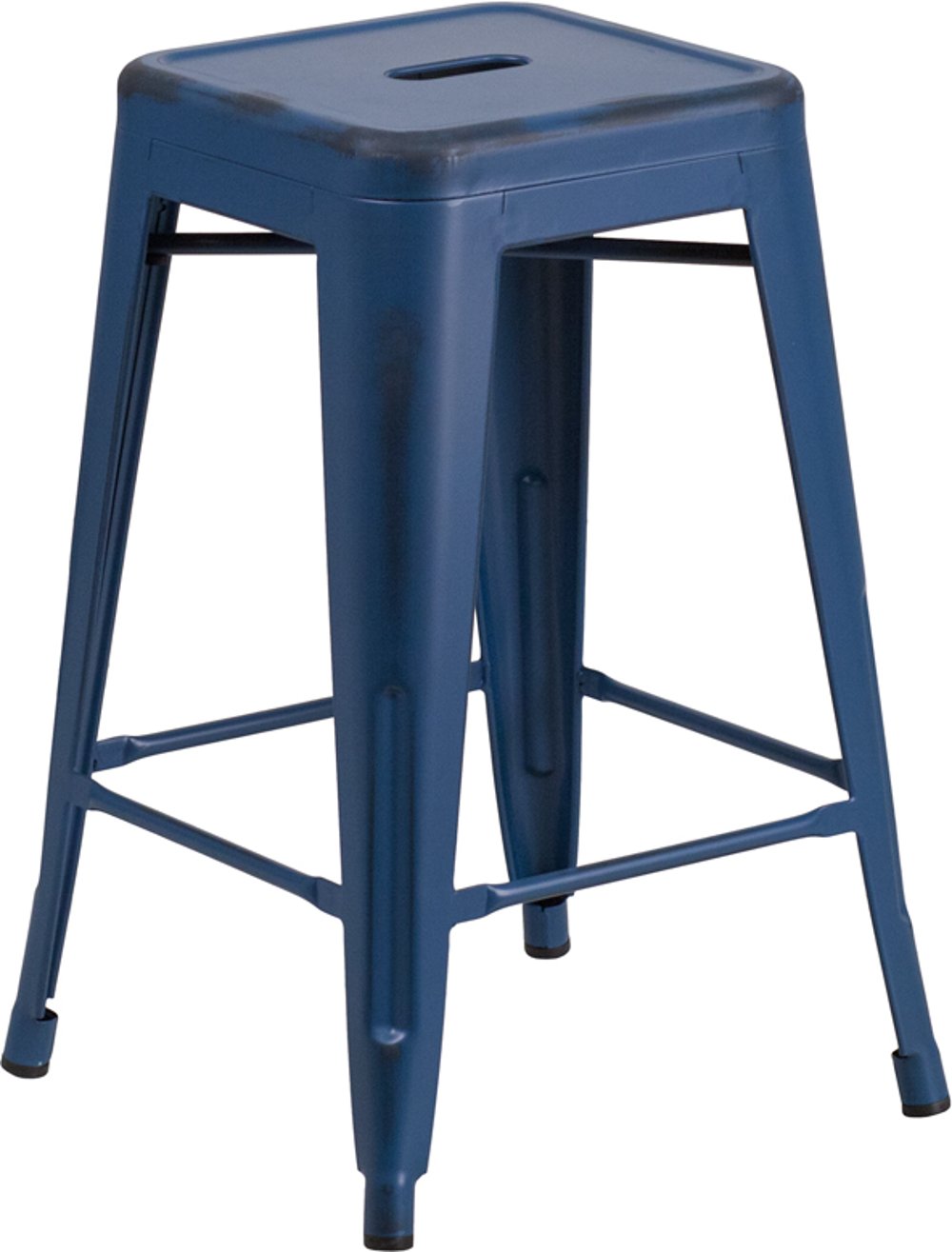
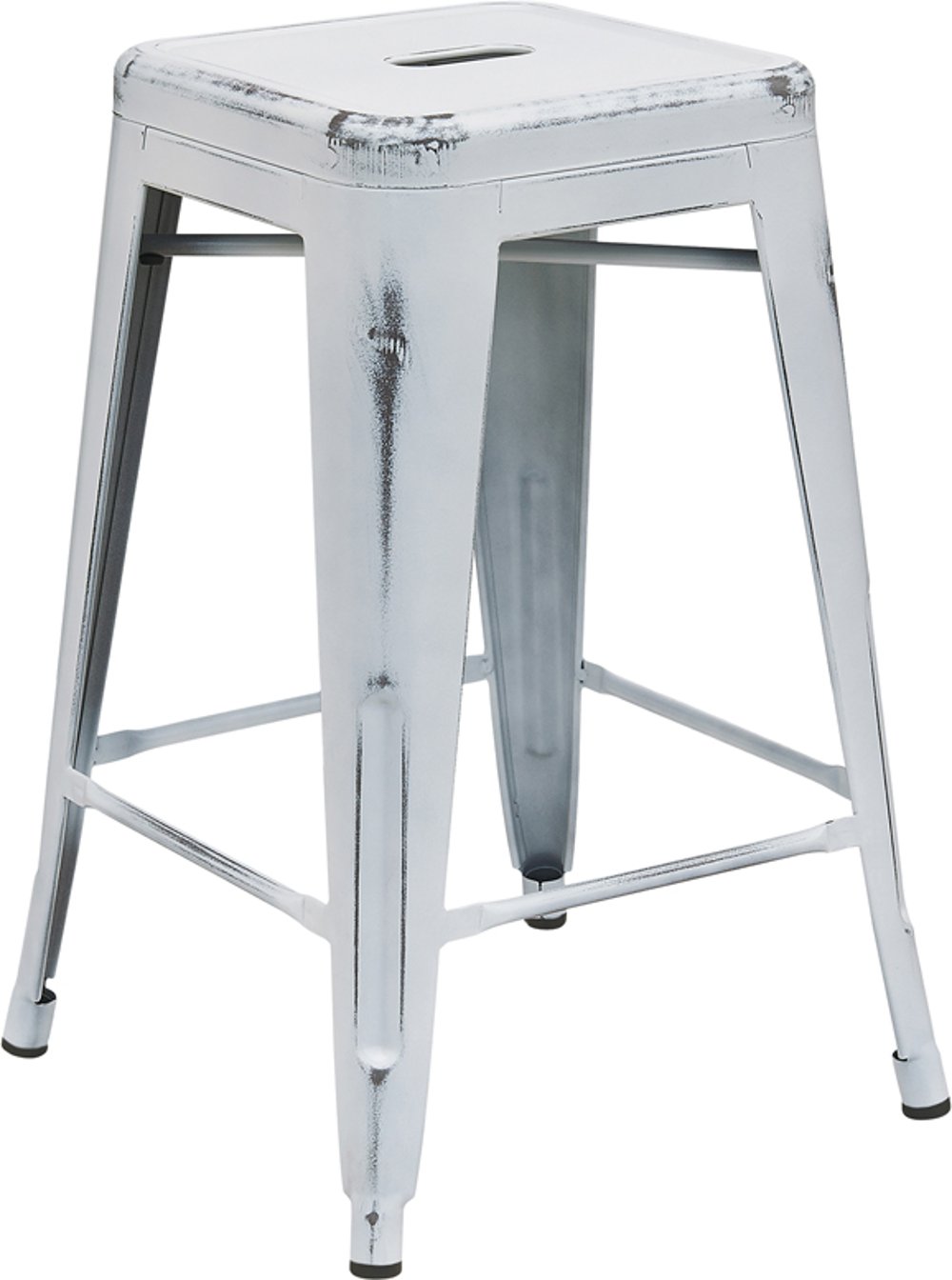
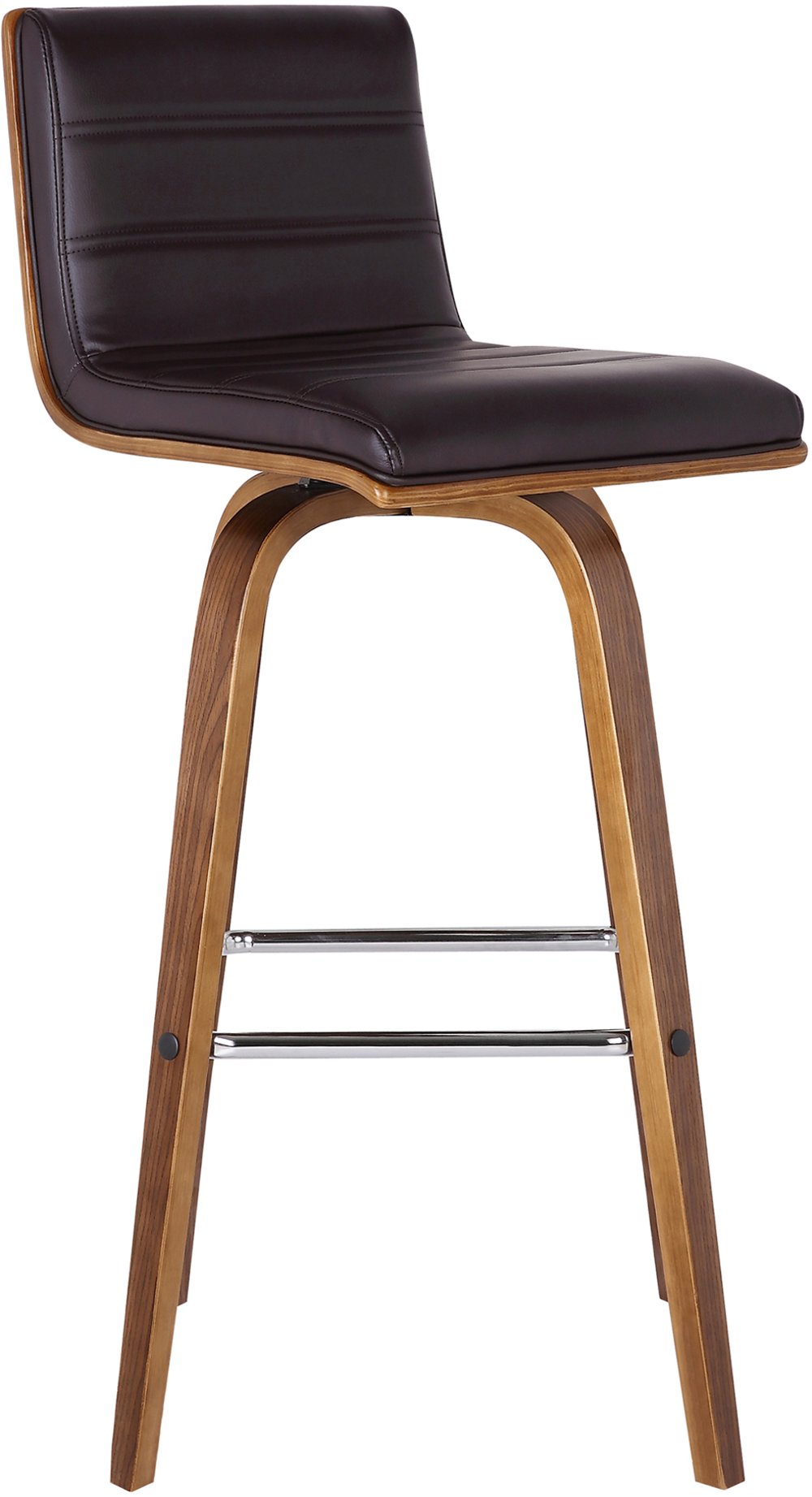
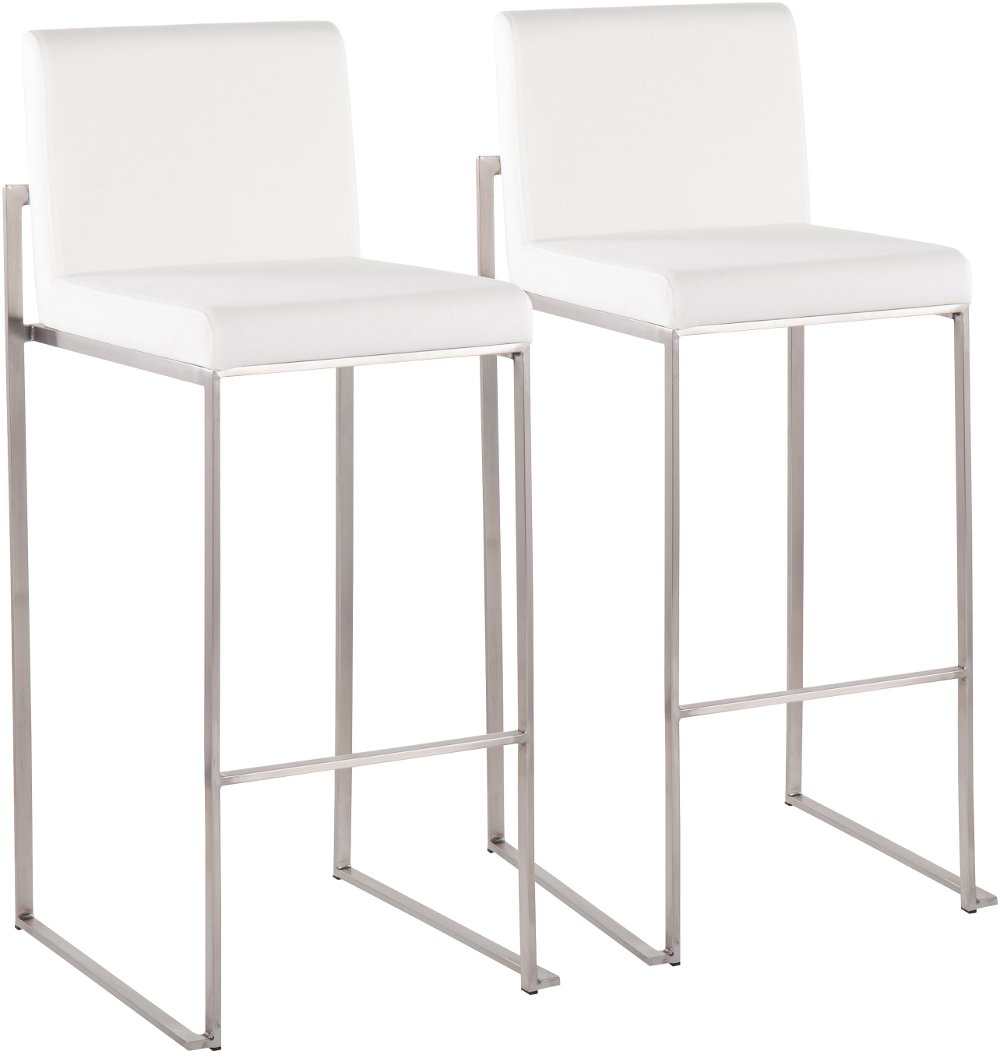
Finding new bar stools is a simple way to refresh the feel and function of a kitchen, dining area, home bar, or game room. The right stool can turn an unused counter into a comfortable place for morning coffee, homework, casual meals, or long conversations while dinner comes together. Before choosing a style, start with the measurement that matters most: seat height. Counter-height stools generally work best with counters and islands that stand about 35 to 39 inches high, and a seat height of roughly 24 to 27 inches usually leaves comfortable legroom. Bar-height stools are designed for taller surfaces around 40 to 43 inches high, with seat heights commonly ranging from 28 to 33 inches. Measure from the floor to the top of the counter or table, then allow about 9 to 12 inches between the seat and the underside of the surface. That open space helps everyone sit comfortably, whether they’re enjoying a quick breakfast or settling in for a board game during the cooler months. If your surface falls between standard heights, look closely at the listed seat dimensions instead of relying on the words “counter” or “bar” alone. It’s also helpful to measure the available floor space before ordering. Leave enough room for people to sit down, stand up, and move around the island without bumping into nearby cabinets or one another. For stools placed along a kitchen island, allow approximately 24 to 26 inches of width per seat for everyday comfort, with additional space when the stools have arms or wide backs. A smaller kitchen may feel more open with backless stools that tuck neatly under the counter, while a spacious entertaining area may benefit from supportive backs and generous cushioning. For a light, airy look, consider finishes such as White Barstools, which can brighten a breakfast nook and complement everything from warm wood cabinetry to clean, contemporary finishes.
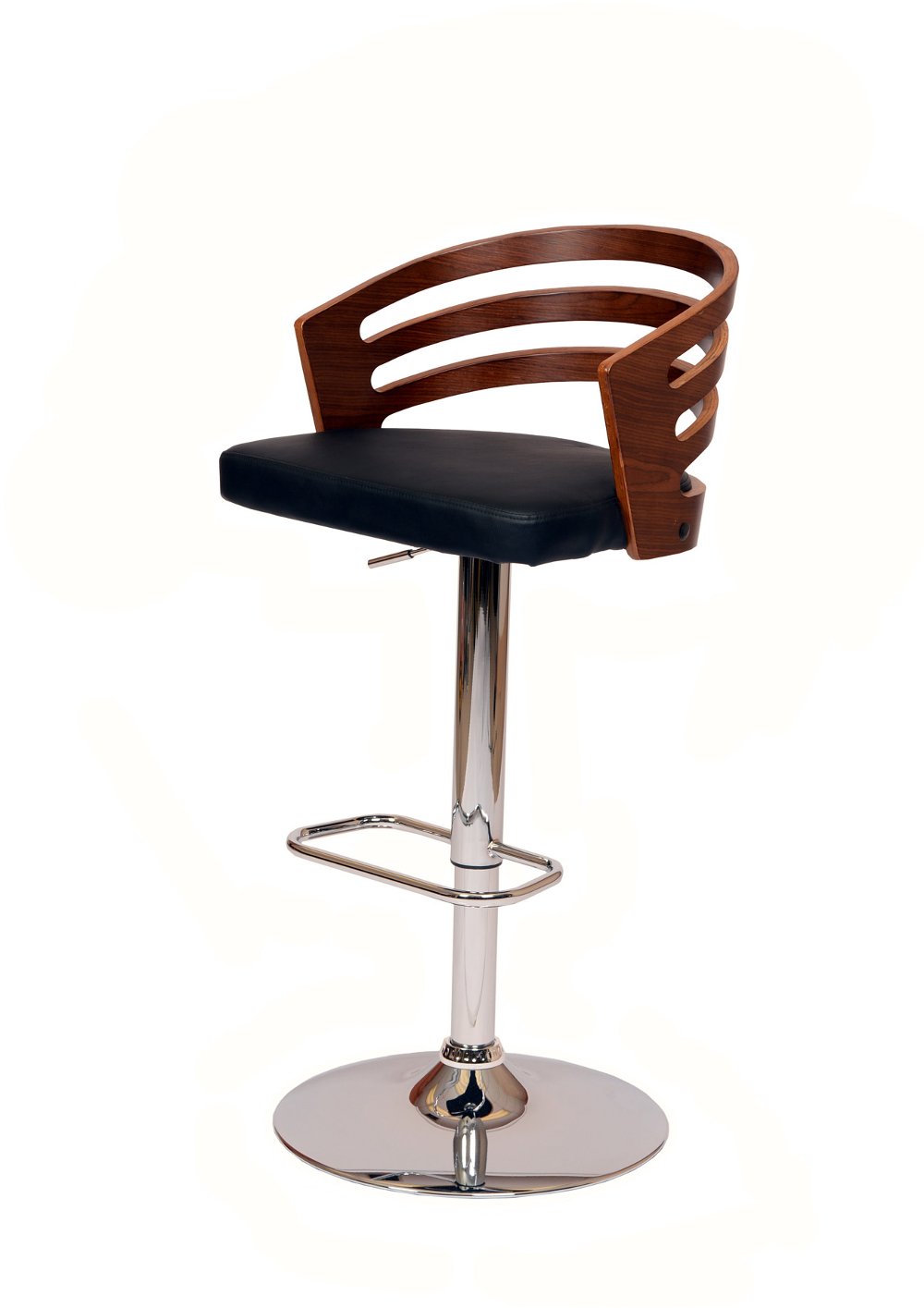
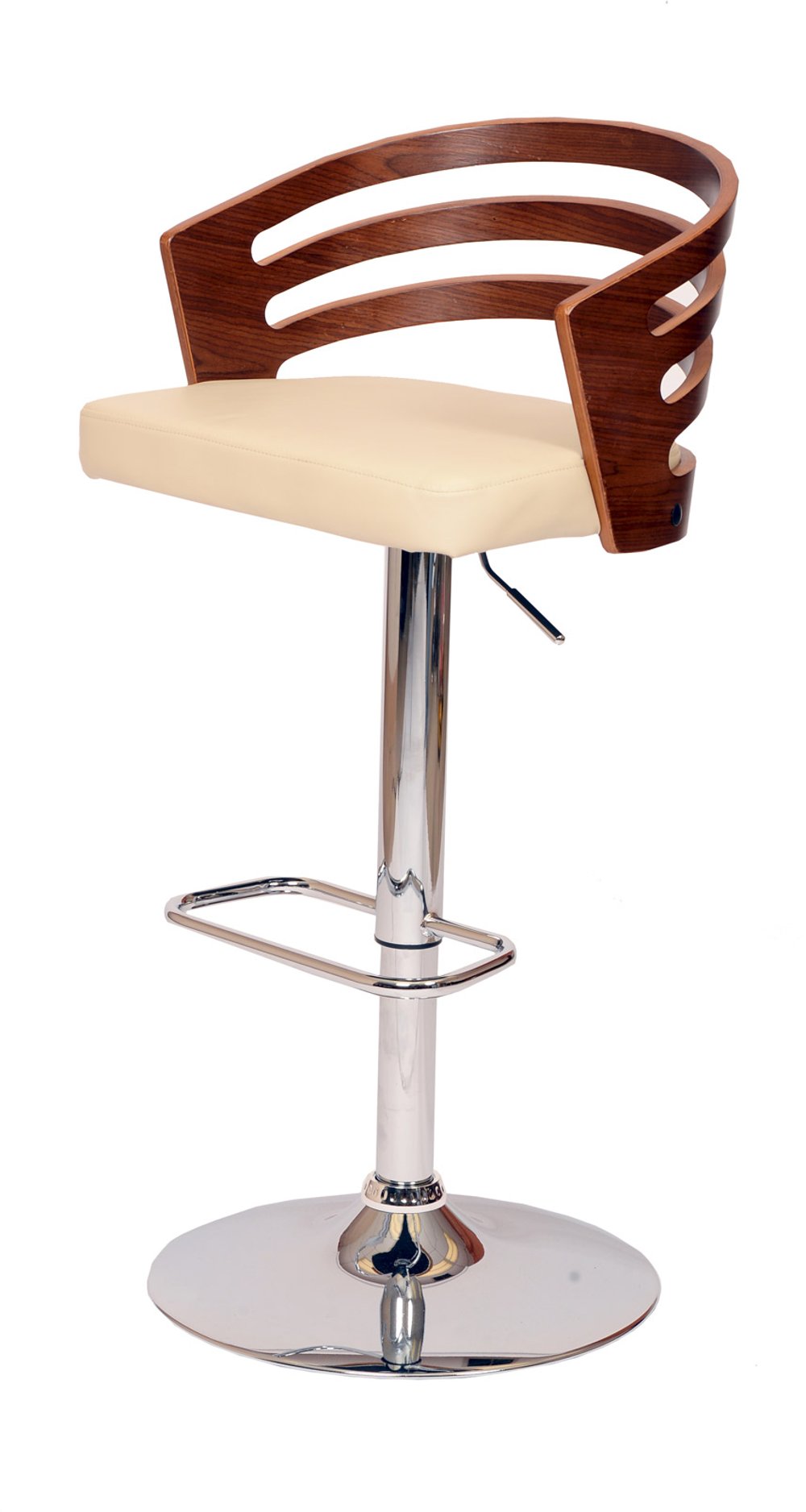
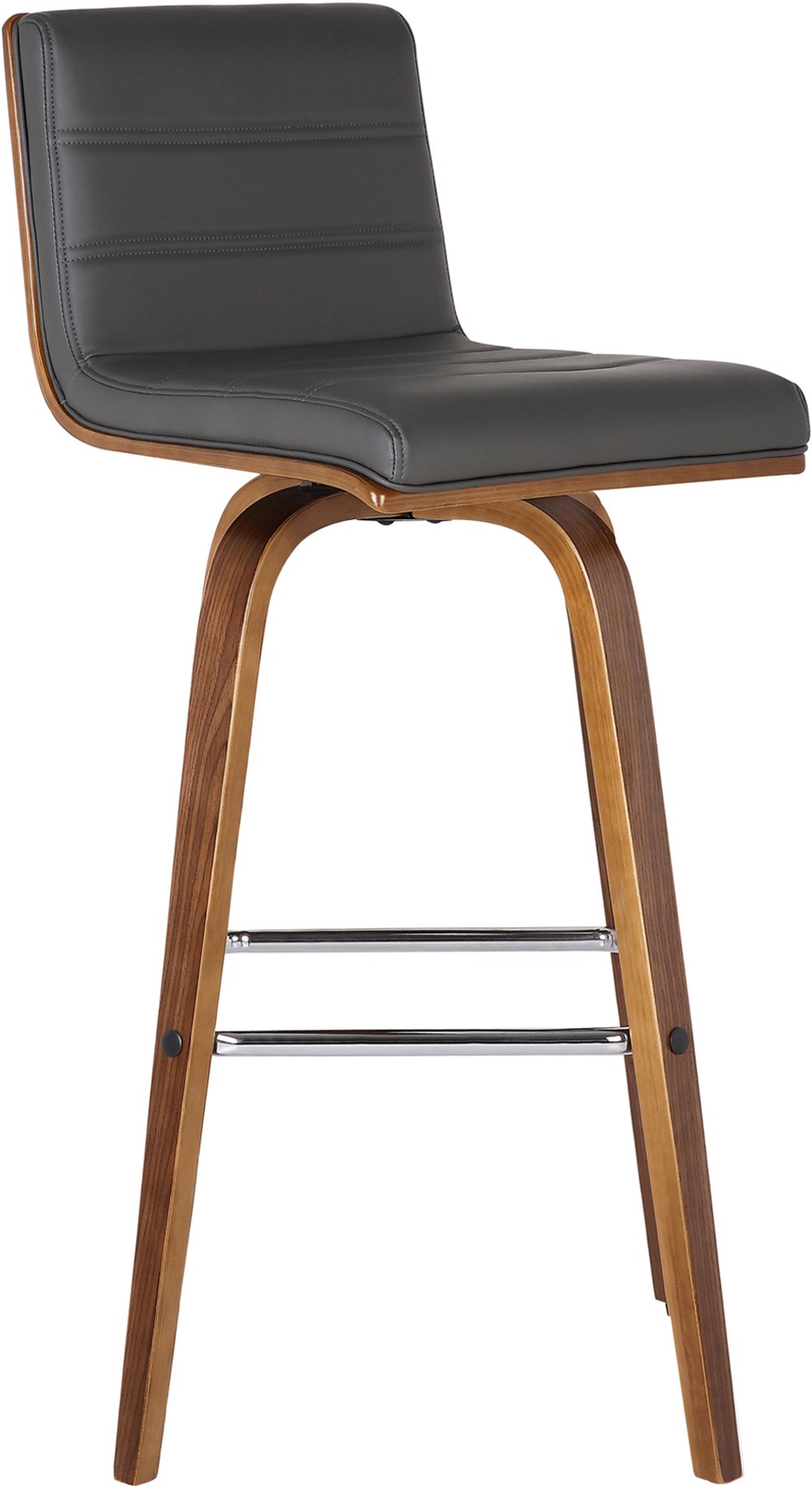
Style and construction help determine how your new bar stools will fit into daily life. Backless designs keep sightlines clear and are easy to slide beneath an island when the kitchen needs extra walking space. Low-back stools offer a little more support without creating a visually heavy row, making them a practical middle ground for open-concept rooms. High-back stools feel more like dining chairs and can be especially comfortable for extended seating, such as weekend brunches, family game nights, or conversations that last long after the dishes are cleared. Swivel stools make it easy to turn toward the person beside you, watch a meal being prepared, or step away from the counter without dragging the entire stool across the floor. Some swivel designs return to their original position after use, helping a busy kitchen look orderly throughout the day. Stationary stools provide a solid, familiar feel and may suit households that prefer a straightforward design with fewer moving parts. Upholstered seats add softness and can make a hard kitchen surface feel more welcoming, while wipeable vinyl or faux-leather upholstery offers a practical surface for homes with children, pets, or frequent entertaining. Fabric can bring color and texture to a room, though it may call for more careful cleaning. Wood frames add natural warmth and pair comfortably with farmhouse, traditional, coastal, and transitional interiors. Metal frames can create a sleek, modern look and provide sturdy support for everyday use. When comparing materials, think beyond appearance. Consider how much sunlight reaches the area, whether spills are likely, how often the stools will move, and whether the space serves as a family command center. A stool that looks beautiful in a quiet breakfast nook may need different features when it sits beside a busy island where backpacks, grocery bags, and snack plates gather.
New bar stools can be a thoughtful addition for many types of homes and make a useful gift for someone settling into a new space, updating a kitchen, or creating a more inviting area for guests. They’re especially helpful in homes where the kitchen island serves several purposes at once: a place for children to color, a workstation for remote work, a perch for a cup of tea, and a gathering spot when friends visit. For a first apartment, a pair of compact stools can add seating without taking up the room required for a full dining set. In a newly renovated kitchen, coordinated stools can bring the island and surrounding furnishings together, while a mix of finishes can give a more collected, personal appearance. Think about who will use the seats most often. A family with young children may appreciate rounded edges, stable bases, and easy-care upholstery. Someone who enjoys hosting may prefer swivel seating with supportive backs so guests can comfortably face one another. A person with a smaller dining area may value stools that tuck completely beneath the counter, preserving valuable walking space. Footrests are worth considering, too; they provide a natural place to rest your feet and make taller seating feel more relaxed. Check the stool’s overall dimensions, weight capacity, assembly requirements, and care instructions so the choice feels right for the room and the people using it. During warmer weather, bar stools can make an outdoor-inspired breakfast area or open kitchen feel ready for relaxed gatherings, while during the cooler months they create a cozy place to enjoy soup, cocoa, or a quiet meal near the heart of the home. Whether your taste leans toward clean lines, warm wood, cushioned comfort, or a blend of materials, the best new bar stools support the way you already live and make everyday moments at the counter feel a little more comfortable.
Read More