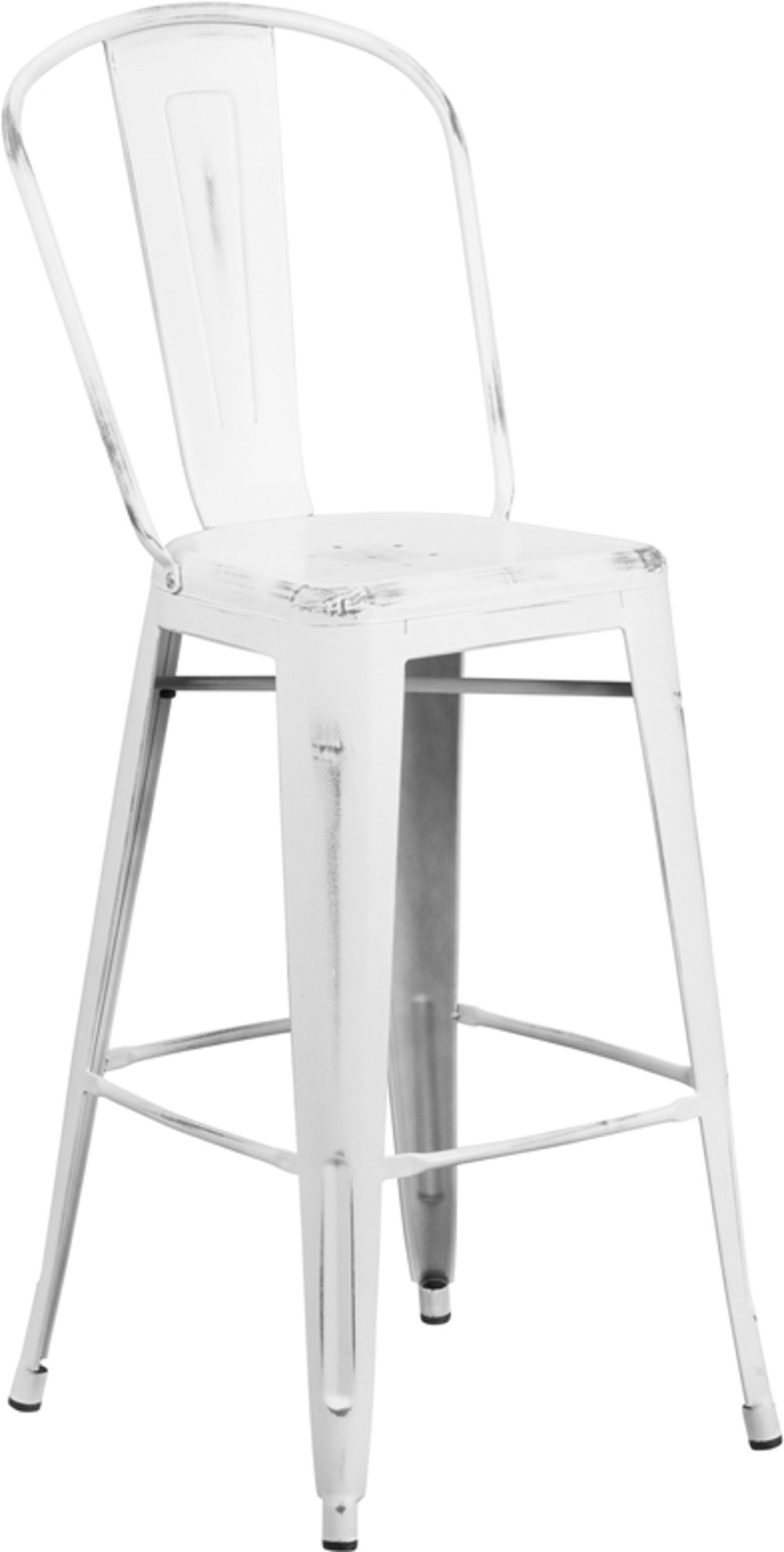
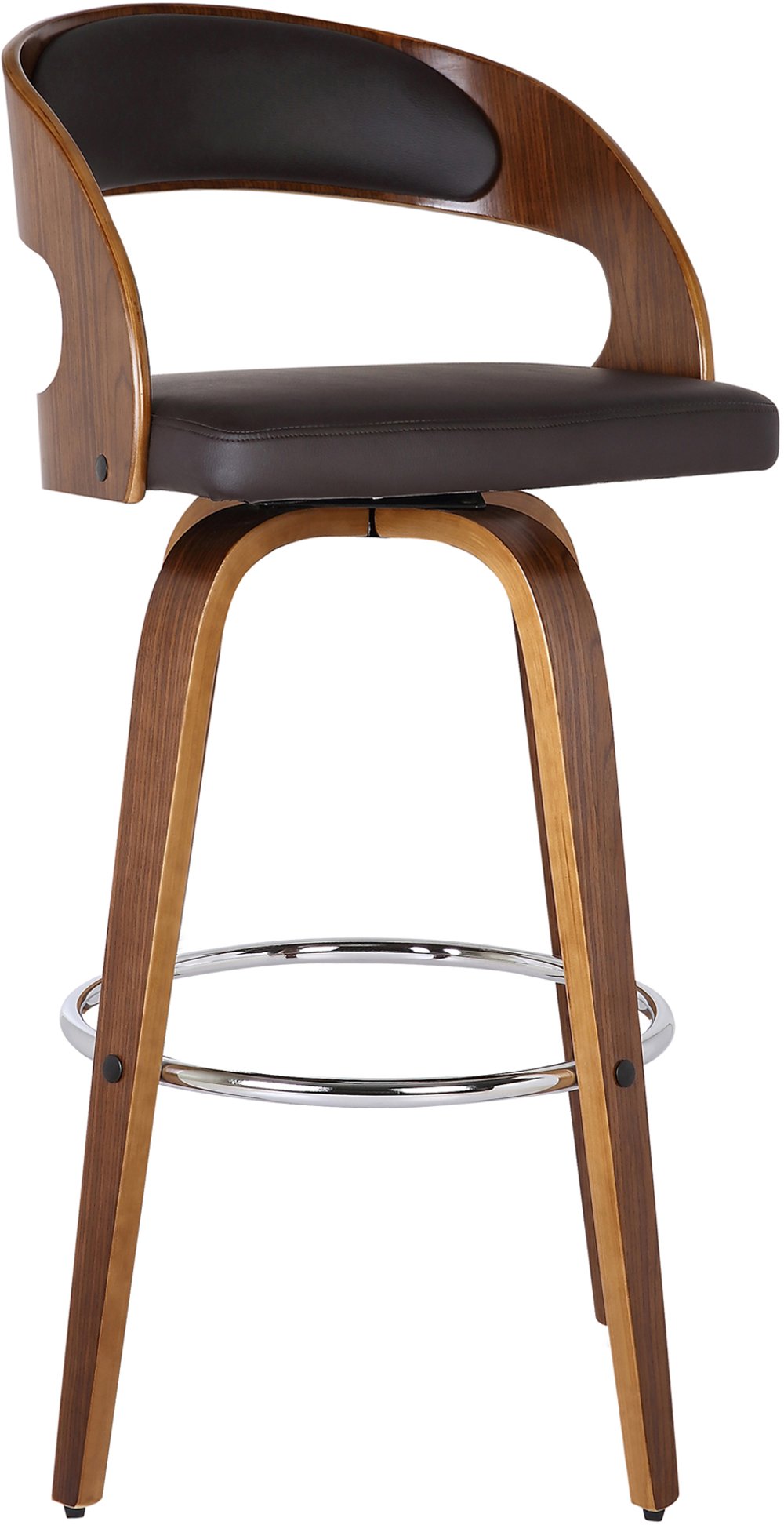
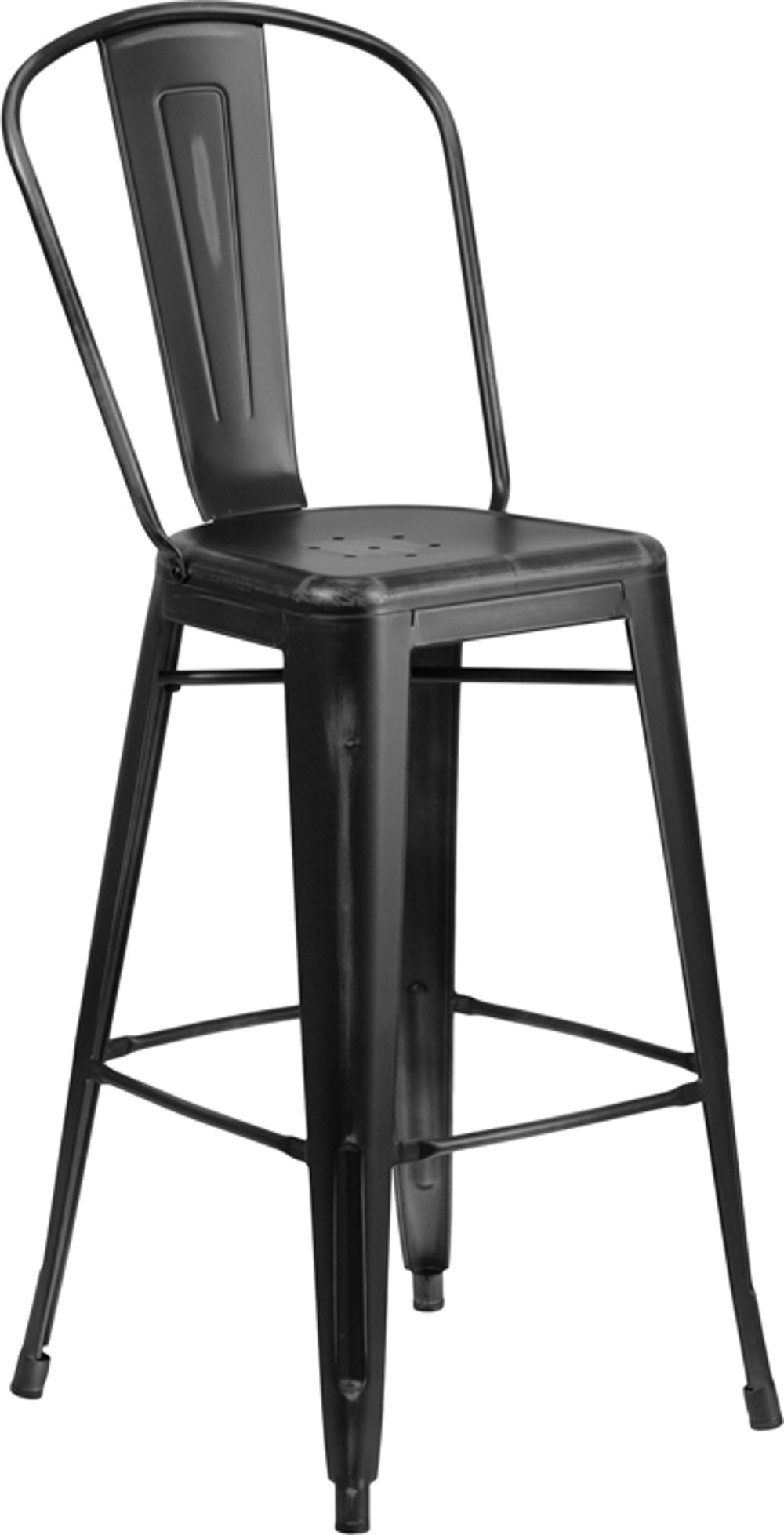
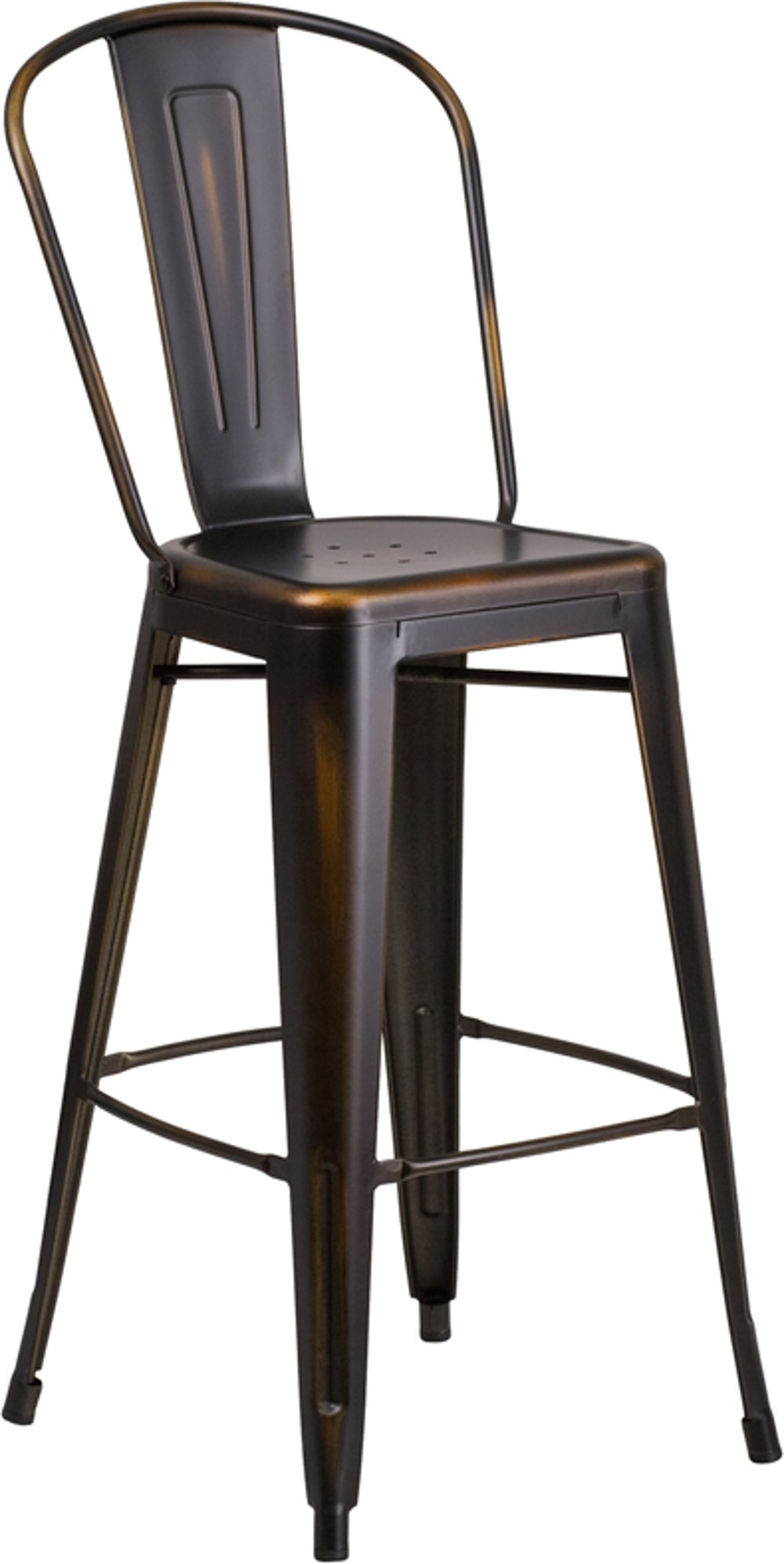
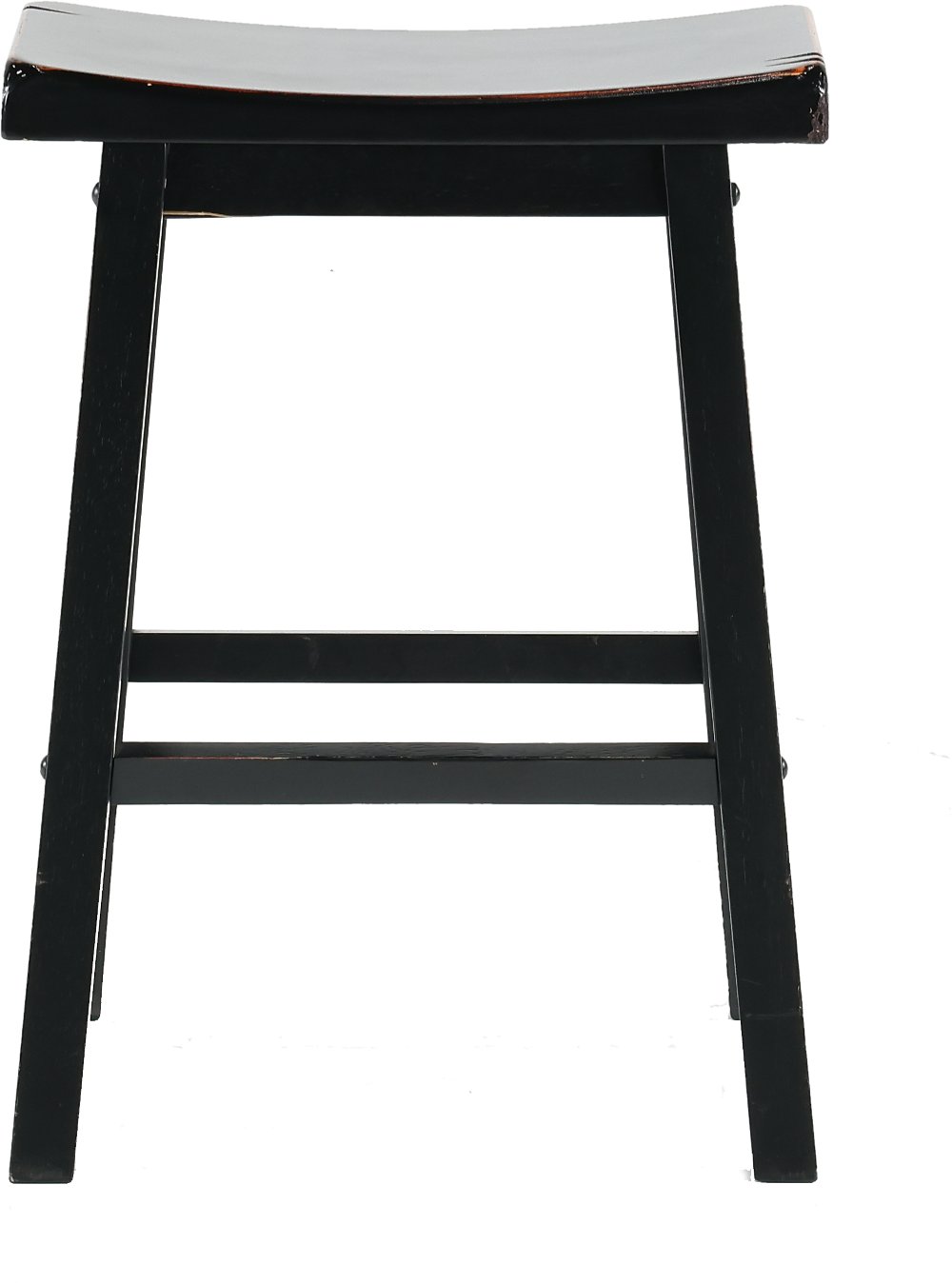
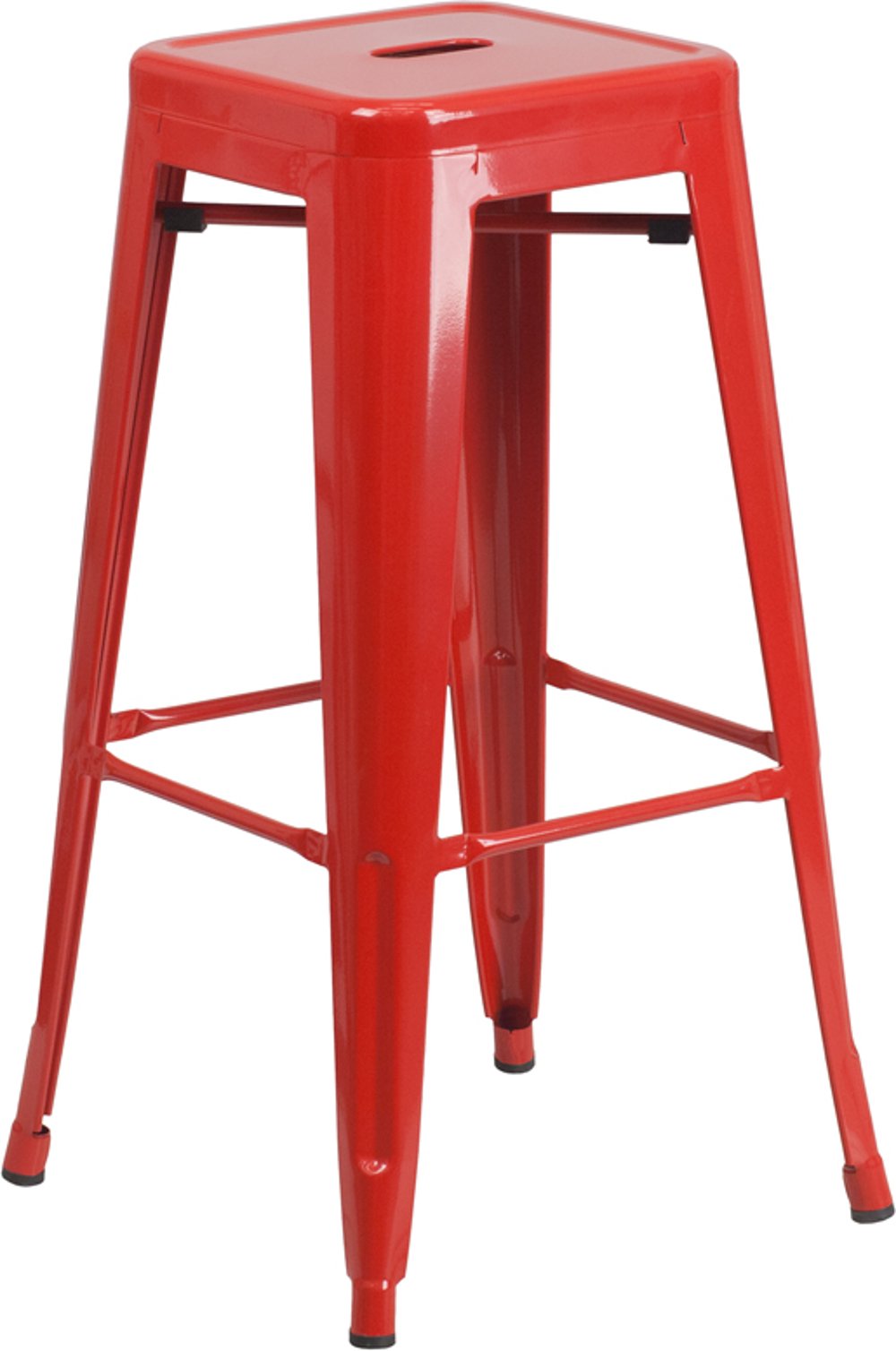
White barstools bring a clean, welcoming look to the places where everyday life gathers, from a kitchen island covered with breakfast plates to a home bar set up for conversation. Their light color can soften dark cabinetry, complement pale countertops, or add contrast beside a richly finished wood counter. In an open floor plan, white seating can also echo nearby dining chairs, trim, or shelving without making every piece match. The details give each stool its personality: a curved wooden back feels different from a slim metal frame, while a padded seat adds a softer layer to stone and tile surfaces. White isn’t always the same shade, either. A creamy finish often sits comfortably beside warm woods and beige tones, while a brighter white can suit crisp cabinetry and cool gray accents. Looking at the finish alongside the surfaces already in your room helps the seating feel connected to its surroundings. Materials matter just as much as color. Painted wood offers visible shape and familiar texture, with styles ranging from simple spindle backs to substantial framed seats. White metal stools can have a streamlined profile, and powder-coated finishes provide a protective surface when cared for as directed. Upholstered stools introduce softness through fabric, leather, or synthetic coverings, each with its own feel and maintenance needs. A white seat paired with natural wood legs keeps the look relaxed; white upholstery against a dark frame creates a more defined outline. Smooth finishes tend to look crisp, while textured fabrics and visible wood grain add depth to an otherwise simple palette. Rounded seats, square silhouettes, and open backs offer different ways to carry that color through a room. For a space that combines light and dark seating, brown barstools can provide a warm counterpart to white finishes. The most comfortable arrangement reflects the way the room gets used, whether that means two quiet seats for morning coffee or a row of stools where family and friends settle in while dinner comes together.
The right proportions make white barstools feel like part of the room rather than an obstacle around the counter. Although the term barstool often covers several seat heights, counter-height and bar-height seating serve different surfaces. Seats around 24 to 26 inches high commonly suit counters about 34 to 36 inches tall, while seats around 28 to 30 inches high generally work with bar tops about 40 to 42 inches tall. Roughly 10 to 12 inches between the seat and the underside of the surface gives many adults comfortable legroom, though a thick countertop edge or a supporting apron can reduce that space. Adjustable-height stools offer flexibility, but their full height range and base dimensions still need to fit the intended setting. Seat width matters, too. A broad upholstered stool gives someone room to settle in, while a narrower frame can keep a compact breakfast counter from feeling crowded. Leaving space between neighboring seats makes it easier to sit down, use utensils, and turn toward a conversation without bumping elbows. The overall footprint includes more than the seat: angled legs, round bases, armrests, and rotating backs all need clearance. A swivel stool can make getting in and out easier, especially at a busy island, as long as the back and arms have room to turn without striking the counter. Backless stools often tuck neatly beneath an overhang and preserve an open sightline across the kitchen. Stools with backs provide a place to lean during longer meals or an evening spent chatting at the bar. Armrests can add support, but their height should clear the counter if the seating needs to slide underneath. Footrests also deserve attention because a comfortable place for feet helps keep a raised seat from feeling awkward. Households with young children benefit from considering stable construction, appropriate seat height, and how easily someone can climb onto the stool with adult assistance. For everyday use, comfort and easy movement matter more than squeezing an extra seat into a tight stretch of countertop.
White barstools work especially well when their materials and care needs fit the household’s routines. At a counter used for quick snacks and homework, a smooth, wipeable seat may make cleanup simpler. In a space where guests linger over meals, cushioning and a supportive back may take priority. Upholstery can offer inviting texture, but pale fabric makes spills and transferred color more noticeable, so the fabric’s cleaning instructions and any stated stain-resistant properties deserve a close look. Leather and synthetic upholstery have different care requirements; a cleaner suitable for one material may damage another. Painted wood and coated metal also benefit from gentle treatment rather than abrasive pads or harsh household chemicals. For many sealed surfaces, a soft cloth and prompt attention to spills help preserve the finish, with the manufacturer’s directions determining which cleaning products are appropriate. Blotting a spill on fabric instead of rubbing it can help limit its spread, and testing an approved cleaner in an inconspicuous spot reduces the chance of an unexpected mark. Dark denim, food coloring, and ink can leave visible traces on light seating, making material choice particularly relevant in a busy kitchen. Durability depends on construction as well as the surface covering. Secure joints, a stable base, well-attached footrests, and clear weight limits help identify seating suited to regular use. Following assembly instructions and checking fasteners periodically can help keep stools steady over time. Floor-safe glides or suitable protective pads help reduce scratches, while dragging a stool across the floor can strain both the flooring and the frame. Indoor stools belong in indoor settings unless they’re specifically designed for outdoor use. A stool that feels comfortable for a five-minute coffee break may feel different during a full meal, so seat depth, cushioning, and back shape all contribute to lasting satisfaction. With thoughtful proportions and manageable care, white barstools can stay useful through countless ordinary moments: a child finishing a worksheet, a friend keeping the cook company, or a quiet meal at the kitchen counter.
Read More