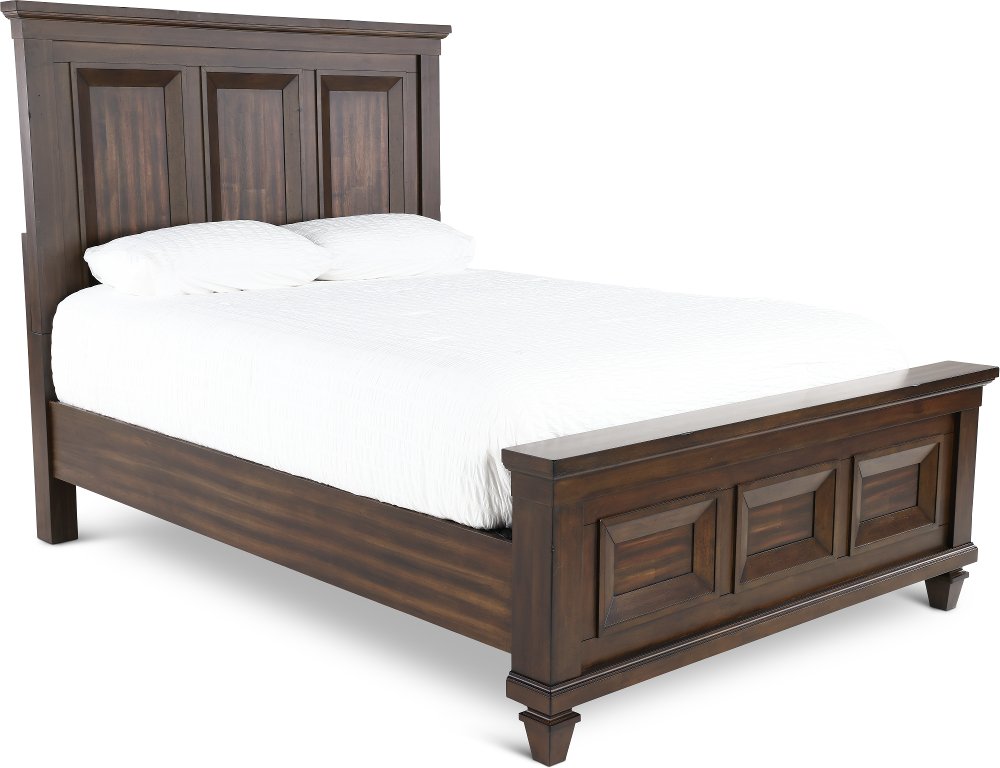
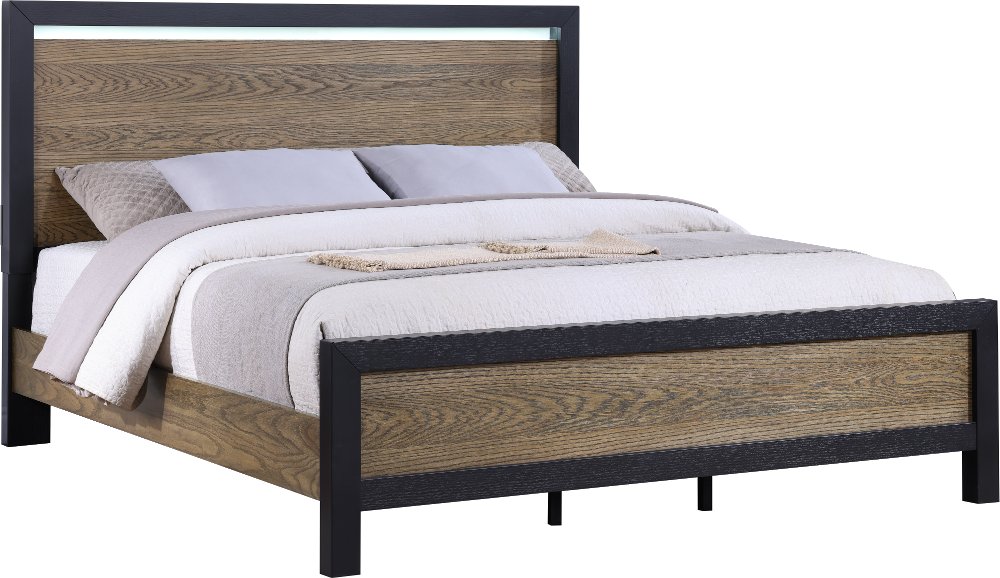
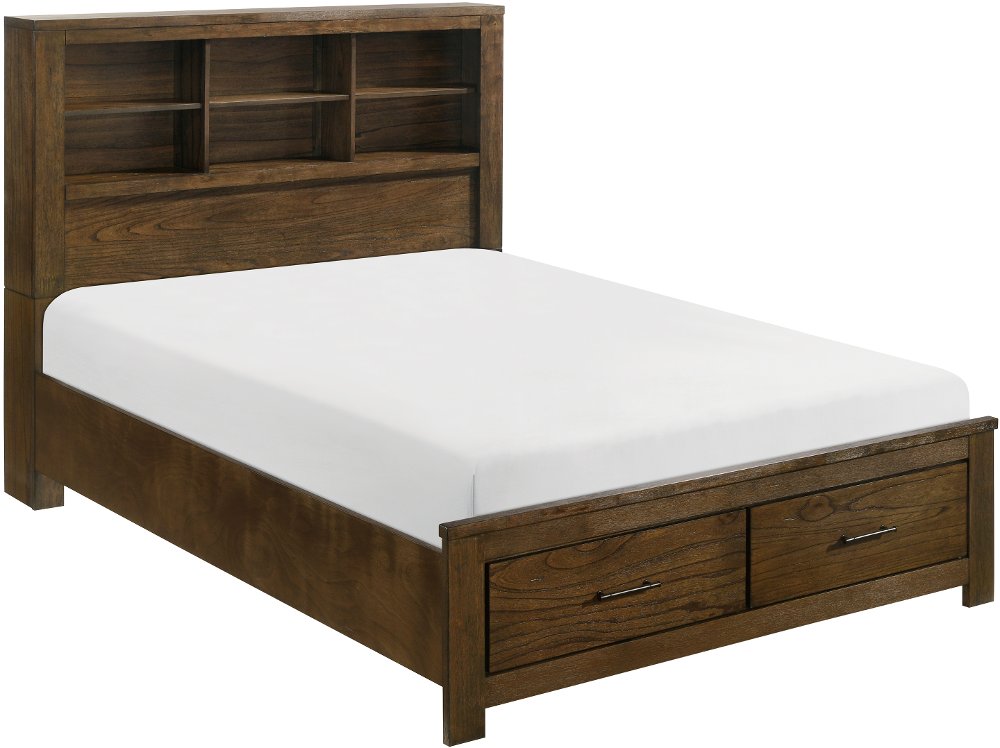
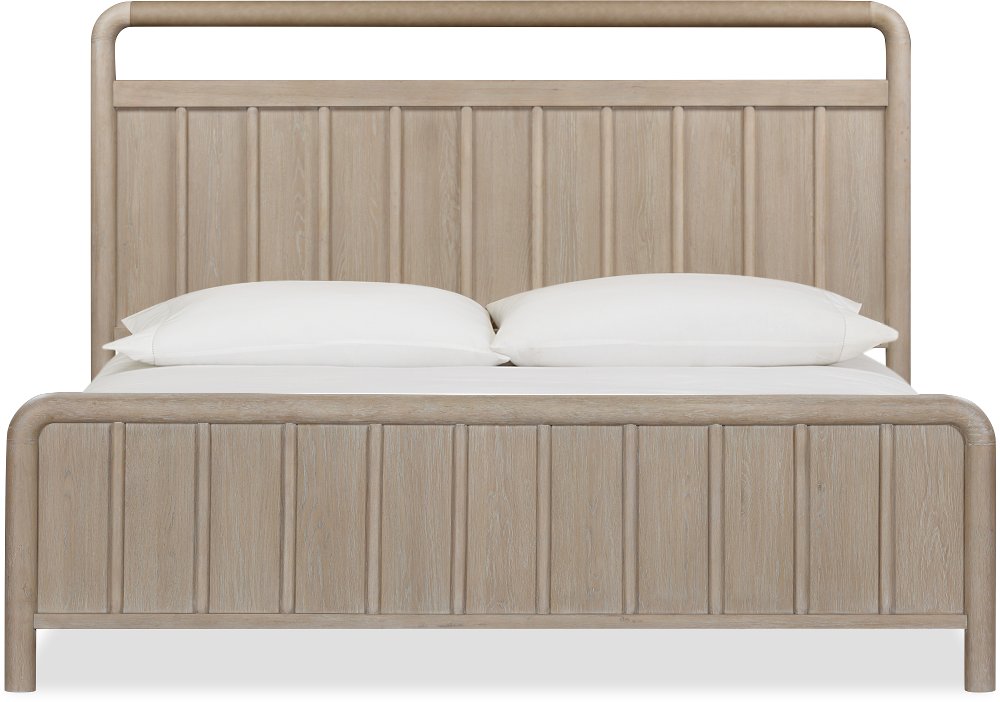
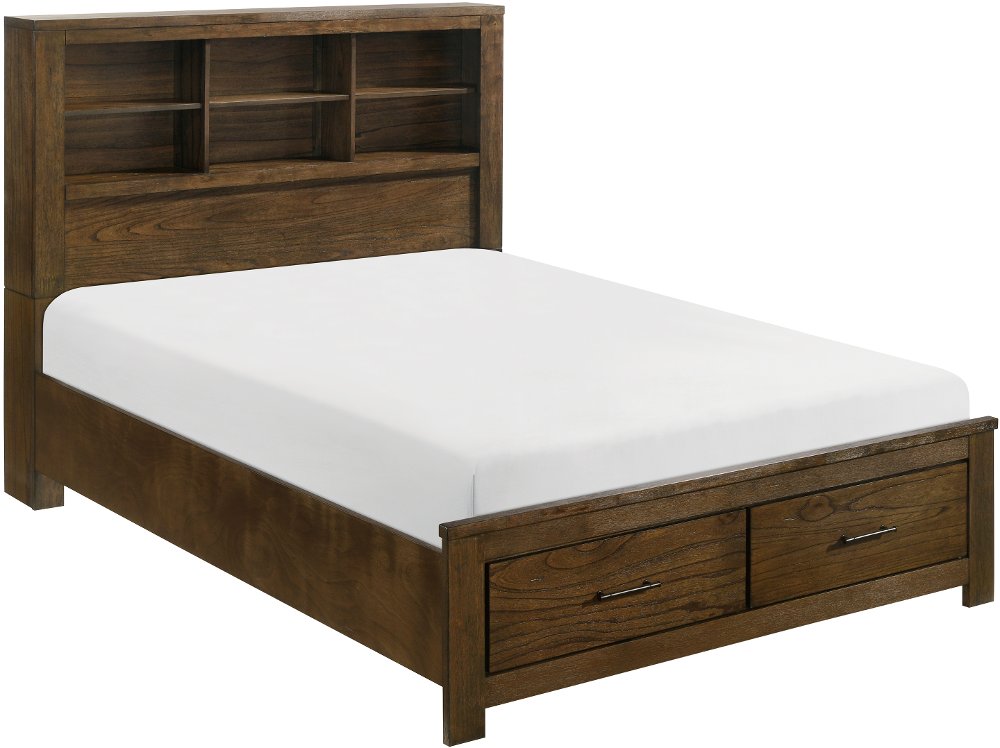
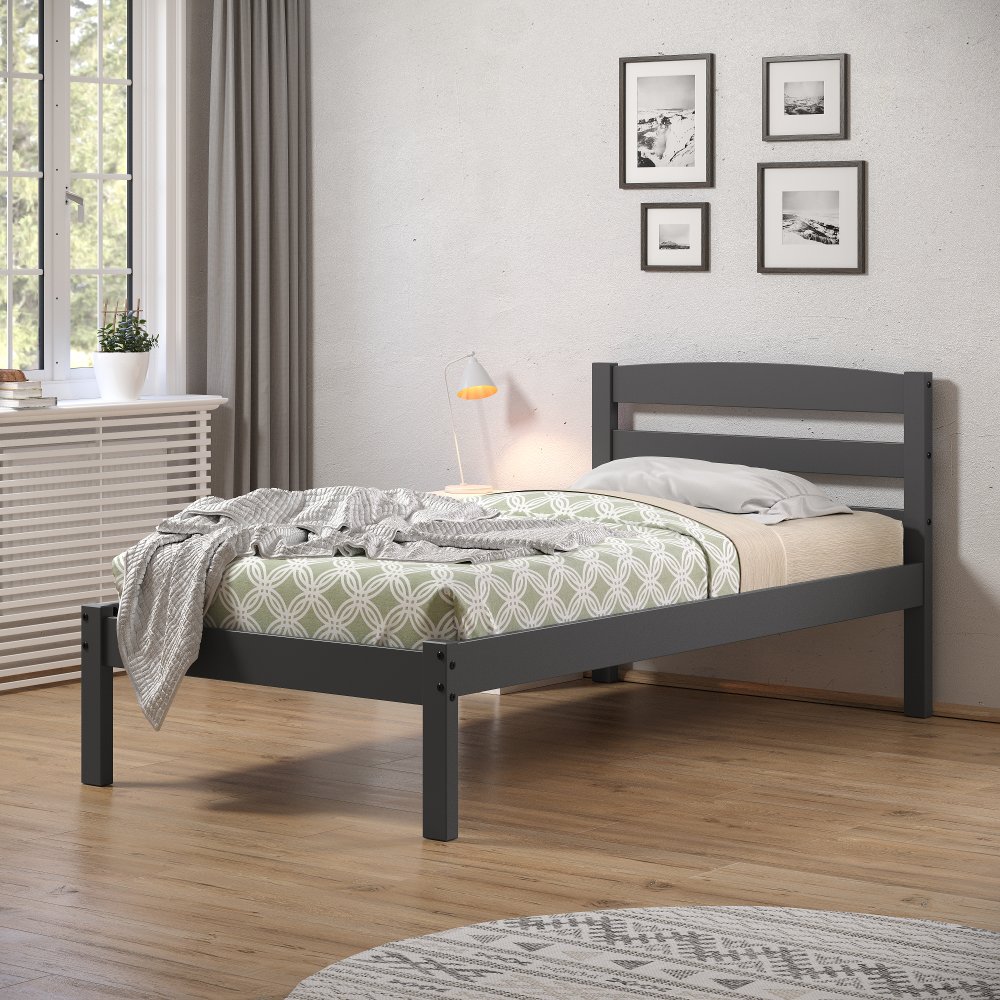
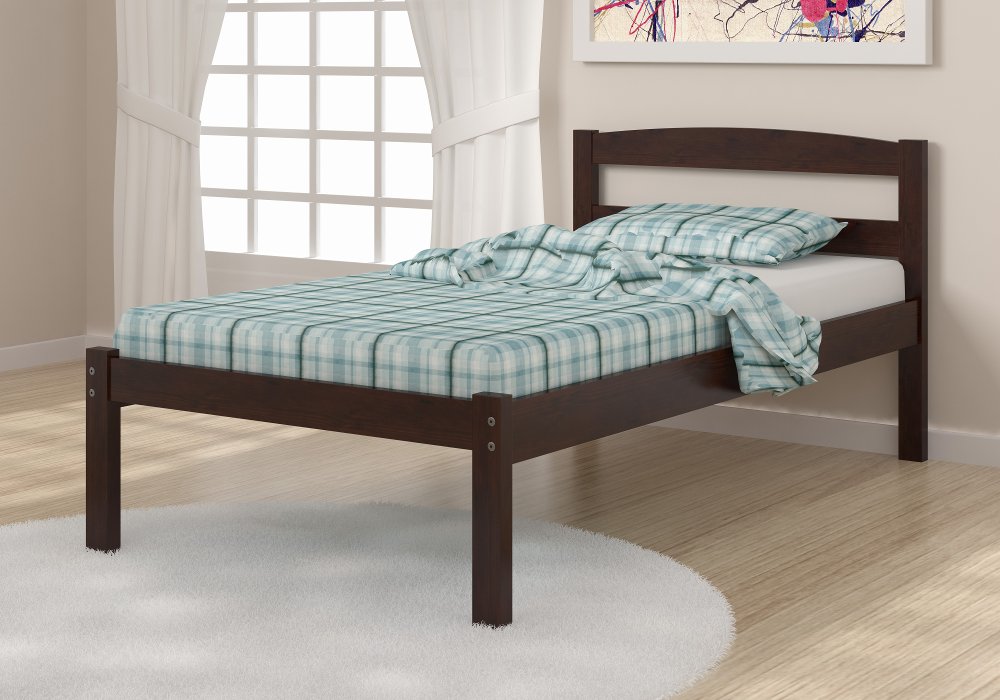
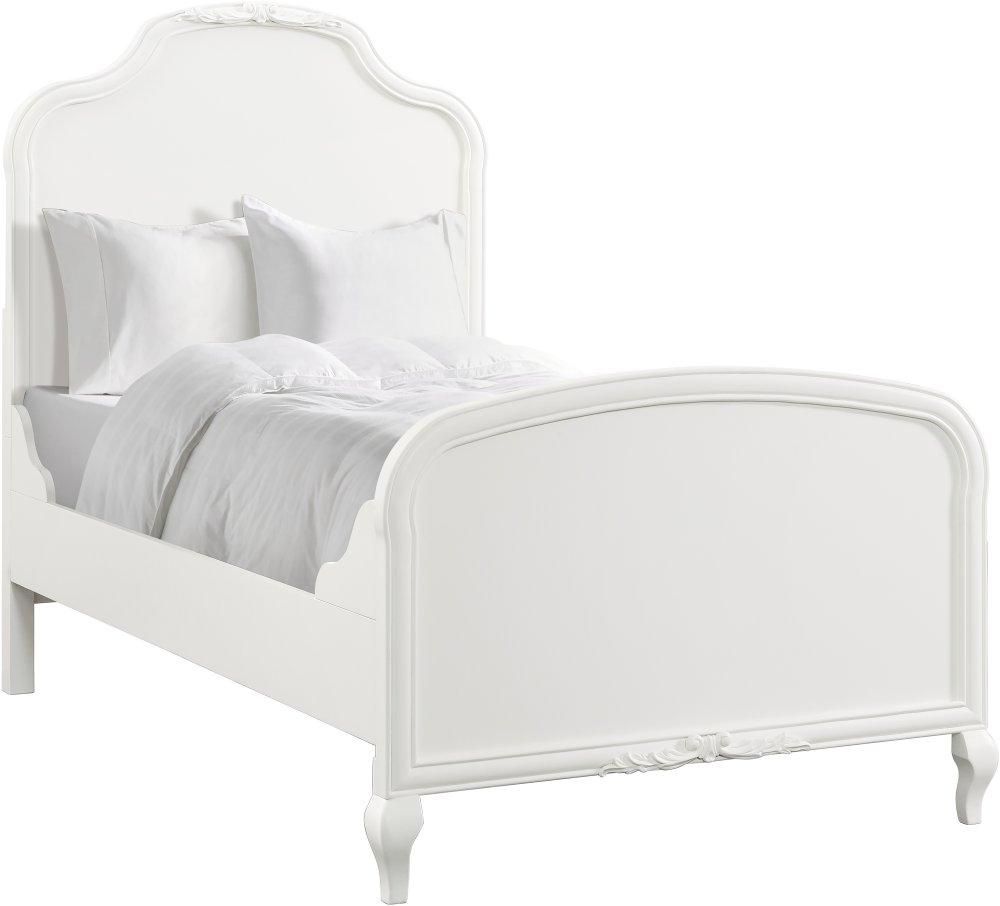
Oak bed headboards bring natural wood grain, sturdy construction, and a welcoming focal point to a bedroom without requiring a complete furniture change. Oak is a hardwood known for its strength and distinctive grain, making it a practical material for furniture that gets everyday use. A headboard also gives pillows a backdrop and helps the bed feel visually anchored, whether the room holds a compact twin or a spacious king. Construction matters as much as appearance: solid oak components use oak throughout those pieces, while oak veneer places a thin layer of real oak over a supporting material, often plywood or another engineered wood. Both can show genuine oak grain, but their repair options differ. Solid oak may allow more extensive refinishing, depending on the finish and construction; veneer needs extra care because aggressive sanding can cut through its thin surface. An oak-colored finish alone doesn’t establish that a headboard contains oak, so material descriptions are worth checking. Red oak often has prominent grain and warmer undertones, while white oak tends toward a more muted brown or olive cast, although stain can change either wood’s appearance considerably. Quarter-sawn oak may display ribbonlike grain and distinctive ray flecks that catch the light across a broad panel. These natural differences give oak headboards character rather than a perfectly uniform appearance. A simple slatted design keeps the wall visible and feels open, while a broad panel creates a more substantial backdrop for bedding. Fluted faces add texture through closely spaced grooves, and framed panels can lean traditional without feeling overly formal. For a relaxed bedroom, visible knots and a textured finish can complement linen bedding and woven accents. For a cleaner look, smooth panels, restrained trim, and a consistent stain let the grain provide most of the detail. The shape sets the tone, but the finish determines how quietly or boldly the headboard sits alongside the rest of the room.
The right fit depends on more than choosing a twin, full, queen, or king label. Oak headboards need to suit the mattress size, bed frame, mounting system, and space around the bed. Overall headboard width can extend beyond the mattress, especially with wide side panels or attached storage, so the outside dimensions matter when nightstands sit close to the frame. Height deserves the same attention. A thick mattress and foundation can hide much of a short headboard, while a taller design may compete with a low window or artwork above the bed. Measuring from the floor to the top of the mattress helps show how much wood will remain visible once the bed is made. Frame-mounted headboards require compatible brackets, hole spacing, and hardware; matching the bed-size label doesn’t guarantee that the mounting points align. Wall-mounted designs need secure attachment appropriate to the wall construction and the manufacturer’s instructions. A substantial wood headboard shouldn’t rely on the mattress to hold it upright. Adjustable bases introduce another consideration because their moving sections need clearance, and some require a separate headboard bracket kit. Bookcase and shelf designs add useful space for a paperback, reading glasses, or a small clock, but they also add depth behind the mattress. That extra depth can affect a bedroom doorway, a narrow walking path, or access to an outlet. Slim panel and slat headboards make sense where preserving floor space matters more than adding storage. For someone who reads in bed, a smooth panel offers a continuous backdrop for supportive pillows, while widely spaced slats may need a larger cushion for comfortable leaning. Check how the headboard meets the mattress, too, since a poorly matched setup can leave a gap where pillows slide down. In a child’s room or shared guest room, secure installation, smooth edges, and firmly attached components deserve particular attention. A properly fitted headboard should feel settled during normal use, without persistent movement, rattling, or contact that marks the wall.
Oak’s versatility makes it easy to connect a new headboard with furniture that already feels at home. An exact wood-tone match isn’t essential; a shared warm or cool undertone often creates a more natural result than several almost-matching finishes. A golden oak headboard can sit comfortably beside painted nightstands, while a muted oak finish can soften dark metal lamps and crisp white bedding. Repeating one detail, such as a curved edge or simple black hardware, helps different pieces feel connected. The bed’s proportions matter as well: a heavy dresser across from a tall paneled headboard creates a different balance than a low chest paired with an open slatted design. Browsing the Oak Beds category can also help distinguish a complete bed update from a headboard-only change, especially when the existing frame needs attention. For a first apartment, a separate headboard can give an otherwise simple setup a finished appearance. In a guest room, it creates a defined place to settle in without requiring elaborate decorating. It can also make a thoughtful housewarming gift when the recipient’s measurements, preferred finish, and mounting needs are confirmed beforehand. Everyday care helps preserve that finished look. Use a soft cloth for regular dusting, and follow the manufacturer’s directions before applying cleaners or furniture polish. When damp wiping is permitted, keep moisture light and dry the surface promptly, particularly around seams and decorative grooves. Avoid abrasive pads and harsh cleaning products that can dull or damage the finish. Direct sunlight may gradually change the wood’s color, and repeated contact from an unprotected wall or loose hardware can leave wear marks. Oak also responds to changes in indoor humidity, so a reasonably stable indoor environment helps limit excessive movement. Periodically checking fasteners and keeping shelf-top drinks on protective coasters are small habits that support long-term use. With thoughtful proportions and straightforward care, an oak headboard can remain a familiar part of the bedroom even as bedding, wall colors, and surrounding furniture change.
Read More