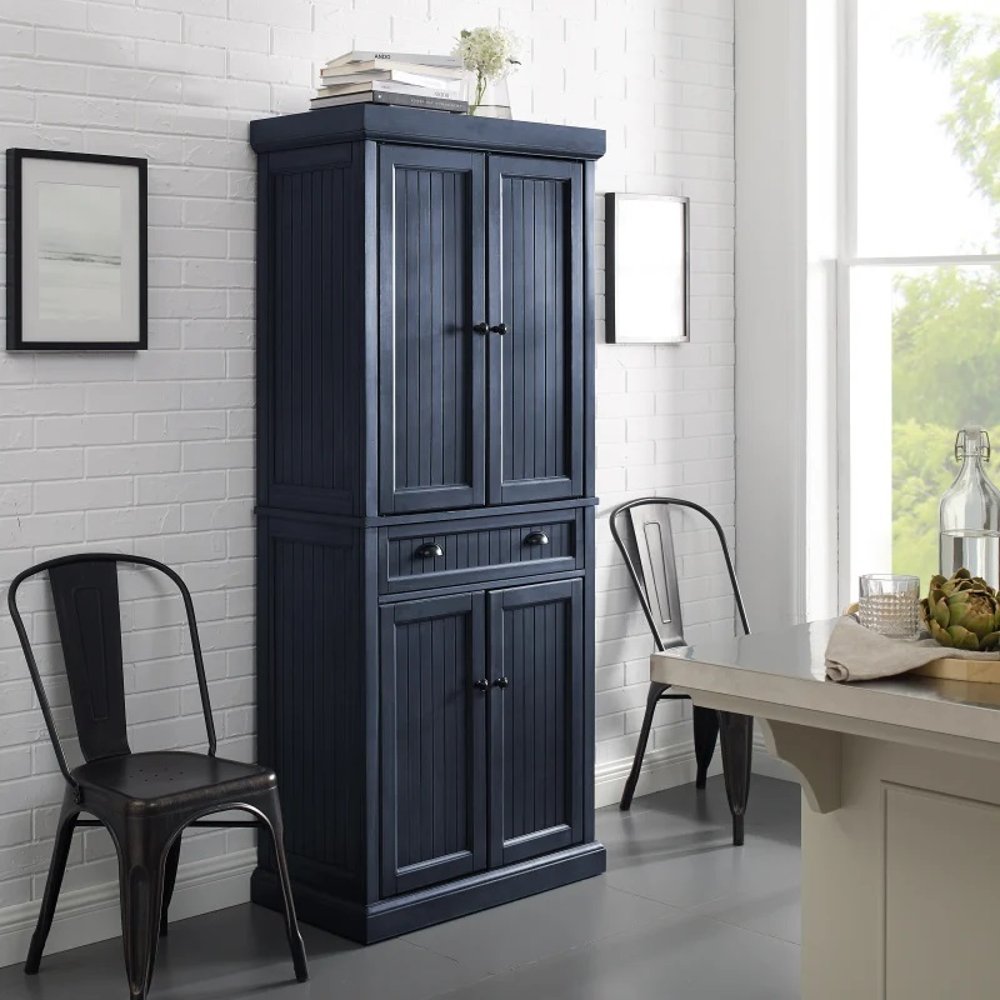
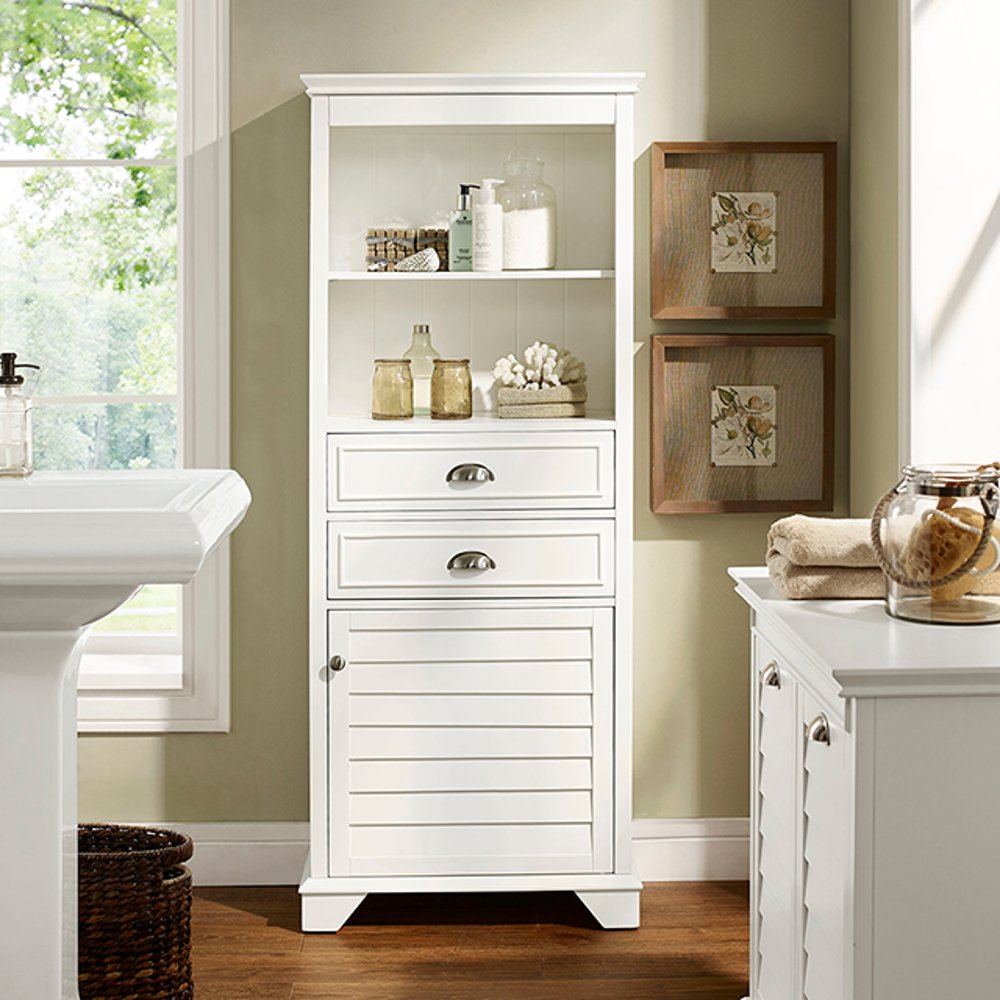
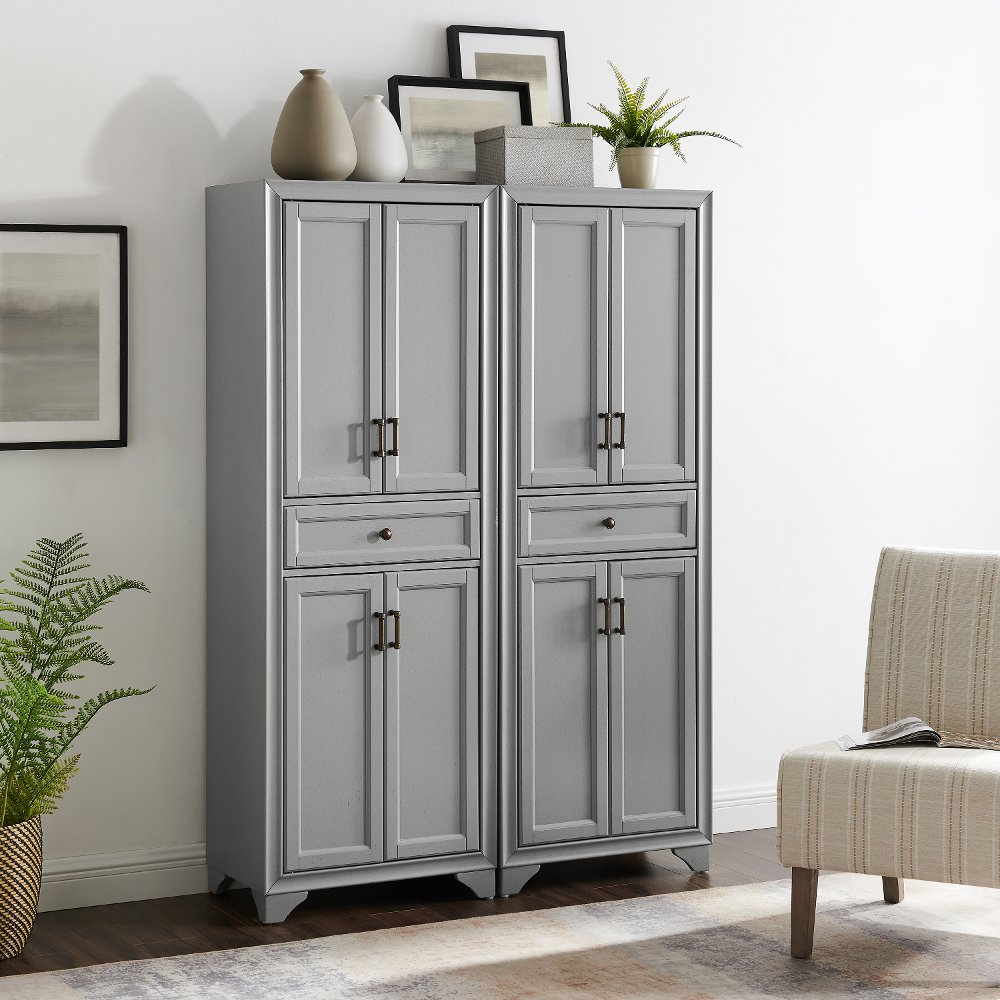
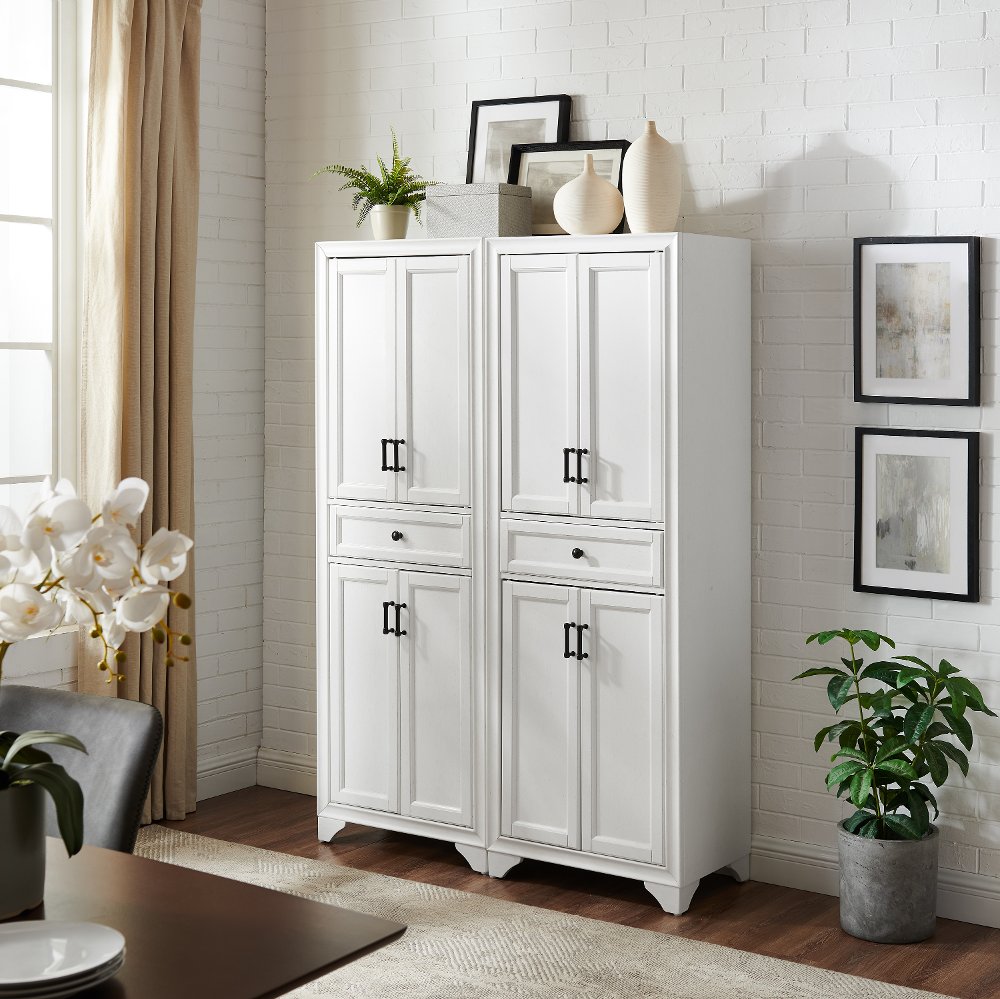
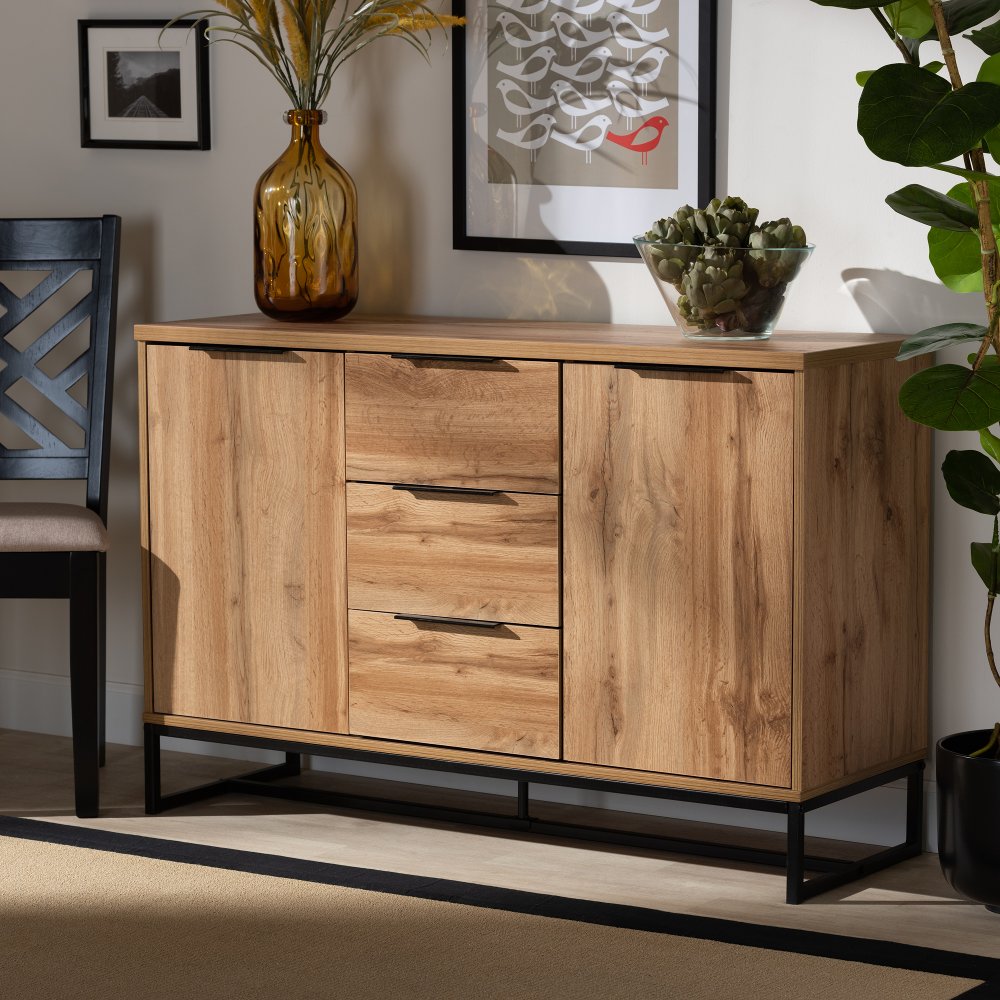
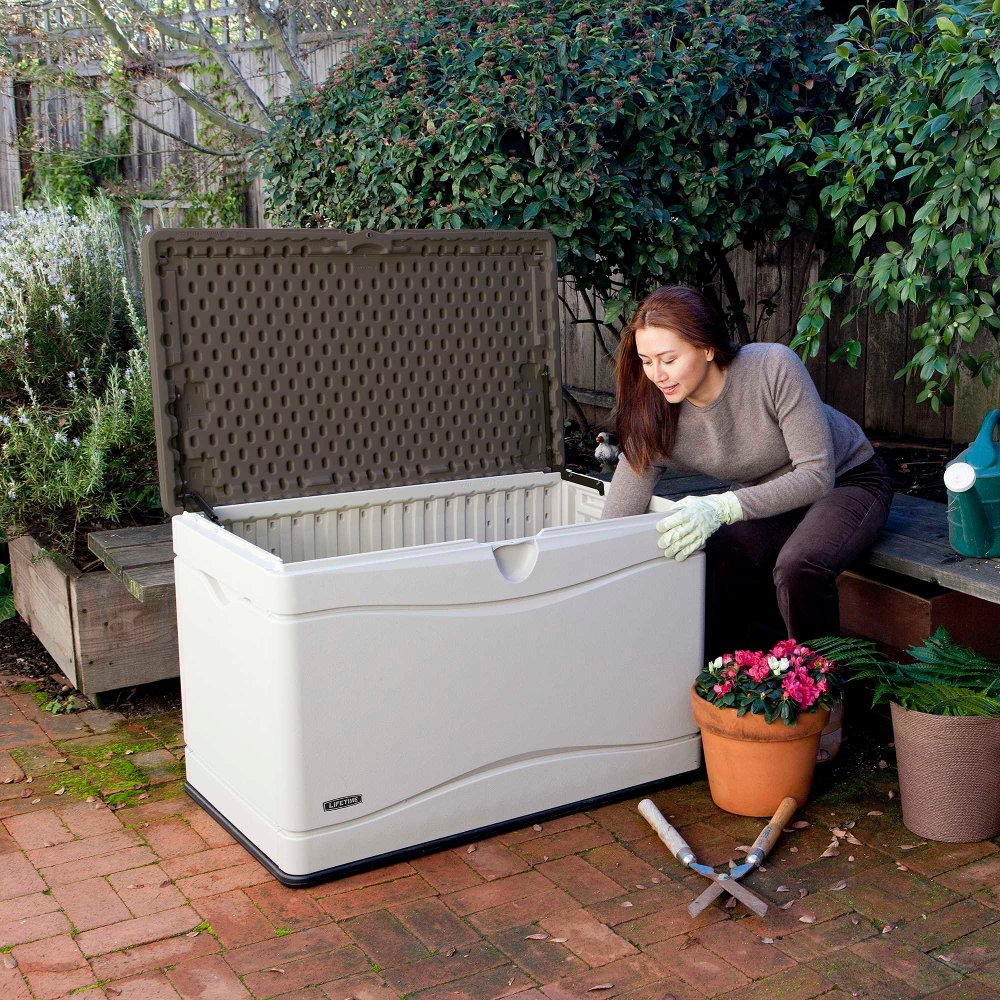
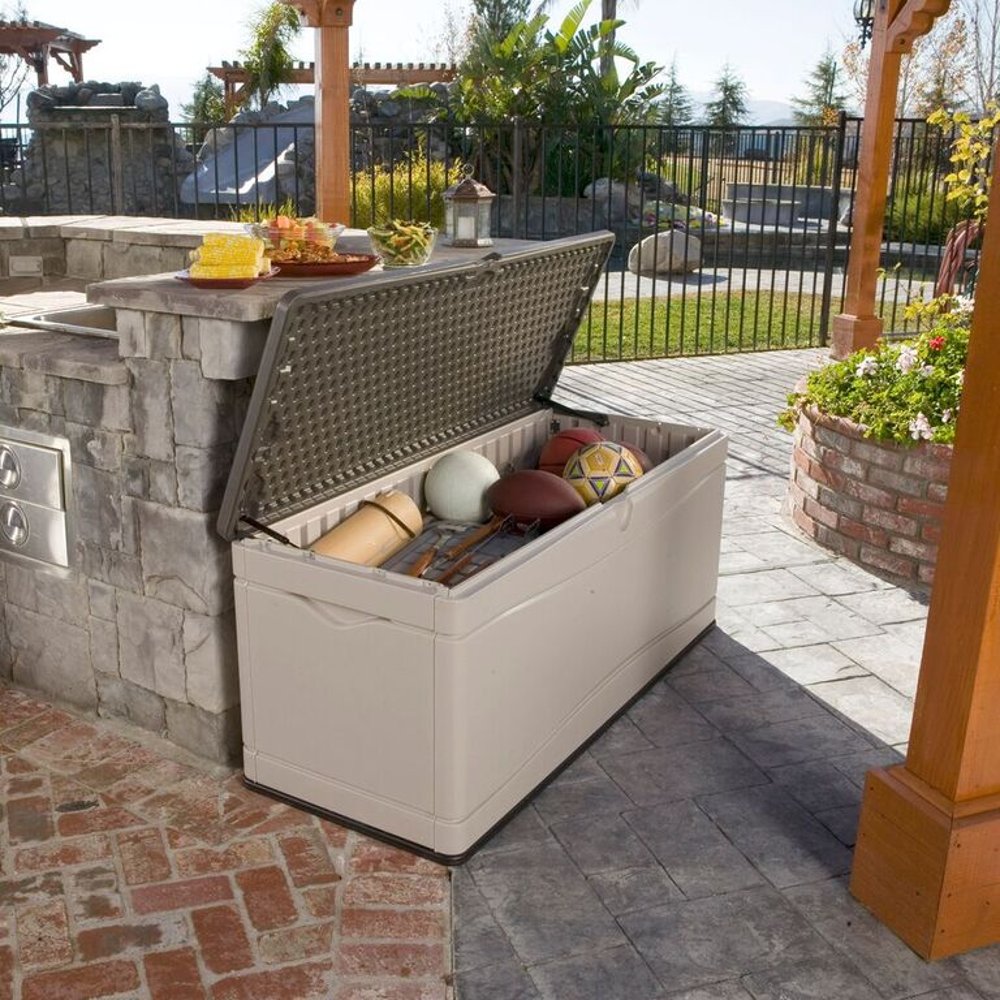
Organized storage brings together furniture, shelving, and containers that give everyday belongings a clear, accessible place. The most useful solutions make good use of the space you have, keep similar things together, and suit how often you reach for them. That can mean an entryway cabinet that holds shoes behind closed doors, open shelves with baskets for toys, or a storage bench that gives bags a landing spot without taking over the room. Each approach serves a different purpose: open storage keeps frequently used belongings visible, enclosed storage creates a calmer backdrop, and a combination of both supports rooms that handle several activities. In a living room, a few open compartments can hold books while drawers tuck away charging cords and game controllers. In a dining area, adjustable shelves can accommodate serving pieces of different heights instead of leaving awkward gaps. Vertical storage makes use of wall height, especially in a compact apartment or a room with limited floor space, but height works best when it’s paired with safe, comfortable access. Heavy belongings belong on lower shelves, everyday essentials should stay within easy reach, and lightweight, less-used belongings can occupy higher spaces. Tall furniture should be secured according to the manufacturer’s instructions, with shelf and drawer loads kept within stated limits. Clear containers help show what’s inside at a glance, while opaque bins are useful when a mix of small belongings would otherwise look busy. Labels can make either style easier to share across a household. A well-proportioned storage piece also leaves room for daily movement: the path beside a sofa stays open, a bedroom door swings freely, and a desk chair still pulls out comfortably. That balance matters more than filling every available inch. Organized storage should make a room easier to use, with enough breathing room to put things away without rearranging an entire shelf.
Materials influence how storage furniture looks, feels, and holds up to daily use. Solid wood brings natural grain and can develop character over time, though its care needs depend on the finish, and changes in indoor humidity can affect the wood. Engineered wood offers a consistent surface and is often finished with veneer or laminate; durability depends on the construction, edge protection, and finish rather than the material name alone. A wood veneer provides a real-wood surface over a supporting core, while laminate offers a decorative surface that is often easy to wipe clean. Neither should be treated as waterproof unless the manufacturer specifically says so. Metal shelving can suit a utility room or a hardworking workspace, with load capacity determined by the complete unit, including its shelves, supports, and assembly. Woven baskets add texture and work well for light belongings, although an unlined weave may catch delicate fabric. Fabric bins are lightweight and convenient for soft goods, while rigid containers hold their shape and can help separate small supplies. For any material, smooth edges, secure handles, and drawers that move easily contribute to comfortable everyday use. Fit deserves the same attention as finish. Exterior dimensions show whether a cabinet will occupy the intended spot, but interior measurements determine whether it will hold a stack of folded towels, a file box, or a bulky appliance. Drawer extension, door clearance, baseboards, and nearby outlets can all affect placement. Adjustable shelves add flexibility, and removable bins make it easier to carry a group of supplies to the place they’re needed. Care is usually simplest when it follows the manufacturer’s directions: regular dusting, prompt attention to spills, and cleaning products approved for the surface. Standing moisture, abrasive scrubbers, and overfilled drawers can shorten the useful life of many storage pieces. A sturdy design with an appropriate weight rating and accessible compartments is better suited to daily routines than a piece chosen for appearance alone.
The right storage arrangement reflects the people using it. For a household with young children, low compartments and easy-to-grasp bins can make cleanup more manageable, with adult-only belongings kept out of reach and furniture secured as directed. A shared home office may benefit from separate drawers for each person, along with a common place for paper and frequently used supplies. In a bedroom, divided drawers keep smaller accessories from disappearing beneath folded clothing, while a bench with interior storage can hold extra bedding and provide a convenient seat if it’s designed for sitting. An entryway works differently: it needs accessible spots for belongings that arrive and leave every day, plus surfaces and materials suited to frequent handling. In a craft area, shallow compartments make small supplies easier to see; in a laundry room, containers can separate clean linens from household supplies, with cleaning products kept in their original labeled packaging and stored safely. These practical details can still support a room’s style. Coordinated finishes help larger storage furniture feel connected to nearby pieces, while a mix of closed cabinets and textured baskets adds variety without visual clutter. For spaces where organization is also part of the decorating scheme, Storage Decor offers another way to consider function alongside color, texture, and shape. Matching every container isn’t necessary; consistent proportions or a shared material can create a settled look while leaving room for personal taste. Flexible pieces are especially useful for renters, growing families, and anyone whose rooms serve more than one purpose. A modular arrangement can adapt to a new layout, and adjustable compartments can shift from school supplies to work materials as needs change. With storage that suits both the room and its routine, putting things away becomes a straightforward part of daily life rather than another project waiting for attention.
Read More