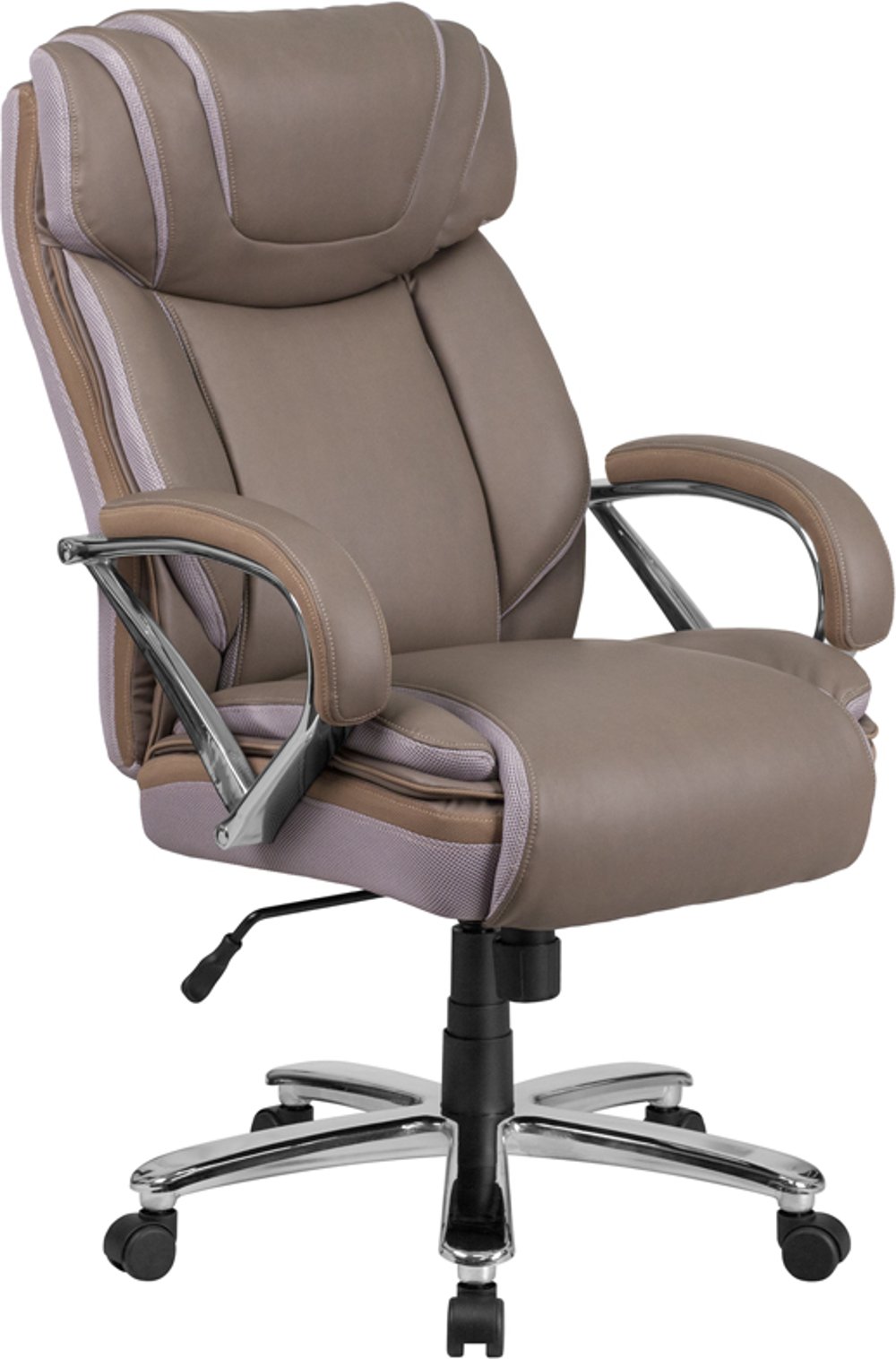
Padded seating combines a cushioned sitting surface with a supportive base, adding comfort to everyday activities such as dining, reading, working, and spending time together. Padding may appear on the seat alone or extend across the back and arms, with upholstery covering foam, fiber, or other cushioning materials. The category includes upholstered dining chairs, accent chairs, benches, stools, sofas, and recliners, along with portable cushions and seats designed to soften a hard surface. Each serves a different purpose: a lightly padded dining chair keeps you comfortably positioned at the table, while a generously cushioned lounge chair gives you room to settle in with a book. An upholstered bench can make an entryway a comfortable place to put on shoes, and a padded ottoman can offer a place to rest your feet or provide occasional seating when its construction supports that use. In a living room, padded arms and a cushioned back create a welcoming spot for conversation without requiring an oversized footprint. Around a dining table, upholstery adds softness and texture alongside wood, metal, and glass. A cushioned chair in a bedroom can turn an unused corner into a practical place to get dressed or take a quiet break. Portable padded seating serves a different need, adding a layer of cushioning to compatible bleachers, benches, or other firm seats; secure attachment, carrying weight, and venue rules matter for those uses. Across these categories, comfort comes from the relationship between the padding, the frame, and the person sitting down—not simply from how thick a cushion looks. A seat that feels inviting for a few minutes may feel different over a long meal or an evening of reading. The most useful options match the way you spend time at home, whether that means upright support for conversation, a roomy seat for relaxing, or a compact perch that makes a busy entryway easier to use. A household with frequent visitors may also benefit from flexible seating that moves easily between rooms.
The materials beneath and around the upholstery shape how padded seating feels and how it handles regular use. Foam provides structure and cushioning, while fiber wraps can soften cushion edges and create a fuller appearance. Layered cushions may combine a supportive core with a softer surface, giving the seat a welcoming feel without making it uniformly plush. Foam density and firmness describe different qualities: density measures how much material occupies a given volume, while firmness describes resistance to compression. A firmer cushion is not automatically more durable, and a softer cushion is not automatically less supportive. Frame construction, joints, suspension, and cushion design all contribute to long-term performance. For frequently used seating, those details deserve as much attention as the upholstery color. Woven fabric offers a wide range of textures, from smooth, closely woven surfaces to more pronounced patterns that add dimension. Leather brings its own texture and character, though its care needs vary by finish, and faux leather requires care suited to its particular surface. For a softer, light-catching look, velvet seating adds depth through a pile that can appear lighter or darker depending on its direction. That visual variation is part of the fabric’s character rather than a uniform, flat finish. In homes with children, pets, or frequent guests, fabric composition, cleaning instructions, and resistance to everyday wear can matter more than a delicate decorative detail. Performance upholstery may offer helpful stain-resistant or easy-clean properties, but the exact benefits depend on the material and treatment; the label provides a better answer than the category name alone. Tightly woven fabrics may be less likely to catch on small claws than loose loops, though no upholstery is completely pet-proof. Seams, piping, tufting, and exposed wood or metal also affect everyday use. Smooth surfaces tend to be simpler to wipe or vacuum, while deep tufting and narrow creases need more attention to keep crumbs and dust from settling in. These practical differences help explain why two equally attractive seats can suit very different households.
Fit is just as important as fabric when padded seating becomes part of a room you use every day. At a dining table or desk, seat height should leave comfortable space for your legs while allowing your feet to rest securely on the floor or an appropriate footrest. Cushion compression changes that relationship, so the listed seat height may not feel exactly the same once someone sits down. Seat depth matters, too: a shorter seat can make it easier to sit upright, while a deeper seat offers more room to curl up but may leave a shorter person needing back support. Armrests can make sitting down and standing up easier for some people, provided their height and placement suit the user. Around a table, they also need enough clearance to slide beneath the apron or tabletop. In smaller rooms, a compact padded chair with an open base can provide comfort while keeping the layout visually lighter. A bench may fit neatly against a wall, but it still needs room for people to approach and sit comfortably. Reclining seating requires clearance for its moving parts, and doors, walkways, and nearby furniture should remain easy to navigate. Weight limits and intended use matter for benches, ottomans, folding seats, and other pieces that might otherwise look interchangeable. Everyday care helps preserve both appearance and comfort: vacuum upholstery with a suitable attachment, address spills promptly by blotting rather than rubbing, and follow the manufacturer’s cleaning directions before applying any solution. A removable cushion cover is not necessarily machine washable. Rotate or flip cushions only when their design allows it, and keep upholstered seating away from prolonged direct sunlight when the care instructions recommend it. For a shared home, a home office, or a thoughtfully furnished guest room, padded seating works best when comfort and upkeep fit the people using it. If seating is intended as a gift, confirming the recipient’s space, preferred seat height, and upholstery needs makes the gesture more useful and personal. The goal is a comfortable place that feels natural in the room and remains easy to enjoy day after day.
Read More