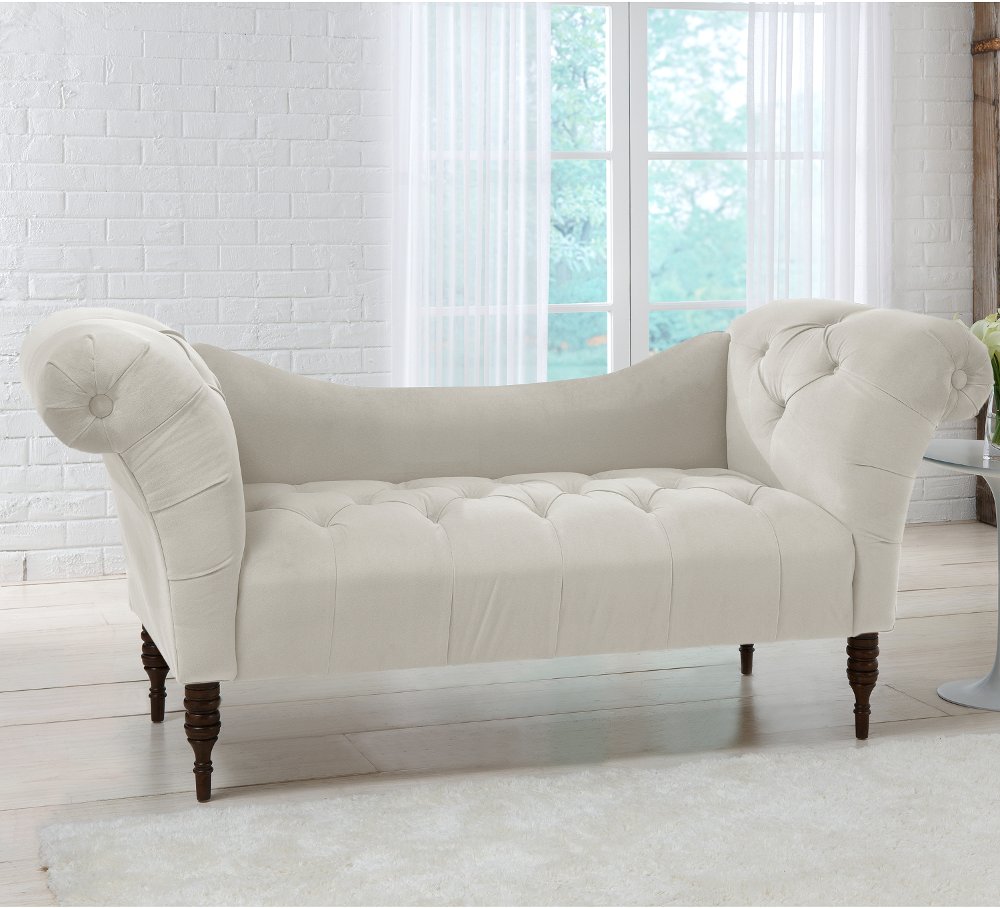
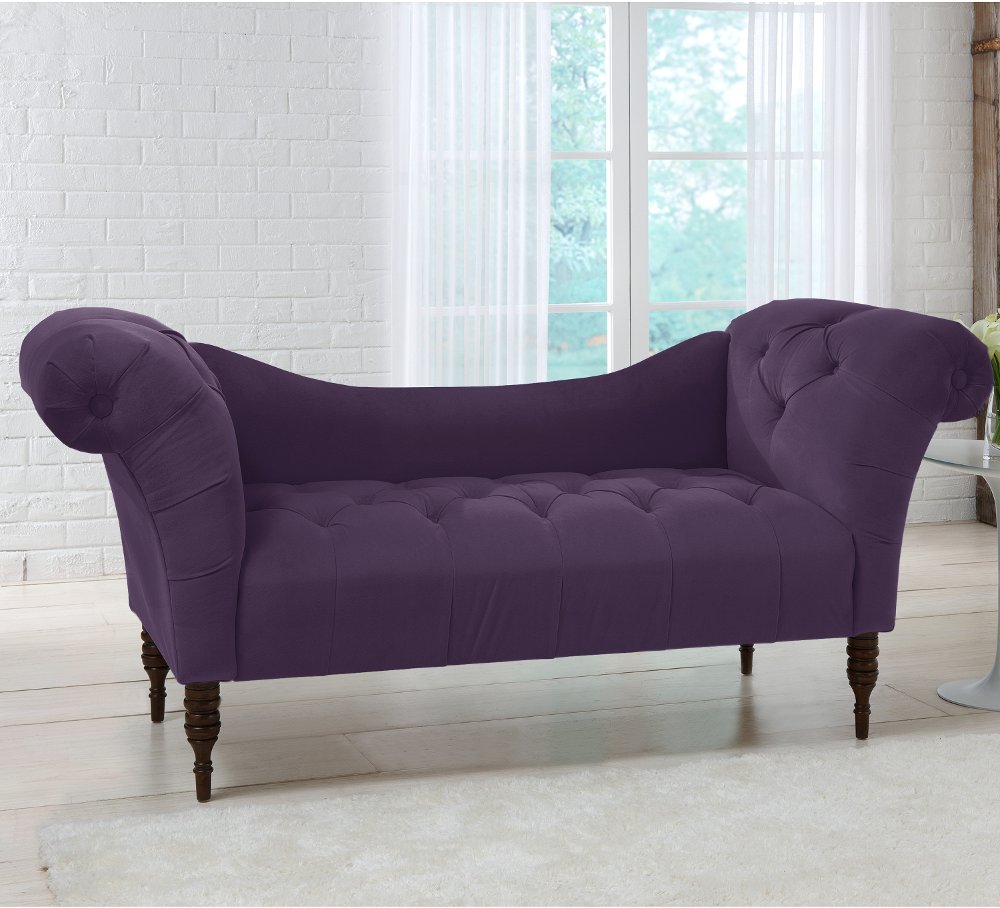
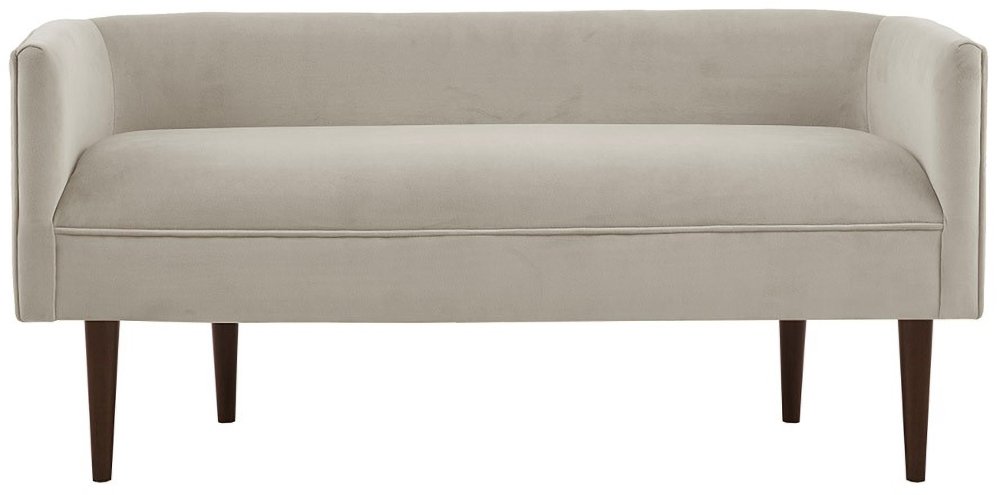
Velvet seating brings a soft feel and a rich, textured look to everyday furniture, from living room sofas and sectionals to accent chairs, upholstered benches, and dining seats. Its defining feature is a short, dense pile: tiny upright fibers that create a smooth surface with a subtle sheen. That pile catches light differently depending on its direction, so a navy chair might look inky along one side and brighter across the seat. This variation is part of velvet’s character, not necessarily a difference in color or quality. The fabric works beautifully in rooms where you want comfortable seating with a little visual depth. An emerald accent chair can give a neutral living room a focal point, while a soft gray velvet sofa adds texture without taking attention away from artwork or a patterned rug. Rounded arms and curved backs emphasize velvet’s softness; straight lines and slim legs give it a more tailored presence. Tufting creates small pockets of light and shadow, while an unbroken upholstered surface lets the fabric’s color take center stage. Velvet describes how a fabric is made rather than a single fiber, so its feel and care requirements vary. Cotton velvet often has a more understated finish, while polyester velvet can offer a smooth hand and practical durability. Blended fabrics combine different characteristics, and silk velvet typically calls for more delicate handling. Performance velvet is designed for added practicality, but the term alone doesn’t guarantee waterproofing, stain resistance, or suitability for every household. Check the upholstery details for the qualities that matter to your routine. Color deserves similar attention: dark shades can disguise some marks but may make light-colored pet hair more noticeable. Lighter shades create an airy look but can show dirt or color transfer more readily. Wood, leather, linen, and metal all pair naturally with velvet, giving you plenty of ways to balance its plush texture. For coordinating upholstered pieces beyond seating, explore Velvet Furniture.
The best velvet seating fits both the room and the way you spend time in it. A sofa intended for daily lounging needs a different shape and level of support than an occasional chair beside a bedroom dresser. Deep seats give you room to curl up, while shallower seats can make it easier to sit upright with your feet on the floor. Seat height, cushion firmness, arm placement, and back support all affect comfort, especially when several people with different heights share the same furniture. A low, generously padded chair may feel inviting for reading, but someone who prefers an easier transition from sitting to standing might appreciate a higher seat and supportive arms. Swivel seating can help connect a conversation area with the rest of an open room, provided there’s enough clearance for the chair to turn. Sectionals offer space to stretch out or gather together, though their overall footprint and chaise direction need to suit the room’s layout. Measure more than the wall where a piece will sit. Leave usable walking paths, account for nearby drawers and doors, and check the delivery route through entryways, hallways, and stairs. Painter’s tape on the floor can help you picture how much space upholstered seating will occupy before committing to a size. At the dining table, consider the chair’s seat height, the space between its arms and the tabletop, and whether its back feels comfortable through a full meal. Counter stools and bar stools serve different surface heights, so matching the seat to the counter matters more than choosing by appearance alone. Upholstery is only one part of durability. Frame construction, joints, cushion materials, and the support beneath the seat also influence how furniture feels over time. Look for clear construction details and weight limits where provided. For a frequently used family room, prioritize supportive cushions and fabric suited to repeated use. In a quieter sitting area, a sculptural silhouette or more delicate upholstery may fit your needs just as well.
Velvet can be a practical choice for a busy home when its fabric characteristics and care instructions match the household. Synthetic performance velvet may be easier to maintain than more delicate velvet fabrics, but spills, scratching, and repeated friction can still leave marks. Families with young children may appreciate upholstery with documented stain resistance and cushions that are easy to reach around for cleaning. Pet owners should consider shedding, claws, and favorite lounging spots rather than assuming any velvet is pet-proof. A short, close pile has fewer exposed loops than some looped fabrics, yet claws can still damage it, and hair may collect across the surface. An approved upholstery attachment can help remove loose hair and dust without aggressive rubbing. Regular, gentle vacuuming also keeps particles from settling into the pile, particularly along seams and between cushions. Always follow the furniture’s care label before treating a spill. A W code generally permits water-based cleaning products, S calls for solvent-based cleaning products, W/S permits either type, and X generally limits care to vacuuming or light brushing. Those codes don’t replace the manufacturer’s directions, and they don’t mean an upholstered piece can be saturated or machine washed. When a spill happens, blot promptly with a clean, absorbent cloth instead of rubbing it across the fabric. Use only an approved cleaner, test it in a hidden area, and avoid soaking the upholstery or cushion beneath it. Professional cleaning may be the safest option for delicate fibers, stubborn stains, or uncertain care requirements. Velvet’s directional pile can also develop shading or flattened areas where someone sits regularly. These pressure marks can be a normal characteristic of the fabric rather than damage; brushing or steaming is appropriate only when the manufacturer permits it. Position seating away from prolonged direct sunlight to help limit fading, and rotate loose cushions if their construction allows. With thoughtful placement and consistent care, velvet seating can suit a reading corner, a lively conversation area, or a comfortable dining space without feeling reserved for special occasions.
Read More