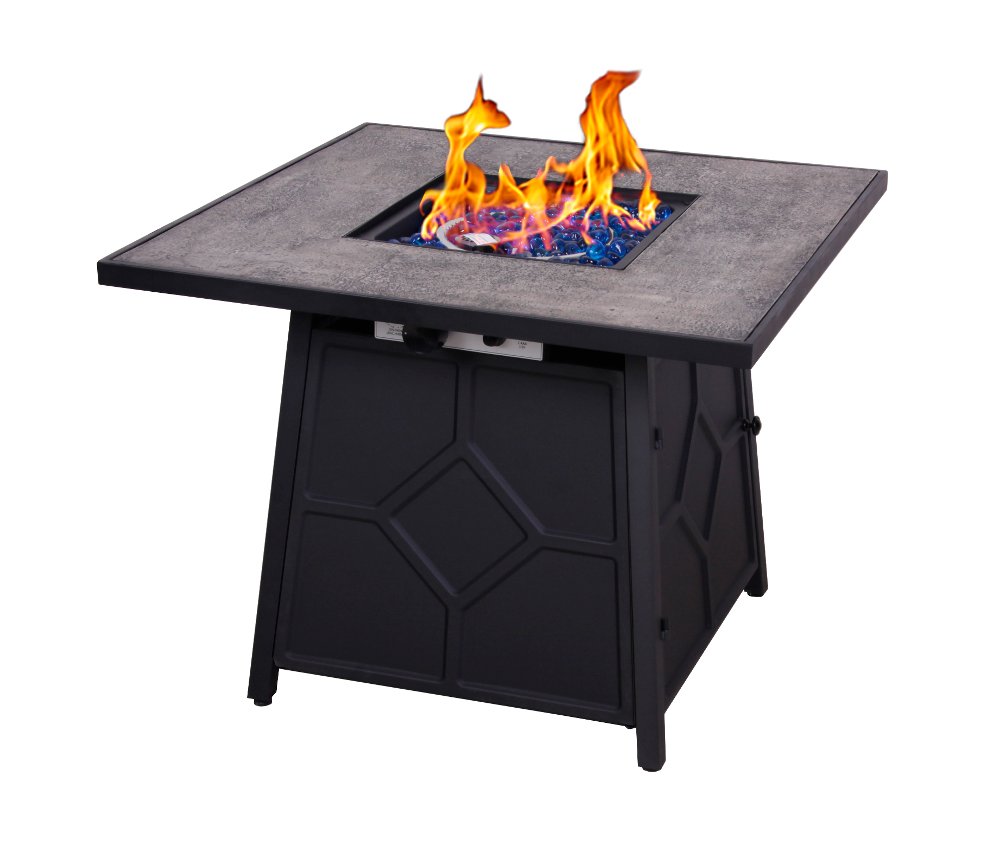
Patio deck heaters help you enjoy the outdoor spaces you love when the air turns crisp. Whether you’re gathering around a dining table, watching a game from the deck, or enjoying a quiet cup of coffee before the day begins, the right heater can make an open-air setting feel more comfortable through the cooler months. Freestanding propane patio heaters are a popular choice for their portability and strong heat output. Many models produce roughly 40,000 to 48,000 BTUs and warm a broad area around the unit, often creating a comfortable circle that reaches about 15 to 20 feet in diameter, depending on the weather, layout, and heater design. They typically use a standard 20-pound propane tank, allowing you to place the heater where people need warmth and move it aside when you want more room. Propane models work best on open, well-ventilated decks, patios, and outdoor seating areas. They’re especially useful when your outdoor arrangement changes throughout the year, such as a dining table near the house for everyday meals and a lounge area farther out for entertaining. Some freestanding heaters include wheels or other mobility features, while weighted bases and compatible anchoring accessories can add stability on a wooden deck or other exposed surface. Choose a location with a level foundation, keep the heater away from foot traffic, and follow the manufacturer’s directions for tank placement, operation, and storage. With a little planning, a portable heater can help turn a chilly evening into a comfortable one without asking you to rearrange your entire outdoor space.
Electric patio heaters offer another practical way to add warmth, especially when you have a suitable outlet nearby or prefer a heater that doesn’t require fuel storage. Infrared electric heaters warm people and nearby surfaces directly rather than relying only on heated air, which can make them a helpful option in breezy outdoor areas where warmth from a traditional heater may drift away. Depending on the design, an electric heater may plug into a standard 120-volt outlet, connect to a higher-capacity circuit, or require professional hardwiring. Wall-mounted and ceiling-mounted styles can preserve valuable floor space, making them a natural fit for covered decks, porches, and outdoor dining areas when the heater is specifically rated for that location. Always confirm the required voltage, mounting method, weather rating, and installation clearances before purchase. Gas-powered options connected to a permanent natural gas line can provide convenient, consistent heat for a dedicated outdoor living area, although installation generally requires planning and help from a qualified professional. Flame-style and pyramid-style patio heaters combine a visible flame effect with outdoor warmth, giving the heater the presence of a decorative centerpiece while people gather nearby. Their appearance may suit a more finished entertaining space, but the flame is still part of a fuel-burning appliance, so ventilation and clearance requirements remain essential. When comparing patio deck heaters, consider the size and shape of the area you want to warm, how many people typically gather there, the direction of prevailing wind, the location of outlets or gas connections, and whether you want a movable or fixed solution. A small seating nook may need a focused overhead or wall-mounted heater, while a larger open deck may benefit from one or more freestanding units positioned around the conversation area. Output matters, but placement matters just as much: a powerful heater tucked behind a railing may provide less comfort than a properly positioned heater with a lower output.
Safety should guide every patio deck heater purchase and setup. Keep all heaters at the manufacturer’s recommended distance from walls, railings, furniture, umbrellas, awnings, deck roofs, siding, curtains, and other combustible materials. Never use a propane or natural gas heater in a fully enclosed or unventilated space, including a closed porch, garage, tent, or enclosed room. Covered areas need special attention because the ceiling height and construction can affect safe operation; use only models approved for that environment and follow the listed clearance requirements. Keep children and pets away from hot surfaces, flames, controls, and fuel connections, and inspect cords, hoses, reflectors, and fittings before use. Turn the heater off when you leave the area, and allow it to cool completely before covering, moving, or storing it. A secure, level base helps prevent tipping, while a weighted base or approved bolt-down kit may provide additional stability in windy locations. Store propane tanks according to local requirements and never bring a tank indoors. Patio deck heaters can also make thoughtful gifts for new homeowners, hosts who enjoy outdoor dinners, or anyone who has created a backyard seating area but finds it underused during cooler weather. They’re practical for families that gather around a fire pit, friends who linger after dinner, and people who like to read, garden, or relax outside beyond the warmest part of the year. If your outdoor plans extend into the colder season, explore Outdoor Patio Heaters For Winter for more ways to make an outdoor space feel welcoming. A well-chosen heater won’t change the view, the company, or the meal on the table—it simply helps everyone stay a little longer and enjoy the deck as part of home.
Read More