Patio lighting makes an outdoor seating area feel more inviting while helping people see the table, find a doorway, and move comfortably between spaces after dark. The most useful arrangements combine ambient light for general visibility, task light for activities, and accent light that brings attention to steps, planters, or architectural details. Overhead string lights can define a conversation area, wall-mounted lighting can brighten the transition between the house and patio, and low-level path lighting can make the edges easier to follow. Each layer has a different job, so a comfortable space doesn’t need every light shining at the same intensity. Around a dining table, a gentle overhead glow helps guests see their plates and one another without the glare of a bright bulb at eye level. Beside a lounge chair, a portable outdoor lamp can provide a more focused pool of light for reading or playing cards. A lantern on a side table adds a small point of warmth without taking over the scene. Scale matters as much as style: a compact balcony may feel complete with a few well-placed light sources, while a larger patio with separate dining and seating areas benefits from distinct pools of illumination. String lights arranged across a pergola create a ceiling-like effect that visually gathers furniture into a room. Wall sconces can frame a door or give a blank exterior wall a little more presence. Along a walkway, shielded fixtures that direct light downward help show the route without shining into nearby windows. For a cohesive look beyond the patio itself, coordinating outdoor lighting can connect the seating area with a porch, garden path, or backyard entrance. The goal is a setting that feels easy to use, whether it’s the backdrop for a quiet dinner, a family game, or a long conversation with friends. A little contrast between brighter gathering spots and softly lit surroundings keeps the patio welcoming rather than washed out.
Materials, construction, and outdoor ratings help determine where patio lights belong and how well they’ll hold up. Powder-coated aluminum is relatively lightweight and resists corrosion when its protective finish stays intact. Steel offers a substantial feel, though scratches in the finish may need attention to help prevent rust. Brass, copper, and certain other metals can develop a patina over time, which suits some styles but may look different from their original finish. Glass shades offer clarity and a polished appearance, while outdoor-rated resin or polycarbonate shades can be practical where lower weight and resistance to breakage matter. Shatter-resistant bulbs are worth considering above seating and dining areas, but that designation doesn’t mean they’re unbreakable. Exposure ratings are especially important: damp-rated lighting is generally intended for protected locations that experience moisture without direct rain, while wet-rated fixtures are designed for locations exposed to rain when installed as directed. A roof overhead doesn’t automatically make every position sheltered, particularly near the edge of a covered patio. The manufacturer’s rating and installation instructions should guide placement. Fit also includes the details that are easy to overlook, such as a sconce’s projection beside an opening door, the height of hanging lights above a walking route, or the footprint of a lantern on a narrow table. With string lights, consider both the illuminated length and the distance between the plug and first bulb; the overall cord length alone won’t tell you how much of the seating area will glow. Secure supports and manufacturer-approved mounting methods help prevent sagging and keep cords away from foot traffic. For long spans, a support cable may be required rather than relying on the electrical cord to carry the weight. Hardwired fixtures call for proper electrical installation, and outdoor plug-in lighting needs a suitable GFCI-protected power source. Those practical details make it easier to choose lighting that fits the space instead of rearranging the space to accommodate the lights.
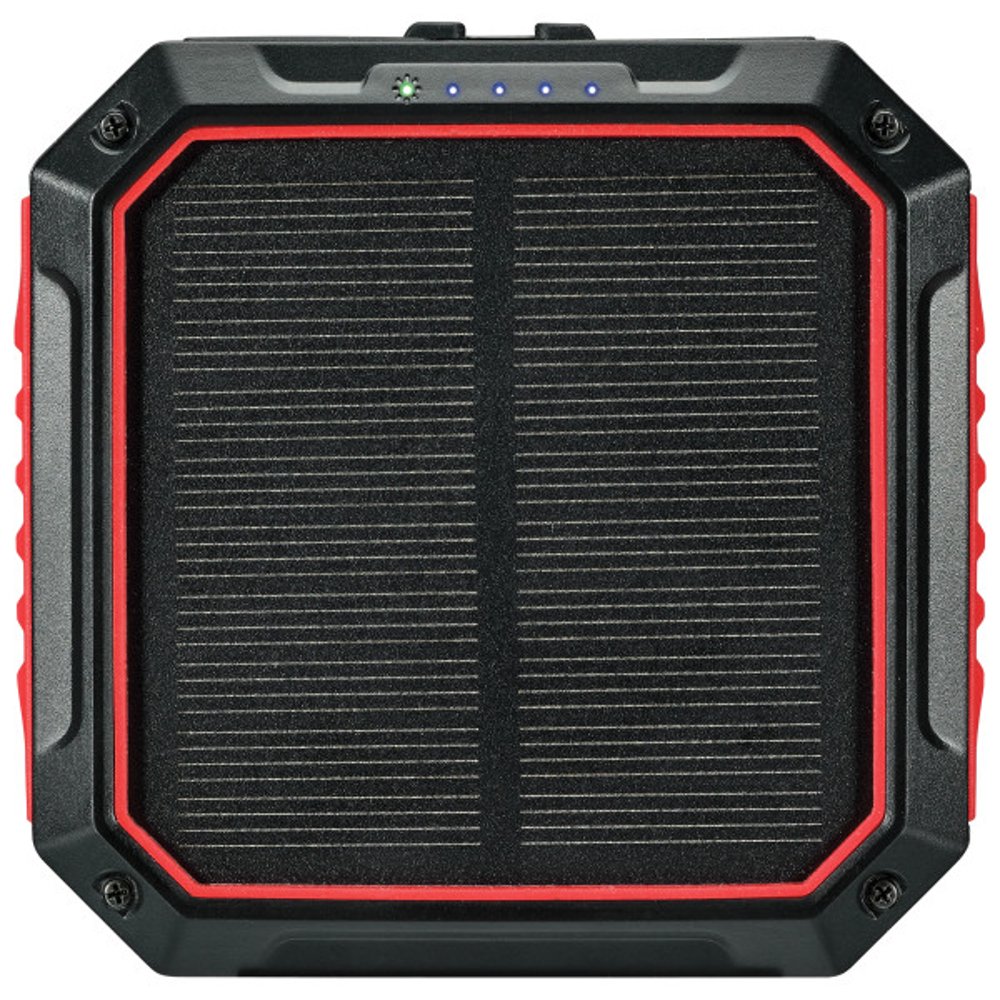
Brightness, light color, and power source shape the everyday experience just as much as the fixture’s appearance. Lumens describe light output, so they’re more useful than wattage when comparing how bright different LED options will look. Warm white light, often around 2700K to 3000K, creates a relaxed atmosphere around upholstered seating, wood furniture, and dining areas. A somewhat cooler light can suit task-focused locations, but matching color temperatures across neighboring fixtures usually gives the patio a more settled, intentional look. Clear bulbs emphasize sparkle and visible filaments; frosted bulbs and diffused shades soften the source, which can be more comfortable close to faces. Dimmable lighting adds flexibility for a meal that turns into an evening of conversation, provided the bulbs, fixture, and dimmer are compatible. LEDs typically use less energy than incandescent bulbs, though replaceable bulbs and integrated LED designs have different maintenance considerations. With integrated lighting, check whether the light source or other components can be serviced. Plug-in options work well near an appropriate outlet, rechargeable lights offer flexibility on tables, and solar patio lights can illuminate areas without a nearby power connection. Solar performance depends on direct sunlight, panel placement, and battery condition, so a shaded corner may not provide the charging conditions needed for consistent runtime. Rechargeable designs also need a convenient charging routine, particularly when they’re used for longer gatherings. For care, disconnect power before cleaning and follow the manufacturer’s directions; a soft cloth and mild cleaning solution may be suitable for many surfaces, while abrasive cleaners can damage finishes or shades. Periodically check cords, sockets, mounting hardware, and seals for wear, and stop using damaged lighting. Portable pieces should be stored as directed when not in use. Easy-to-place outdoor lighting can also make a thoughtful housewarming gift for someone settling into a home with a patio or balcony, especially when it doesn’t require permanent installation. Whether the setting is a small bistro table or a spacious outdoor living area, well-chosen patio lighting supports the moments that happen there without demanding attention of its own.
Read More