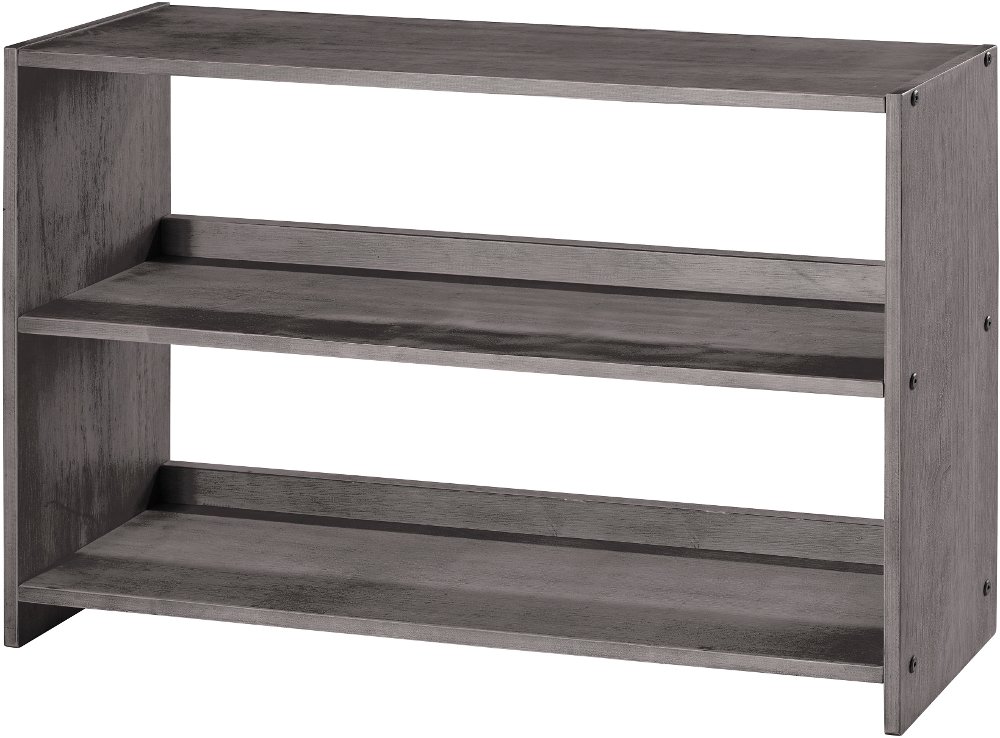
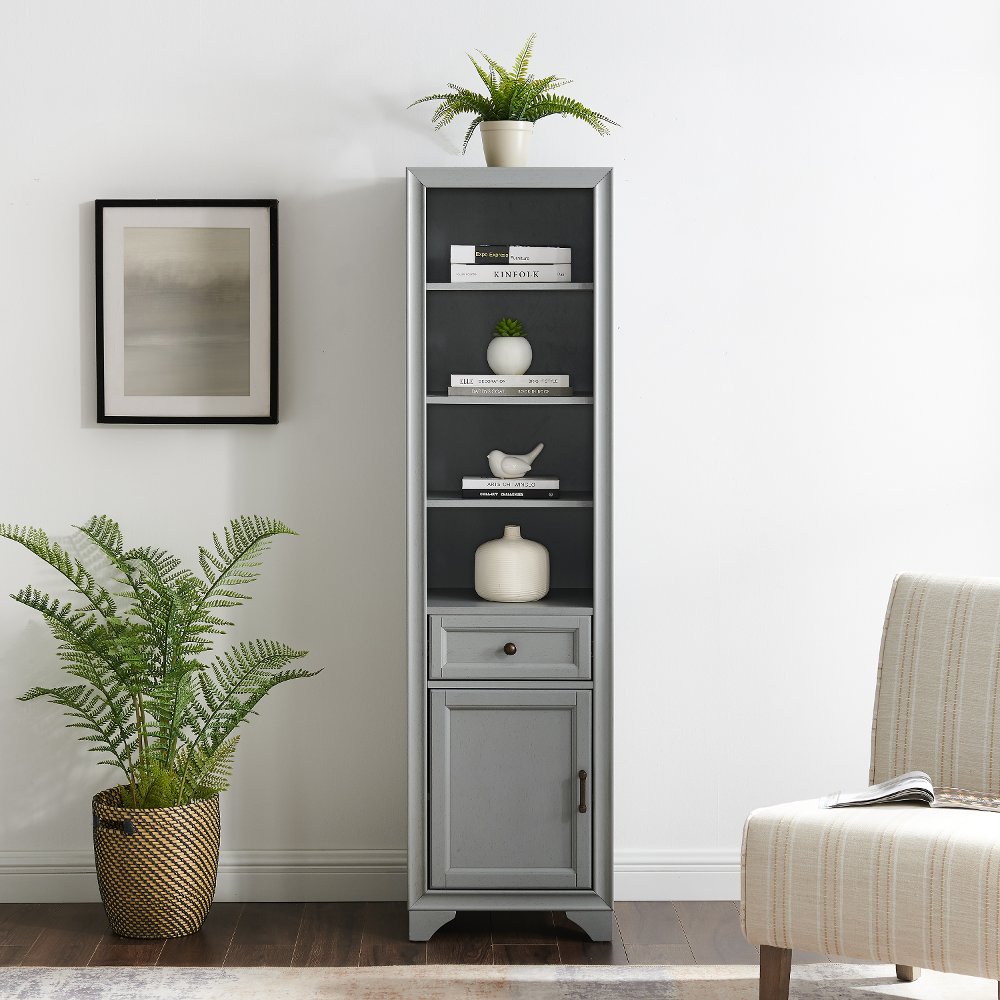
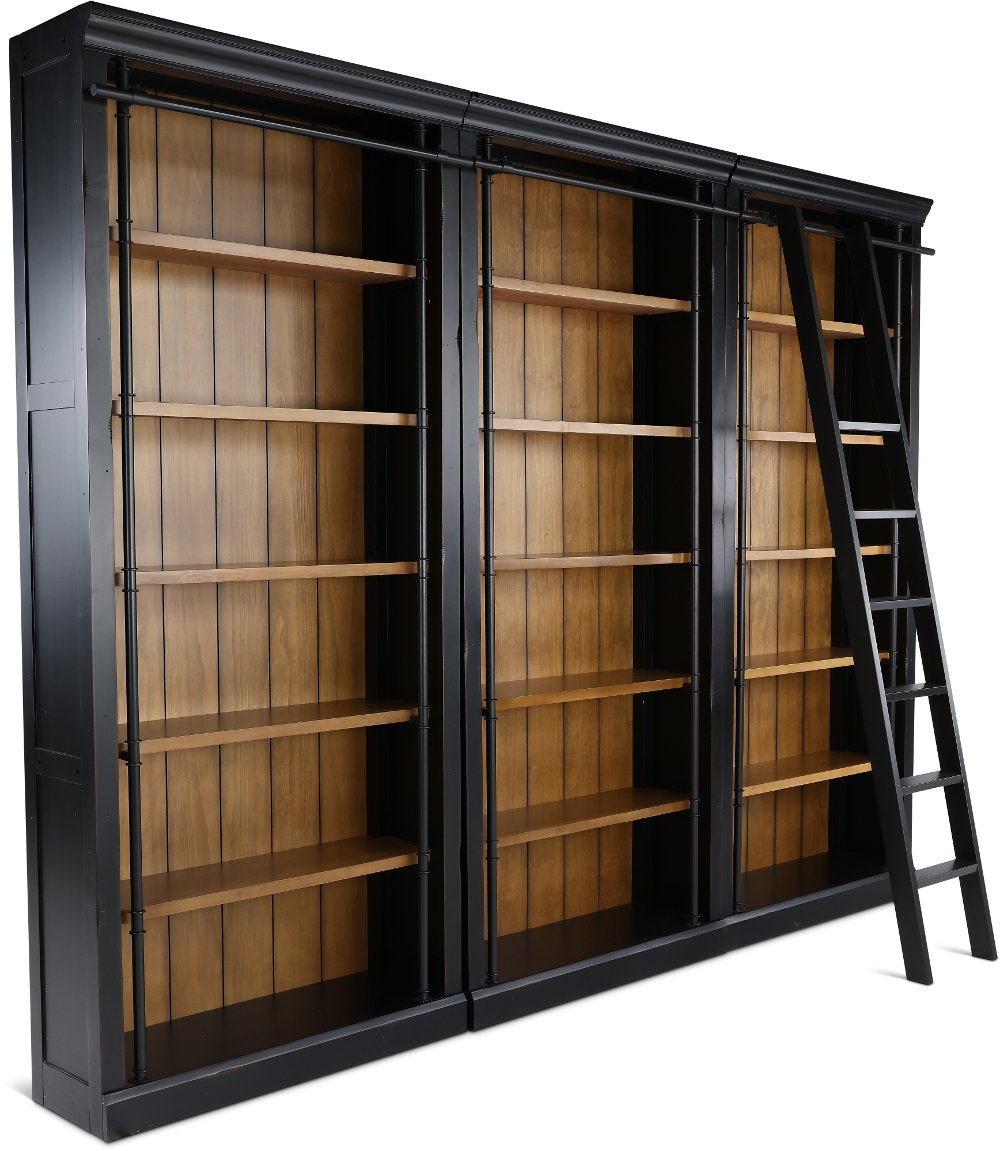
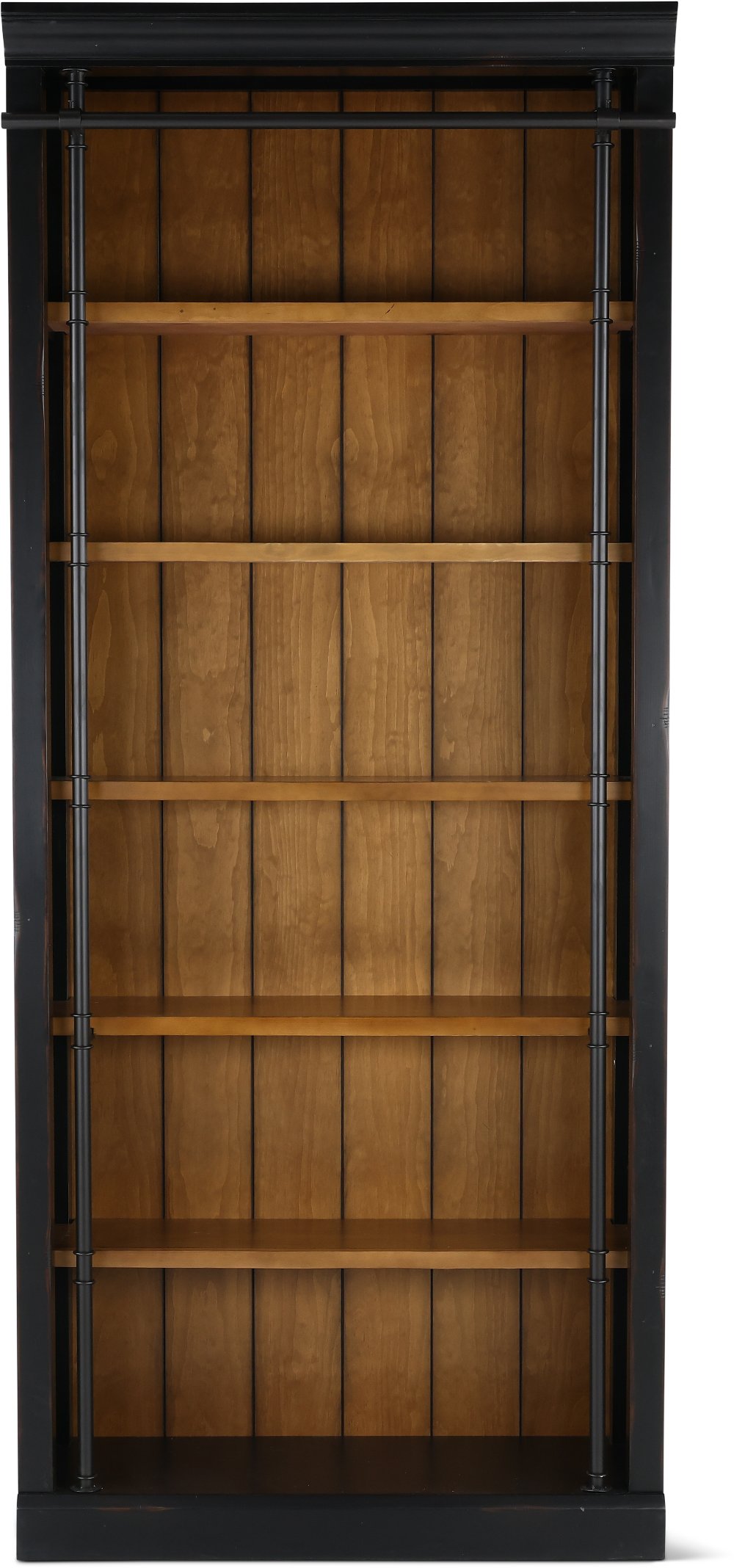
Pine shelves bring the warmth of real wood into everyday storage, giving books, framed photos, and favorite keepsakes a place that feels like part of the room rather than an afterthought. Pine’s visible grain and natural knots lend each piece its own character, from subtle lines across a shelf’s surface to darker markings that stand out against a light finish. That variation works especially well in relaxed spaces, where a shelf can sit comfortably beside woven baskets, upholstered seating, or a well-loved wooden table. Pine can also suit a cleaner, more modern look when paired with simple profiles, understated hardware, and a finish that complements the surrounding furniture. A clear finish emphasizes the wood’s natural color, while stained surfaces can create a deeper tone and painted finishes can make the shelving blend into a wall or cabinet. The finish matters as much as the shape when choosing something that feels at home in your space. A pale shelf against a light wall keeps a reading nook airy, while a darker finish can give a collection of books a more defined frame. Construction deserves attention, too. Solid pine, pine veneers, and mixed-material designs can differ in weight, appearance, and care requirements, so the material description helps clarify what you’re bringing home. A pine surface doesn’t necessarily mean every part of the shelving is solid wood. As a softwood, pine can pick up dents and scratches more readily than many hardwoods, especially along exposed edges. That doesn’t rule it out for everyday use; it simply makes the finish, construction, and intended workload important considerations. In a home office, living room, bedroom, or hobby space, pine shelving can provide useful storage without making the room feel overly formal. Whether your style leans rustic, farmhouse, traditional, or pared back, the most successful choice connects the wood’s character with the way you actually use the room.
The right proportions help pine shelves earn their place, whether you need a few wall-mounted ledges or a freestanding unit with room for a growing book collection. Width is only part of the fit. Shelf depth determines whether a large hardcover sits securely, a storage basket fits without overhanging, or a display piece projects too far into a walkway. Height and spacing matter just as much: closely spaced shelves work well for smaller paperbacks, while taller openings accommodate binders, upright picture frames, or larger baskets. Adjustable shelving offers flexibility when the contents change, though the supports and weight limits still need to suit the load. In a compact room, small shelves can provide a useful place for everyday essentials without taking over the wall or floor. A shallow shelf near a desk might hold reference books and a small catchall, leaving the work surface clear for a laptop and notebook. Near an entryway, shelving can organize the things that otherwise gather on a nearby table, provided its placement leaves doors and walking paths unobstructed. Before choosing a size, account for baseboards, outlets, furniture below the shelf, and the reach needed to use it comfortably. Wall-mounted designs also depend on the wall itself. The shelf, brackets, fasteners, and mounting surface work together, and the manufacturer’s installation instructions and load rating should guide the setup. A shelf meant for lightweight display pieces may not suit a row of heavy textbooks. Long spans can also sag under weight, so thickness, support placement, and construction matter more than appearance alone. Freestanding shelving needs a stable, level position and any anti-tip anchoring specified by the manufacturer, particularly in homes with children or pets. Keeping heavier belongings on lower shelves helps create a more balanced arrangement, but it doesn’t replace proper anchoring. These practical details let you choose shelving that fits both the space and the job, rather than squeezing your storage needs into the wrong dimensions.
Pine shelves are especially useful when you want storage that can change along with your household. A shelf that holds storybooks in a child’s room may later organize school supplies, while shelving in a guest room can make space for reading material, folded linens, or a basket of everyday comforts. In shared living areas, a mix of closed baskets and open display space keeps useful belongings close without making every shelf feel crowded. Leaving a little room around a framed photo or a favorite ceramic piece lets the wood grain remain visible and makes dusting easier. Care is generally straightforward, but the finish determines the best approach. A soft, dry cloth handles routine dust, and a lightly dampened cloth may be appropriate for some finished surfaces when followed by prompt drying; follow the manufacturer’s care directions before using cleaners or polish. Avoid leaving moisture on the wood, and place a waterproof barrier beneath a plant pot so watering doesn’t leave rings or seep into the surface. Untreated pine needs particular attention because spills can absorb into the wood more easily. Pine shelving in a bathroom, laundry area, or another moisture-prone space needs a finish and construction intended for that environment. Stable indoor conditions and placement away from direct sunlight or concentrated heat can help limit uneven fading and movement in the wood. Everyday habits also make a difference. Lifting a basket instead of dragging it protects the surface, and felt pads beneath decorative objects can reduce scuffs. Pine shelves can make a thoughtful housewarming gift for someone setting up a first apartment or creating a dedicated reading corner, especially when the dimensions, finish, and installation needs match their home. For your own space, the best choice supports the routines already happening there: books within reach of a favorite chair, supplies beside a work area, or treasured photos where you’ll see them each day. Useful storage and natural character can share the same space, giving your belongings a home that feels personal and easy to live with.
Read More