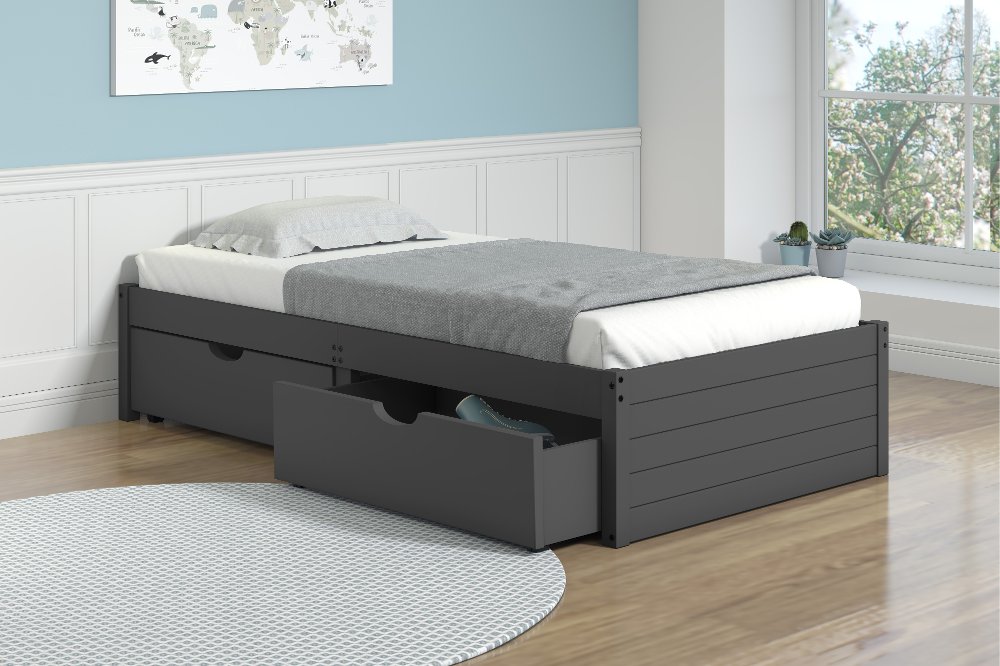
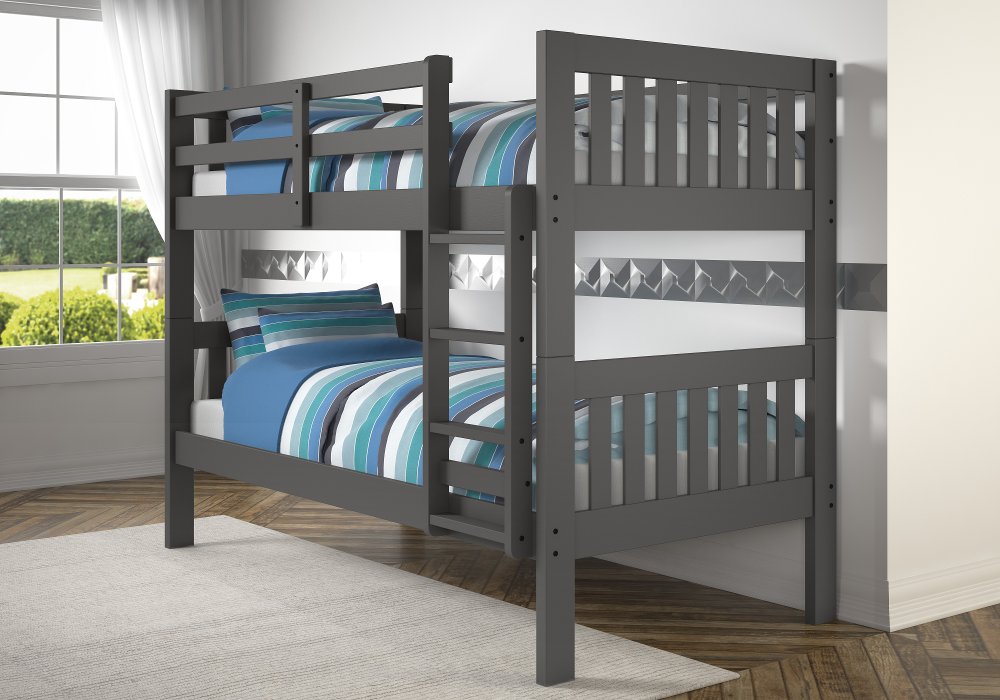
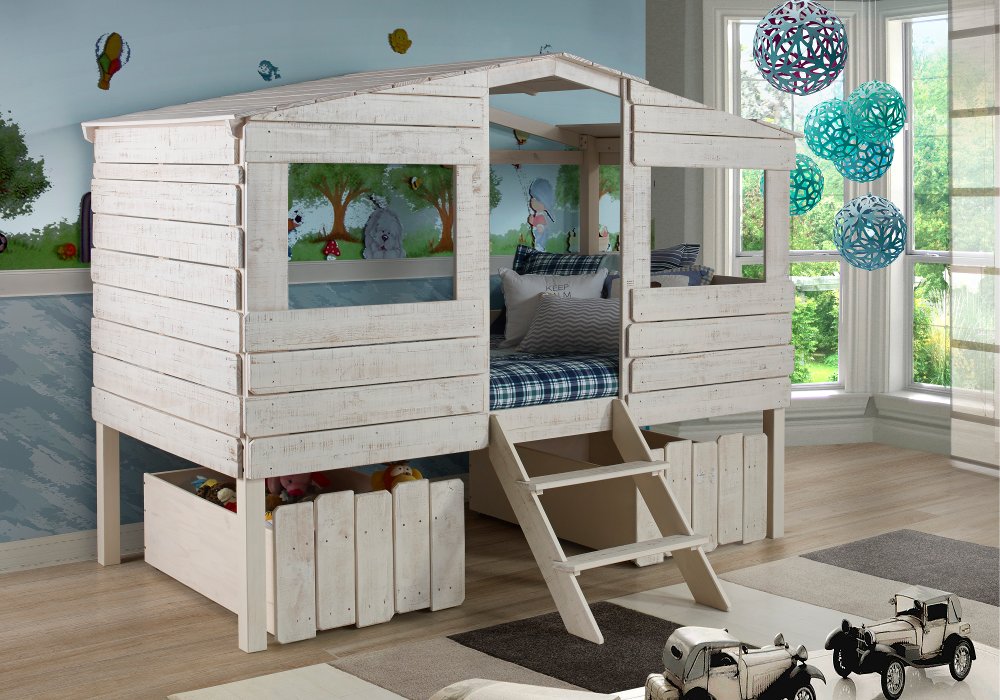
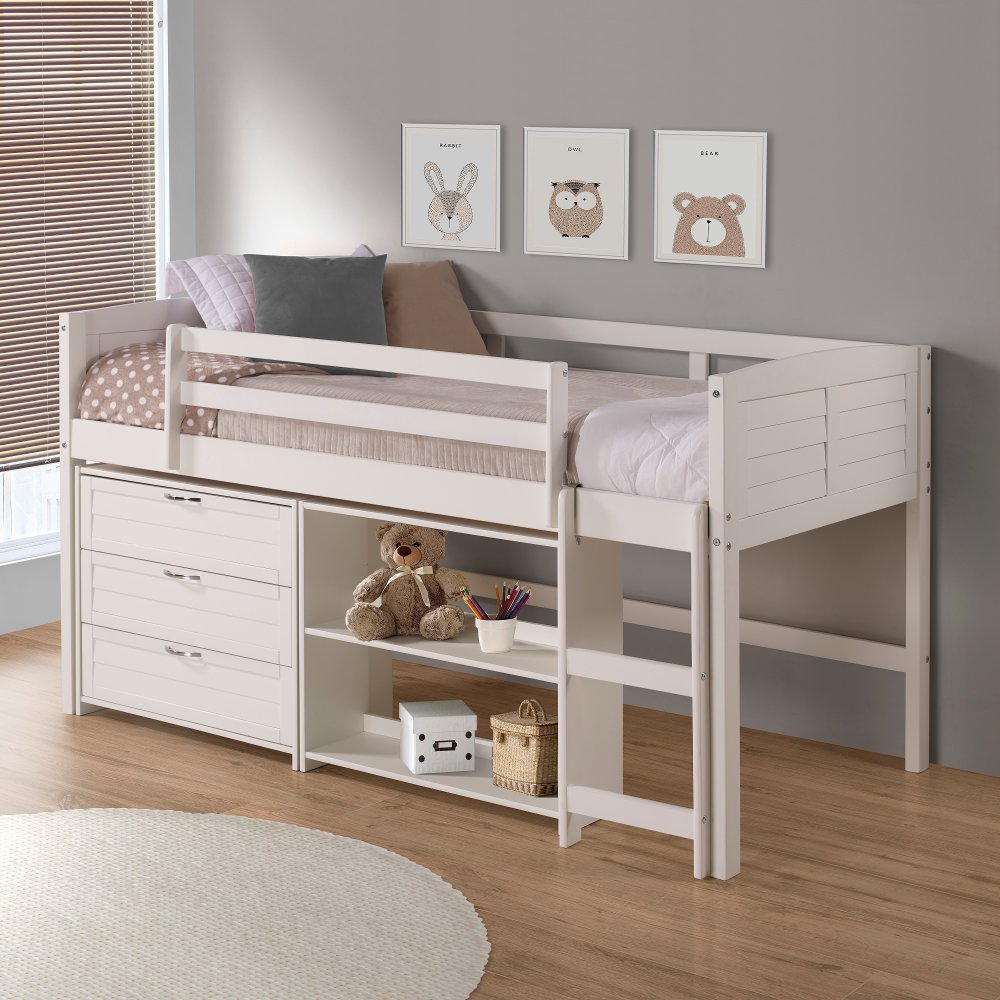
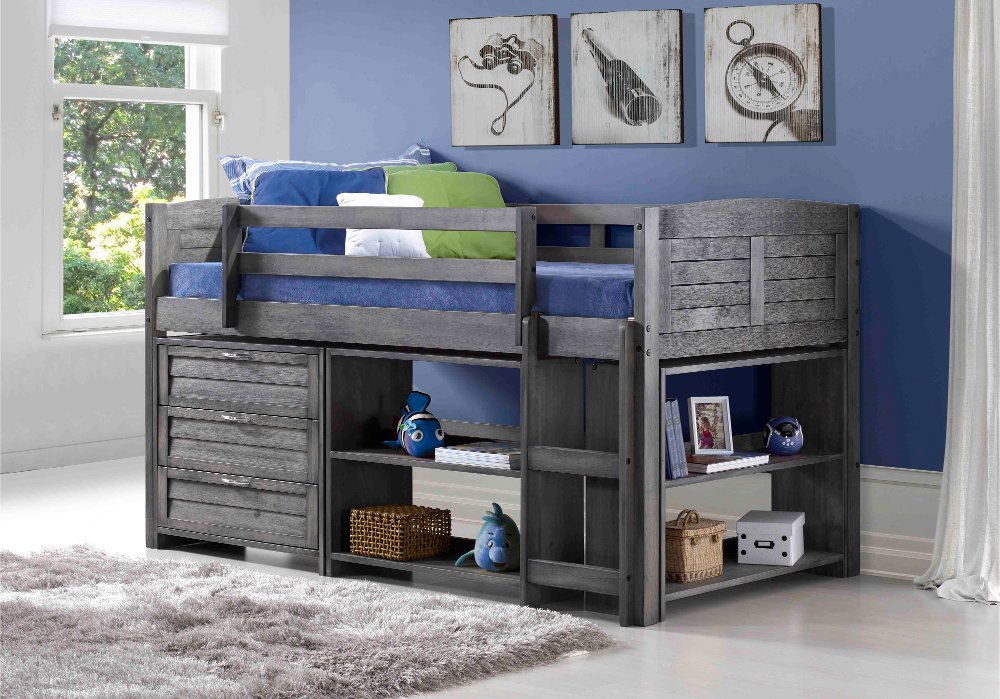
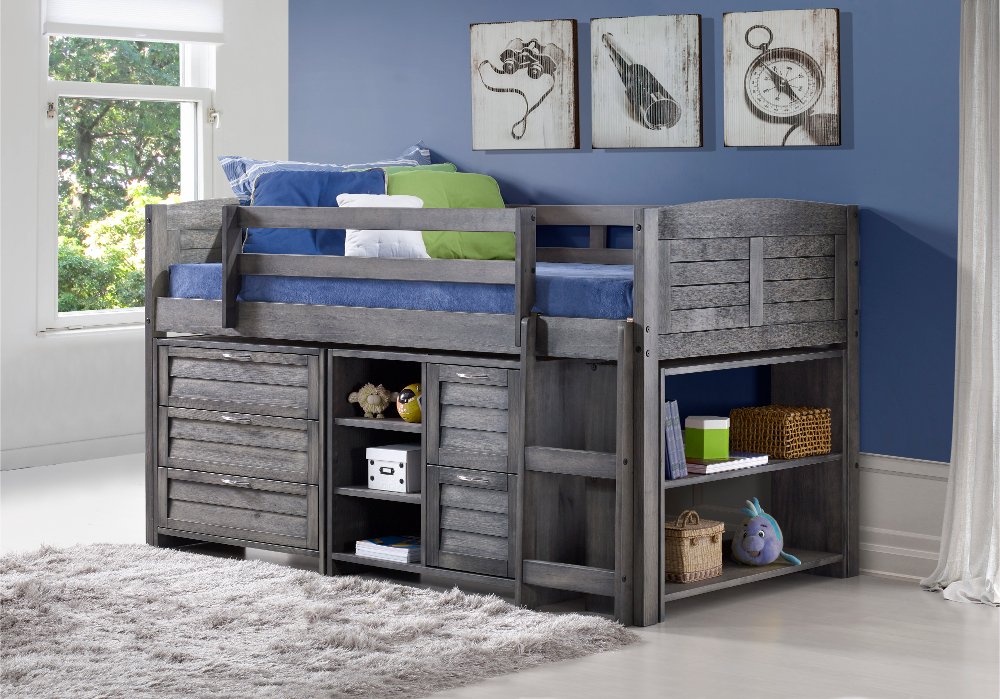
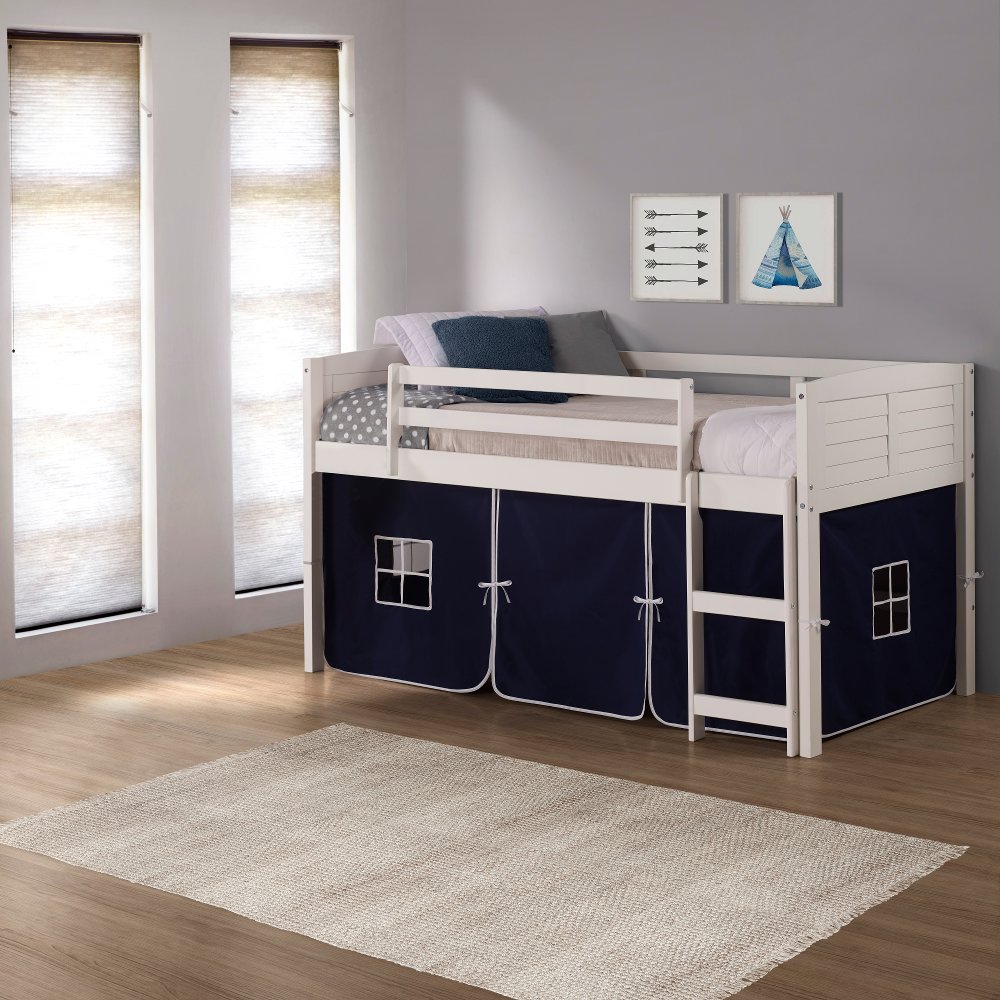
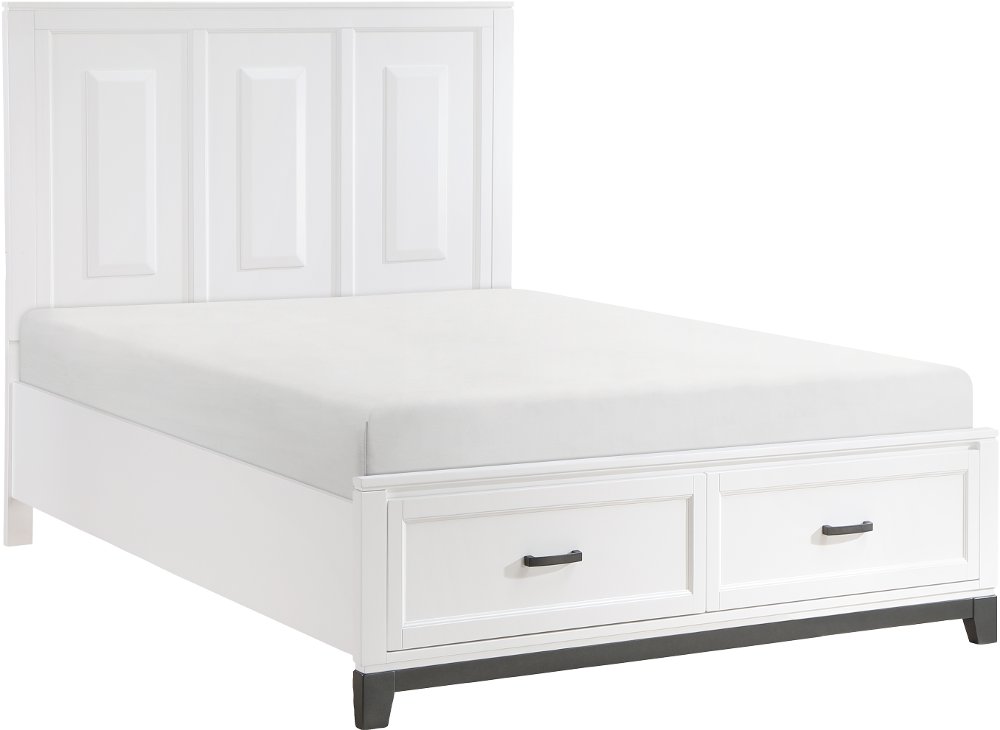
Pine twin beds bring the character of real wood to a compact sleeping space, with grain patterns and knots that give each frame a slightly different look. A standard twin mattress measures approximately 38 inches wide by 75 inches long, making this bed size a practical choice for a child’s bedroom, a teen’s smaller room, or a guest room that also serves as a home office. The frame’s outside dimensions will be larger than the mattress, so its full measurements matter as much as its mattress size. Pine is a softwood, valued in furniture for its workable texture, relatively light weight, and range of natural grain patterns. Depending on the species and finish, its coloring can range from creamy white to pale yellow or warm amber. A clear finish lets those variations show, while stain can deepen the wood’s color and paint can create a more uniform appearance. Knotty pine suits a relaxed, rustic setting, where visible grain looks at home beside woven baskets and a patchwork quilt. Pine with fewer visible knots can feel equally comfortable in a streamlined bedroom with simple bedding and clean-lined furniture. Low-profile platform shapes keep the overall look light, while panel headboards add a more substantial backdrop for pillows. Slatted headboards offer an open look that can help a small room feel less crowded. These design differences make a pine twin bed useful beyond a single decorating style or stage of life: a straightforward frame can move from a child’s room to a spare bedroom as household needs change. For siblings sharing a room, two twin beds create separate places to sleep without requiring the floor space of larger mattresses. For an occasional guest, one twin bed can leave room for a reading chair or a small desk. The right design balances that everyday usefulness with details that feel comfortable in your home, whether that means a softly rounded headboard, a simple natural finish, or a frame that coordinates with an existing dresser.
The construction of a pine twin bed determines how it supports the mattress and how comfortably it fits into daily routines. Solid pine describes the wood used in the components identified as solid; it doesn’t automatically mean every part of a bed uses the same material. Product specifications should distinguish solid wood parts from veneers, engineered wood panels, and other supporting materials. Platform beds typically use slats or a deck to support a mattress without a separate box spring, but the bed’s instructions and the mattress manufacturer’s support requirements need to agree. Slat spacing matters, especially for foam mattresses that require closely spaced support. Other frame designs require a compatible foundation, which adds height and changes where the mattress sits against the headboard. The finished sleeping height includes the frame, any foundation, and the mattress itself. For a child moving from a toddler bed, an approachable height can make getting in and out easier; for an adult guest, a very low frame may be less comfortable to use. Twin and twin XL mattresses aren’t interchangeable: a twin XL is typically 80 inches long, so taller sleepers need a frame specifically designed for that length. Placement deserves similar attention. A headboard should sit comfortably beneath a window ledge if that’s the intended location, and a footboard shouldn’t crowd the route between the door and the closet. Under-bed clearance can turn otherwise unused space into a home for shallow bins of toys, extra sheets, or folded blankets. Storage drawers need enough room to open, while a trundle requires a clear pullout area and a mattress within its specified thickness limit. In a narrow bedroom, those moving parts can affect the layout as much as the bed itself. A quick check of door swings, dresser drawers, baseboards, and nearby outlets helps a compact twin bed feel genuinely space-saving rather than simply small. Headboard height also makes a difference when the bed doubles as a spot for reading, since pillows need enough backing to stay comfortably in place.
Durability in a pine twin bed comes from the complete structure, not just the wood species or the thickness of the headboard. Secure rail connections, sound slat attachment, appropriate supports, and correctly tightened hardware all contribute to a stable frame. Pine is generally softer than common furniture hardwoods such as oak, so it can pick up dents from dropped toys, hard bumps, or repeated contact with a bedside table. That softness doesn’t make a pine bed unsuitable for everyday use, but it does set realistic expectations for its surface over time. A protective finish helps with routine wear and cleaning, though no finish makes wood scratchproof. In a child’s room, a textured or rustic surface may make small marks less noticeable; a smooth painted surface can show chips more clearly, particularly along exposed edges. For a closer comparison focused on frame stability, Sturdy Twin Beds offers a related place to continue browsing. Any bed’s stated weight limit and intended use still matter, including how the manufacturer accounts for the mattress, foundation, and sleeper. A twin frame intended for an adult guest needs specifications that support that use, just as a child’s bed needs age-appropriate features and careful assembly. Gentle care helps preserve both appearance and function. Dusting with a soft cloth keeps grit from collecting on rails and headboard ledges, and spills are best wiped up promptly rather than left to soak into seams. Cleaning products should match the finish manufacturer’s recommendations; abrasive pads and harsh cleaners can dull or damage the surface. Unfinished pine needs different treatment from sealed wood, and it shouldn’t be assumed ready for damp cleaning or protected against stains. Following assembly instructions, checking fasteners as directed, and lifting rather than dragging the frame during a move help protect its joints. With suitable mattress support, thoughtful room placement, and straightforward upkeep, a pine twin bed can provide a dependable place to sleep while leaving space for the rest of everyday life.
Read More