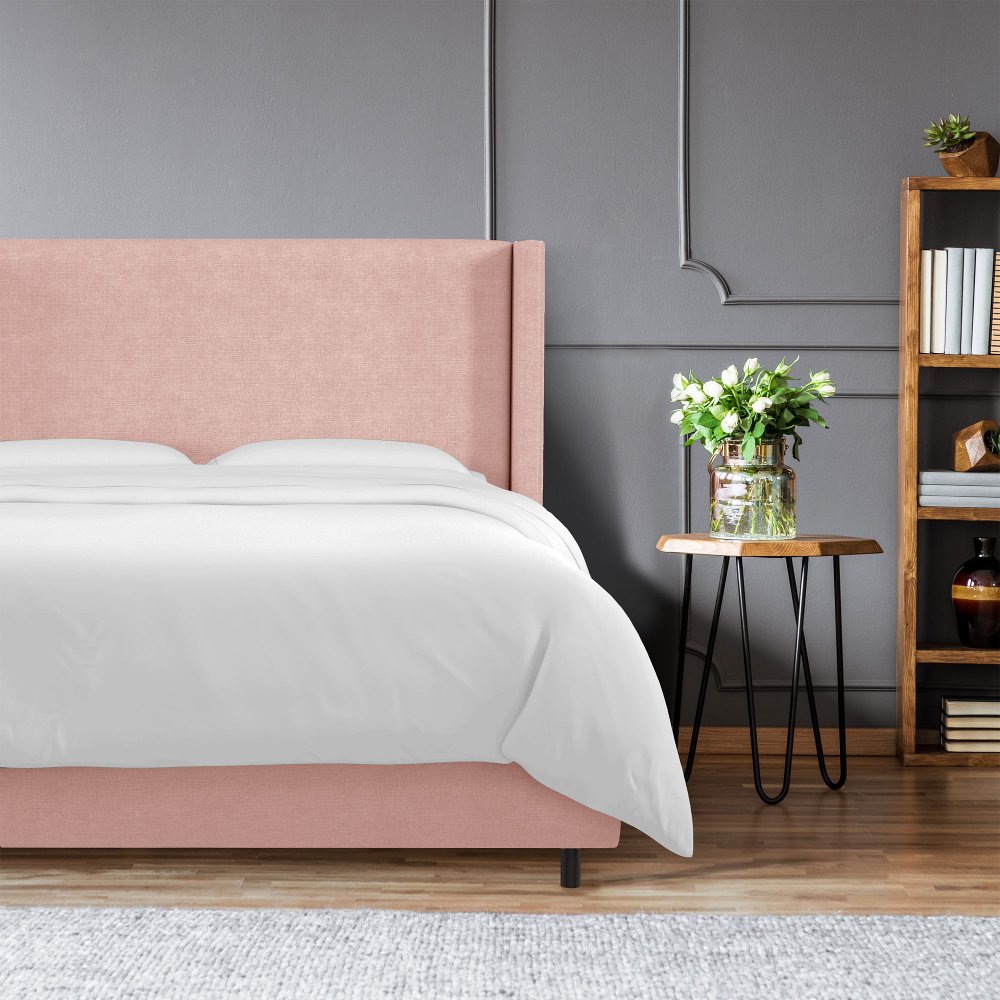
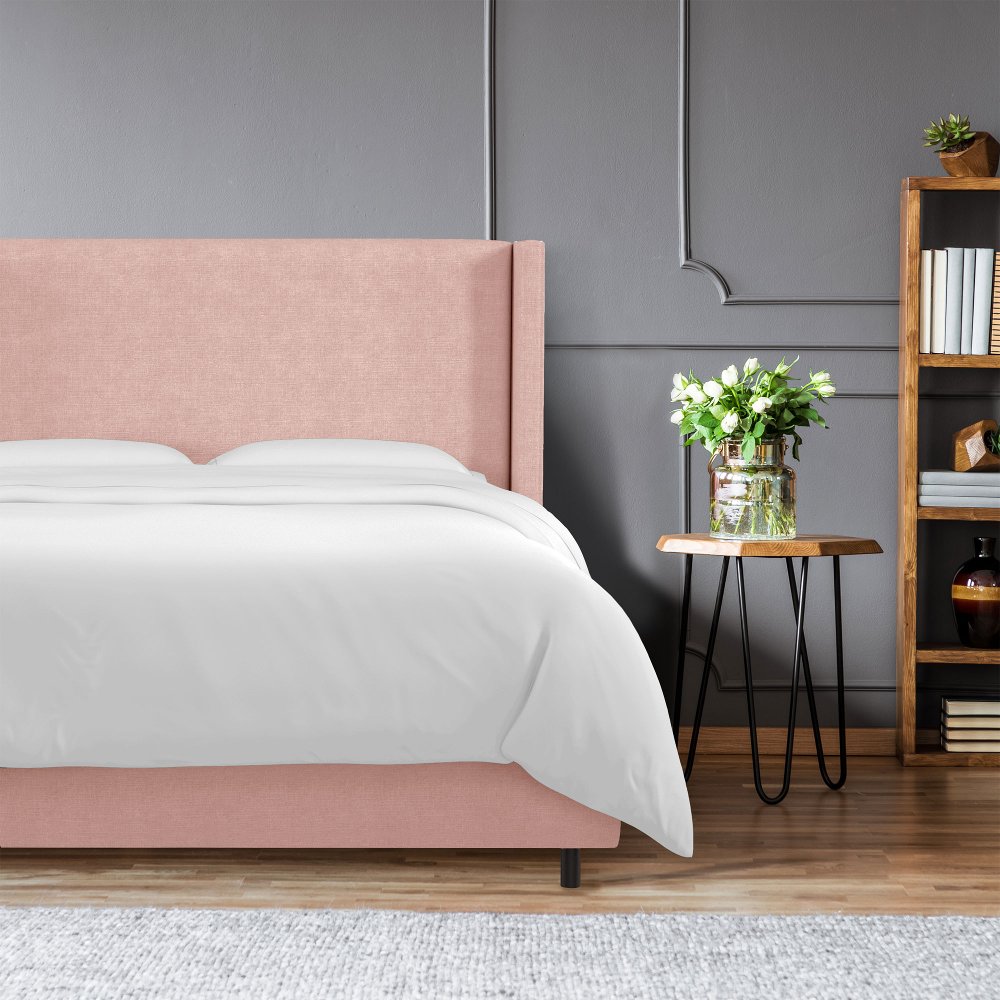
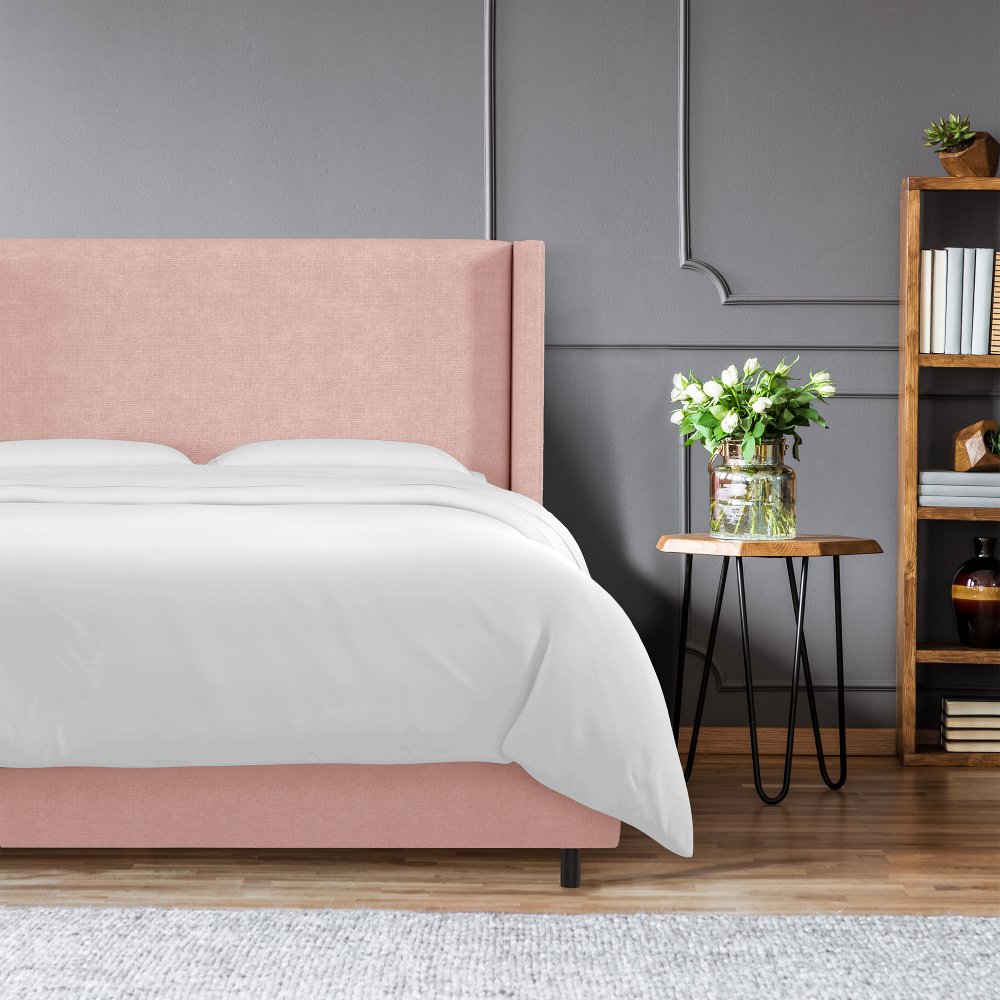
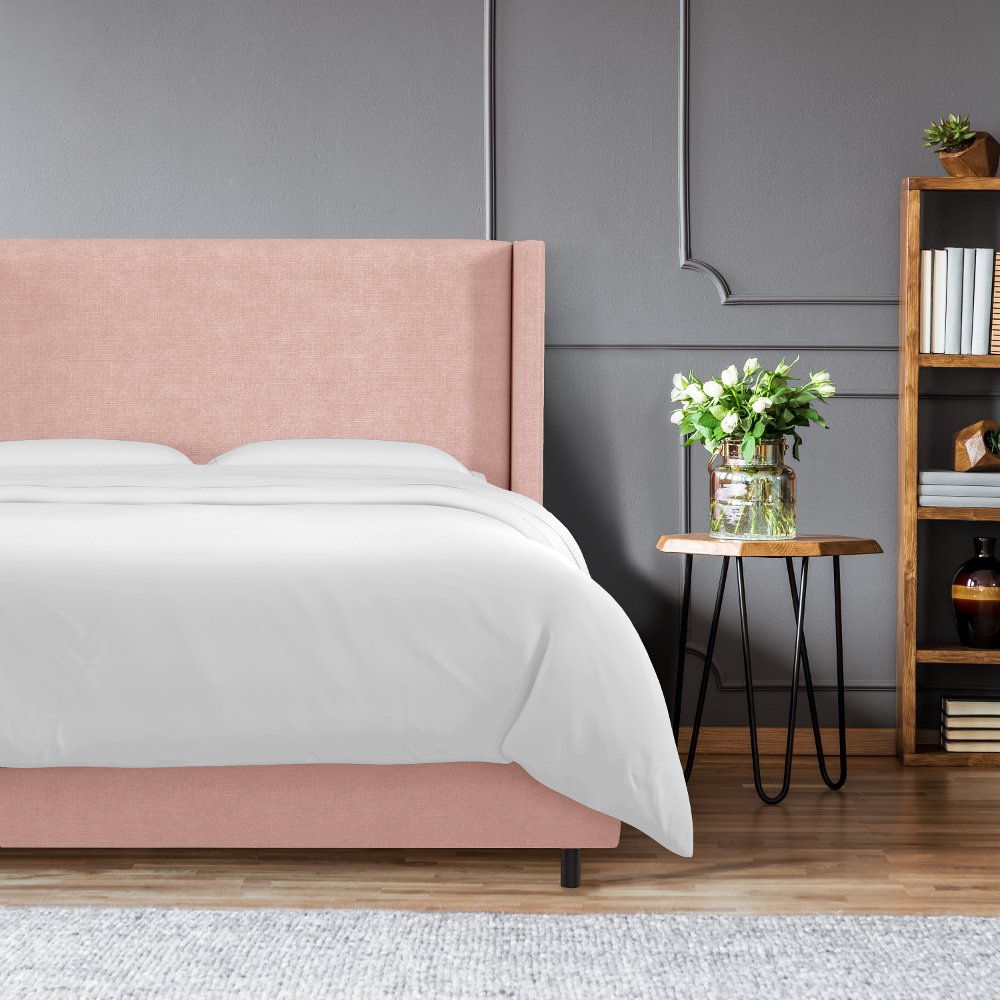
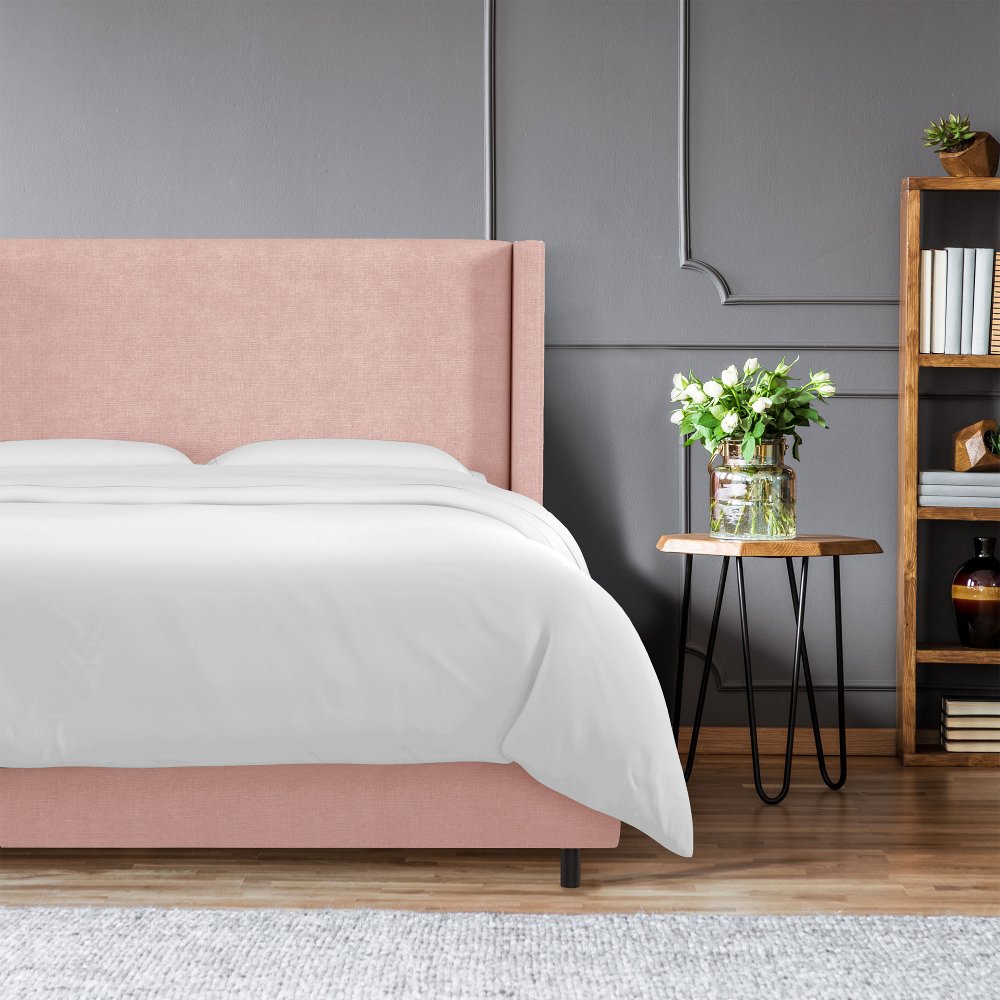
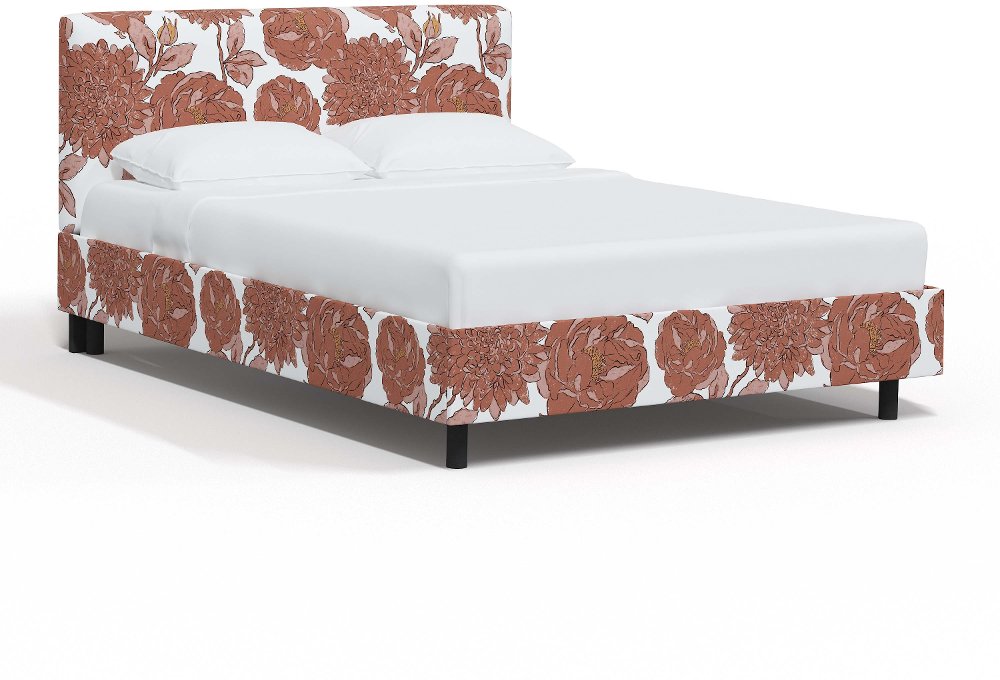
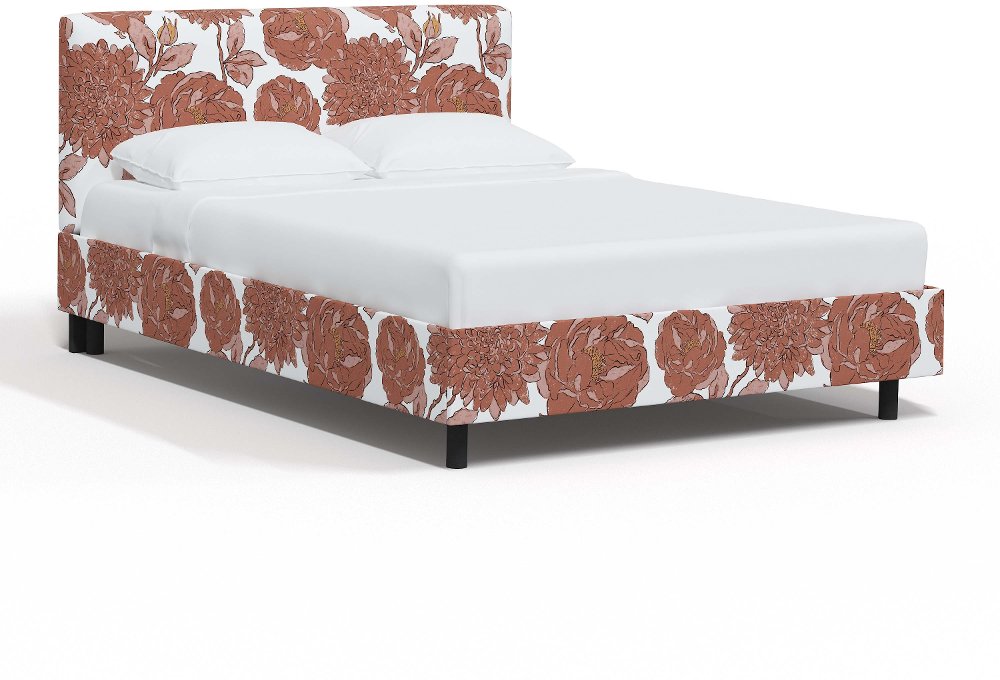
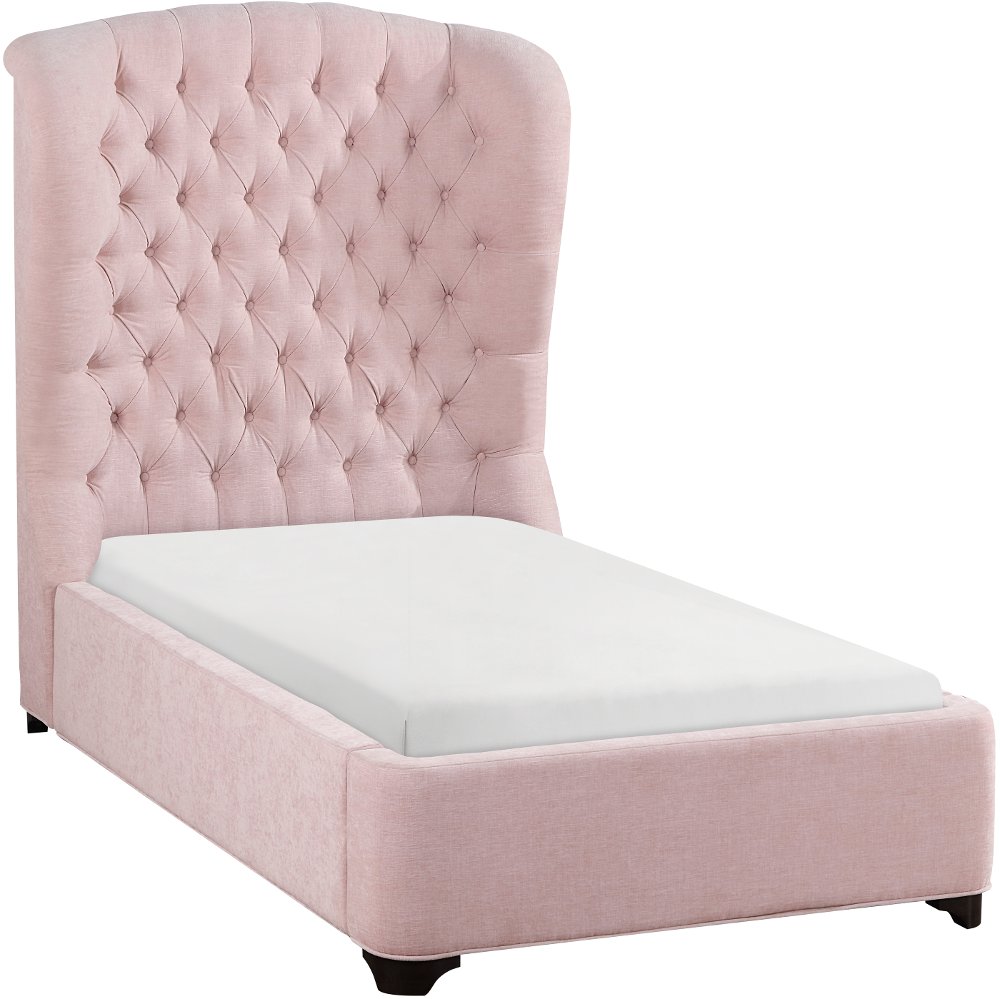
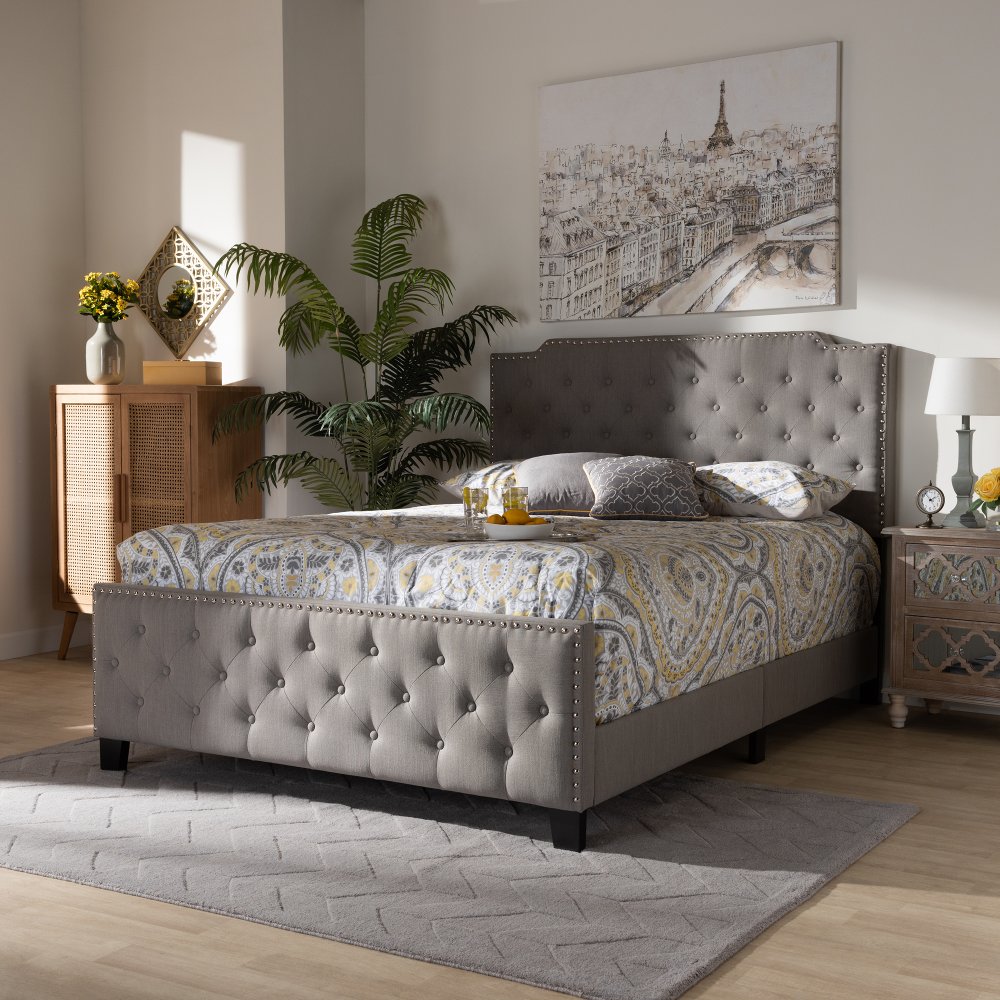
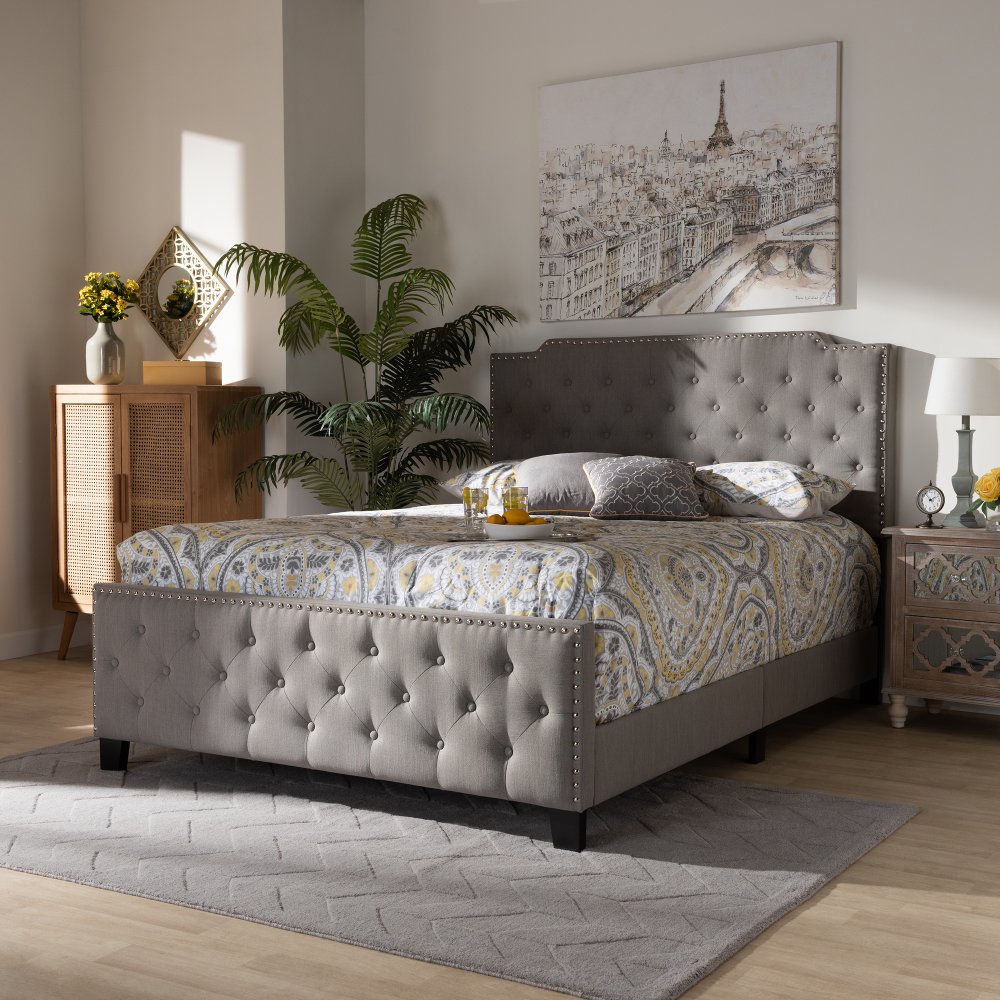
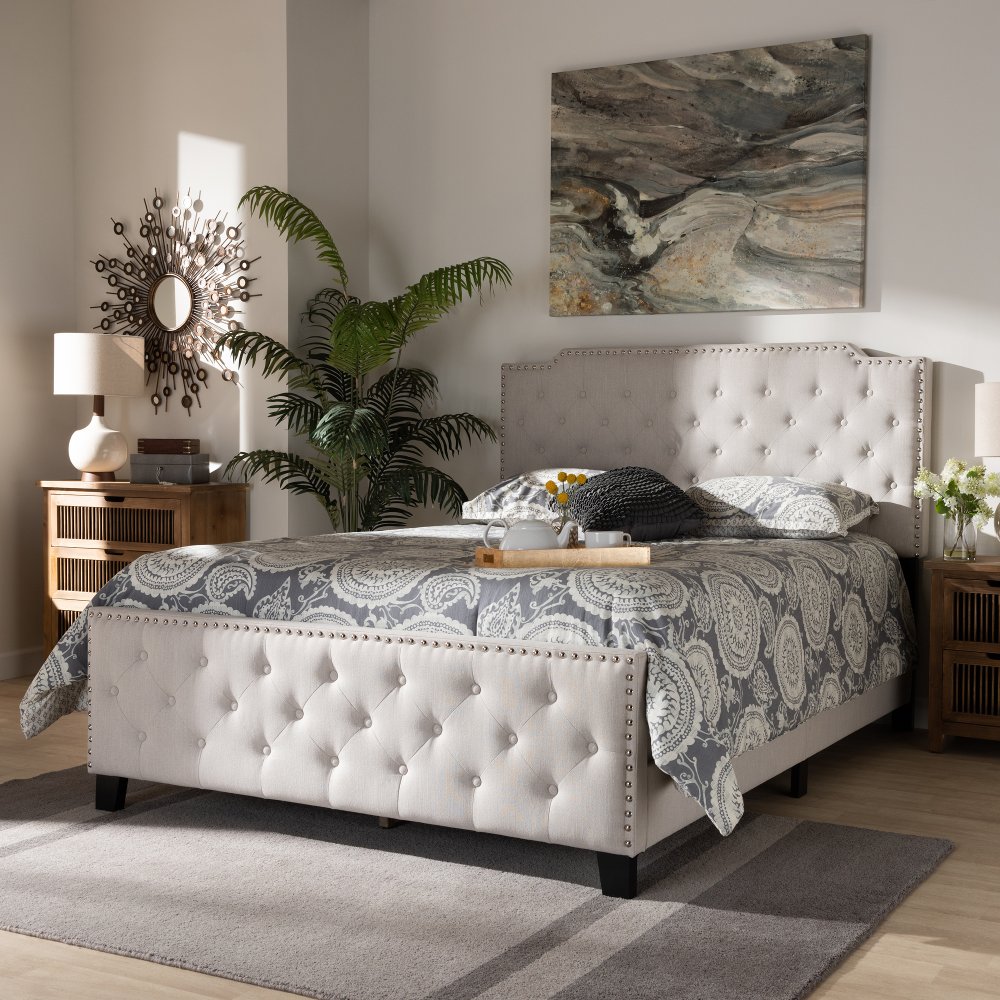
Pink beds bring color into the bedroom through the bed frame, headboard, or upholstered surround, making the room’s main piece of furniture part of its personality. The effect can be quiet and understated or playful and expressive, depending on the shade, shape, and fabric. A pale blush headboard against ivory walls creates a gentle focal point, while a dusty rose frame adds depth beside walnut furniture or charcoal bedding. Brighter pinks can anchor a cheerful child’s room, and muted mauve tones feel equally at home in an adult bedroom or a welcoming guest space. Pink doesn’t have to cover the whole room to make an impression. A single pink bed can supply enough color to let the remaining furniture stay simple. Materials help shape that impression, too. Upholstered frames soften the look of a bedroom and offer a cushioned surface for sitting up with a book. Woven fabrics bring visible texture, while pink velvet beds have a plush surface that catches light differently as the pile changes direction. Painted wood frames emphasize familiar details such as panels, curved edges, or straight rails, and painted metal designs can create a lighter, more open silhouette. The same pink finish can look quite different across these materials, so color and texture work best when considered together. A rounded headboard can make a room feel relaxed, while a tall, channel-tufted design creates a more tailored backdrop for layered pillows. Low-profile frames keep the visual focus close to the floor, helping a colorful bed feel less imposing. Nearby finishes matter as well: light oak brings out a casual side of pink, black accents sharpen its outline, and warm brass details add contrast without introducing another strong color. These combinations make pink beds flexible enough for spaces that need to feel restful, expressive, or a little of both. The shade can also connect with artwork, a patterned rug, or a favorite quilt without requiring every accessory to match.
The right fit involves more than choosing a mattress size. Pink bed frames can extend several inches beyond the mattress because of padded rails, wide headboards, or substantial footboards, and those outer dimensions determine how comfortably the bed sits in the room. In a smaller bedroom, a slim frame and an open foot end can preserve walking space and make everyday tasks, from opening a dresser drawer to changing sheets, easier. A taller upholstered headboard needs enough uninterrupted wall space to show its shape without crowding a window or competing with low shelves. Mattress height also changes the finished look: a thick mattress and foundation may hide decorative headboard details, while a lower setup may leave more of the upholstery visible. Twin and full beds often suit children’s rooms, teen bedrooms, and compact guest spaces, while queen and king sizes provide more sleeping room where the floor plan allows. The person using the bed matters just as much as the room’s dimensions. A child benefits from a manageable overall bed height, while an adult may prefer a height that makes sitting down and standing up comfortable. Storage drawers can make good use of the space beneath a bed, provided there’s enough clearance to pull them out fully. Lift-up storage designs have different access and handling requirements, so their operating instructions deserve attention. Under the upholstery or finish, construction determines how the bed performs over time. Solid wood, engineered wood, and metal can each serve different structural roles; secure connections, appropriate center support, and the specified weight capacity matter more than appearance alone. Platform beds generally support a mattress with slats or a deck, but requirements vary by frame and mattress. Slat spacing, foundation needs, and adjustable-base compatibility should match the manufacturer’s specifications. A properly supported mattress and correctly assembled frame help create a stable sleeping surface, whether the bed gets nightly use or hosts occasional overnight visitors. For busy bedrooms, neatly finished edges and securely attached upholstery also contribute to how well the frame handles everyday contact.
Living with a pink bed is easier when its materials suit the household’s routines. In a room shared with a pet, upholstery with a pronounced texture may hold onto fur differently than a smoother weave, and exposed wood or metal rails offer a different cleaning experience than fabric-covered sides. Pale pink can make dark lint or smudges more noticeable, while deeper rose shades may show lighter dust. Neither choice needs to rule out a favorite color, but both make regular care worth considering. Upholstered beds benefit from gentle vacuuming with an appropriate attachment, especially along seams, tufting, and the lower rails where dust collects. Spills call for prompt attention using the fabric’s care instructions; rubbing or applying an unsuitable cleaner can spread a mark or change the surface. Velvet may show pressure marks or variations in shading that reflect its pile rather than a stain, so its care guidance is especially useful. Painted frames generally need a soft cloth and a finish-safe cleaning method, rather than abrasive pads or harsh chemicals. For any material, lifting the frame as directed instead of dragging it helps protect the joints and the floor. These practical details leave more room to enjoy the bedroom itself. In a child’s space, a pink frame can carry forward as cartoon bedding gives way to stripes, solids, or a favorite sports theme. In a teen room, it can sit comfortably beside a study desk and a mix of personal artwork. For adults, a blush or rose bed can bring warmth to crisp white linens, earthy textiles, or dark accent furniture without making the room feel overly coordinated. A guest room can pair pink with straightforward bedding and clear bedside surfaces for a comfortable, uncluttered welcome. When a bed is a gift for a child, teen, or family member, agreeing on the size, shade, and support requirements helps make it a lasting fit. The most useful pink beds combine a look the sleeper enjoys with proportions, materials, and everyday upkeep that work for the home.
Read More