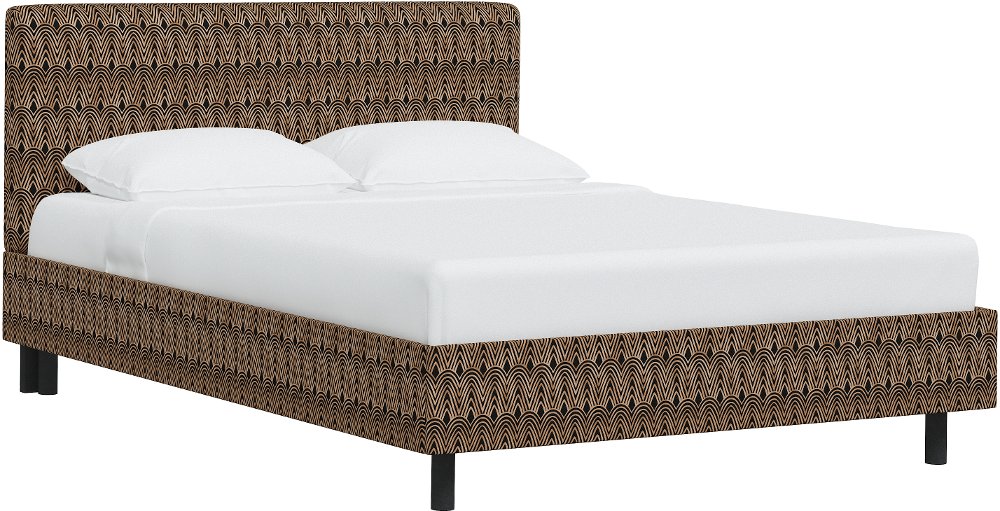
Platform Storage Beds

Platform storage beds put the space beneath your mattress to work with built-in storage for bedding and other bedroom essentials. Compare bed sizes, frame dimensions, and storage layouts to find a bed that fits your mattress and room, leaving enough clearance to access the storage comfortably.

Read More
Sort by:

Platform Storage Beds

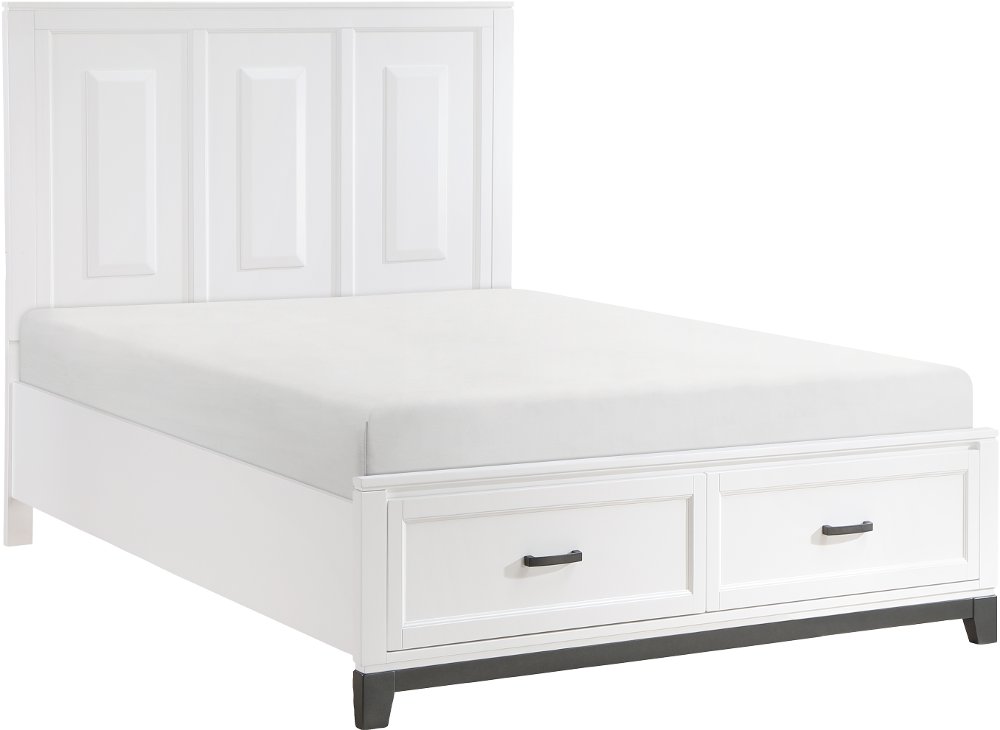
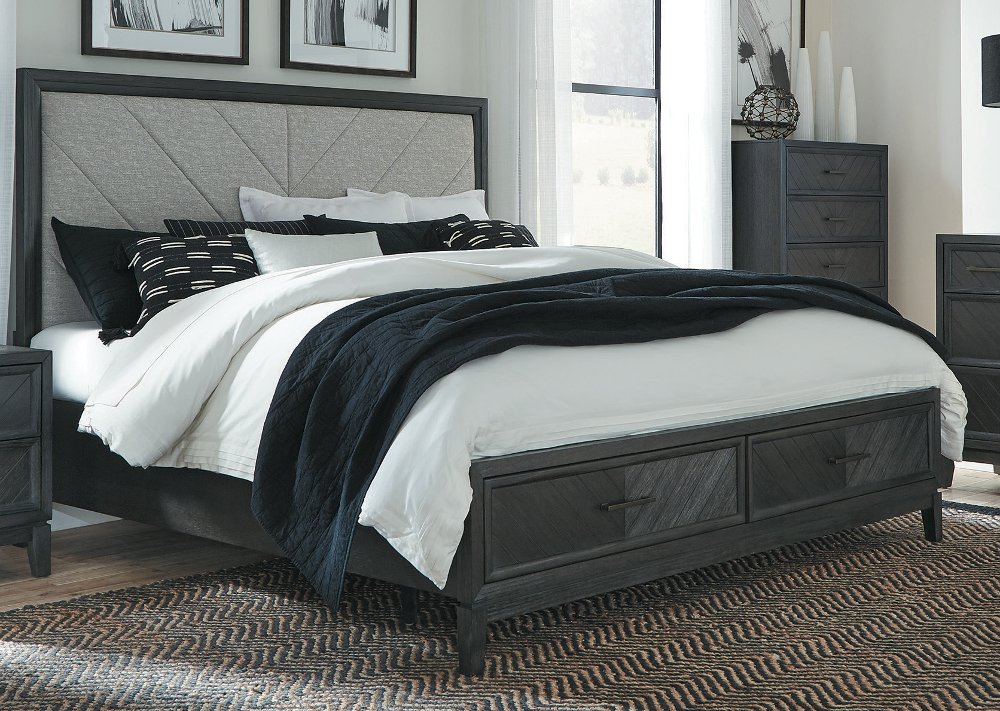
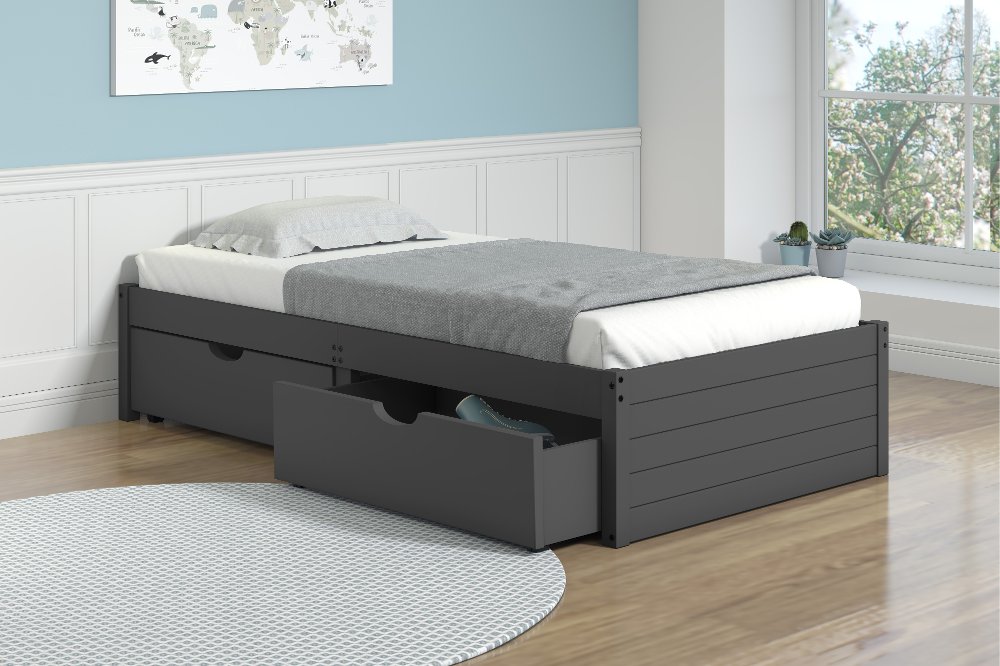
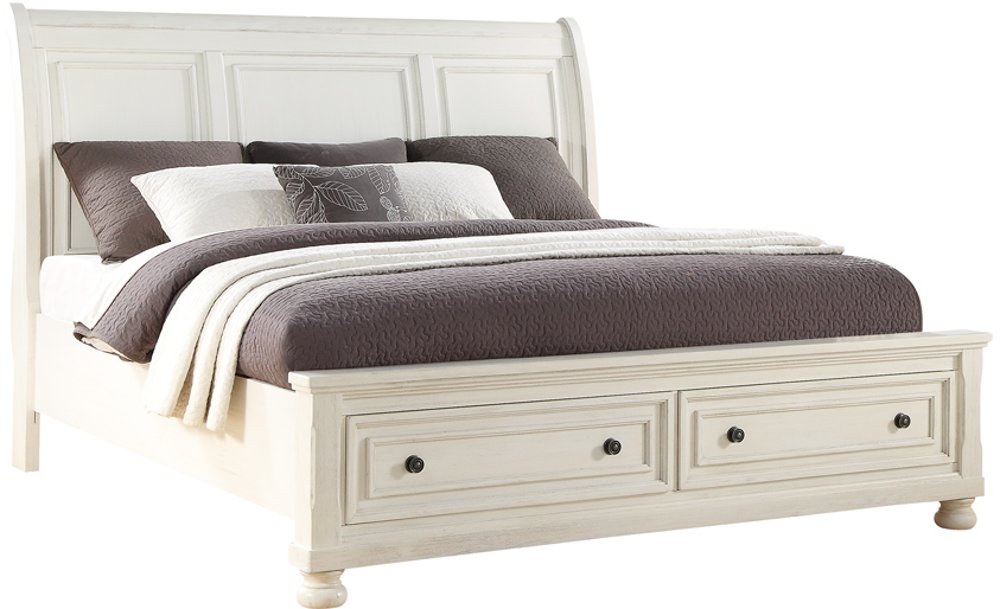
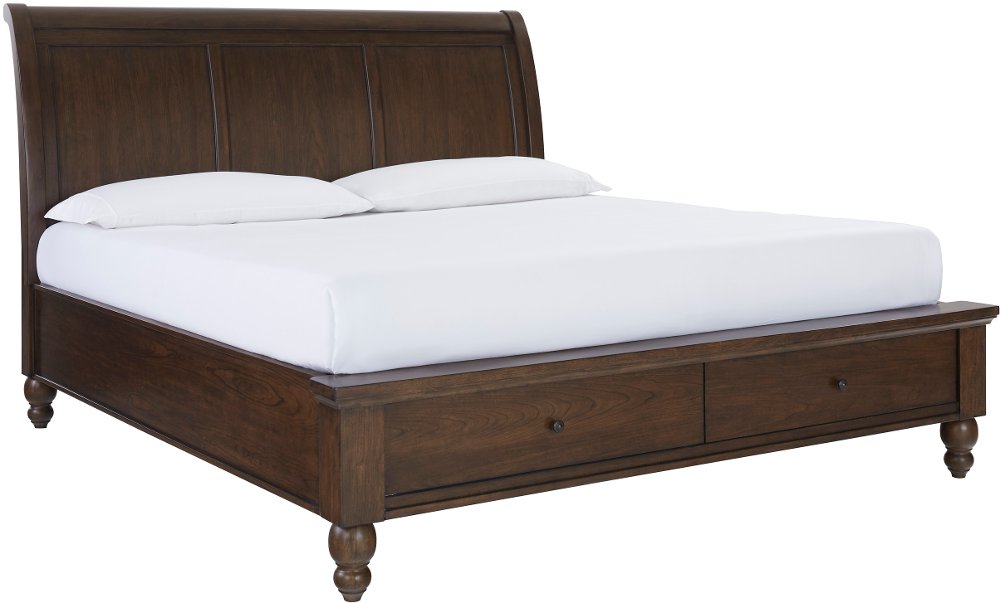
Platform storage beds combine a solid or slatted mattress foundation with built-in storage, giving one piece of bedroom furniture two useful jobs. The platform supports the mattress, while drawers, lift-up compartments, or headboard cubbies create room for belongings that might otherwise crowd a closet or dresser. Most platform beds are designed to support a compatible mattress without a box spring, though the bed’s specifications and the mattress manufacturer’s requirements should always agree. Like other bedroom platform beds, storage designs can have a streamlined profile that keeps the room feeling open. Their added function makes them especially practical in apartments, shared bedrooms, guest rooms, and primary bedrooms where every piece of furniture needs to earn its space. A bed with side drawers can keep folded pajamas and extra pillowcases within reach, while footboard drawers place storage at the end of the bed. Lift-up designs reveal a larger compartment beneath the mattress platform, often better suited to extra bedding or belongings that aren’t needed every day. Headboard storage serves a different purpose, offering shelves or cubbies for a book, glasses, or a small collection of personal favorites. Some designs combine more than one storage type, but the most useful arrangement depends on what needs a home and how often it gets used. In a guest room, dedicated drawers can hold fresh sheets and leave closet space open for visitors. In a teen’s room, compartments beneath the mattress can make it easier to put away clothing without adding another chest. Even in a larger bedroom, built-in storage can reduce the need for extra furniture and leave more room for a reading chair or an uncluttered walkway. The look can be just as varied as the function, from simple wood frames with recessed drawer pulls to upholstered silhouettes that soften the room’s edges. Storage can blend into the bed’s overall design rather than becoming its defining visual feature.

A comfortable fit involves more than matching the bed’s size to the mattress. Twin, full, queen, and king describe mattress dimensions, but the surrounding frame, headboard, and footboard determine how much floor space a storage bed actually occupies. A substantial upholstered frame may extend several inches beyond the mattress, while a headboard with shelves adds depth against the wall. Drawer placement matters just as much. Side drawers need enough open space to extend past nearby nightstands, walls, and dressers, and footboard drawers need room beyond the end of the bed. In a narrow bedroom, that difference can determine whether the storage feels convenient or awkward to use. Lift-up storage doesn’t require drawer-extension space beside the frame, but the platform still needs unobstructed movement and a mechanism suited to the mattress’s weight. The manufacturer’s operating instructions are especially important for designs that use gas struts or other lifting hardware. Interior dimensions also tell a more useful story than the number of compartments alone. A shallow drawer may be ideal for neatly folded T-shirts, while a bulky comforter needs a deeper, larger space. Drawer weight limits help distinguish storage intended for linens from compartments that can handle heavier belongings. Mattress compatibility deserves equal attention. Foam, hybrid, and innerspring mattresses can have different foundation requirements, including limits on the distance between slats or the need for a particular support surface. Larger beds may also rely on a center rail and support legs to distribute weight properly. Overall bed height changes with both the platform and the mattress, so a low frame paired with a thick mattress may feel quite different from its appearance in a photo. The combined height should feel comfortable when sitting down and standing up, and it should leave a useful amount of headboard visible. Bedding affects daily access, too: a long comforter or bed skirt may cover drawer fronts, while a neatly tucked quilt keeps handles and openings easy to reach.

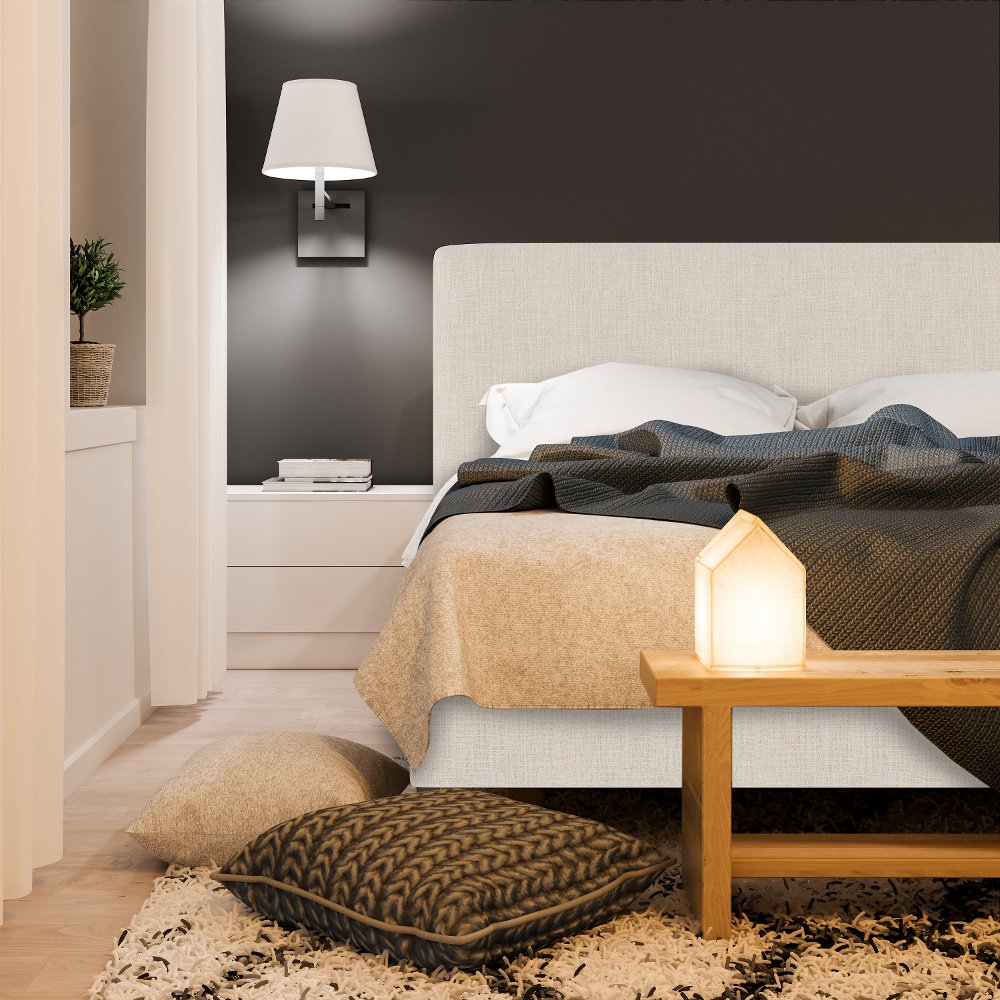
Materials, construction, and care shape how a platform storage bed looks and performs over time. Solid wood brings natural grain and character, while wood veneer provides a real-wood surface over a supporting core. Engineered wood can offer a consistent surface for painted finishes, laminates, or veneers; its durability depends on the material, construction, and how well the edges and joints are protected. Metal frames can create a lighter visual profile or an industrial look, with stability depending on sturdy connections and the overall support system. Upholstered beds add texture and a softer surface around the headboard, an appealing detail for anyone who likes to sit up and read. Fabric texture and care requirements matter in a room shared with children or pets, and a tightly woven surface may be easier to maintain than a heavily textured one, depending on the fiber and finish. Daily use also puts attention on less visible details. Well-fitted joints, secure center supports, sturdy drawer bottoms, and smoothly operating glides all contribute to a bed that feels dependable. Drawers should open without rubbing the frame, and lift mechanisms should operate as intended without improvised adjustments. Assembly is part of that long-term performance: support legs need proper contact with the floor, and fasteners should be checked as directed by the manufacturer. Routine care is usually straightforward but should match the finish. A soft cloth helps remove dust from wood and metal, spills benefit from prompt attention, and upholstery may need gentle vacuuming and cleaning according to its care label. Excess moisture can damage wood-based components, so damp cleaning should leave surfaces dry rather than wet. Keeping storage within its stated capacity helps protect drawer glides and compartment bottoms. With a layout that suits the room and materials that suit everyday life, a platform storage bed creates a comfortable place to sleep while giving extra sheets, folded clothing, and spare blankets a place of their own.
Read More

Frequently Asked Questions

Filter By